

Overview
Entropion occurs when the eyelid margin rolls inward toward the eye, so that the eyelashes and lid skin rub against the cornea and the surface of the eye. It most often affects the lower eyelid and becomes more common with age, but it can also follow scarring, chronic inflammation, or problems with the muscles and nerves that control the lid.
The constant friction causes redness, a gritty foreign-body sensation, watering, and sensitivity to light. Over time, a chronically irritated cornea can become more vulnerable to abrasion, infection, or scarring, which is why persistent symptoms should be evaluated rather than simply tolerated.
At Norelle Health, evaluation focuses on identifying why the eyelid is turning inward, checking the health of the eye surface, and choosing treatment that restores a normal lid position while protecting vision and comfort.
Symptoms
Typical symptoms include a foreign-body sensation, redness, tearing, light sensitivity, and intermittent blurring as the tear film is disturbed. Some people notice their lashes touching the eye.
Symptoms may come and go at first, especially when the inward turn is intermittent, then become more constant over time.
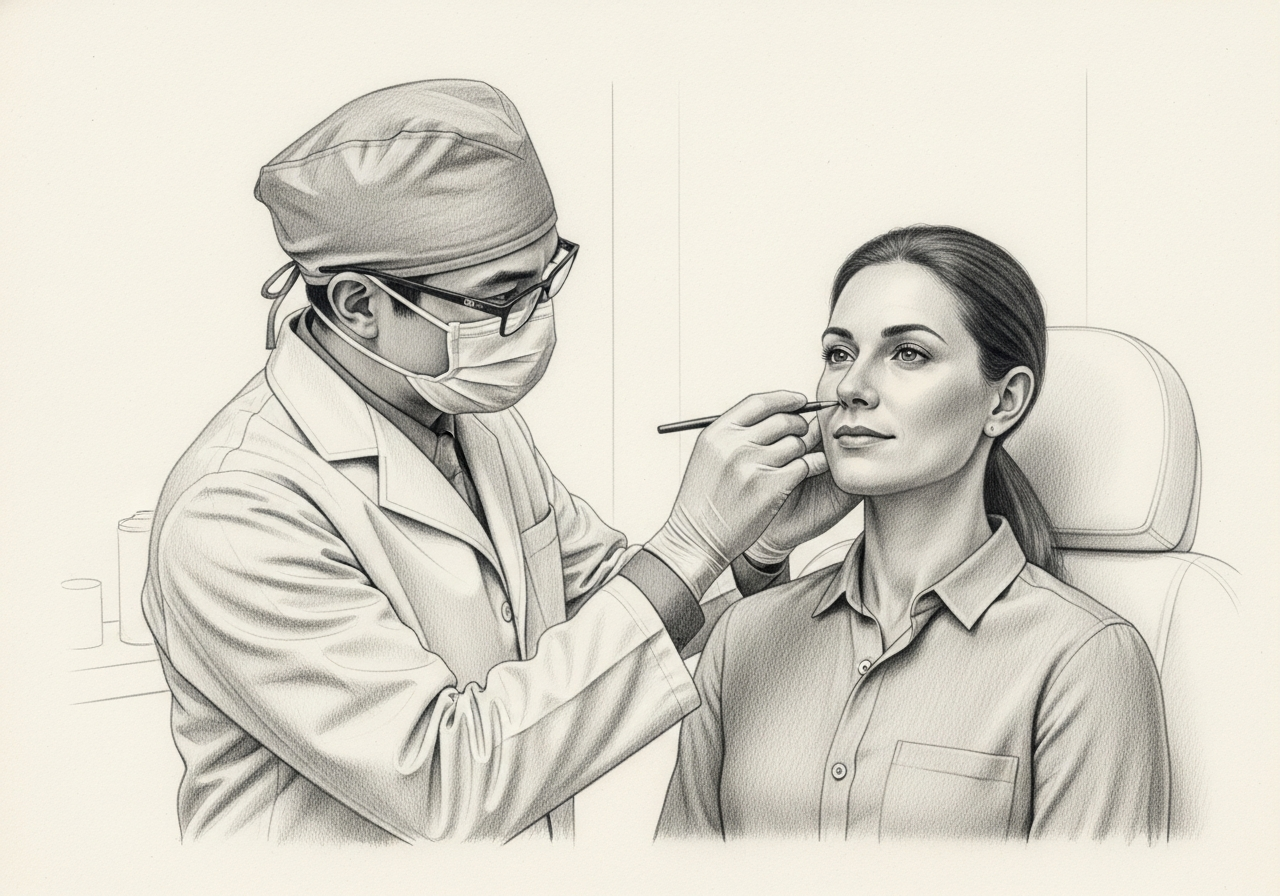
Living with entropion? The next step is a quiet, unhurried conversation.
Causes and risk factors
The most common cause is age-related loosening of the muscles and tendons that support the lower lid. Other causes include scarring of the inner lid surface from injury, burns, prior surgery, or chronic inflammation, and spasm of the muscle around the eye.
Risk factors include advancing age, previous eyelid trauma or surgery, chronic eye irritation, and inflammatory conditions affecting the conjunctiva.
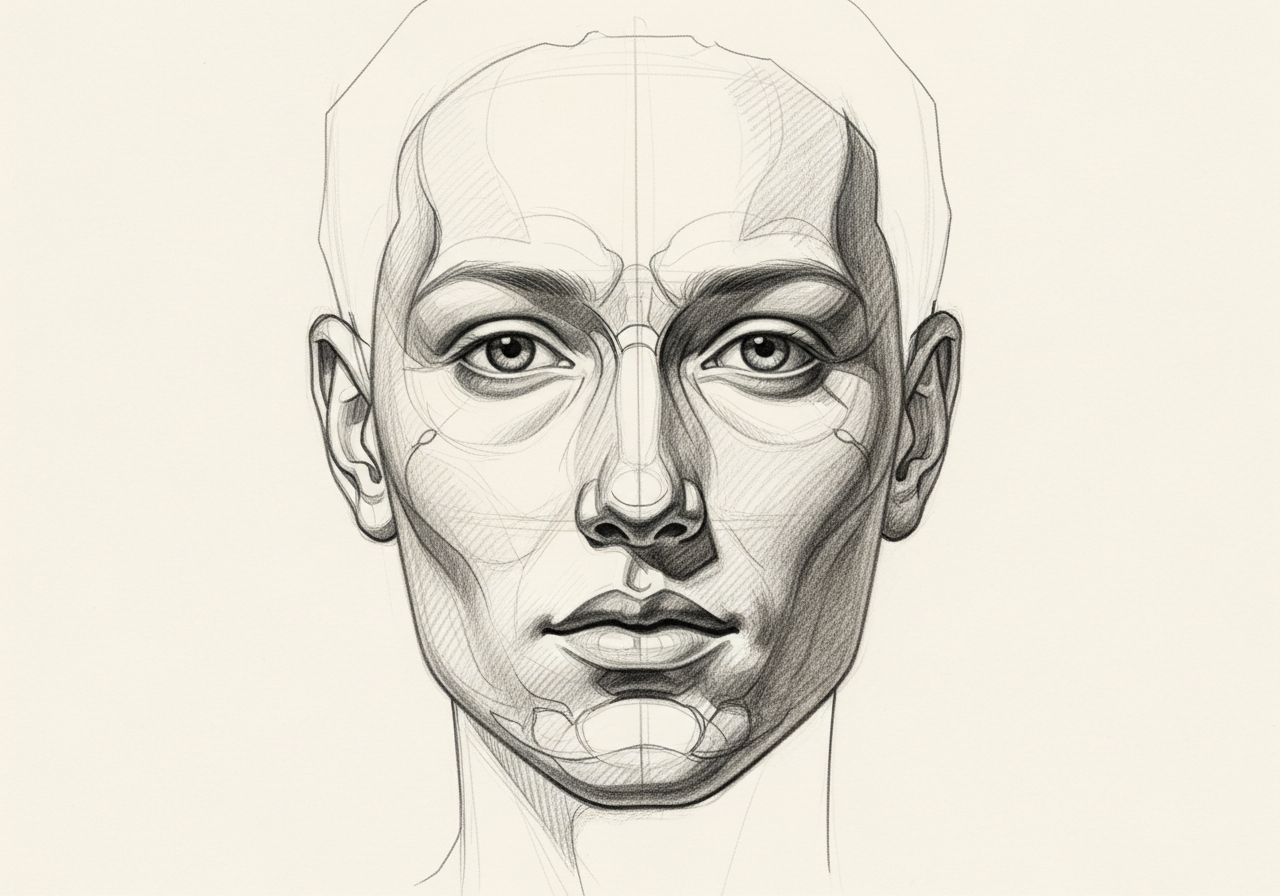
How it is diagnosed
Diagnosis is based on an eye and eyelid examination. The clinician assesses lid position, laxity, and the health of the cornea and tear film, often using a slit-lamp.
The evaluation distinguishes entropion from related problems such as ectropion (an outward-turning lid) and identifies whether scarring or spasm is contributing, since these change the surgical approach.
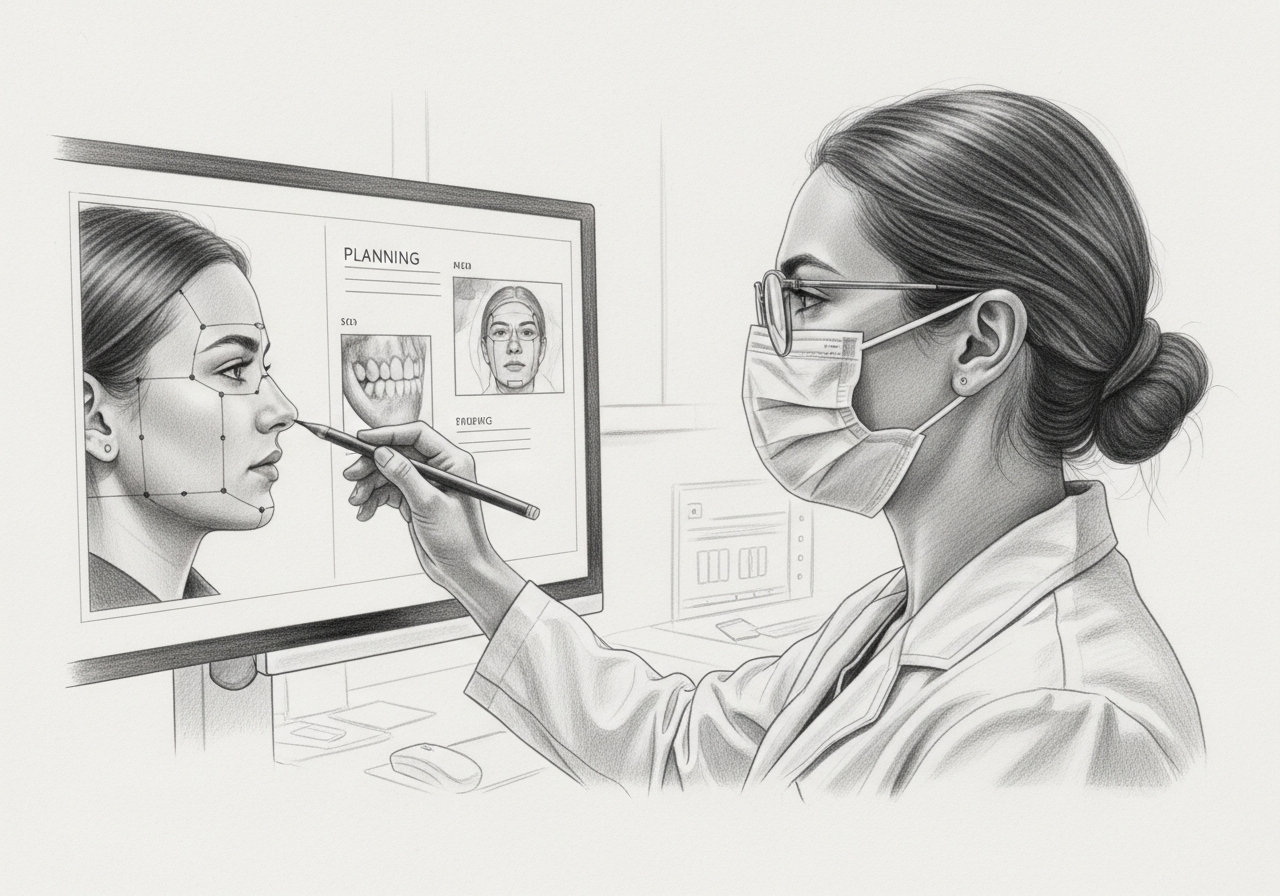
Treatment options
Mild or intermittent entropion can be managed temporarily with lubricating drops, ointment, or taping to protect the eye while definitive treatment is planned. Botulinum toxin may help when spasm is the main cause.
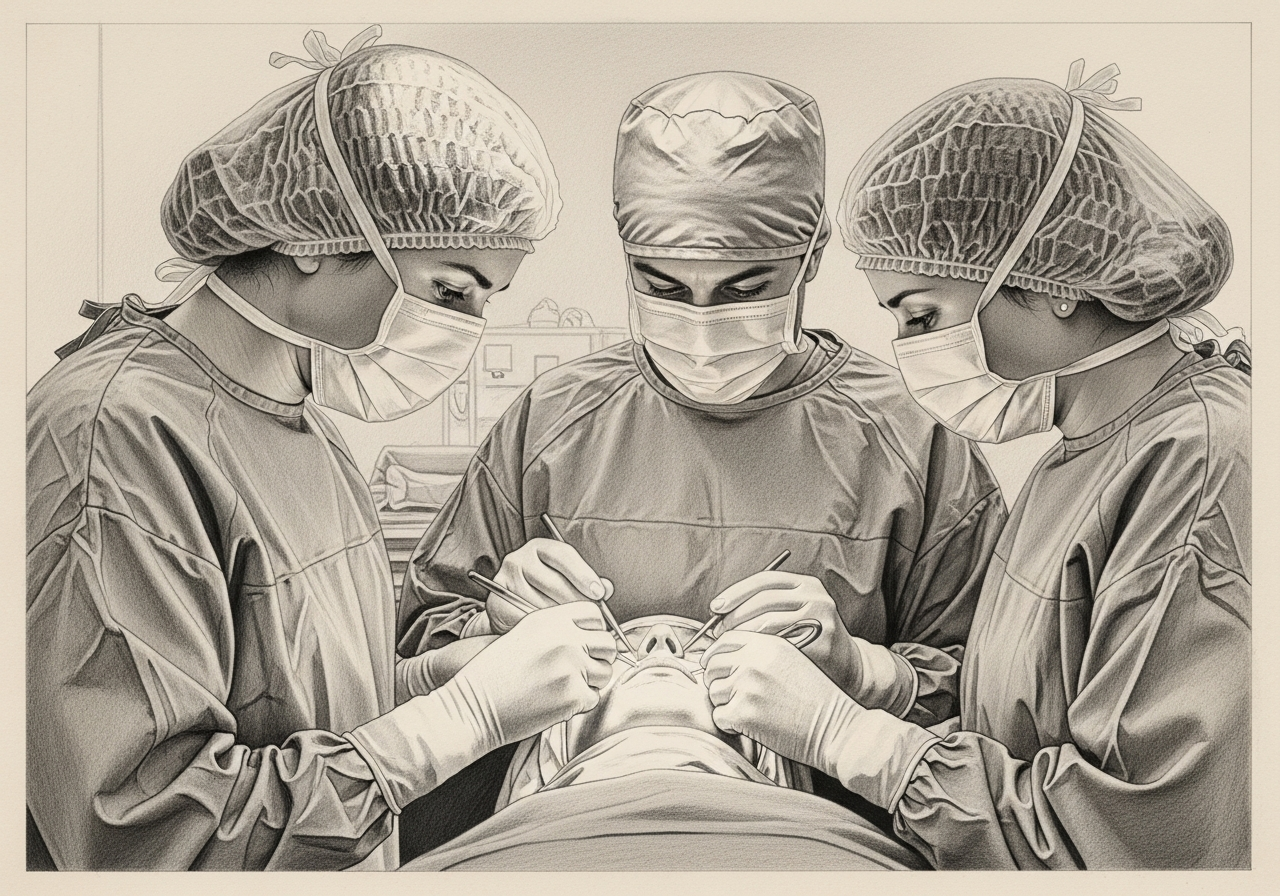
Surgical repair is the definitive treatment for most cases. Techniques tighten and reposition the eyelid, and scarring-related entropion may require release of scar tissue or grafting. The goal is to return the lid to its normal position and relieve friction on the eye.
When to seek care
Seek evaluation if you have persistent eye irritation, tearing, or the sense that your eyelid is turning in. Prompt care is important for eye pain, marked redness, sudden vision change, or signs of a corneal abrasion, since the cornea can be injured by continued rubbing.
Medical review
This page is a patient-education resource reviewed by the responsible Norelle Health clinician before publication. It does not replace an in-person evaluation. If symptoms are severe or rapidly worsening, seek immediate medical care.
Specialists who treat entropion

Dr. Moustafa Mourad
MD, FACS
Double Board-Certified Head & Neck and Facial Plastic & Reconstructive Surgeon
Dr. Moustafa Mourad is a double board-certified head and neck and facial plastic and reconstructive surgeon who cares for the full range of cosmetic and complex conditions affecting the face, head, and neck.
- Facial plastic and reconstructive surgery
- Head and neck cancer surgery
- Microvascular free-flap reconstruction
- Facial trauma and reconstruction
Also caring for this area



Not sure who to see? Our patient coordination team can help match you with the right specialist.
(212) 444-8006Frequently Asked Questions
Entropion is an inward-turning eyelid, so the lashes rub against the eye, while ectropion is an outward-turning eyelid that leaves the eye exposed. They cause different symptoms and are corrected with different techniques.
Age-related entropion usually does not resolve permanently on its own and tends to recur. Lubrication and taping can ease symptoms temporarily, but lasting correction generally requires a procedure.
Persistent rubbing of lashes against the cornea can cause irritation, abrasions, and, in some cases, infection or scarring. Protecting the eye surface and correcting the lid position help prevent these problems.
Eyelid repair is typically an outpatient procedure done under local anesthesia, often with light sedation. The specific technique depends on the cause and severity of the inward turn.
Bruising and swelling usually improve over one to two weeks. Specific activity and wound-care instructions are provided based on the technique used.
Recurrence is possible, particularly with significant lid laxity or scarring. Your surgeon will discuss the approach chosen to reduce that risk for your situation.
Lubricating drops during the day and ointment at night can protect the eye surface. Your clinician may also suggest taping the lid temporarily; do not pull on the eyelid without guidance.
Related Procedures
1 of 3 · Entropion Surgery
Request a consultation for entropion
Schedule an evaluation with our team to review your symptoms and the appropriate next steps.