

Overview
Gallstones are hardened deposits that form in the gallbladder, a small organ beneath the liver that stores bile for digestion. They can range from tiny, sand-like particles to larger stones and may cause no symptoms at all. Trouble often arises when a stone blocks the flow of bile, which can cause pain after meals, nausea, bloating, and discomfort in the upper right abdomen that may spread to the back or right shoulder.
Some people develop complications such as inflammation of the gallbladder, infection, or a blocked bile duct. At Norelle Health in New York City, evaluation for gallstones often includes an ultrasound, and the care team discusses whether monitoring or gallbladder removal is appropriate based on your symptoms and findings.
Understanding Gallstones
Gallstones are hardened deposits that form in the gallbladder, a small organ beneath the liver that stores bile for digestion. They can range from tiny, sand-like particles to larger stones and may be made mostly of cholesterol or bile pigments. Trouble often arises when a stone blocks the flow of bile, which can cause pain and, at times, inflammation or infection.
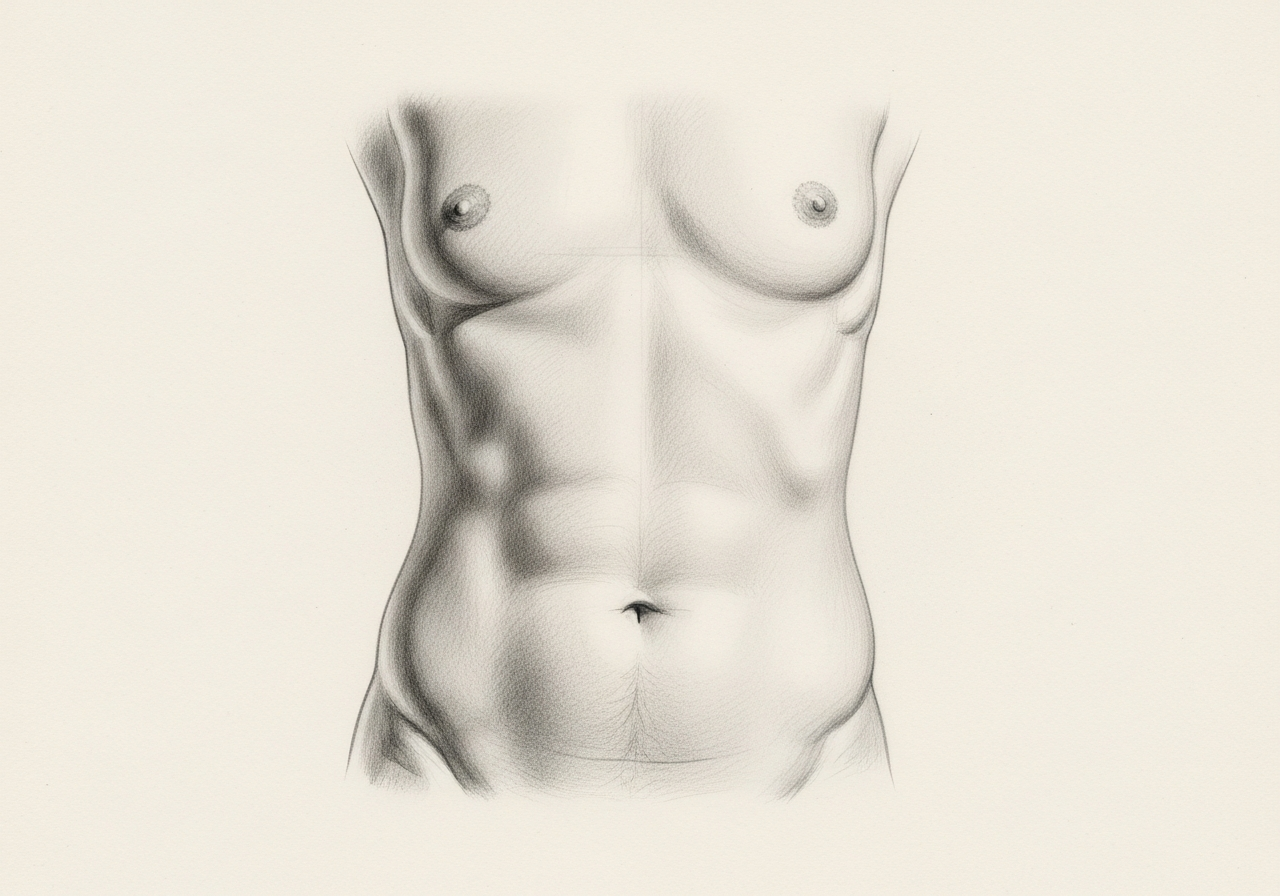
Living with gallstones? The next step is a quiet, unhurried conversation.
Why Patients Search for This Care
People often look into gallstones after episodes of pain in the upper right abdomen, especially following meals, or after an ultrasound finds stones. Common questions include whether the stones are serious, whether surgery is needed, and how recovery works. This page is intended to explain the condition clearly and describe when treatment is typically considered.
How Norelle Health Evaluates Gallbladder Disease
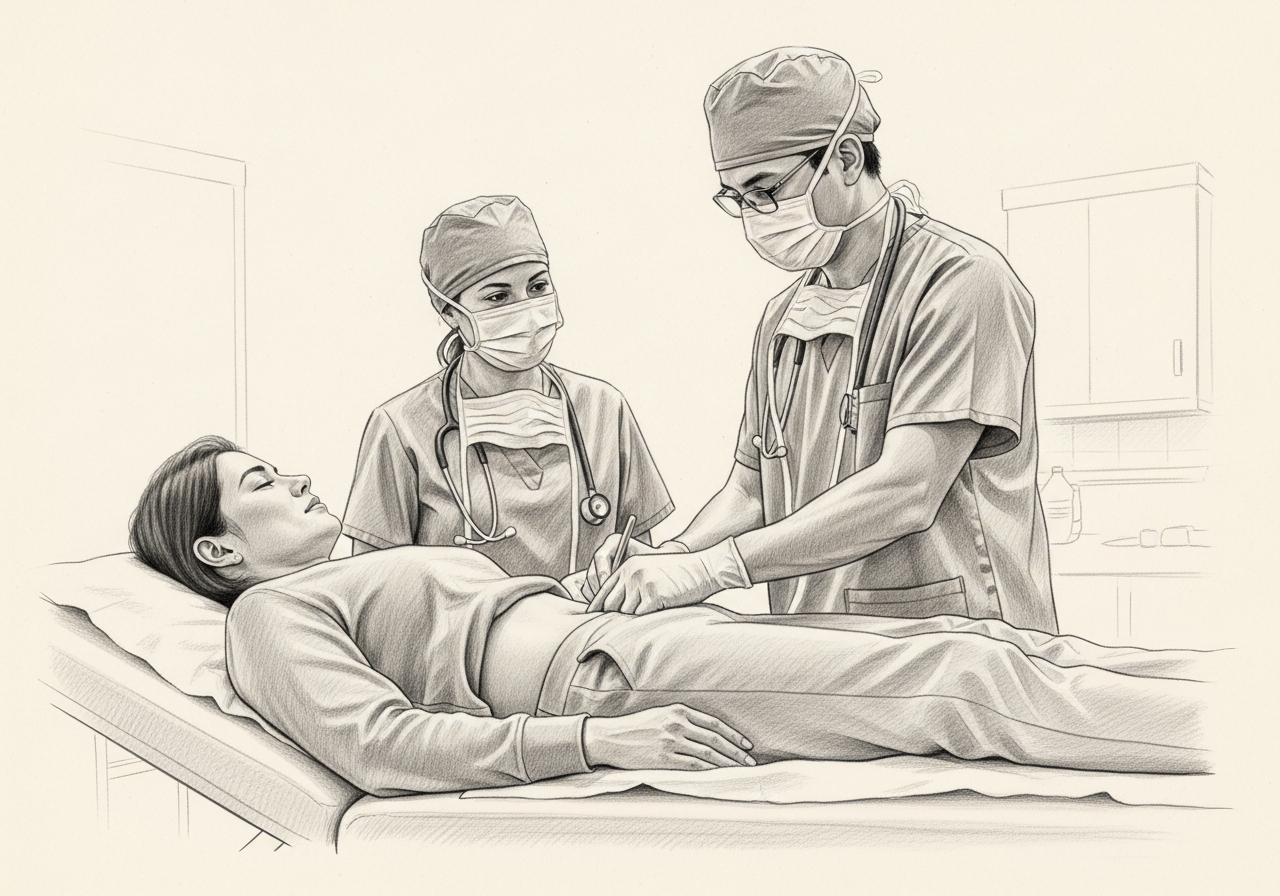
Our New York City team typically evaluates suspected gallstones with a history, an examination, and an abdominal ultrasound, which is a common and reliable way to detect stones. Blood tests and additional imaging may be used when inflammation, infection, or a blocked bile duct is a concern. The findings help determine whether treatment is needed.
Symptoms and Warning Signs
When gallstones cause problems, symptoms tend to follow meals, especially fatty ones, and may include pain in the upper right abdomen, nausea, bloating, or pain that spreads to the back or right shoulder. Recurring or severe pain, fever, persistent vomiting, or yellowing of the skin or eyes can signal a complication such as inflammation or a blocked bile duct and should prompt medical attention.
Who Is Affected and Why
Gallstones are common and may be more likely with certain factors, including female sex, increasing age, pregnancy, rapid weight loss, obesity, and a family history of gallstones. Some people have gallstones for years without any symptoms. The likelihood that stones will eventually cause problems is part of what guides the conversation about treatment.
Treatment Options
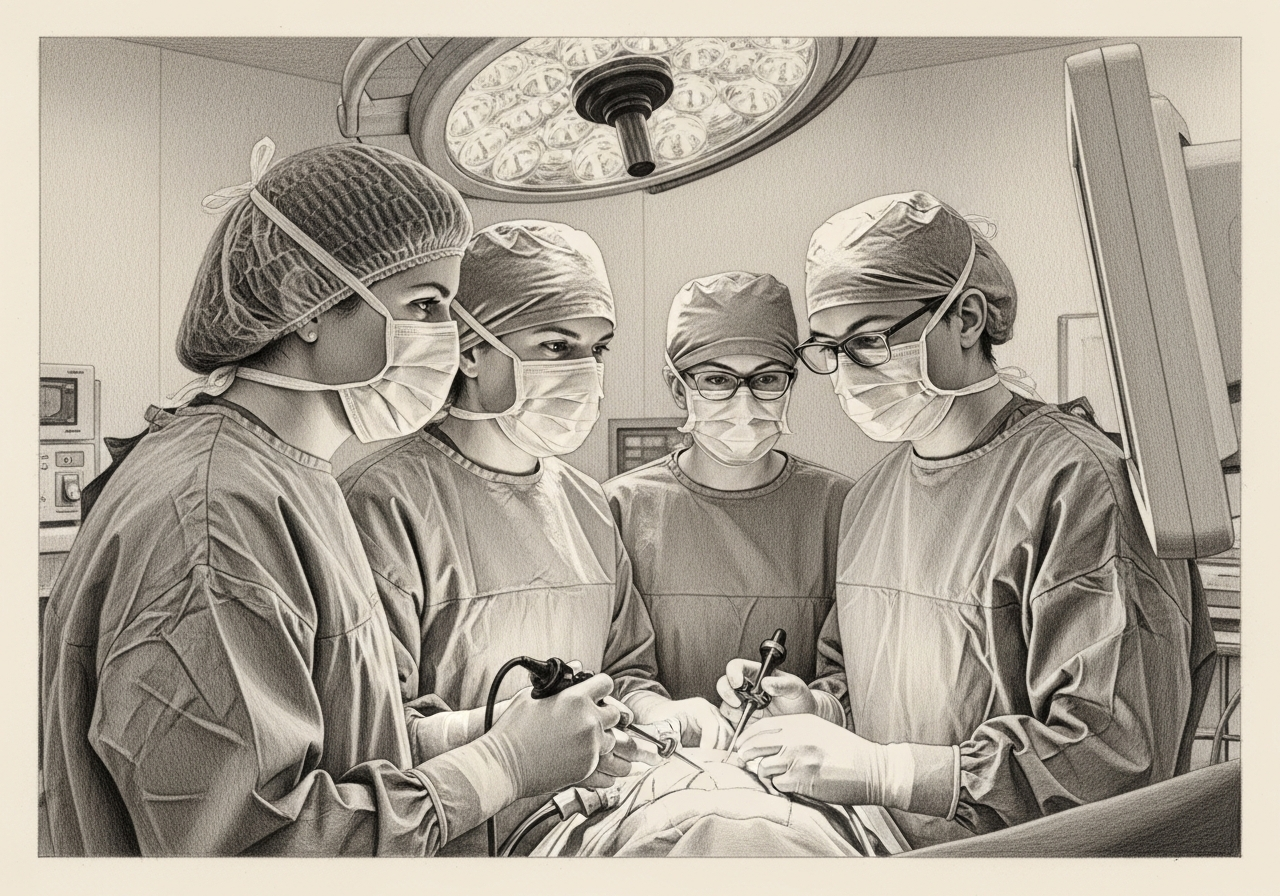
Gallstones that cause no symptoms are often simply monitored, and dietary adjustments may help with mild discomfort. When stones cause recurrent pain, inflammation, or other complications, removal of the gallbladder, called cholecystectomy, is commonly recommended and is usually performed with a minimally invasive approach. The body can continue to digest food after the gallbladder is removed.
Recovery and Follow-Up
An episode of gallbladder pain often eases on its own, but recurring symptoms usually do not resolve permanently without treatment. After gallbladder removal, most people resume a normal diet, though some notice temporary changes in digestion. As with any surgery, the procedure carries risks that the care team reviews, and the team provides individualized aftercare and follow-up guidance.
What Makes Norelle Health Different
Our New York City team uses a focused evaluation to confirm whether gallstones are the source of your symptoms before recommending treatment, and considers conservative options when appropriate. You are evaluated in the context of your symptoms, imaging, and overall health, with the goals and tradeoffs of treatment explained clearly.
Medical review
This page is a patient-education resource reviewed by the responsible Norelle Health clinician before publication. It does not replace an in-person evaluation. If symptoms are severe or rapidly worsening, seek immediate medical care.
Specialists who treat gallstones

Dr. Youssef Mourad
MD
General Surgeon
Dr. Youssef Mourad is a general surgeon who cares for a range of general surgical conditions, including hernias, gallbladder disease, appendicitis, and soft-tissue masses, with experience in minimally invasive approaches.
- Hernia repair (inguinal, umbilical, ventral, and incisional)
- Gallbladder surgery (laparoscopic cholecystectomy)
- Appendectomy
- Lipoma and cyst excision
Not sure who to see? Our patient coordination team can help match you with the right specialist.
(212) 444-8006Frequently Asked Questions
No. Gallstones that do not cause symptoms are often monitored rather than treated. Removal is generally considered when stones cause pain or complications.
It often presents as pain in the upper right or middle abdomen, frequently after a meal, that may spread to the back or right shoulder and can come with nausea. Episodes can last from minutes to hours, and recurring or severe pain should be evaluated.
Yes. The gallbladder is not essential for digestion, and most people eat normally afterward, though some experience temporary digestive changes.
Diet adjustments may help reduce mild symptoms, but they do not dissolve most gallstones. When stones repeatedly cause problems, surgery is the common way to address them.
Most gallbladder removals are performed with a minimally invasive, laparoscopic approach, though an open approach is sometimes needed based on anatomy or inflammation. Your surgeon will discuss the plan.
Severe abdominal pain, fever, persistent vomiting, or yellowing of the skin or eyes can signal a complication and should be evaluated promptly.
Recovery varies by patient and approach, and many people resume routine activities over the following days to weeks with aftercare guidance from the care team.
Coverage varies by plan and medical necessity, so we recommend confirming benefits with your insurer. Our team can help you understand the process.
Related Procedures

1 of 2 · Laparoscopic Cholecystectomy
Related Conditions

1 of 2 · Gastroesophageal Reflux Disease (GERD)
Request a consultation for gallstones
Schedule an evaluation with our team to review your symptoms and the appropriate next steps.