

Overview
Gastroesophageal reflux disease, or GERD, occurs when stomach acid repeatedly flows back into the esophagus, leading to heartburn and irritation of the esophageal lining. It is sometimes associated with a hiatal hernia. At Norelle Health in New York City, evaluation for GERD includes a review of symptoms and testing when needed, and the care team discusses medical management and, in selected cases, anti-reflux surgery.
Understanding GERD
Gastroesophageal reflux disease, or GERD, occurs when stomach acid repeatedly flows back into the esophagus, the tube connecting the throat and stomach. A muscular valve at the bottom of the esophagus normally limits this backflow, and when it does not close well, acid can irritate the esophageal lining. Occasional reflux is common, but frequent symptoms that affect daily life or the esophagus point toward GERD.

Living with gastroesophageal reflux disease (GERD)? The next step is a quiet, unhurried conversation.
Why GERD Happens
Several factors can contribute to GERD, including a hiatal hernia, obesity, pregnancy, smoking, and certain foods or eating patterns. These factors can weaken or place pressure on the valve between the stomach and esophagus. Symptoms often worsen after large meals, when lying down, or when bending over.
Evaluation at Norelle Health
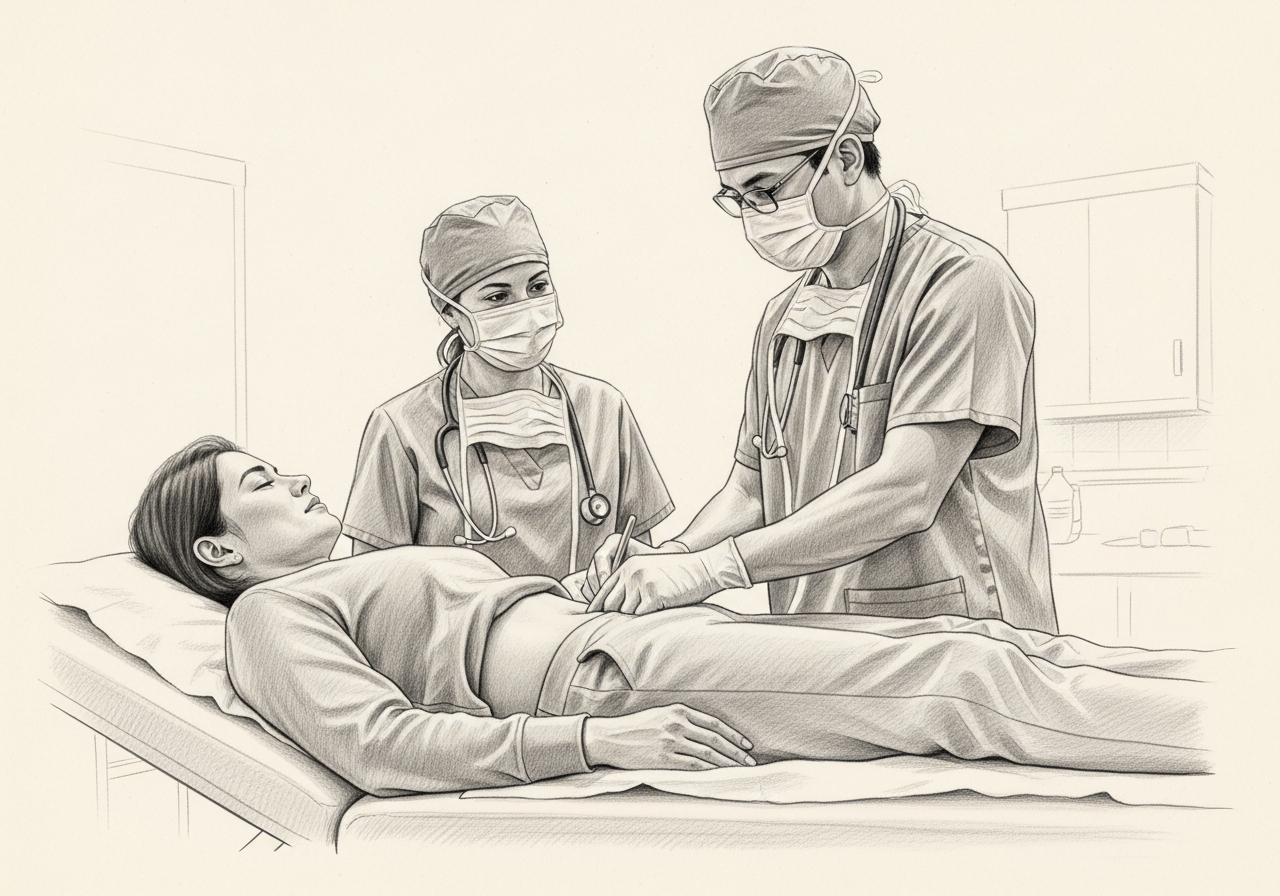
Our New York City team typically begins with a review of symptoms and may recommend testing when the diagnosis is unclear or symptoms persist. Upper endoscopy can examine the esophagus for irritation or other changes, and additional studies may assess acid exposure or how the esophagus functions. This information helps tailor treatment and identify any related conditions.
Treatment Options
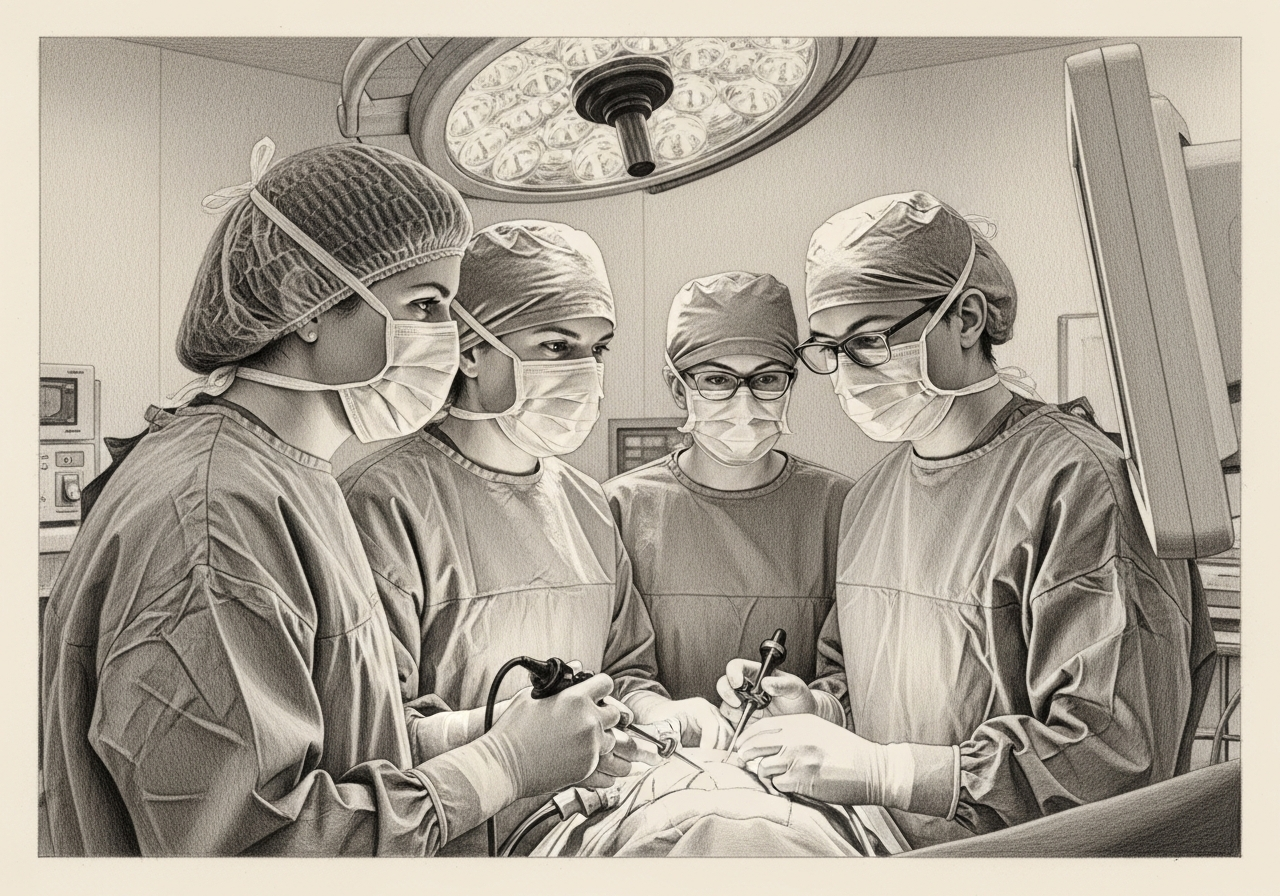
Care usually begins with lifestyle and dietary changes along with medications that reduce stomach acid. When symptoms persist despite medical therapy, or when a hiatal hernia is contributing, anti-reflux surgery such as fundoplication may be considered to reinforce the barrier between the stomach and esophagus. The approach is matched to the severity of symptoms and the results of testing.
What to Expect
Many people manage GERD effectively with lifestyle measures and medication, and the goal of care is to reduce symptoms and protect the esophagus. Long-standing, untreated reflux can lead to changes in the esophagus, so ongoing follow-up matters. The care team discusses a plan suited to your symptoms and goals.
Specialists who treat gastroesophageal reflux disease (GERD)

Dr. Youssef Mourad
MD
General Surgeon
Dr. Youssef Mourad is a general surgeon who cares for a range of general surgical conditions, including hernias, gallbladder disease, appendicitis, and soft-tissue masses, with experience in minimally invasive approaches.
- Hernia repair (inguinal, umbilical, ventral, and incisional)
- Gallbladder surgery (laparoscopic cholecystectomy)
- Appendectomy
- Lipoma and cyst excision
Not sure who to see? Our patient coordination team can help match you with the right specialist.
(212) 444-8006Frequently Asked Questions
Not quite. Occasional heartburn is common, while GERD involves frequent reflux that affects daily life or irritates the esophagus. Persistent symptoms are worth evaluating.
Many people improve with lifestyle changes and medication. Surgery is generally considered only when symptoms persist despite medical therapy or when a hiatal hernia is contributing.
Long-standing, untreated reflux can cause changes in the esophagus over time, which is one reason follow-up is recommended. Your care team can discuss your individual risk.
Coverage varies by plan and medical necessity. We recommend confirming benefits with your insurer, and our team can help you understand the process.
Related Procedures

1 of 2 · Anti-Reflux Surgery (Fundoplication)
Related Conditions

1 of 2 · Gallstones
Request a consultation for gastroesophageal reflux disease (GERD)
Schedule an evaluation with our team to review your symptoms and the appropriate next steps.