

Overview
Hemorrhoids are swollen blood vessels in the lower rectum and anus that can cause itching, discomfort, and bleeding. They are common and often improve with conservative measures, though some cases benefit from procedural treatment. At Norelle Health in New York City, the care team evaluates hemorrhoids and discusses options ranging from conservative care to surgical treatment when appropriate.
Understanding Hemorrhoids
Hemorrhoids are swollen blood vessels in the lower rectum and anus, and they are a normal part of the body's anatomy that can become enlarged and symptomatic. Internal hemorrhoids form inside the rectum and may cause painless bleeding, while external hemorrhoids develop under the skin around the anus and can cause discomfort or a tender lump. Many people experience them at some point in life.

Living with hemorrhoids? The next step is a quiet, unhurried conversation.
Why They Develop
Hemorrhoids often result from increased pressure in the lower rectum, which can come from straining during bowel movements, chronic constipation or diarrhea, prolonged sitting, pregnancy, or heavy lifting. They become more common with age as supporting tissues weaken. Diet and bowel habits frequently play a role.
Evaluation at Norelle Health
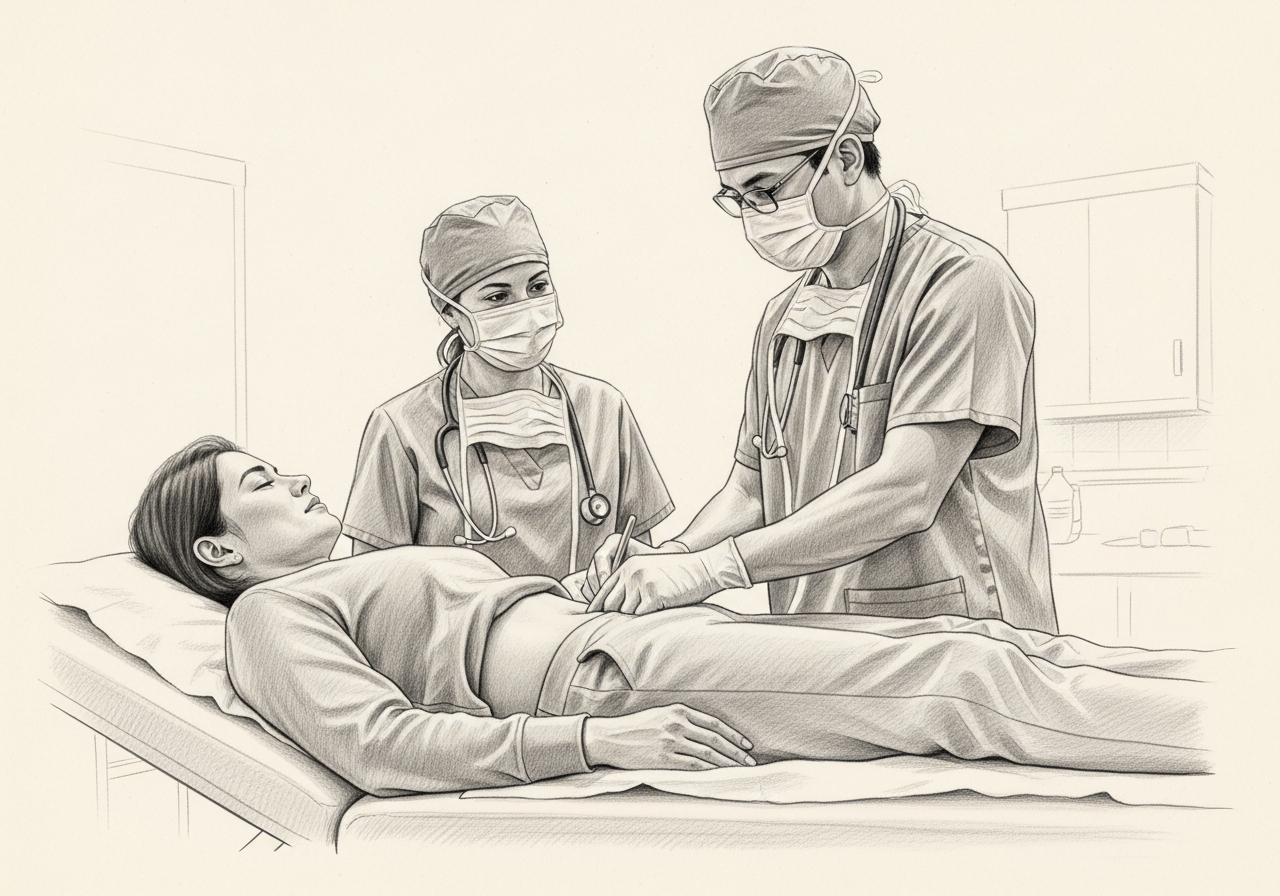
Our New York City team evaluates hemorrhoids with a history and an examination, which may include a visual inspection and, when appropriate, an internal exam. Because rectal bleeding can have other causes, the team may recommend additional evaluation to make sure another condition is not responsible. This helps confirm the diagnosis and guide treatment.
Treatment Options
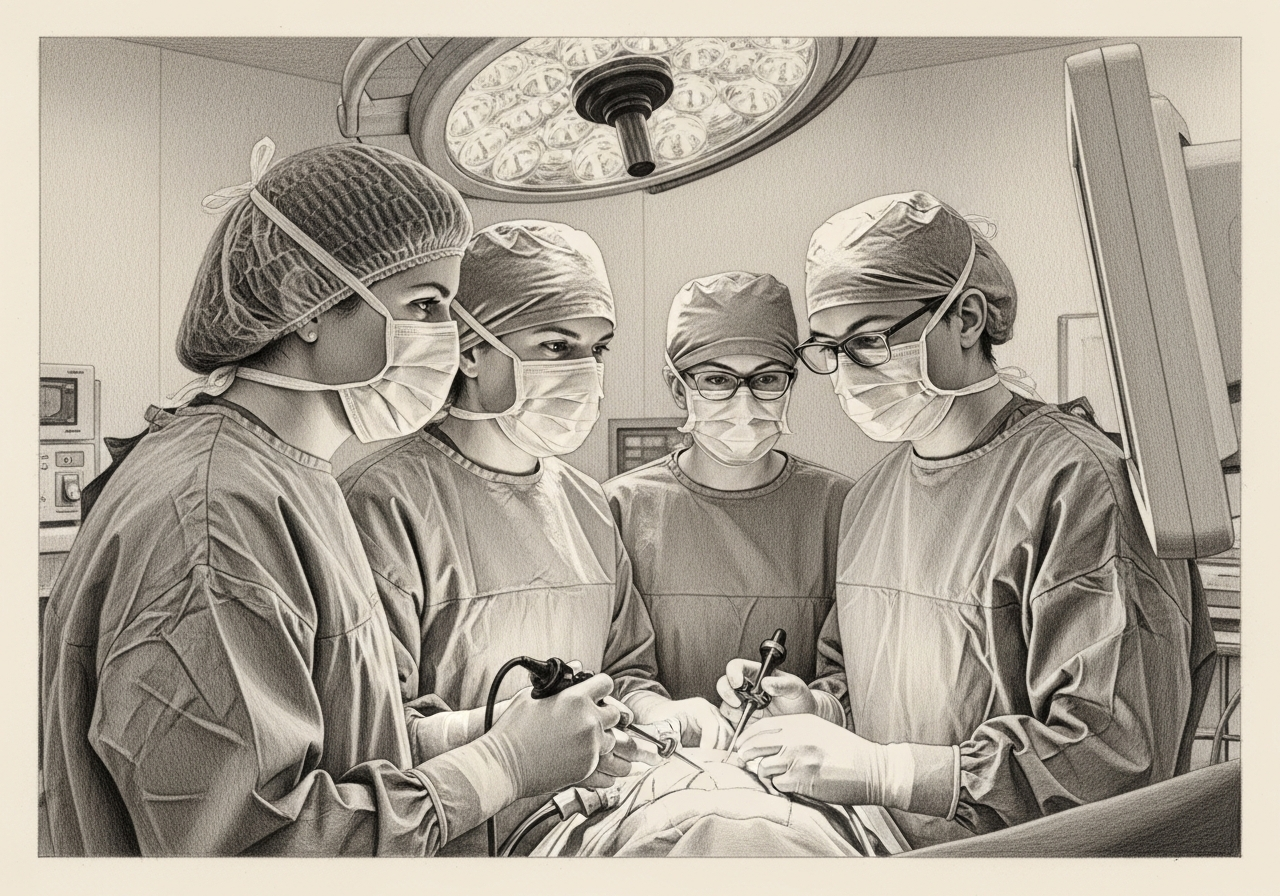
Most hemorrhoids improve with conservative measures such as increased fiber and fluids, good bowel habits, and topical treatments. For symptoms that persist, office-based treatments may be appropriate for selected cases, and surgical removal, called hemorrhoidectomy, is generally reserved for hemorrhoids that are severe or have not responded to other care. The plan is matched to the type and severity of symptoms.
What to Expect
Many people find relief with conservative care and changes to diet and bowel habits. Because rectal bleeding should not be assumed to be from hemorrhoids alone, new or changing bleeding is worth evaluating. The care team discusses an approach suited to your symptoms and overall health.
Specialists who treat hemorrhoids

Dr. Youssef Mourad
MD
General Surgeon
Dr. Youssef Mourad is a general surgeon who cares for a range of general surgical conditions, including hernias, gallbladder disease, appendicitis, and soft-tissue masses, with experience in minimally invasive approaches.
- Hernia repair (inguinal, umbilical, ventral, and incisional)
- Gallbladder surgery (laparoscopic cholecystectomy)
- Appendectomy
- Lipoma and cyst excision
Not sure who to see? Our patient coordination team can help match you with the right specialist.
(212) 444-8006Frequently Asked Questions
Usually not. Most improve with conservative measures, and surgery is generally reserved for severe cases or those that do not respond to other treatments.
No. Hemorrhoids are a common cause, but bleeding can have other sources, so new or persistent bleeding should be evaluated to be sure.
Adequate fiber and fluids, avoiding prolonged straining, and good bowel habits may help reduce recurrence. Your care team can offer guidance for your situation.
Coverage varies by plan and medical necessity. We recommend confirming benefits with your insurer, and our team can help you understand the process.
Related Procedures

1 of 2 · Hemorrhoidectomy
Related Conditions

1 of 2 · Gastroesophageal Reflux Disease (GERD)
Request a consultation for hemorrhoids
Schedule an evaluation with our team to review your symptoms and the appropriate next steps.