

Overview
An inguinal hernia develops when fatty tissue or part of the intestine pushes through a weak spot in the muscles of the lower abdomen, creating a bulge in the groin. It may become more noticeable with standing, lifting, or straining and can cause discomfort. At Norelle Health in New York City, evaluation for an inguinal hernia includes a physical examination and a discussion of whether monitoring or surgical repair is appropriate.
Understanding Inguinal Hernias
An inguinal hernia forms when fatty tissue or a portion of the intestine pushes through a weak point in the lower abdominal wall, within the inguinal canal of the groin. The canal is a natural passage that can become a site of weakness over time. As pressure inside the abdomen rises with everyday activity, the contents can bulge outward, producing the lump that many people first notice.

Living with inguinal hernia? The next step is a quiet, unhurried conversation.
Why Inguinal Hernias Develop
These hernias often result from a combination of inherent weakness in the abdominal wall and activities that raise abdominal pressure, such as heavy lifting, chronic coughing, or straining. They are more common in men, and the likelihood can increase with age, prior groin surgery, or a family history of hernias. In some people the weakness is present from birth and becomes apparent only later in life.
Evaluation at Norelle Health
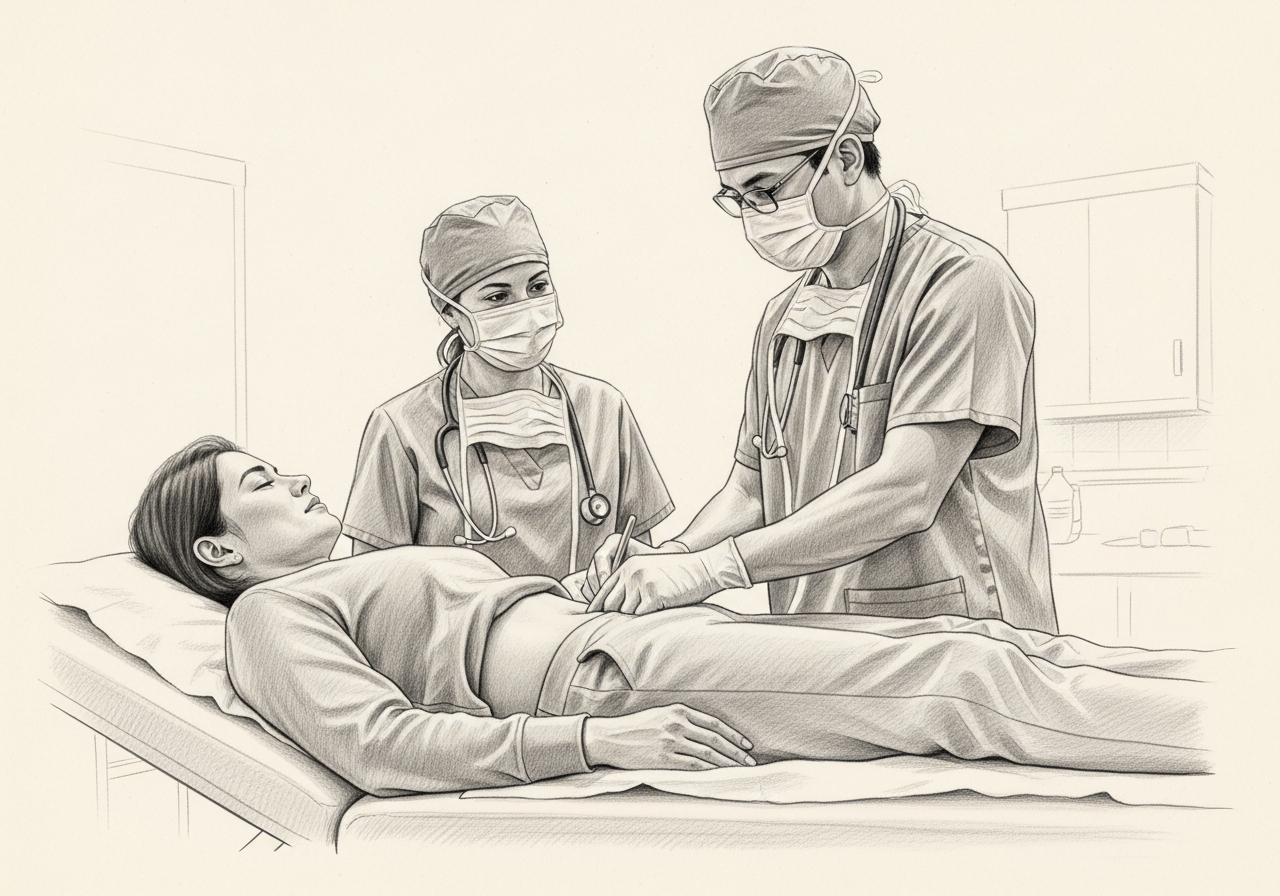
Our New York City team typically begins with a focused history and a physical examination, often asking you to stand or cough so the bulge becomes easier to feel. Imaging such as ultrasound or CT is not always necessary, but it may be used when the diagnosis is unclear or the hernia is difficult to detect. The evaluation also considers your symptoms, the size of the hernia, and your overall health to help guide recommendations.
Treatment Options
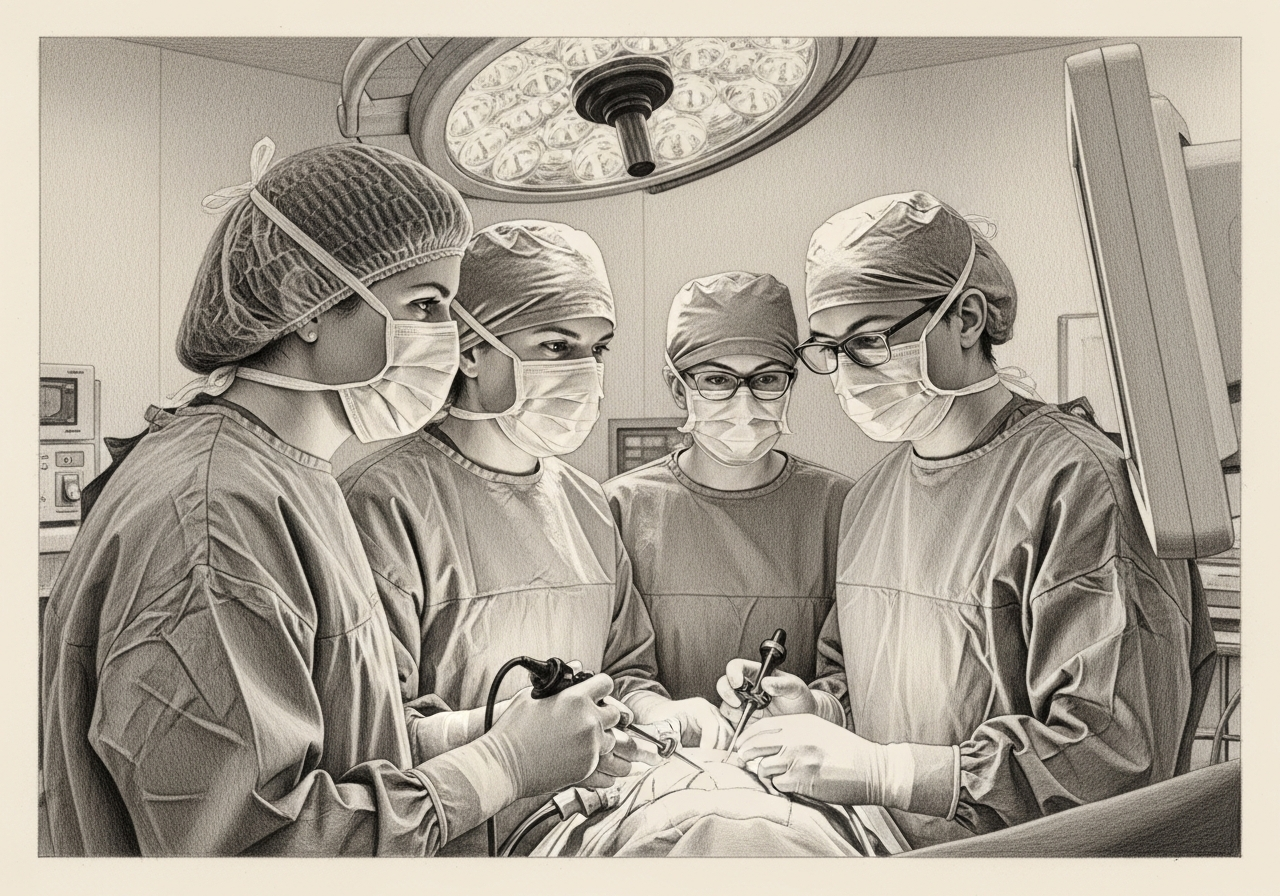
Small hernias that cause few symptoms may be monitored with watchful waiting, while hernias that are enlarging, uncomfortable, or interfering with daily life are often considered for repair. Surgery can be performed through a laparoscopic, minimally invasive approach or an open approach, frequently using mesh to reinforce the weakened area. The choice of technique depends on the hernia and your individual circumstances.
What to Expect
Most inguinal hernias are not emergencies, but a hernia that becomes firm, very painful, or cannot be pushed back in may signal a trapped or strangulated hernia that needs urgent attention. Sudden, severe groin pain with nausea or vomiting should prompt immediate medical care. Discussing warning signs with your care team can help you understand when to seek help and what recovery may involve.
Specialists who treat inguinal hernia

Dr. Youssef Mourad
MD
General Surgeon
Dr. Youssef Mourad is a general surgeon who cares for a range of general surgical conditions, including hernias, gallbladder disease, appendicitis, and soft-tissue masses, with experience in minimally invasive approaches.
- Hernia repair (inguinal, umbilical, ventral, and incisional)
- Gallbladder surgery (laparoscopic cholecystectomy)
- Appendectomy
- Lipoma and cyst excision
Not sure who to see? Our patient coordination team can help match you with the right specialist.
(212) 444-8006Frequently Asked Questions
Hernias do not resolve without treatment, because the opening in the abdominal wall does not close by itself. Small, mild hernias may be monitored, but repair is the way to correct the defect when it is appropriate.
The decision depends on your symptoms, the size of the hernia, and how it affects daily life. Our team can review your situation and discuss whether watchful waiting or repair is the more suitable choice for you.
Coverage varies by plan and medical necessity. We recommend confirming benefits with your insurer, and our team can help you understand the process.
Many hernias gradually enlarge over time, and a small number can become trapped, which is a more serious problem. Speaking with a surgeon can help you weigh the potential risks of waiting against the option of repair.
Related Procedures

1 of 2 · Laparoscopic Inguinal Hernia Repair

Request a consultation for inguinal hernia
Schedule an evaluation with our team to review your symptoms and the appropriate next steps.