

Overview
A lipoma is a slow-growing, usually noncancerous lump made of fatty tissue that sits between the skin and the underlying muscle. Lipomas are typically soft, movable, and painless, though larger ones can be bothersome depending on their location. At Norelle Health in New York City, the care team evaluates lipomas and discusses removal when a lump is growing, uncomfortable, or a concern.
Understanding Lipomas
A lipoma is a soft, slow-growing lump made of fatty tissue that sits just beneath the skin, between the skin and the underlying muscle. They are typically benign, meaning noncancerous, and are usually soft and movable when pressed. Lipomas can occur almost anywhere on the body but are common on the trunk, shoulders, neck, and arms.

Living with lipoma? The next step is a quiet, unhurried conversation.
Who Is Affected and Why
The exact cause of lipomas is not fully understood, though they tend to run in families and are more common in middle adulthood. A minor injury may sometimes be associated with their appearance. Most people have a single lipoma, while some develop several over time.
Evaluation at Norelle Health
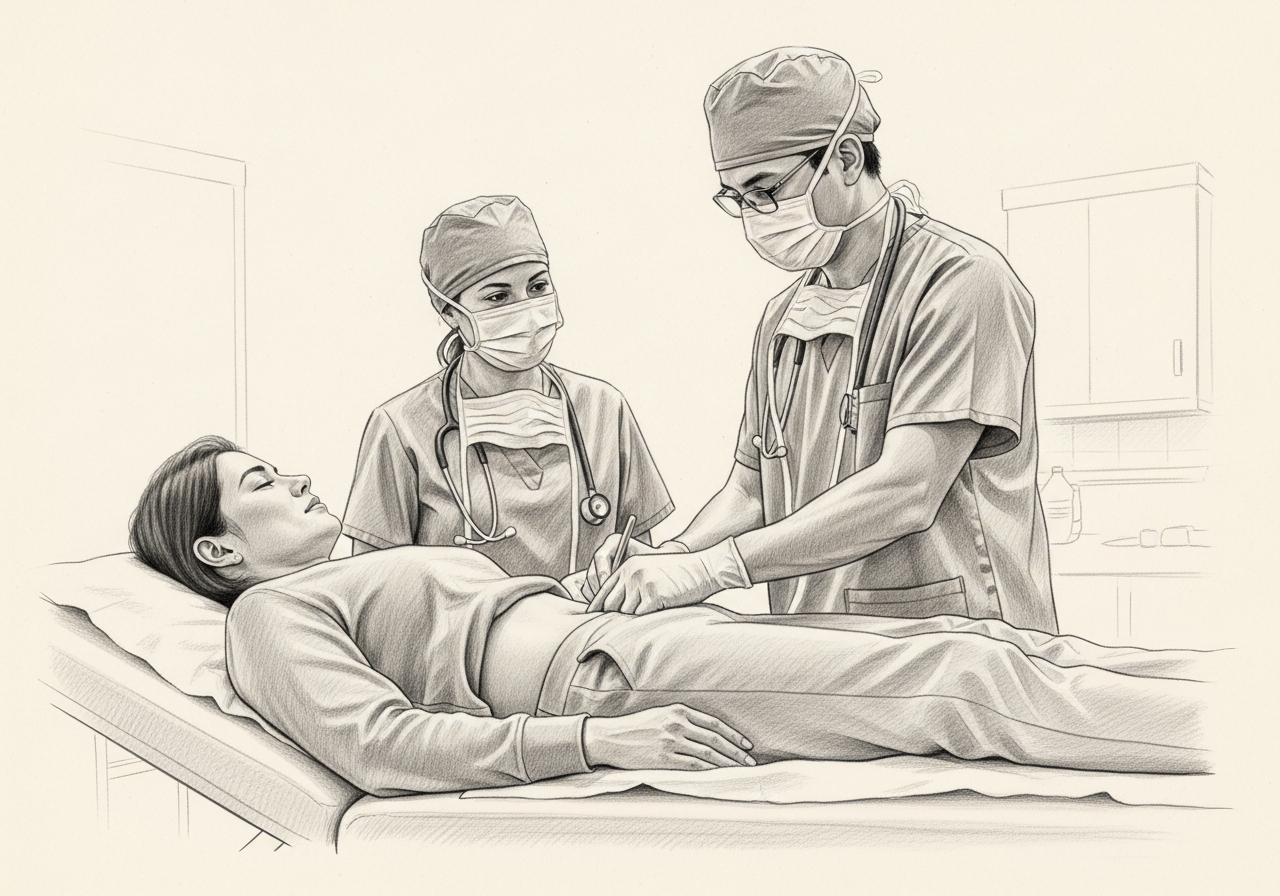
Our New York City team usually diagnoses a lipoma through a physical examination, assessing its size, texture, and mobility. When a lump is unusually firm, fixed, rapidly growing, or otherwise atypical, imaging or a tissue sample may be recommended to confirm the diagnosis. This helps distinguish a lipoma from other soft-tissue growths.
Treatment Options
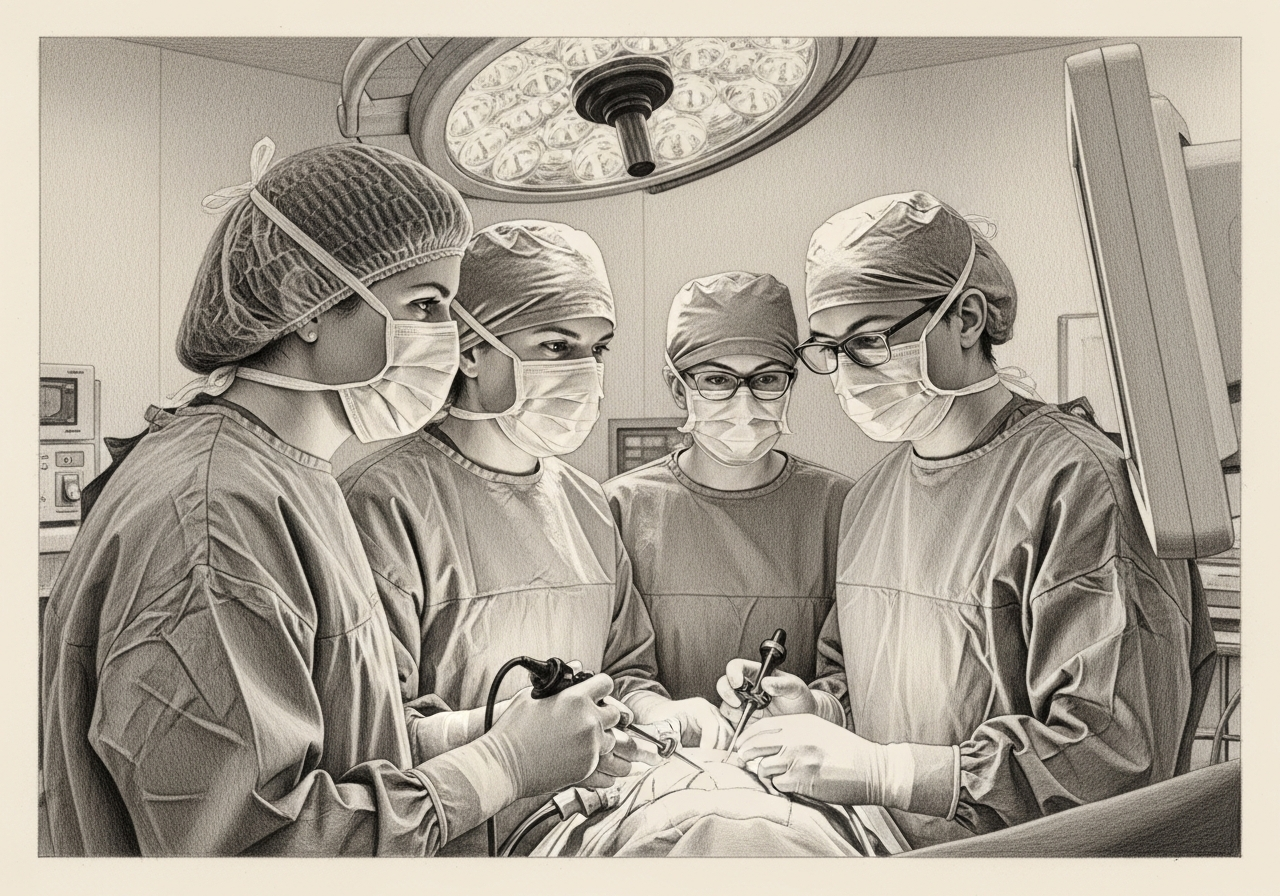
Many lipomas do not require treatment and can simply be monitored when they are small and painless. Removal through a minor surgical excision may be considered when a lipoma is enlarging, uncomfortable, pressing on nearby structures, or a cosmetic or diagnostic concern. The care team reviews the location and your goals when discussing options.
What to Expect
Lipoma removal is commonly an outpatient procedure, and the care team provides wound care guidance afterward. While removal addresses the existing lump, a new lipoma can occasionally form elsewhere. Any change in a known lump, such as rapid growth or new pain, is worth discussing with your care team.
Specialists who treat lipoma

Dr. Youssef Mourad
MD
General Surgeon
Dr. Youssef Mourad is a general surgeon who cares for a range of general surgical conditions, including hernias, gallbladder disease, appendicitis, and soft-tissue masses, with experience in minimally invasive approaches.
- Hernia repair (inguinal, umbilical, ventral, and incisional)
- Gallbladder surgery (laparoscopic cholecystectomy)
- Appendectomy
- Lipoma and cyst excision
Not sure who to see? Our patient coordination team can help match you with the right specialist.
(212) 444-8006Frequently Asked Questions
Lipomas are usually benign and not dangerous. A lump that is rapidly growing, firm, fixed, or painful should be evaluated to confirm the diagnosis.
Not necessarily. Many are simply monitored, and removal is generally considered when a lipoma is bothersome, enlarging, or a cosmetic or diagnostic concern.
Removing a lipoma addresses that growth, though a new one can occasionally develop in another area. Your care team can discuss what to watch for.
Coverage varies by plan and may depend on whether removal is considered medically necessary. We recommend confirming benefits with your insurer.
Related Procedures

1 of 2 · Lipoma Excision

Request a consultation for lipoma
Schedule an evaluation with our team to review your symptoms and the appropriate next steps.