

Overview
A sebaceous cyst, often more precisely called an epidermoid cyst, is a noncancerous lump that develops under the skin. These cysts are usually slow-growing and painless, but they can become inflamed, tender, or infected. At Norelle Health in New York City, the care team evaluates cysts and discusses excision, particularly when a cyst is recurrent, enlarging, or bothersome.
Understanding Sebaceous Cysts
A sebaceous cyst, often more precisely called an epidermoid cyst, is a noncancerous, sac-like lump that develops under the skin and is typically filled with a soft, keratin-rich material. They are usually slow-growing and painless, and many remain small for long periods. These cysts commonly appear on the face, neck, back, and trunk.

Living with sebaceous cyst? The next step is a quiet, unhurried conversation.
Who Is Affected and Why
These cysts often form when surface skin cells move into deeper layers and continue to produce keratin, or when a hair follicle or skin gland becomes blocked. They are common in adults and can be associated with prior skin injury in some cases. A cyst may stay stable for years or gradually enlarge.
Evaluation at Norelle Health
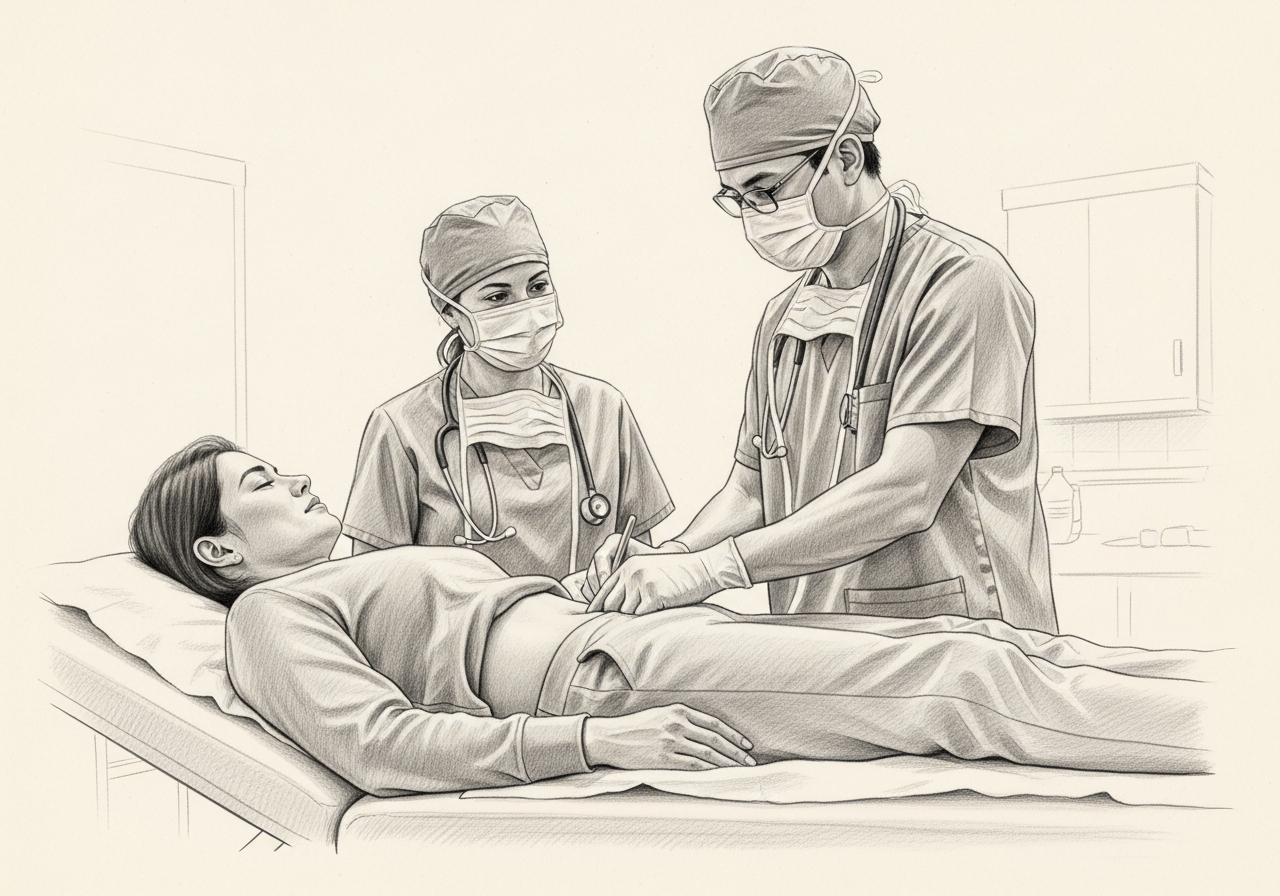
Our New York City team typically diagnoses a cyst through a physical examination, noting features such as a central pore and the cyst's mobility. If a cyst is inflamed, infected, or atypical, the team assesses it and may recommend treating the inflammation before considering removal. Unusual features may prompt further evaluation.
Treatment Options
A small, asymptomatic cyst may simply be monitored. When a cyst is recurrent, enlarging, repeatedly inflamed, or bothersome, surgical excision that removes the cyst along with its lining can reduce the chance of it returning. If a cyst is actively infected, drainage and treatment of the infection may come first, with removal planned later.
What to Expect
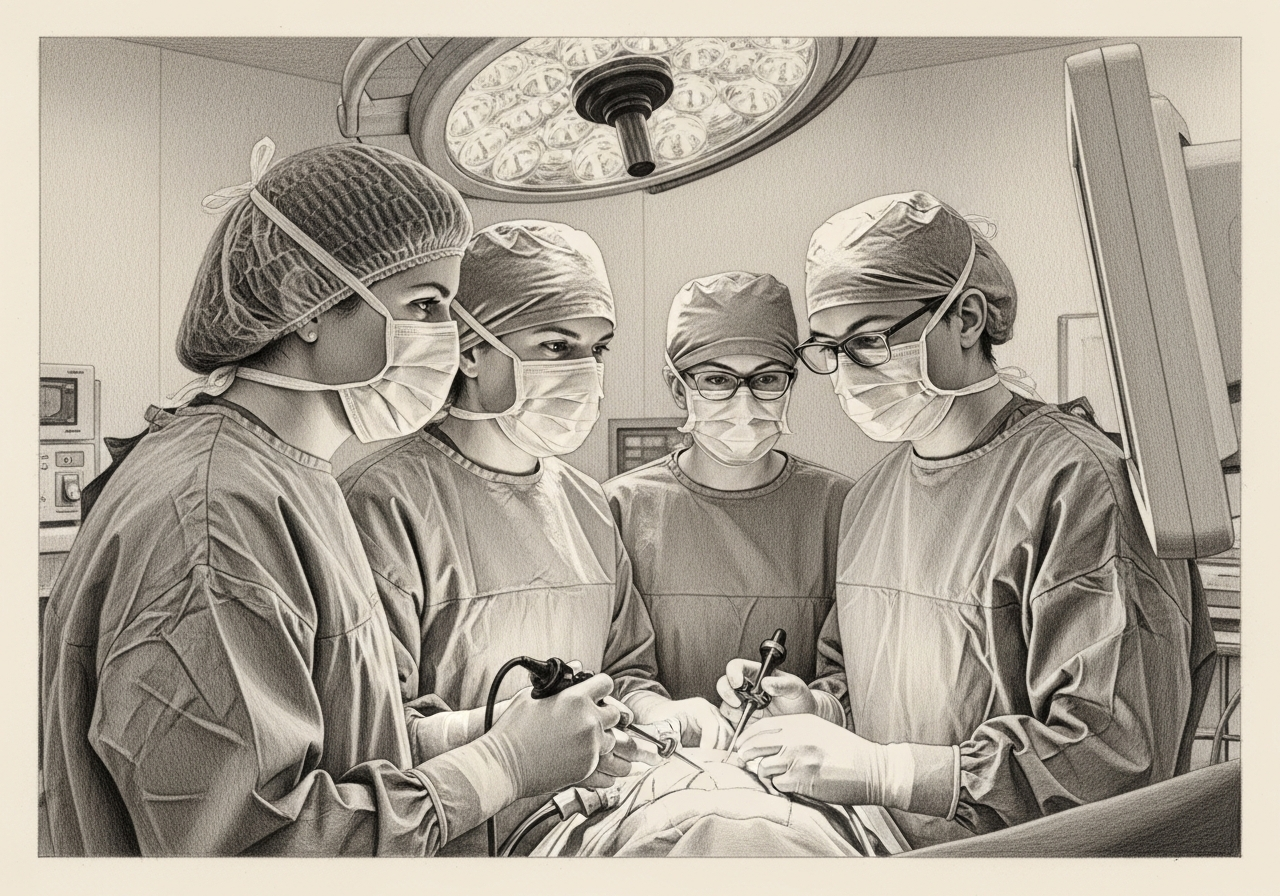
Cyst excision is commonly an outpatient procedure, and wound care guidance is provided afterward. Removing the cyst wall lowers the likelihood of recurrence, though no removal can rule it out entirely. Increasing redness, pain, or drainage may indicate inflammation or infection that should be evaluated.
Specialists who treat sebaceous cyst

Dr. Youssef Mourad
MD
General Surgeon
Dr. Youssef Mourad is a general surgeon who cares for a range of general surgical conditions, including hernias, gallbladder disease, appendicitis, and soft-tissue masses, with experience in minimally invasive approaches.
- Hernia repair (inguinal, umbilical, ventral, and incisional)
- Gallbladder surgery (laparoscopic cholecystectomy)
- Appendectomy
- Lipoma and cyst excision
Not sure who to see? Our patient coordination team can help match you with the right specialist.
(212) 444-8006Frequently Asked Questions
It is best not to, because squeezing a cyst can cause inflammation or infection and tends not to remove the underlying sac. Having it evaluated is a safer approach.
No. Small, painless cysts can often be monitored. Removal is generally considered when a cyst is recurrent, enlarging, inflamed, or bothersome.
Removing the cyst along with its lining reduces the chance of recurrence, although it cannot be fully ruled out. Your care team can discuss what to expect.
Coverage varies by plan and may depend on medical necessity, so we recommend confirming benefits with your insurer. Our team can help you understand the process.
Related Procedures

1 of 2 · Cyst Excision
Related Conditions

1 of 2 · Lipoma
Request a consultation for sebaceous cyst
Schedule an evaluation with our team to review your symptoms and the appropriate next steps.