
Overview
An umbilical hernia happens when tissue protrudes through a weak area of the abdominal wall near the navel. It can appear as a soft bulge at or near the belly button that may be more noticeable when coughing or straining. At Norelle Health in New York City, the care team evaluates umbilical hernias and discusses whether observation or repair is appropriate based on size and symptoms.
Understanding Umbilical Hernias
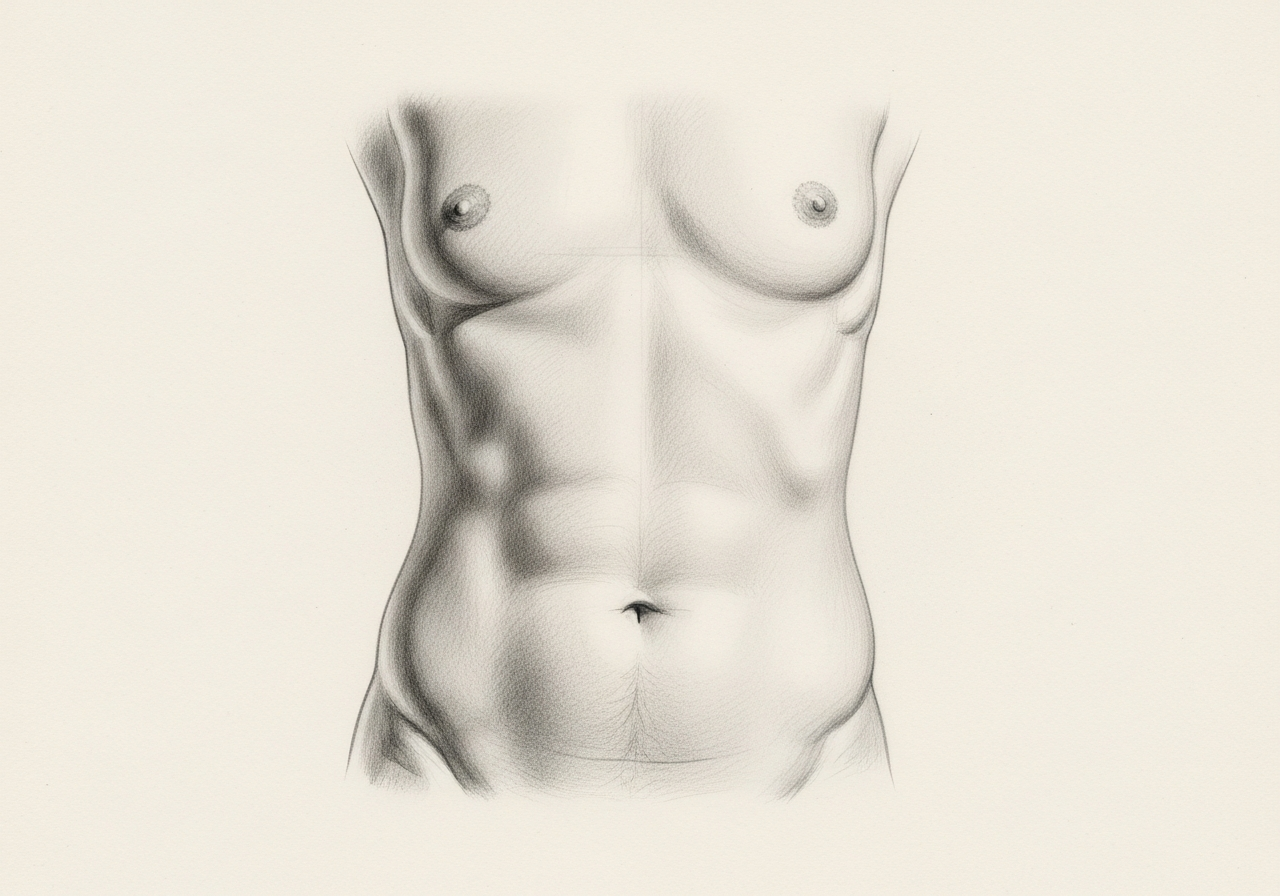
An umbilical hernia occurs when tissue protrudes through a weak spot in the abdominal wall near the navel, where the umbilical cord once passed. This area can remain a natural point of relative weakness throughout life. The result is a soft bulge at or around the belly button that may become more noticeable with coughing, lifting, or straining.
Living with umbilical hernia? The next step is a quiet, unhurried conversation.
Why Umbilical Hernias Develop
Umbilical hernias can be present from birth, and many in infants close on their own during early childhood. In adults, they are often associated with conditions that increase abdominal pressure, such as pregnancy, weight changes, or chronic straining. A persistent or enlarging bulge in an adult usually does not close without treatment.
Evaluation at Norelle Health
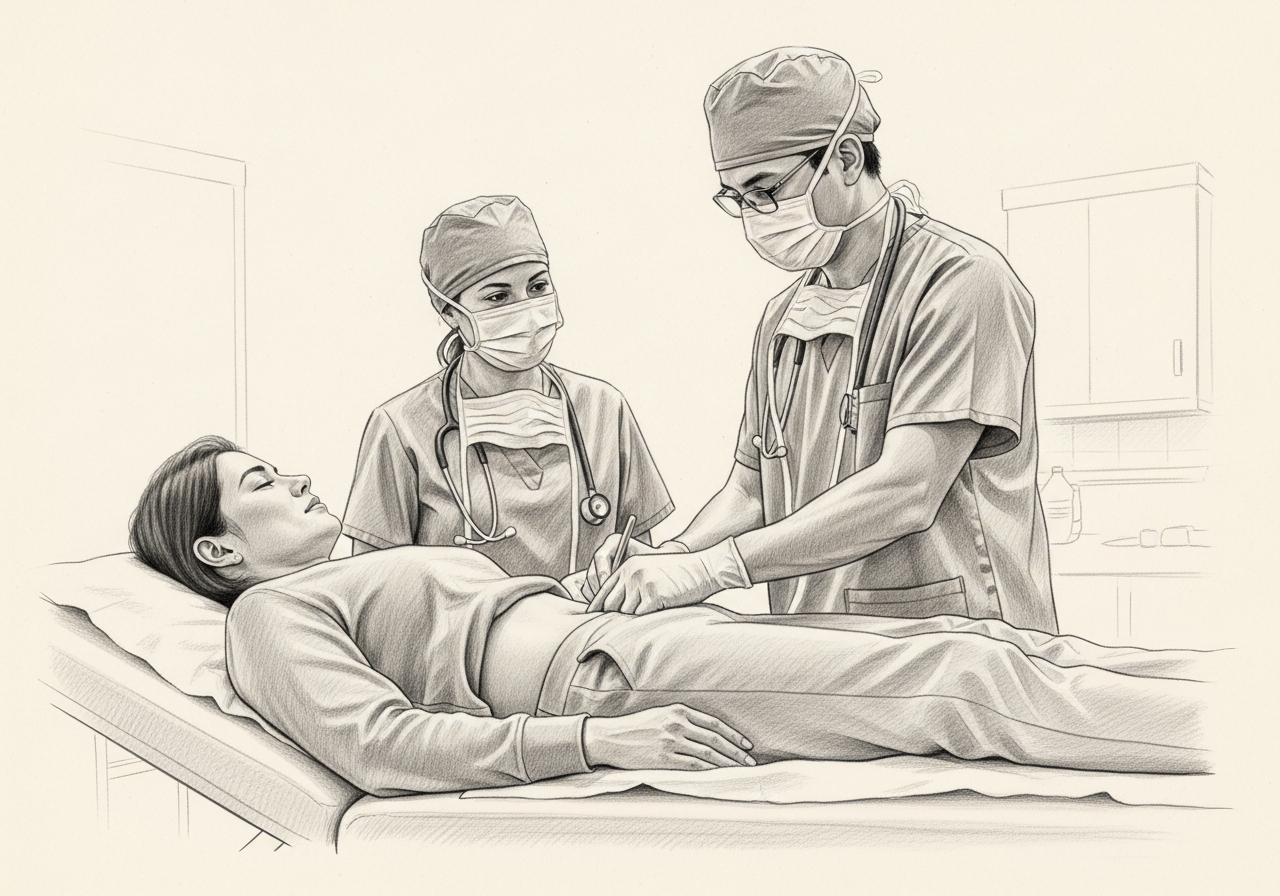
Our New York City care team generally diagnoses an umbilical hernia through a physical examination, sometimes asking you to cough or strain so the bulge is easier to assess. Imaging is not always needed but may be used when the hernia is difficult to feel or when planning is helpful. The team reviews the size of the defect and your symptoms to guide next steps.
Treatment Options
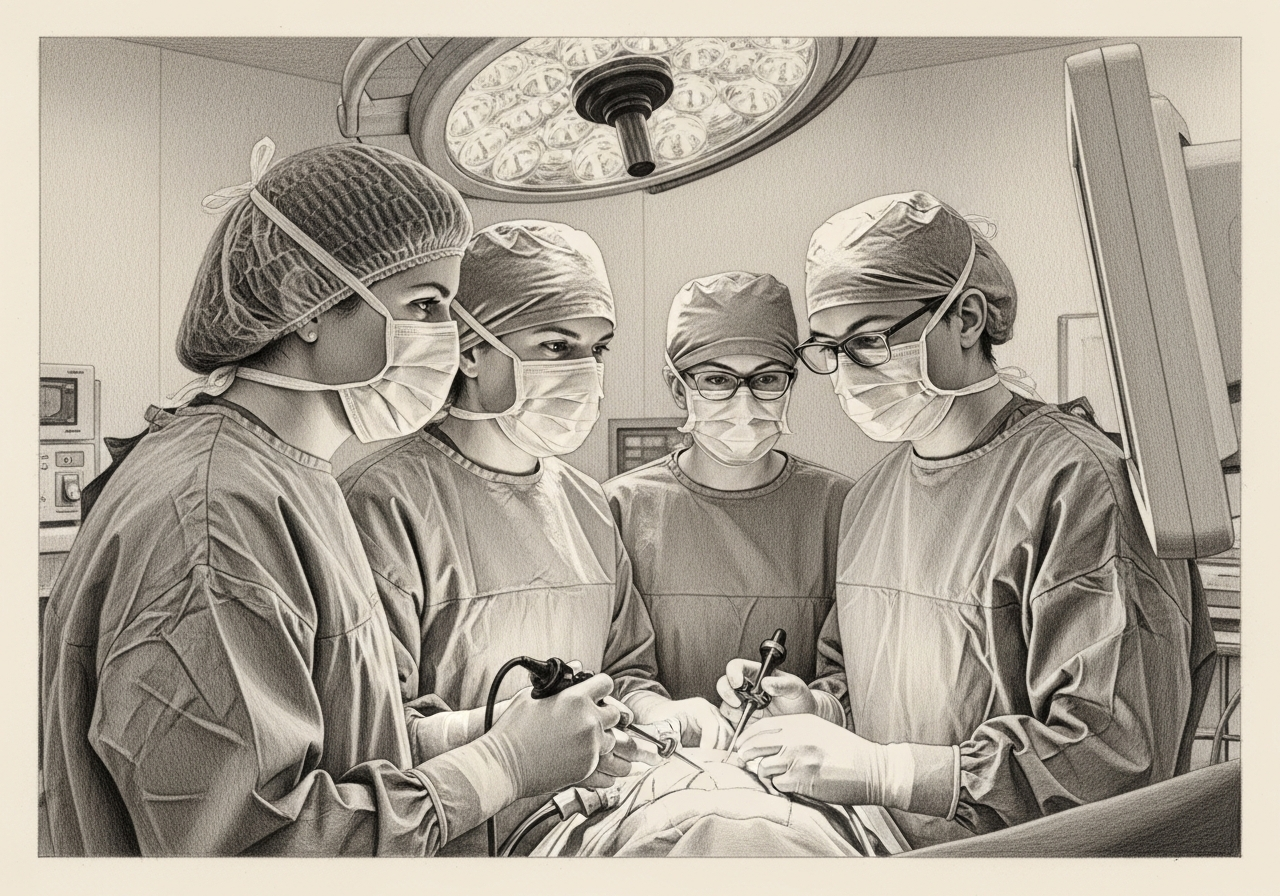
Small, painless umbilical hernias in adults may be monitored, while those that are enlarging, symptomatic, or cosmetically bothersome are often considered for repair. Repair closes or reinforces the weak area, sometimes with mesh, using an open or minimally invasive approach. The recommended approach depends on the size of the hernia and your circumstances.
When to Seek Prompt Care
A hernia that becomes firm, discolored, or severely painful, or that cannot be pushed back in, may indicate that tissue is trapped and needs urgent evaluation. Nausea or vomiting along with these signs warrants immediate care. Knowing these warning signs can help you respond appropriately.
Specialists who treat umbilical hernia

Dr. Youssef Mourad
MD
General Surgeon
Dr. Youssef Mourad is a general surgeon who cares for a range of general surgical conditions, including hernias, gallbladder disease, appendicitis, and soft-tissue masses, with experience in minimally invasive approaches.
- Hernia repair (inguinal, umbilical, ventral, and incisional)
- Gallbladder surgery (laparoscopic cholecystectomy)
- Appendectomy
- Lipoma and cyst excision
Not sure who to see? Our patient coordination team can help match you with the right specialist.
(212) 444-8006Frequently Asked Questions
In infants, many close during early childhood without treatment. In adults, they typically do not resolve on their own and may be repaired when appropriate.
Not always. Small, asymptomatic hernias may be monitored, while repair is often considered for hernias that enlarge or cause symptoms.
Recovery varies by patient and the type of repair, and many people return to routine activities over the following days to weeks. Your care team will provide specific aftercare guidance.
Coverage varies by plan and medical necessity, so we recommend confirming benefits with your insurer. Our team can help you understand the process.
Related Procedures

1 of 2 · Umbilical Hernia Repair

Request a consultation for umbilical hernia
Schedule an evaluation with our team to review your symptoms and the appropriate next steps.