

Overview
A ventral hernia occurs when tissue pushes through a weak area in the front wall of the abdomen. When this happens at the site of a prior surgical incision, it is called an incisional hernia. These hernias can vary in size and may grow over time. At Norelle Health in New York City, the care team evaluates ventral and incisional hernias and discusses repair options suited to the location and size of the defect.
Understanding Ventral and Incisional Hernias
A ventral hernia is a bulge that develops through a weak area in the front wall of the abdomen. When the weakness occurs at the site of a previous surgical incision, it is called an incisional hernia, because a healed scar can be less sturdy than the surrounding tissue. These hernias can vary widely in size and may gradually enlarge over time.
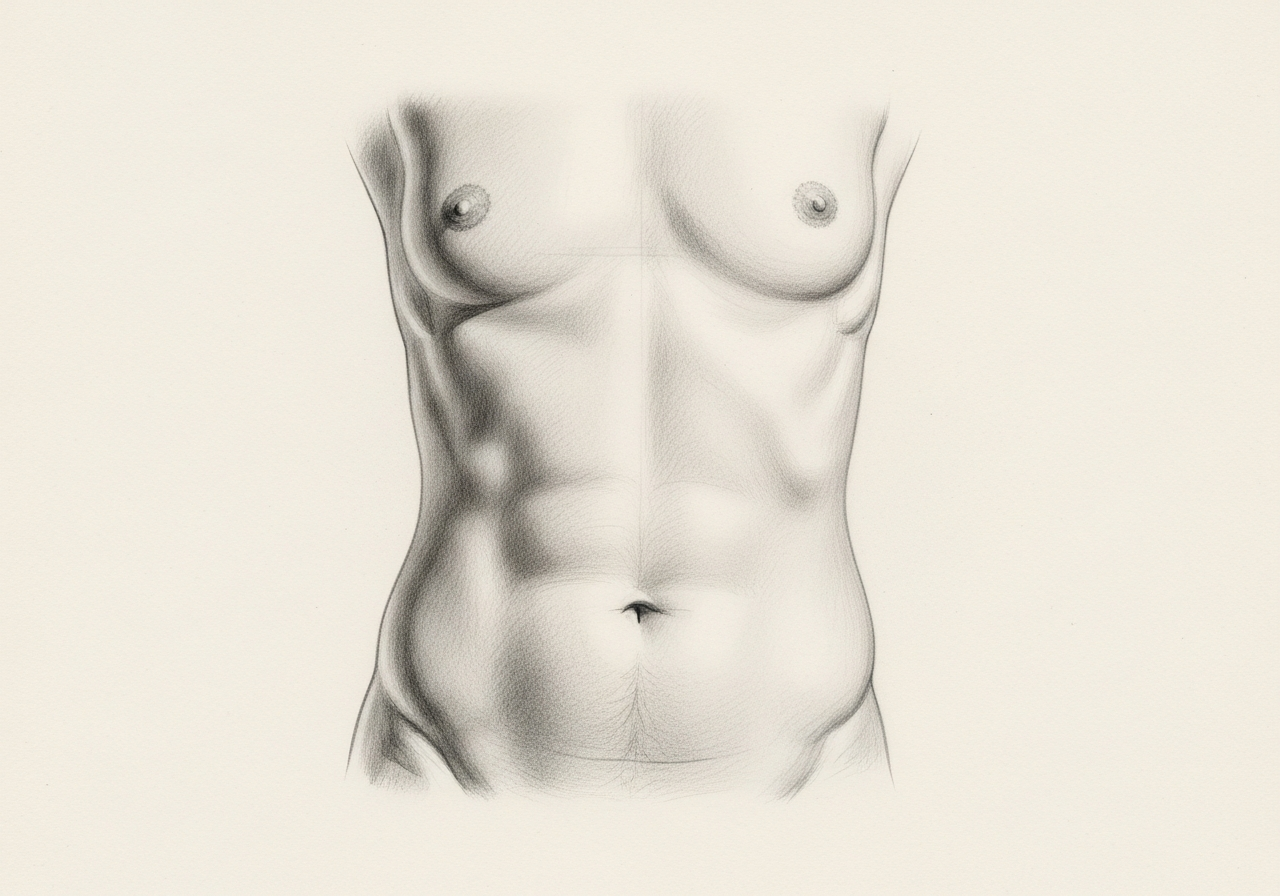
Living with ventral and incisional hernia? The next step is a quiet, unhurried conversation.
Why They Develop
Incisional hernias can follow abdominal surgery when an incision does not fully regain its original strength, and the likelihood may be higher with wound infection, obesity, smoking, or activities that strain the healing area. Ventral hernias that are not at an incision can arise from inherent weak points in the abdominal wall. Factors that raise abdominal pressure can contribute to both their development and their growth.
Evaluation at Norelle Health
Our New York City team evaluates ventral and incisional hernias with a physical examination and a review of any prior surgeries. Imaging such as CT is more often used for these hernias, since it can map the size and location of the defect and the tissue involved. This information helps the team plan an approach suited to the individual.
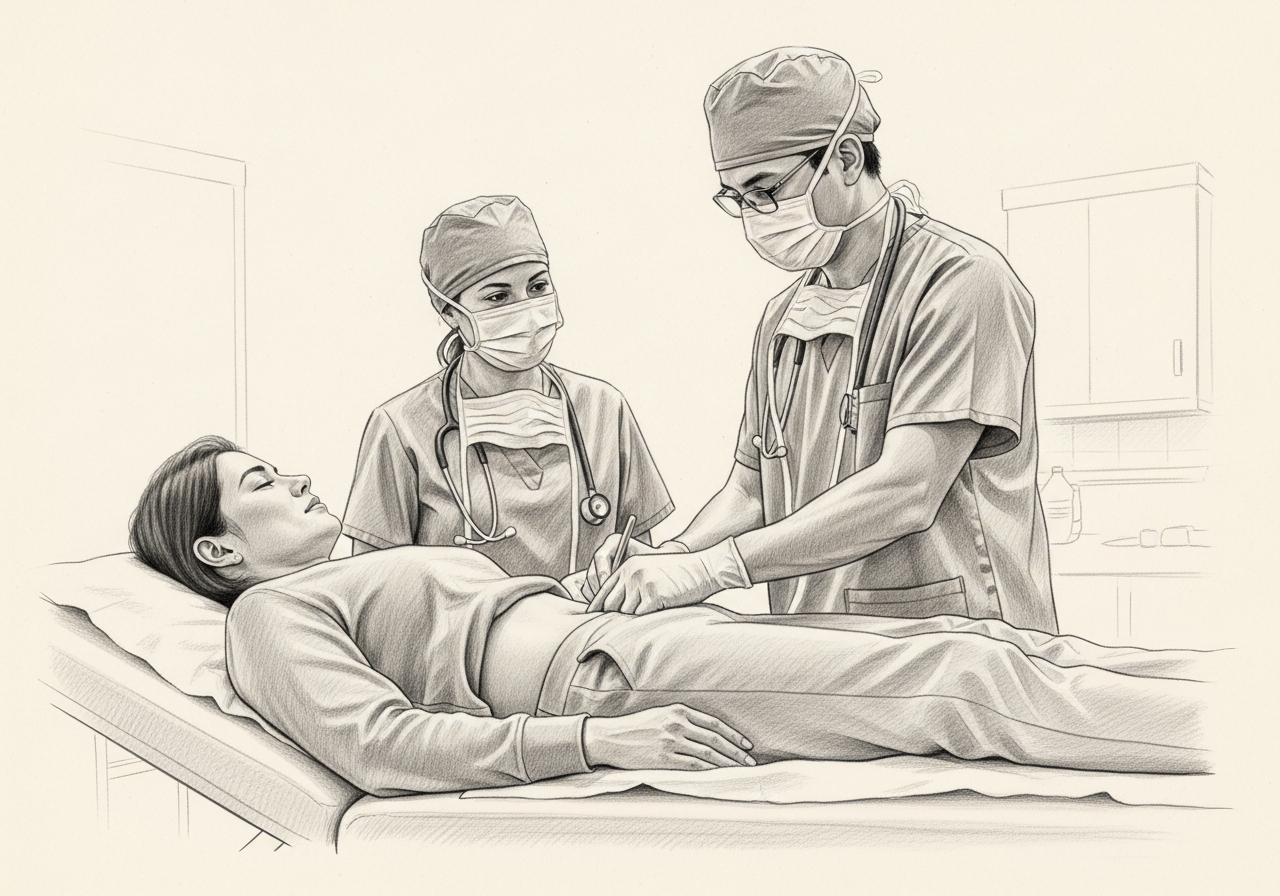
Treatment Options
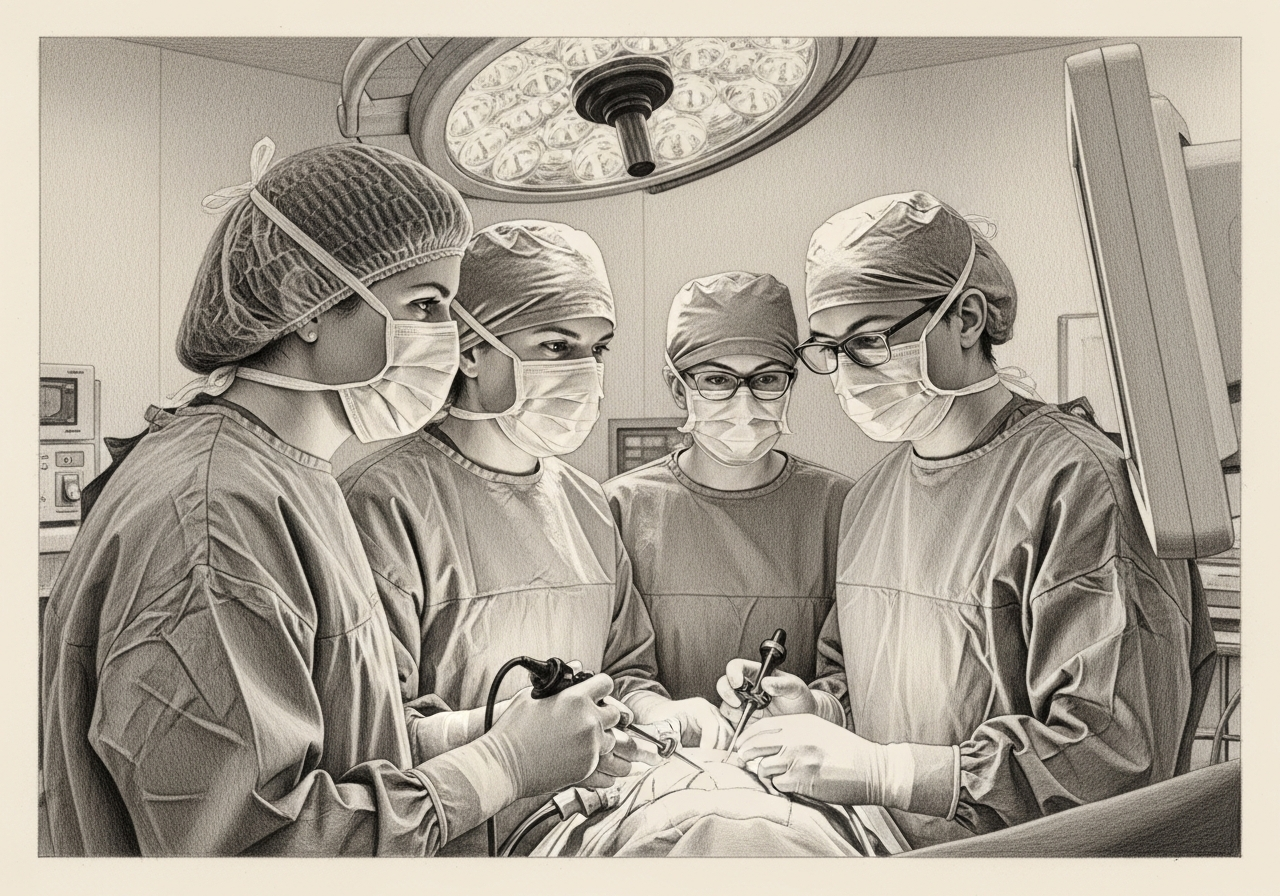
Repair returns the tissue to its proper place and reinforces the abdominal wall, frequently with mesh, using a laparoscopic or open technique. Larger or more complex defects may require more extensive reconstruction of the abdominal wall. The recommended plan is based on the size and location of the hernia and your overall health.
What to Expect
Recovery depends on the complexity of the repair and tends to be longer for larger defects. A hernia that becomes acutely painful, firm, or impossible to push back in may signal trapped tissue and should be evaluated promptly. The care team provides individualized activity and aftercare guidance to support healing.
Specialists who treat ventral and incisional hernia
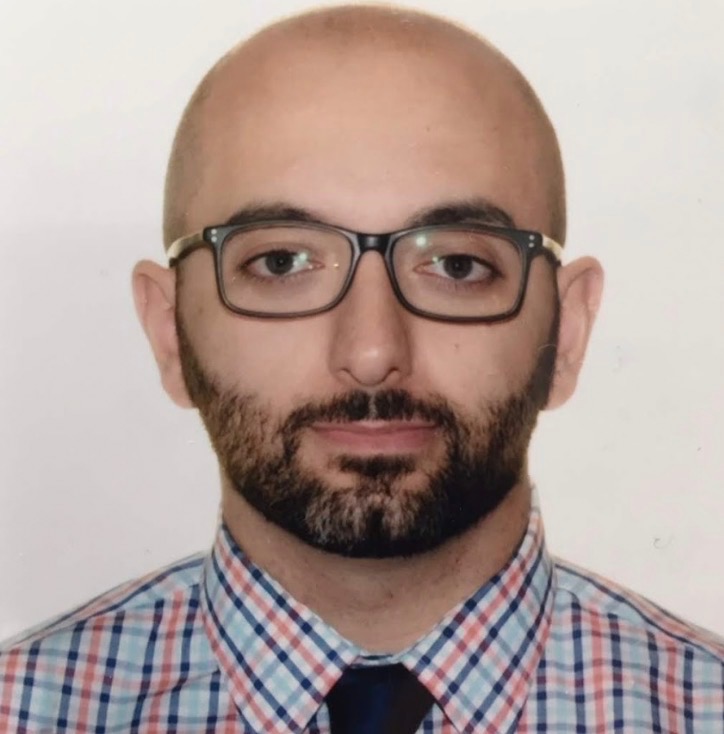
Dr. Youssef Mourad
MD
General Surgeon
Dr. Youssef Mourad is a general surgeon who cares for a range of general surgical conditions, including hernias, gallbladder disease, appendicitis, and soft-tissue masses, with experience in minimally invasive approaches.
- Hernia repair (inguinal, umbilical, ventral, and incisional)
- Gallbladder surgery (laparoscopic cholecystectomy)
- Appendectomy
- Lipoma and cyst excision
Not sure who to see? Our patient coordination team can help match you with the right specialist.
(212) 444-8006Frequently Asked Questions
Healed incisions can be weaker than the surrounding tissue, and factors such as infection, strain, or certain health conditions may contribute. An incisional hernia reflects a gap or weakness at that site rather than a problem with the original surgery alone.
Mesh is commonly used to reinforce the repair and reduce the chance of recurrence, though the decision depends on the size and type of hernia. Your surgeon can explain whether mesh is recommended in your case.
Recovery varies with the size of the repair and can be longer for larger or more complex hernias. Your care team will provide specific guidance for activity and healing.
Coverage varies by plan and medical necessity. We recommend confirming benefits with your insurer, and our team can help you navigate the process.
Related Procedures

1 of 2 · Ventral and Incisional Hernia Repair

Request a consultation for ventral and incisional hernia
Schedule an evaluation with our team to review your symptoms and the appropriate next steps.