

About the Procedure
Anti-reflux surgery, often performed as a fundoplication, reinforces the barrier between the stomach and esophagus to reduce the backflow of stomach acid. It may be considered for GERD that persists despite medical management or that is associated with a hiatal hernia. At Norelle Health in New York City, the care team reviews testing and symptoms to determine whether surgery is appropriate.
What Anti-Reflux Surgery Involves
Anti-reflux surgery, most often a fundoplication, reinforces the barrier between the stomach and esophagus to reduce the backflow of stomach acid. The upper part of the stomach is wrapped around the lower esophagus to strengthen this valve. When a hiatal hernia is present, it is usually repaired at the same time.
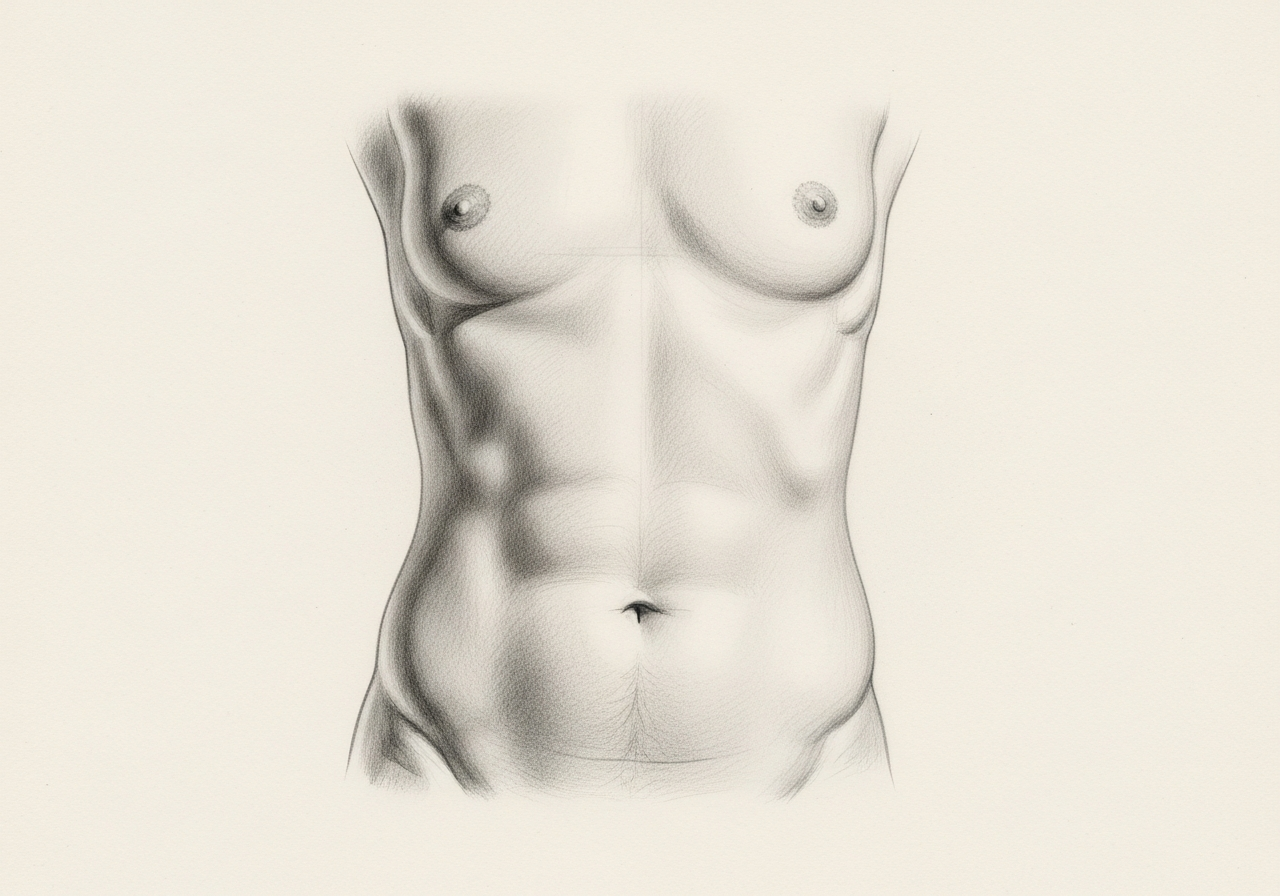
Considering anti-reflux surgery (fundoplication)? The next step is a quiet, unhurried conversation.
Who Is a Candidate
This surgery may be considered for people whose gastroesophageal reflux disease persists despite medical therapy, who prefer not to continue long-term medication, or who have complications related to reflux. At Norelle Health in New York City, the surgeon reviews symptoms and testing to determine whether surgery is appropriate. Candidacy depends on the individual's anatomy and overall health.
How the Procedure Is Performed
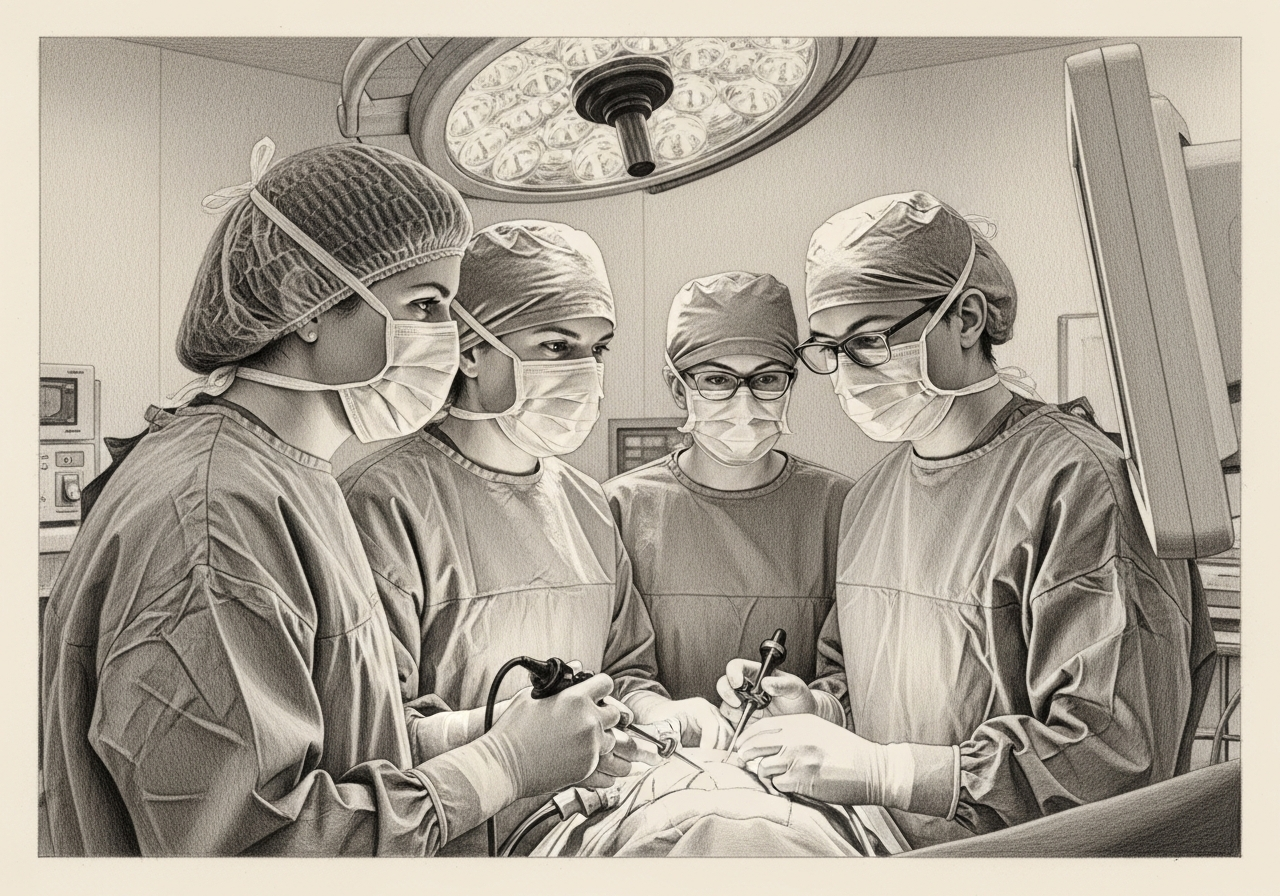
Fundoplication is commonly performed using a laparoscopic, minimally invasive approach with several small incisions. The surgeon repairs any hiatal hernia and creates the wrap that reinforces the lower esophagus. The specific technique is tailored to the patient's anatomy and reviewed in advance.
Recovery and Outlook
Recovery usually includes a staged diet that begins with liquids and softer foods while healing occurs. Many people experience improvement in reflux symptoms, though results vary and some may still need occasional medication. The care team provides individualized aftercare instructions and follow-up.

Specialists who perform anti-reflux surgery (fundoplication)
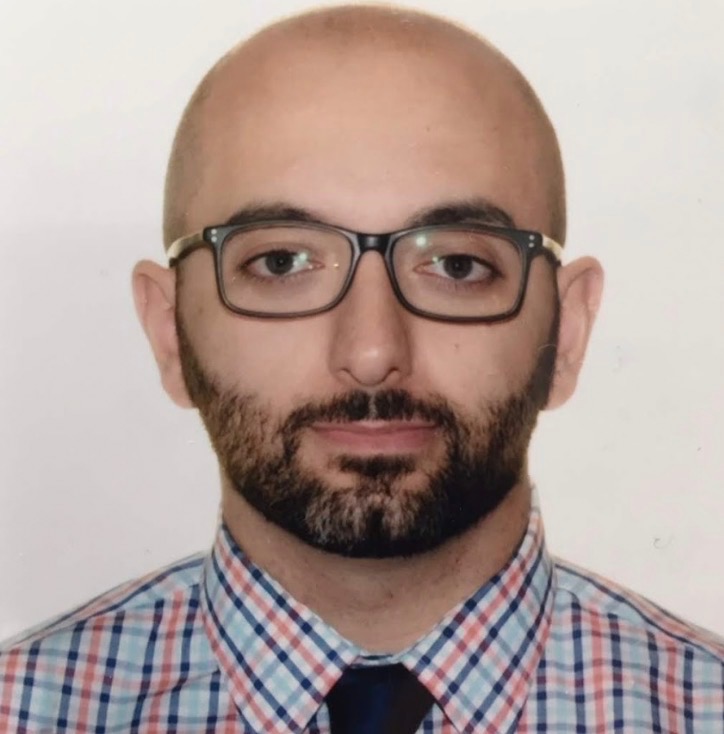
Dr. Youssef Mourad
MD
General Surgeon
Dr. Youssef Mourad is a general surgeon who cares for a range of general surgical conditions, including hernias, gallbladder disease, appendicitis, and soft-tissue masses, with experience in minimally invasive approaches.
- Hernia repair (inguinal, umbilical, ventral, and incisional)
- Gallbladder surgery (laparoscopic cholecystectomy)
- Appendectomy
- Lipoma and cyst excision
Not sure who to see? Our patient coordination team can help match you with the right specialist.
(212) 444-8006Frequently Asked Questions
Many people experience improved symptoms and reduced reliance on medication, but results vary and some may still need it occasionally. Your surgeon will discuss realistic expectations with you.
It is commonly performed using a laparoscopic, minimally invasive approach with small incisions, though the technique is tailored to each patient's anatomy.
Recovery typically includes a staged diet during healing along with individualized activity guidance. Recovery time varies from person to person.
Coverage varies by plan and medical necessity. We recommend confirming your benefits with your insurer, and our team can help you understand the process.
Related Conditions

1 of 1 · Gastroesophageal Reflux Disease (GERD)
Related Procedures

1 of 1 · Laparoscopic Cholecystectomy
Request a consultation about anti-reflux surgery (fundoplication)
Schedule a consultation with our team to discuss whether this procedure is the right option for you.