

About the Procedure
Hemorrhoidectomy is the surgical removal of hemorrhoids, generally considered when symptoms such as bleeding, discomfort, or prolapse have not improved with conservative measures. At Norelle Health in New York City, the care team evaluates the severity of symptoms and discusses whether a procedural or surgical treatment is appropriate.
What Hemorrhoidectomy Involves
Hemorrhoidectomy is the surgical removal of internal or external hemorrhoids that cause ongoing symptoms. It is generally reserved for hemorrhoids that are large, prolapsing, or repeatedly bleeding and have not responded to dietary changes, topical treatments, or office-based procedures. The goal is to relieve symptoms such as bleeding, discomfort, and prolapse.

Considering hemorrhoidectomy? The next step is a quiet, unhurried conversation.
Who Is a Candidate
Surgery may be considered when conservative care and less invasive options have not provided lasting relief, or when hemorrhoids are advanced. During the consultation at Norelle Health in New York City, the surgeon reviews symptoms, examines the area, and discusses whether a surgical or office-based approach is most appropriate. Other causes of rectal bleeding are considered before surgery is planned.
How the Procedure Is Performed
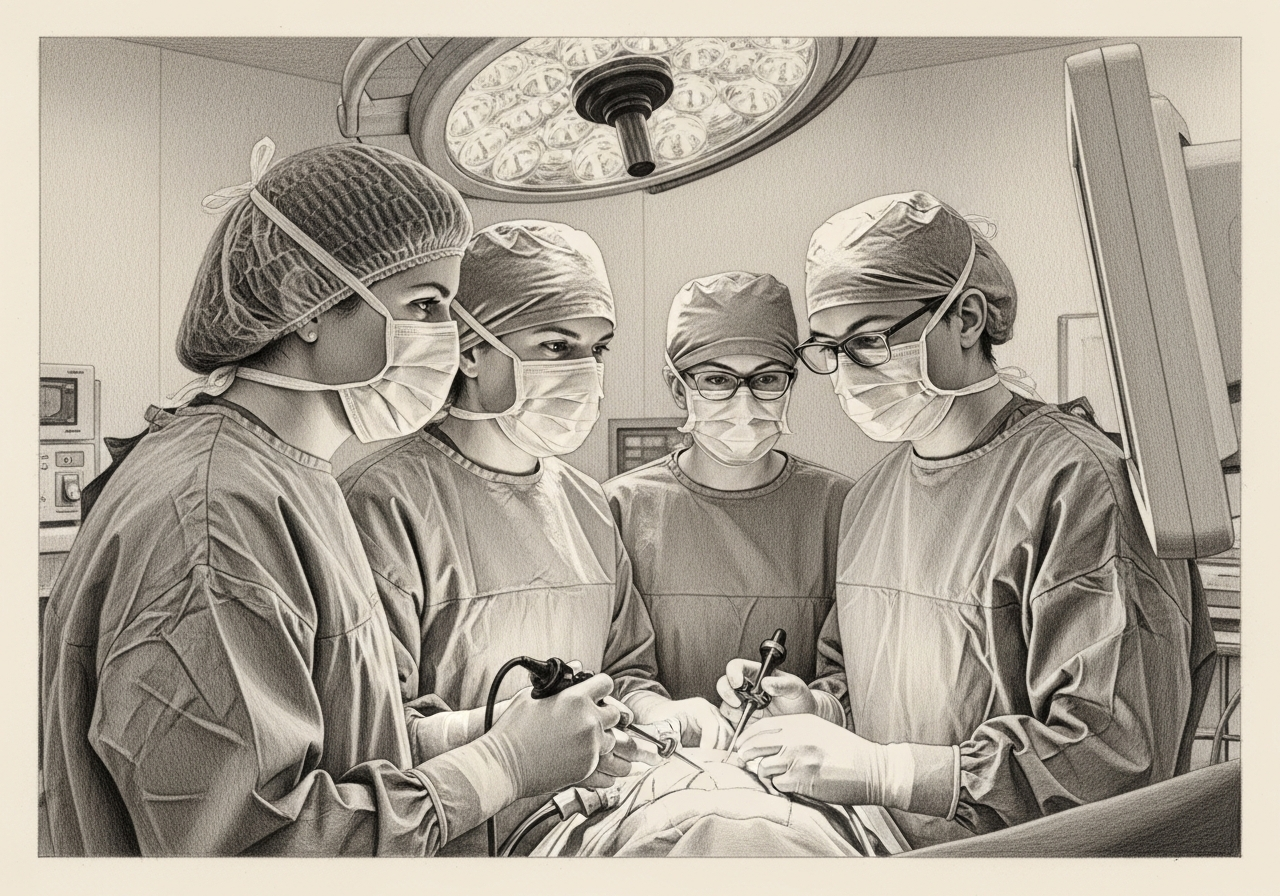
Hemorrhoidectomy is typically performed under anesthesia, and the surgeon removes the affected tissue while preserving the surrounding structures. Several techniques exist, and the choice depends on the type and extent of the hemorrhoids. The surgeon reviews the planned approach and what to expect beforehand.
Recovery and Outlook
Some discomfort during healing is common, and the care team provides guidance on pain management, fiber and fluid intake, and activity. Most people gradually return to their normal routines, though recovery time varies. Maintaining good bowel habits may help reduce the chance of recurrence.

Specialists who perform hemorrhoidectomy

Dr. Youssef Mourad
MD
General Surgeon
Dr. Youssef Mourad is a general surgeon who cares for a range of general surgical conditions, including hernias, gallbladder disease, appendicitis, and soft-tissue masses, with experience in minimally invasive approaches.
- Hernia repair (inguinal, umbilical, ventral, and incisional)
- Gallbladder surgery (laparoscopic cholecystectomy)
- Appendectomy
- Lipoma and cyst excision
Not sure who to see? Our patient coordination team can help match you with the right specialist.
(212) 444-8006Frequently Asked Questions
Many people improve with dietary changes, topical treatments, or office-based procedures. Surgery is generally considered only when these measures have not provided lasting relief or when hemorrhoids are advanced.
Some discomfort during recovery is common, and the care team provides a plan to manage pain and support healing. The amount of discomfort varies from person to person.
Recovery time varies by individual and by the technique used. The care team gives specific guidance on activity, diet, and follow-up.
Coverage varies by plan and medical necessity. We recommend confirming your benefits with your insurer, and our team can help explain the process.
Related Conditions

1 of 1 · Hemorrhoids
Related Procedures

1 of 2 · Lipoma Excision
Request a consultation about hemorrhoidectomy
Schedule a consultation with our team to discuss whether this procedure is the right option for you.