

About the Procedure
Laparoscopic cholecystectomy removes the gallbladder through several small incisions using a camera and specialized instruments. It is commonly performed for gallstones that cause pain, inflammation, or other symptoms. At Norelle Health in New York City, the care team evaluates gallbladder disease and discusses whether removal is appropriate.
What the Procedure Involves
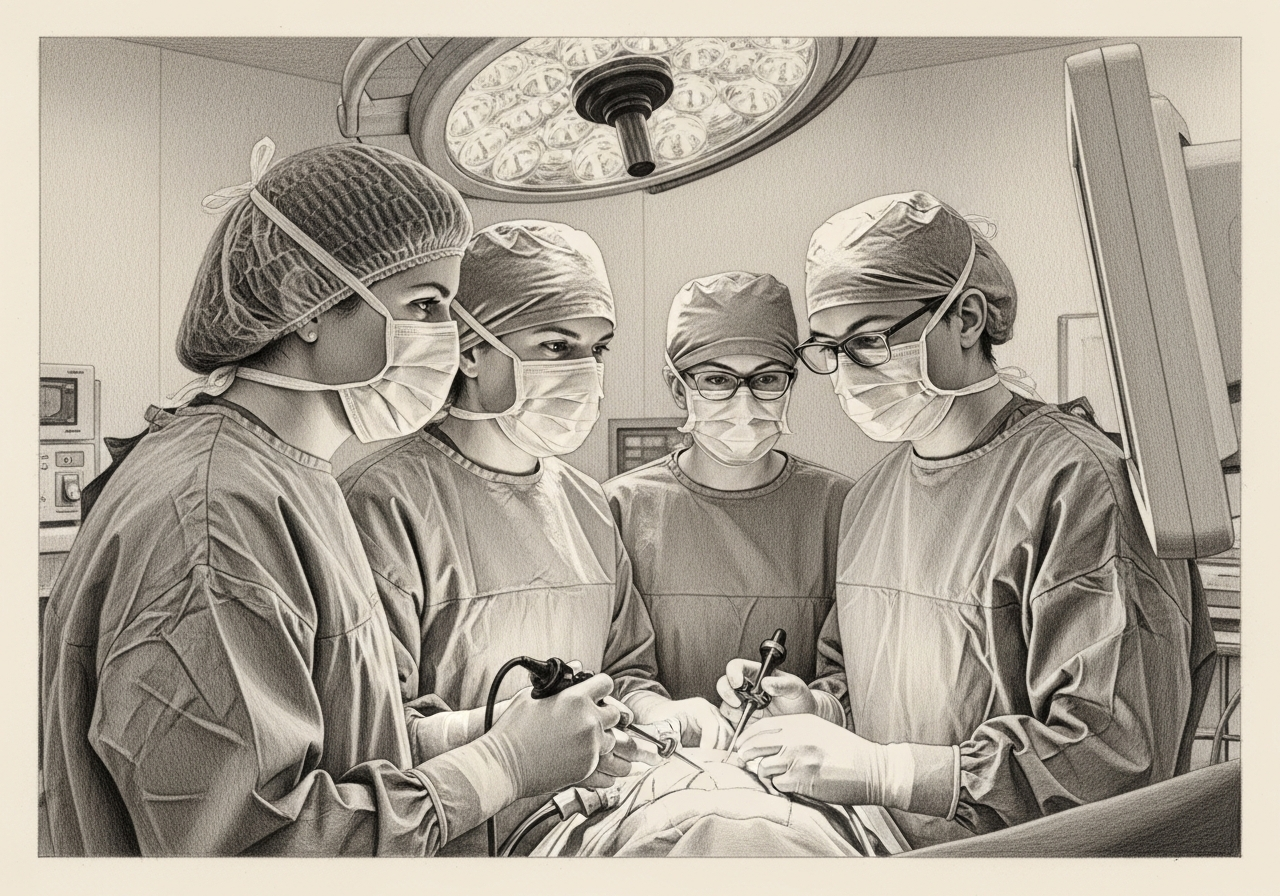
Laparoscopic cholecystectomy is the minimally invasive removal of the gallbladder through several small incisions in the abdomen. A camera and specialized instruments allow the surgical team to detach and remove the gallbladder while viewing the area on a monitor. It is one of the common ways to treat gallstones that cause symptoms.
Considering laparoscopic cholecystectomy? The next step is a quiet, unhurried conversation.
Who May Be a Candidate
Gallbladder removal may be appropriate for people with symptomatic gallstones or related gallbladder conditions, such as inflammation. The decision follows an evaluation that may include an ultrasound and a review of symptoms. An open approach is sometimes needed when anatomy or inflammation makes the minimally invasive route less suitable.
How It Is Performed
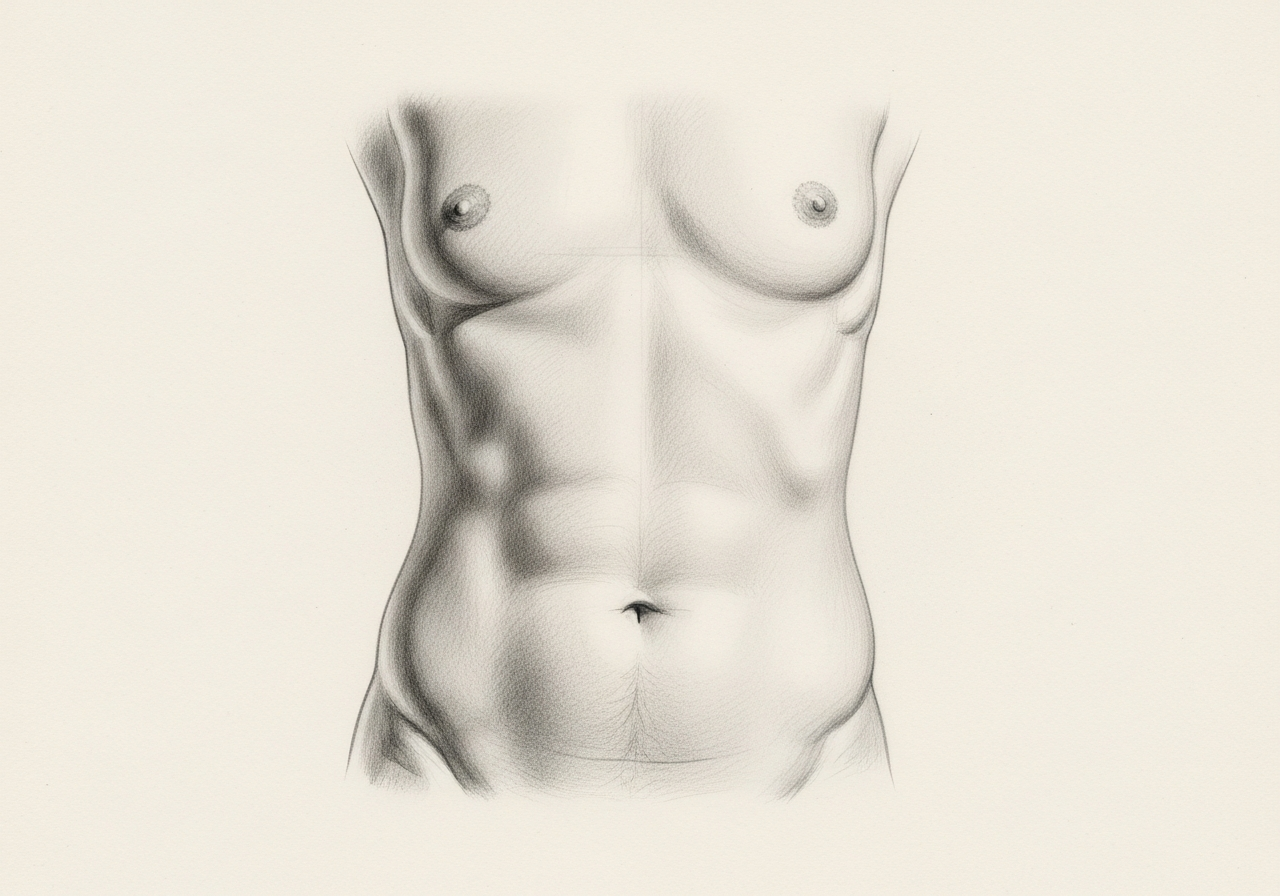
After anesthesia, the surgical team makes small incisions, inserts the camera and instruments, and carefully separates the gallbladder from the liver and bile duct before removing it. Imaging of the bile ducts may be performed during surgery when needed. The small incisions are then closed.
Recovery and Outlook
Many people return home the same day or after a short stay and resume routine activities over the following days to weeks. The body continues to digest food without the gallbladder, though some people notice temporary changes in digestion. The care team provides individualized aftercare guidance.
Specialists who perform laparoscopic cholecystectomy

Dr. Youssef Mourad
MD
General Surgeon
Dr. Youssef Mourad is a general surgeon who cares for a range of general surgical conditions, including hernias, gallbladder disease, appendicitis, and soft-tissue masses, with experience in minimally invasive approaches.
- Hernia repair (inguinal, umbilical, ventral, and incisional)
- Gallbladder surgery (laparoscopic cholecystectomy)
- Appendectomy
- Lipoma and cyst excision
Not sure who to see? Our patient coordination team can help match you with the right specialist.
(212) 444-8006Frequently Asked Questions
Yes. The gallbladder is not essential for digestion, and most people eat normally afterward, though some experience temporary digestive changes.
Many people resume light activity within days, with heavier activity delayed for a couple of weeks. Your care team will provide specific guidance.
Most gallbladder removals are performed laparoscopically, but an open approach is sometimes needed based on anatomy or inflammation. Your surgeon will discuss the plan.
Coverage varies by plan and medical necessity. We recommend confirming benefits with your insurer, and our team can help you understand the process.
Related Conditions

1 of 2 · Gallstones
Related Procedures

1 of 2 · Anti-Reflux Surgery (Fundoplication)
Request a consultation about laparoscopic cholecystectomy
Schedule a consultation with our team to discuss whether this procedure is the right option for you.