About the Procedure
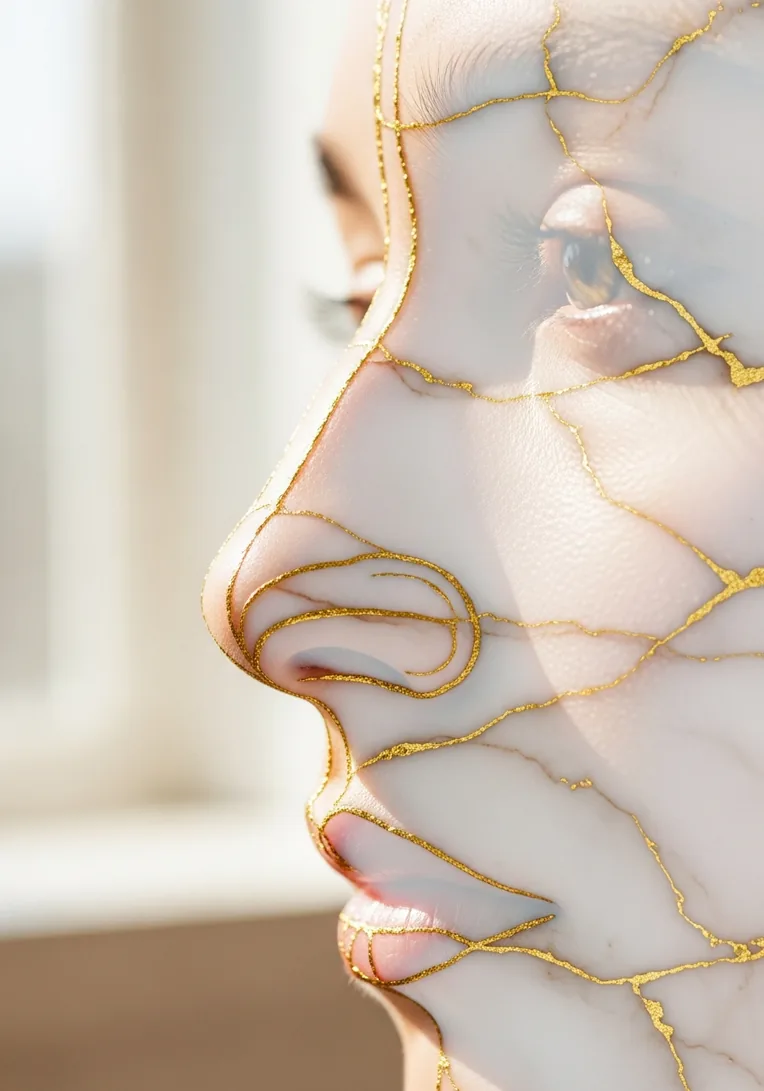
Revision rhinoplasty, also called secondary rhinoplasty, is surgery on a nose that has already had one or more operations. People seek it when breathing problems persist, when the appearance did not meet their goals, or when changes have developed as the nose healed over time.
Revision cases are often more complex than a first rhinoplasty because scar tissue is present, normal landmarks may be altered, and cartilage may have been removed. Rebuilding support frequently requires grafting, sometimes using cartilage from the septum, ear, or rib.
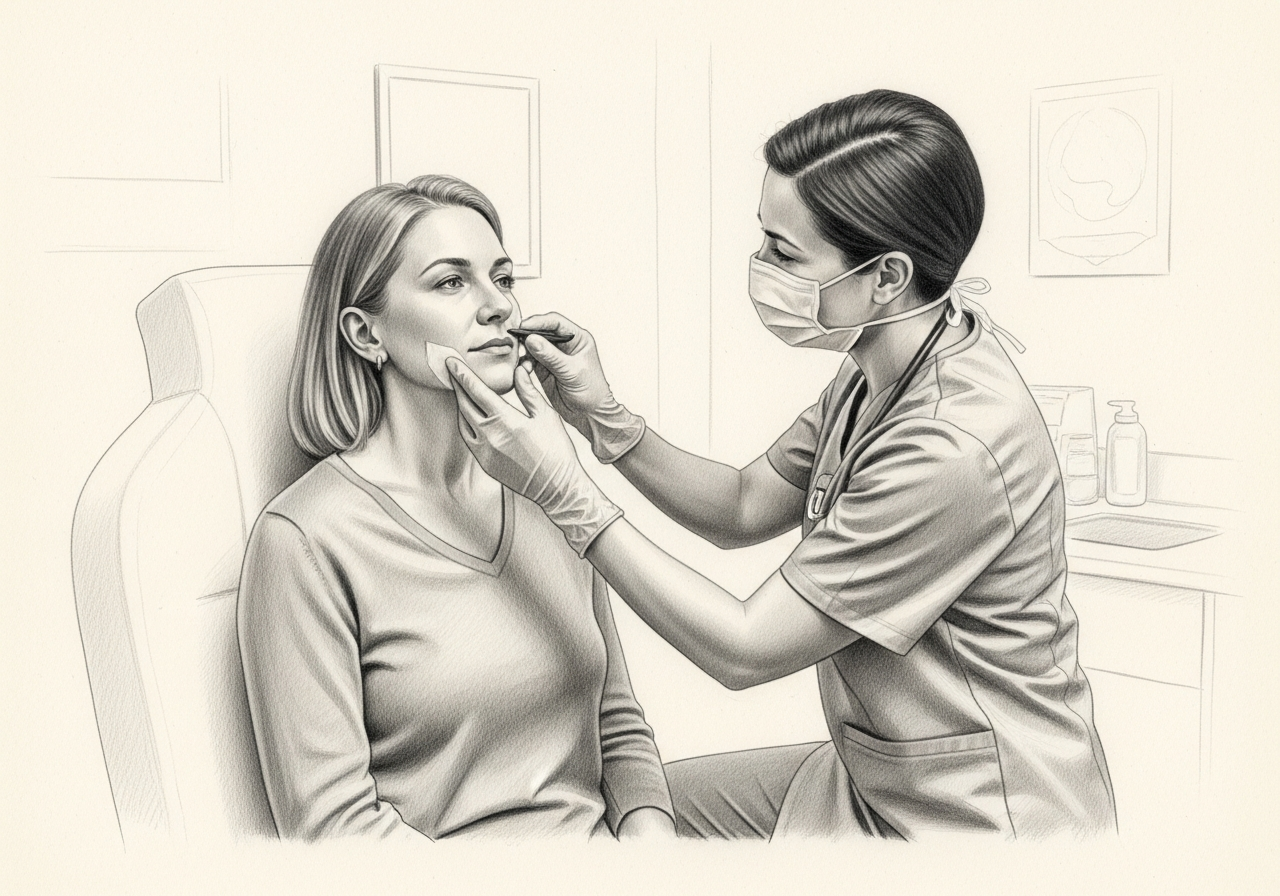
At Norelle ENT, revision rhinoplasty begins with a careful assessment of both breathing and appearance, review of prior operative records when available, and an honest discussion of what revision surgery can and cannot change.
Who may be a candidate
Revision rhinoplasty may be appropriate when breathing difficulty or appearance concerns persist or develop after a prior nose operation, the tissues have fully healed, and goals are realistic. Candidacy depends on the specific problem, the amount and quality of remaining cartilage and lining, scarring, skin thickness, and overall health.
Because swelling and internal healing continue for many months after the first surgery, revision is generally delayed until the nose has stabilized, often about a year. The right timing and approach are determined after an in-person evaluation.
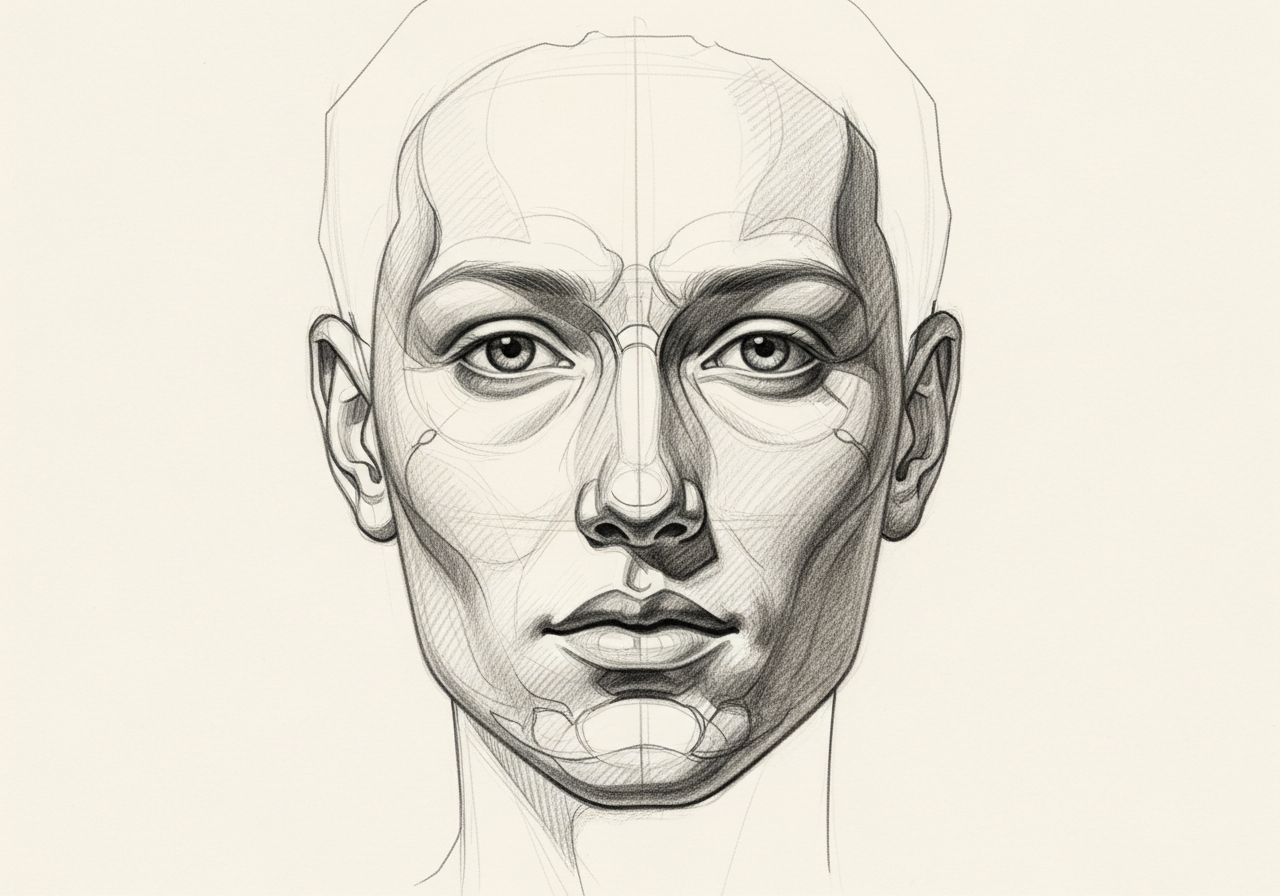
Considering revision rhinoplasty? The next step is a quiet, unhurried conversation.
How it is performed
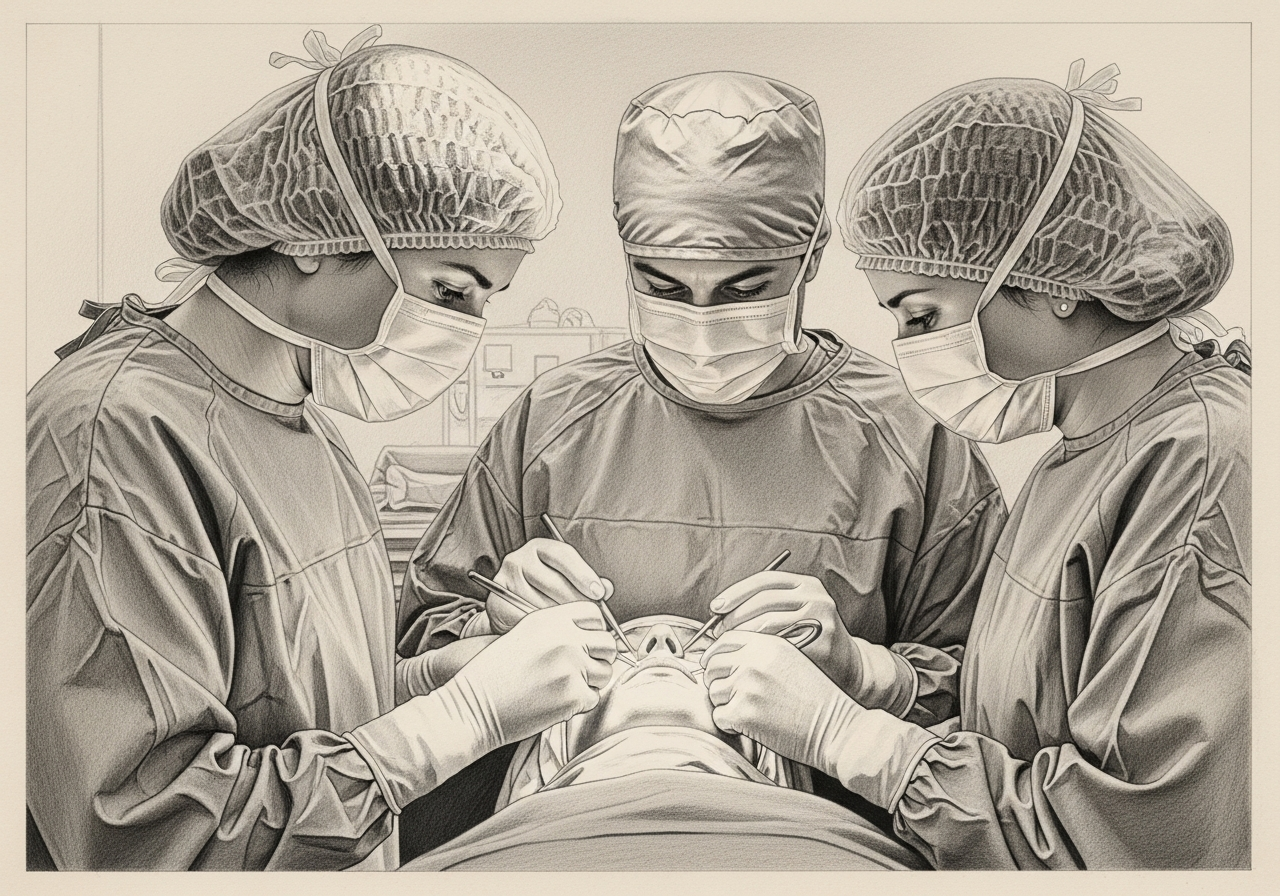
Revision rhinoplasty can be performed through a closed (endonasal) or open approach, depending on what needs to be corrected. The surgeon works through scar tissue to reshape or rebuild the bridge, tip, or internal support.
Rebuilding support frequently requires grafting. When septal cartilage is limited from prior surgery, cartilage may be taken from the ear or rib. The goal is a nose that looks natural and breathes well, with structural support that holds over time.
Recovery and aftercare
Recovery resembles a first rhinoplasty, with a splint on the nose for about a week and swelling, bruising, and congestion that ease over the following weeks. Swelling can take longer to resolve in revision cases because of prior scarring.
If cartilage is harvested from the ear or rib, that site also needs healing time. Strenuous activity is limited for a period, and the final refined shape continues to settle over many months to a year or more.
Risks and alternatives
Possible risks include bleeding, infection, swelling, asymmetry, persistent or new breathing difficulty, contour irregularities, graft-related issues, and the possibility that further revision is needed. Healing in scarred tissue can be less predictable.
Alternatives depend on the concern and may include nonsurgical options for minor irregularities, focused functional procedures such as nasal valve repair, or continuing to wait while the nose finishes healing. The most appropriate option is decided after evaluation.
Results and follow-up
The aim of revision rhinoplasty is to improve a specific functional or aesthetic problem rather than to create a perfect nose. Realistic expectations are important, because scarred tissue and prior changes set limits on what can be achieved.
Follow-up visits monitor healing, breathing, and the gradual refinement of shape. Because revision results evolve slowly, patience through the first year is part of the process.
Clinical references
Medical review
This page is a patient-education resource reviewed by the responsible Norelle ENT clinician before publication. It does not replace an in-person evaluation. If symptoms are severe or rapidly worsening, seek immediate medical care.
Specialists who perform revision rhinoplasty
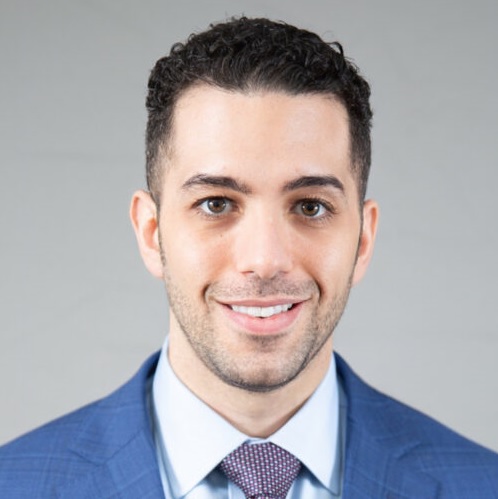
Dr. Moustafa Mourad
MD, FACS
Double Board-Certified Head & Neck and Facial Plastic & Reconstructive Surgeon
Dr. Moustafa Mourad is a double board-certified head and neck and facial plastic and reconstructive surgeon who cares for the full range of cosmetic and complex conditions affecting the face, head, and neck.
- Facial plastic and reconstructive surgery
- Head and neck cancer surgery
- Microvascular free-flap reconstruction
- Facial trauma and reconstruction
Also caring for this area


Not sure who to see? Our patient coordination team can help match you with the right specialist.
(212) 444-8006Norelle Academic Work
Research by Our Physicians
Selected scholarly work related to this topic.

Interventions to Decrease Postoperative Edema and Ecchymosis After Rhinoplasty: A Systematic Review of the Literature
Plastic and Reconstructive Surgery
Skin necrosis following rhinoplasty: A review and proposed strategy on identifying high risk patients
Facial Plastic Surgery

RealSelf Social Media Analysis of Rhinoplasty Patient Reviews
Journal of Plastic, Reconstructive & Aesthetic Surgery
Characterization of Medical Malpractice Litigation After Rhinoplasty in the United States
Aesthetic Surgery Journal
Complications Secondary to Nonsurgical Rhinoplasty: A Systematic Review and Meta-analysis
Otolaryngology–Head and Neck Surgery
Surgical Adjuncts to Rhinoplasty: An Algorithmic Approach
Aesthetic Plastic Surgery
Citation details link to the original PubMed, DOI, journal, or publisher record.
Explore all Norelle research on this topicFrequently Asked Questions
Revision surgery works through scar tissue and altered anatomy, and supportive cartilage may already have been removed. This makes the surgery more complex and often requires grafting to rebuild structure.
Most surgeons advise waiting until the nose has fully healed and stabilized, often about a year after the previous operation, because swelling and internal changes continue for many months.
Rebuilding support frequently requires grafting. When septal cartilage is limited from prior surgery, cartilage may be taken from the ear or rib to restore shape and support.
Yes. Many patients have both functional and aesthetic concerns, and these are evaluated together because the nose's structure affects both how it looks and how it breathes.
A closed approach uses incisions inside the nose. An open approach adds a small incision across the columella, the strip of skin between the nostrils, which usually heals to a discreet line.
Expect a splint for about a week, with swelling, bruising, and congestion that improve over several weeks. Subtle swelling, especially at the tip, continues to settle over many months.
No surgery can guarantee a specific outcome. Revision aims to improve a defined problem, and scarred tissue places limits on what can be achieved. Realistic expectations are discussed before surgery.
Bring prior operative reports, before-and-after photos, and a clear description of what bothers you about your breathing or appearance. These records help focus the plan.
Related Conditions

1 of 3 · Deviated Septum
Request a consultation about revision rhinoplasty
Schedule a consultation with our team to discuss whether this procedure is the right option for you.