

About the Procedure
Temporalis tendon transfer is a facial reanimation procedure that uses the temporalis muscle, one of the muscles used for chewing, to create movement at the corner of the mouth in people with long-standing facial paralysis. Because the temporalis is powered by the trigeminal nerve rather than the facial nerve, it can produce movement even when the facial nerve is not functioning.
The tendon of the temporalis muscle is redirected and attached near the corner of the mouth so that contracting the muscle lifts that side of the face. Many patients learn, with therapy, to produce a smile, often initially by biting down and later in a more natural way.
At Norelle Health, temporalis tendon transfer is considered within an individualized facial paralysis plan. It is one of several options for restoring a dynamic smile, and the choice depends on the cause and duration of paralysis and the condition of the muscles and nerves.
Who may be a candidate
This procedure may be considered when:
- Facial paralysis is established and the native facial muscles cannot be reactivated
- The trigeminal nerve and temporalis muscle are healthy and functioning
- A patient wants smile movement in a single-stage operation
- Nerve transfer or free muscle transfer is not preferred or not suitable
The condition of the chewing muscles and the duration of paralysis are important factors in the decision.
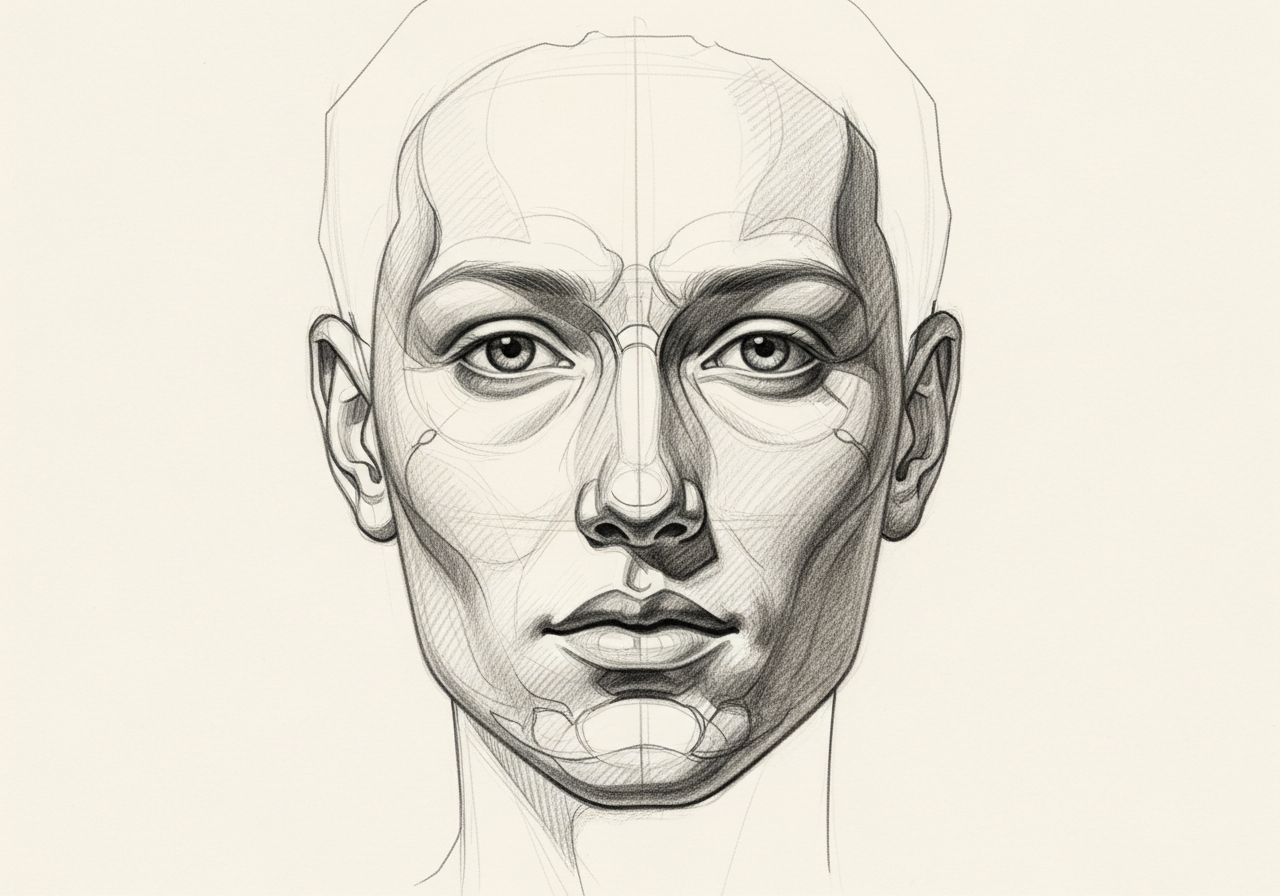
Considering temporalis tendon transfer? The next step is a quiet, unhurried conversation.
How it is performed
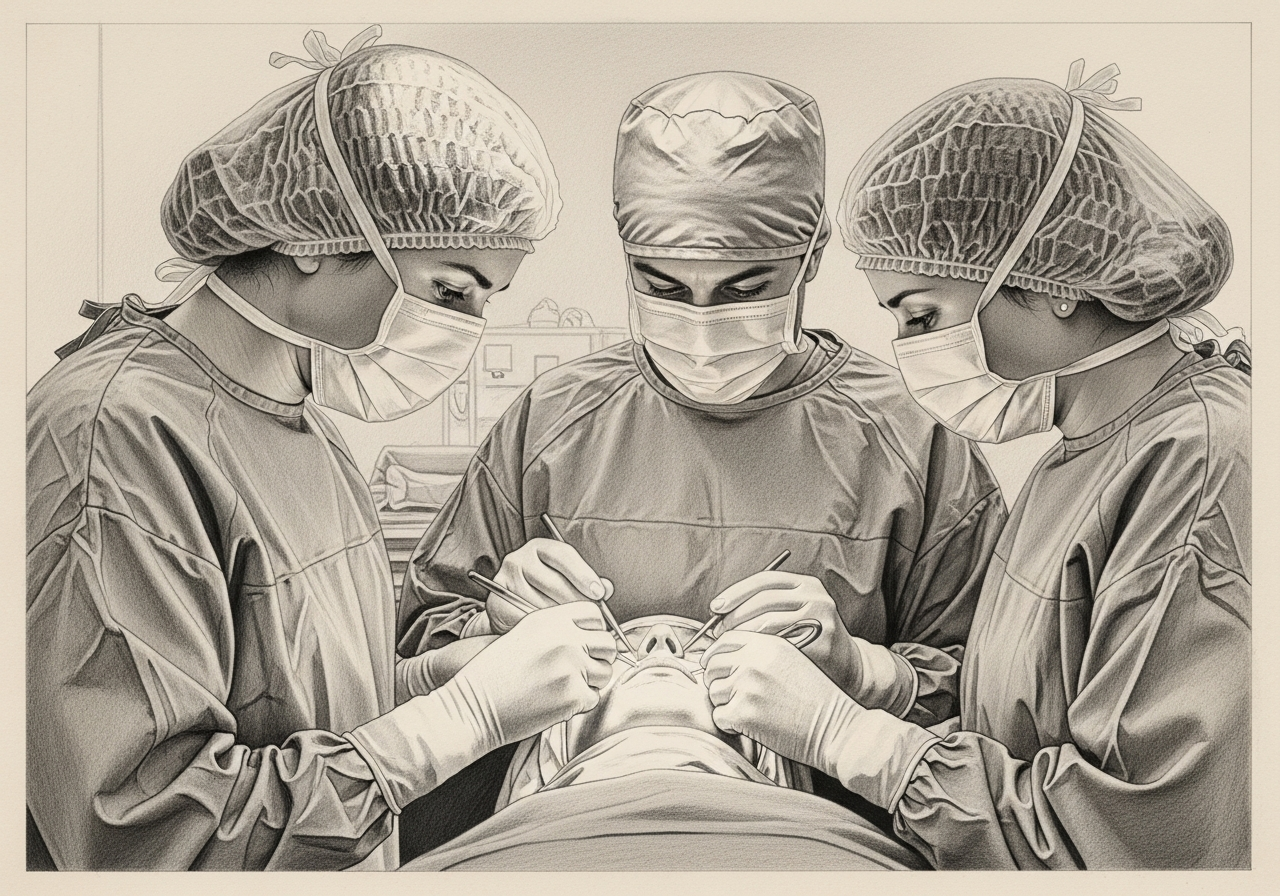
Through incisions placed to limit visible scarring, the surgeon identifies the tendon of the temporalis muscle where it attaches near the jaw and redirects it to the corner of the mouth and upper lip.
The tendon is secured at a tension chosen to balance the resting position and to allow a lift when the muscle contracts. The procedure restores a vector of pull toward a natural smile position.
Recovery and aftercare
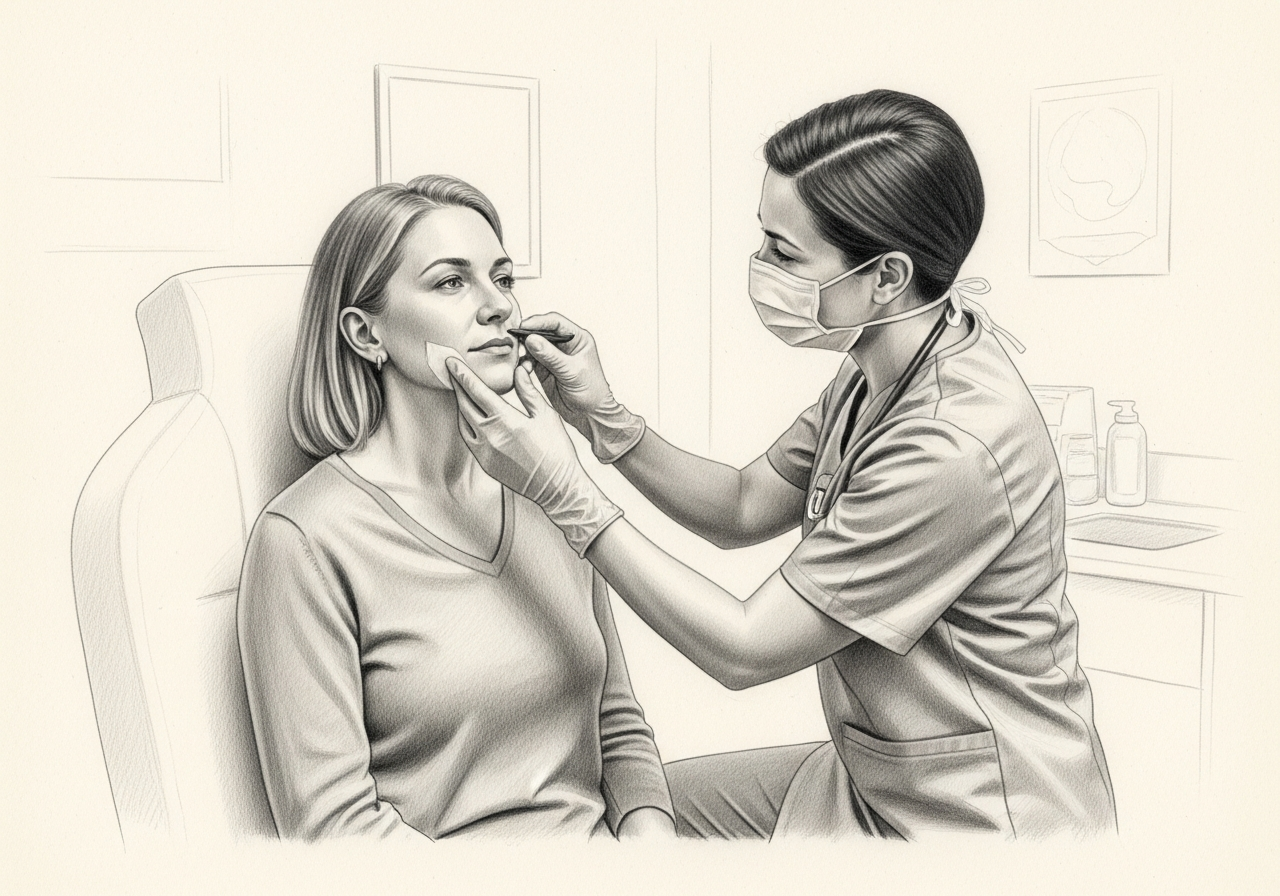
Early recovery includes cheek swelling and tightness, and a soft diet is often recommended while the tendon attachment heals. Strenuous activity is limited for several weeks.
Facial therapy is a key part of recovery. Patients learn to activate the smile, often beginning with a biting motion and progressing toward a more automatic, natural movement over the following months.
Risks and alternatives
Possible risks include bleeding, infection, asymmetry, tightness, an initially effortful or bite-driven smile, and the possible need for adjustment. Chewing function is generally preserved because other muscles share that role.
Alternatives include free muscle transfer (such as gracilis), nerve transfer procedures, and static suspension for resting symmetry. The best option depends on the individual situation.
Results and follow-up
The goal is a dynamic, voluntary smile and improved facial symmetry. With therapy, many patients gain a smile that becomes more natural over time, though results vary by individual.
Follow-up tracks healing, symmetry, and progress with therapy, and the surgeon may recommend additional refinement if needed.
Clinical references
Medical review
This page is a patient-education resource reviewed by the responsible Norelle Health clinician before publication. It does not replace an in-person evaluation. If symptoms are severe or rapidly worsening, seek immediate medical care.
Specialists who perform temporalis tendon transfer

Dr. Rakhna Araslanova
MD, FRCSC, FACS
Fellowship-Trained Facial Plastic & Reconstructive Surgeon — Facial Paralysis and Reanimation
Dr. Rakhna Araslanova is a fellowship-trained facial plastic and reconstructive surgeon who leads facial paralysis and reanimation at Norelle Health, with additional expertise in craniofacial reconstruction and aesthetic facial plastic surgery.
- Facial paralysis rehabilitation and surgical reanimation
- Craniofacial reconstruction
- Aesthetic facial plastic surgery
- Rhinoplasty
Also caring for this area


Not sure who to see? Our patient coordination team can help match you with the right specialist.
(212) 444-8006Frequently Asked Questions
It redirects the tendon of the temporalis chewing muscle to the corner of the mouth. Because that muscle works through the trigeminal nerve, contracting it lifts the face even when the facial nerve is not functioning.
Many patients begin by producing the smile with a biting motion and, with facial therapy, develop a more natural and automatic movement over time. Results vary from person to person.
Chewing is generally preserved because other muscles also perform that function. The surgeon redirects the tendon while protecting overall jaw function.
People with established facial paralysis who want smile movement, have a healthy trigeminal nerve and temporalis muscle, and whose original facial muscles can no longer be reactivated.
Temporalis tendon transfer uses an existing nearby muscle in a single stage, while gracilis transfer brings in muscle from the leg, often with a nerve graft. The choice depends on the situation.
Yes. Therapy is an important part of recovery and helps patients learn to activate and refine the new smile over the months after surgery.
Expect cheek swelling and tightness early, a soft diet for a period, and limited activity for several weeks, followed by progressive therapy to develop the smile.
Related Conditions

Related Procedures

1 of 3 · Gracilis Free Tissue Transfer
Request a consultation about temporalis tendon transfer
Schedule a consultation with our team to discuss whether this procedure is the right option for you.