
Overview
Biologics can reduce inflammation and polyp burden for selected patients with severe chronic rhinosinusitis with nasal polyps. The decision is not simply injection or surgery: it should consider disease severity, asthma or aspirin-exacerbated respiratory disease, prior operations, smell loss, medication burden, response goals, monitoring, and long-term access. This page explains what biologics target, who may be considered, and how they compare with other options so you can have an informed discussion. It does not recommend a specific brand and does not make cost or coverage promises.
What this evaluation should clarify
A focused evaluation is designed to answer a few key questions:
- Is the underlying diagnosis and treatment goal established with the right examination, imaging, testing, or pathology?
- How does this option compare with continued medical care, a different procedure, observation, or referral to another specialty?
- Which anatomy, prior treatment, comorbidities, benefits, risks, and monitoring requirements change the recommendation?
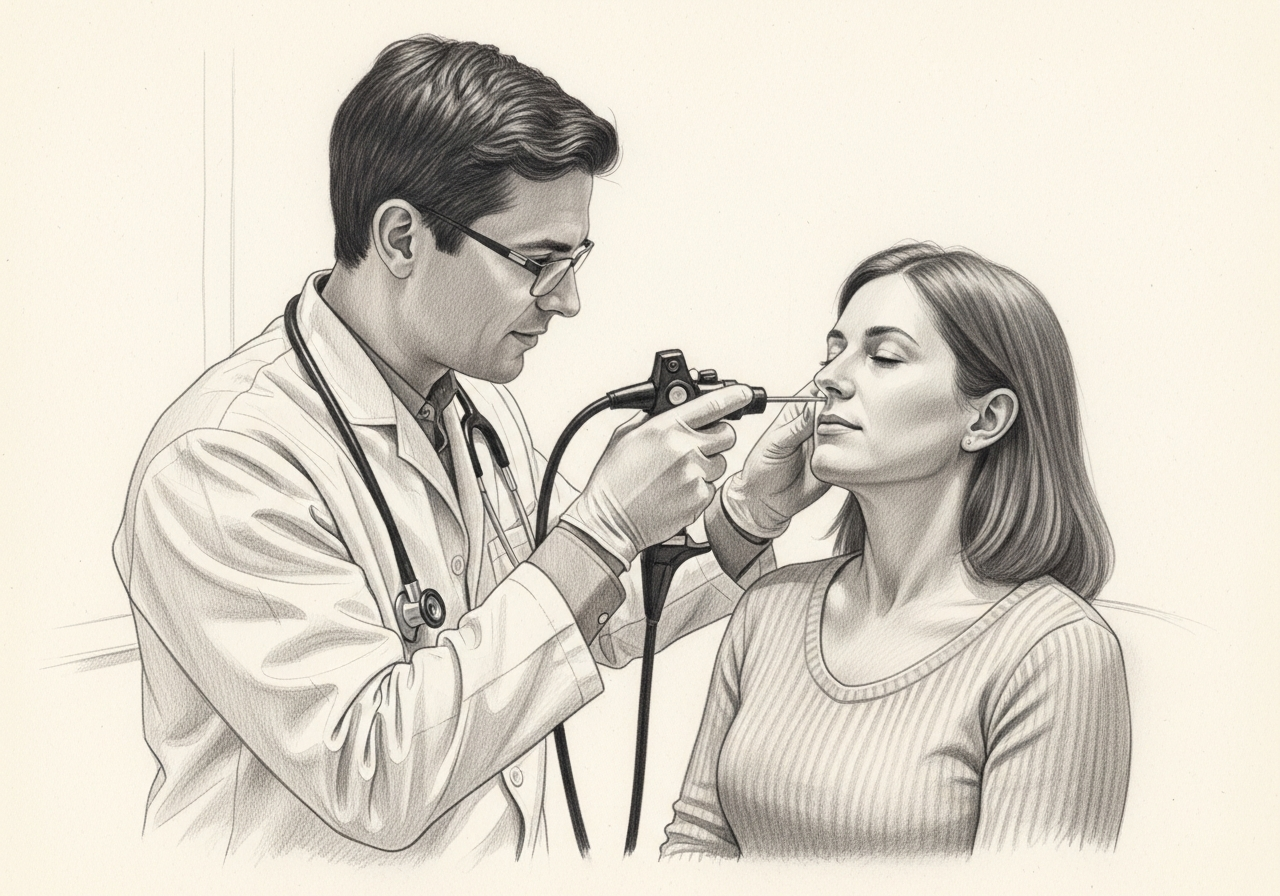
Considering biologic therapy for nasal polyps? The next step is a quiet, unhurried conversation.
Evaluation and treatment pathway
Care generally follows a stepwise path:
- Confirm the diagnosis, the treatment goal, and the reasons a less invasive or nonsurgical approach may be insufficient.
- Candidacy is based on a confirmed inflammatory polyp diagnosis, severity and quality-of-life burden, prior appropriate treatment, asthma or aspirin-exacerbated respiratory disease context, contraindications, and the criteria of the prescribing clinician and payer.
- Compare optimized topical care, surgery, biologics, and combination strategies. The choice depends on anatomy, inflammatory phenotype, previous response, comorbid disease, patient preference, safety, cost, and treatment burden.
- Treatment is given on a scheduled basis according to the specific medication, with education about administration, expected response, adverse effects, and reassessment goals.
- There is no surgical recovery, but ongoing monitoring is required. The treating team should define how symptoms, smell, polyp size, asthma control, medication use, and continuation criteria will be assessed.
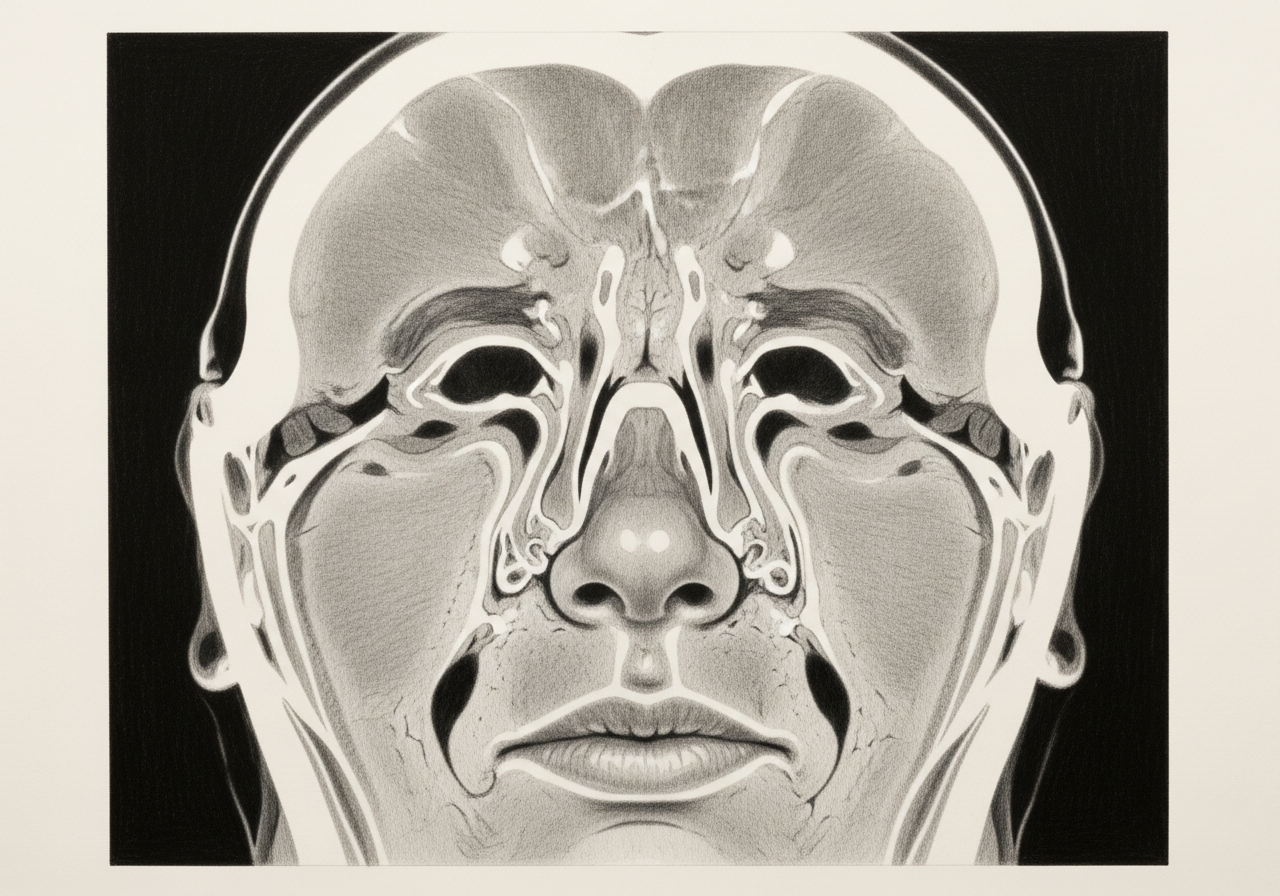
What biologics target
Biologics are injectable medications that block specific molecules in the inflammatory pathway responsible for nasal polyps and the associated type of chronic sinus inflammation. By targeting these specific signals, they aim to reduce the inflammation that causes polyps to form and regrow, rather than broadly suppressing immunity.

Who may be considered
Biologic therapy may be considered for people with chronic rhinosinusitis with nasal polyps whose symptoms are not adequately controlled by topical therapy, particularly when polyps recur after surgery or when there is associated asthma. Candidacy is individualized and based on the overall pattern of disease.
Asthma, AERD, and prior-surgery factors
Because the same inflammation often affects the lower airway, many candidates also have asthma or aspirin-exacerbated respiratory disease. A history of recurrent polyps after sinus surgery is another factor that may favor considering a biologic. These conditions are taken into account when weighing options.
Benefits, limitations, and monitoring
Biologics can reduce polyp size and improve congestion and sense of smell for many appropriate patients, but responses vary and not everyone benefits. They are ongoing treatments given by injection, require monitoring, and may have side effects. They do not cure the underlying tendency toward polyps.
How biologics compare with surgery
Surgery and biologics are not simple substitutes for one another. Endoscopic sinus surgery physically removes polyps and opens the sinuses, often improving access for topical medication, while biologics target the inflammation over time. For many patients a plan that combines approaches is appropriate, and the right balance depends on the individual.
What to bring to your consultation
Bringing the right records helps make the visit focused and useful. Where available, gather:
- Imaging files and reports, including CT and any MRI
- Endoscopy or operative findings from prior care
- Pathology results from any biopsy or surgery
- Relevant laboratory results
- Notes from prior treatment and a current medication list
- The specific question you would like answered
When to seek urgent care
Severe allergic symptoms, breathing difficulty, faintness, or another suspected serious medication reaction require emergency care. Routine questions about side effects or dosing should follow the prescriber's plan.
Medical review
This page is a patient-education resource reviewed by the responsible Norelle ENT clinician before publication. It does not replace an in-person evaluation. If symptoms are severe or rapidly worsening, seek immediate medical care.
Specialists who provide biologic therapy for nasal polyps

Dr. Adrian Ong
MD
Board-Certified Facial Plastic & Reconstructive and Head & Neck Surgeon
Dr. Adrian Ong is a board-certified surgeon who practices exclusively on the face, head, and neck, with expertise spanning rhinoplasty, sinus surgery, facial trauma, reconstruction, and sleep surgery.
- Functional and aesthetic rhinoplasty (including revision)
- Sinus surgery and complex revision sinus surgery
- Facial trauma and nasal fractures
- Head and neck cancer surgery and microvascular reconstruction
Also caring for this area


Not sure who to see? Our patient coordination team can help match you with the right specialist.
(212) 444-8006Frequently Asked Questions
Biologics may help selected patients with severe chronic rhinosinusitis with nasal polyps, particularly when polyps recur after surgery or when there is associated asthma or aspirin-exacerbated respiratory disease. Candidacy is individualized.
Biologics are injectable medications that block specific molecules in the inflammatory pathway behind nasal polyps, aiming to reduce the inflammation that causes polyps to form and regrow rather than broadly suppressing immunity.
Biologics and surgery are not direct substitutes. Surgery removes polyps and opens the sinuses, while biologics target inflammation over time. The choice depends on anatomy, phenotype, prior response, comorbidities, preference, safety, and treatment burden, and may combine approaches.
Biologics are ongoing treatments that require monitoring. The team should define how symptoms, smell, polyp size, asthma control, medication use, and continuation criteria are assessed, and severe allergic or breathing symptoms after an injection need emergency care.
Clinical References
These independent resources from medical and professional organizations offer further reading. They are provided for general education and do not replace a consultation with a clinician.
Related Procedures

1 of 2 · Endoscopic Sinus Surgery

Request a consultation for biologic therapy for nasal polyps
Schedule an evaluation with our team to review your symptoms and the appropriate next steps.