
Overview
A constantly runny, congested, or reactive nose is not one diagnosis. A useful evaluation separates allergic and nonallergic patterns, medication effects, structural obstruction, chronic sinus disease, and other causes before presenting sprays, environmental strategies, or procedures.
What this evaluation should clarify
A focused evaluation should help you understand a few key decisions:
- What objective evidence distinguishes chronic rhinitis from look-alike conditions
- Which anatomic, inflammatory, dental, neurologic, infectious, or tumor-related contributors must be considered
- Which medical, procedural, surgical, or multidisciplinary path fits the findings and your goals

Living with chronic rhinitis? The next step is a quiet, unhurried conversation.
Evaluation and treatment pathway
- Clarify the symptom pattern, duration, triggers, prior treatment, operations, medications, and relevant medical history.
- Evaluation uses symptom triggers and timing, medication review, nasal examination or endoscopy, and selective allergy testing. One-sided obstruction, bleeding, severe pain, or smell loss may require a different diagnostic pathway.
- Identify important look-alikes, complications, and contributors before assigning a definitive diagnosis.
- Treatment can include trigger reduction, saline care, topical antihistamine, steroid, or anticholinergic therapy, allergy-directed care, and selected posterior nasal nerve treatment. Structural obstruction and chronic sinusitis should be addressed on their own merits.
- Set a measurable follow-up plan: symptom goals, objective reassessment, medication response, and imaging or surveillance when appropriate.
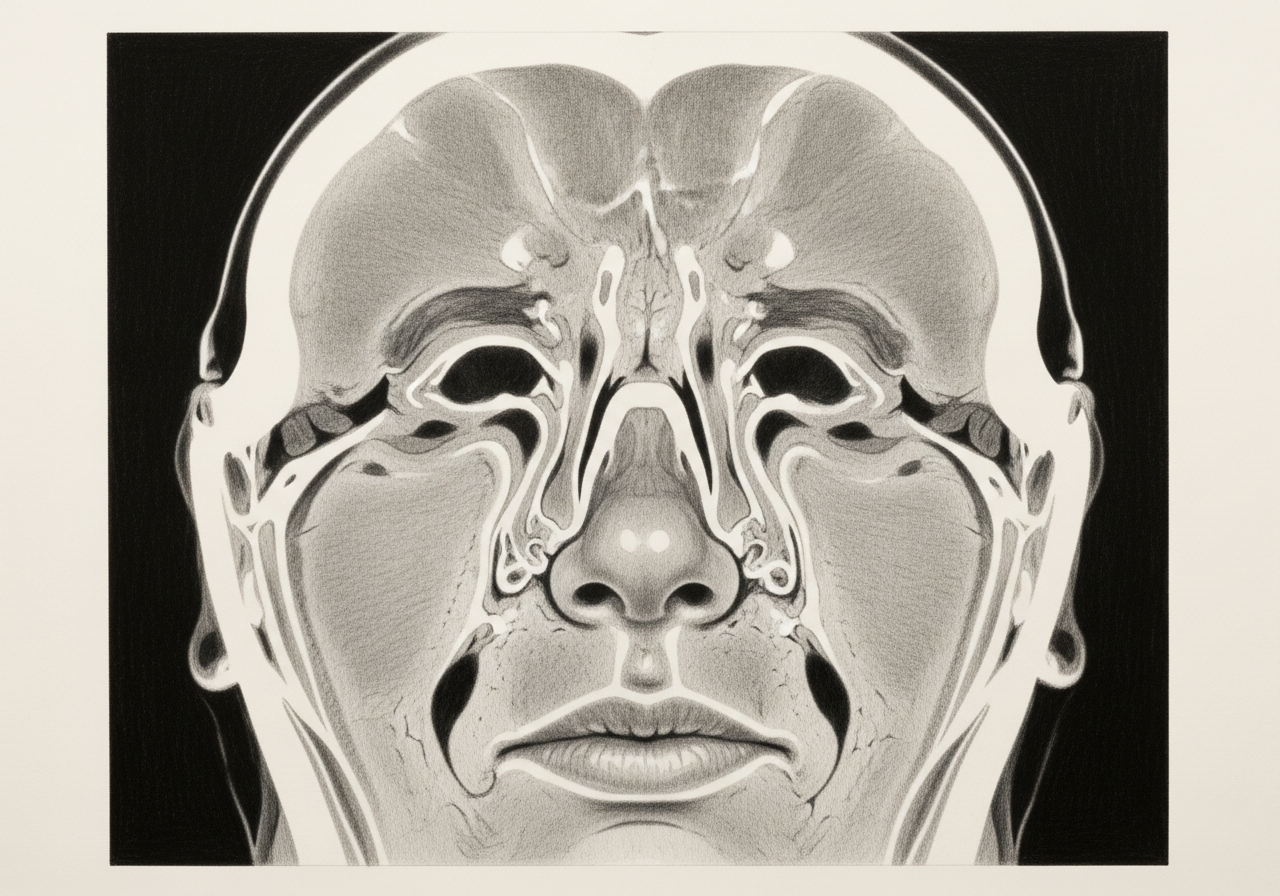
Allergic versus non-allergic rhinitis
Allergic rhinitis is triggered by an immune response to allergens such as pollen, dust mites, mold, or animal dander, and often includes itching and seasonal patterns.
Non-allergic rhinitis is not driven by an allergen and is set off by irritants, weather changes, hormones, or certain medications, or has no clear cause. Many people have features of both.

Causes and triggers
Common contributors include environmental allergens, smoke and air pollution, strong odors and chemicals, weather and humidity changes, and overuse of decongestant nasal sprays. Some blood pressure medications and hormonal changes can also play a role.
Structural issues such as a deviated septum or enlarged turbinates can worsen congestion and make symptoms harder to control.
Treatment options
Treatment is matched to the type and triggers of rhinitis:
- Identifying and avoiding triggers when possible
- Saline irrigation
- Topical nasal steroid sprays
- Intranasal antihistamine sprays
- Ipratropium spray for a persistent watery runny nose
- Allergy testing and immunotherapy for allergic rhinitis
- Turbinate reduction or nerve-directed procedures in carefully selected cases
Decongestant nasal sprays should not be used for more than a few days because prolonged use can worsen congestion.

What to bring to your consultation
Bringing or securely transferring the records that can change this decision helps make the visit productive:
- Imaging files and reports
- Endoscopy or operative findings
- Pathology results
- Laboratory results
- Prior treatment notes
- A current medication list
- The specific question you want answered
When to seek urgent care
Breathing difficulty, severe facial swelling, uncontrolled bleeding, new vision or neurologic symptoms, or a rapidly progressive one-sided mass requires urgent care rather than routine rhinitis treatment.
Medical review
This page is a patient-education resource reviewed by the responsible Norelle ENT clinician before publication. It does not replace an in-person evaluation. If symptoms are severe or rapidly worsening, seek immediate medical care.
Specialists who treat chronic rhinitis

Dr. Adrian Ong
MD
Board-Certified Facial Plastic & Reconstructive and Head & Neck Surgeon
Dr. Adrian Ong is a board-certified surgeon who practices exclusively on the face, head, and neck, with expertise spanning rhinoplasty, sinus surgery, facial trauma, reconstruction, and sleep surgery.
- Functional and aesthetic rhinoplasty (including revision)
- Sinus surgery and complex revision sinus surgery
- Facial trauma and nasal fractures
- Head and neck cancer surgery and microvascular reconstruction
Also caring for this area


Not sure who to see? Our patient coordination team can help match you with the right specialist.
(212) 444-8006Frequently Asked Questions
Chronic rhinitis is persistent inflammation or nerve-mediated reactivity of the nasal lining that causes congestion, drainage, sneezing, itching, or postnasal symptoms.
Evaluation uses symptom triggers and timing, medication review, nasal examination or endoscopy, and selective allergy testing. One-sided obstruction, bleeding, severe pain, or smell loss may require a different diagnostic pathway.
Treatment can include trigger reduction, saline care, topical antihistamine, steroid, or anticholinergic therapy, allergy-directed care, and selected posterior nasal nerve treatment. Structural obstruction and chronic sinusitis should be addressed on their own merits.
Breathing difficulty, severe facial swelling, uncontrolled bleeding, new vision or neurologic symptoms, or a rapidly progressive one-sided mass requires urgent care rather than routine rhinitis treatment.
Clinical References
These independent resources from medical and professional organizations offer further reading. They are provided for general education and do not replace a consultation with a clinician.
Related Procedures

1 of 2 · Posterior Nasal Nerve Ablation
Related Conditions

Request a consultation for chronic rhinitis
Schedule an evaluation with our team to review your symptoms and the appropriate next steps.