
Overview
A facial schwannoma is an uncommon, generally benign tumor that arises from the Schwann cells that wrap around the facial nerve. Because the facial nerve travels a long, complex path from the brainstem through the ear and into the face, a schwannoma can appear anywhere along that course and cause different symptoms depending on where it grows.
Many facial schwannomas grow slowly. Some are found because of gradually progressive facial weakness or twitching, while others are discovered incidentally on imaging done for another reason. When the tumor is near the ear, hearing or balance symptoms can also occur.
At Norelle ENT, evaluation focuses on confirming the diagnosis with imaging, assessing facial nerve function, and weighing management options, which range from careful observation to treatment, often with multidisciplinary input.
Symptoms
The most characteristic pattern is slowly progressive facial weakness, sometimes with twitching, in contrast to the sudden weakness of conditions like Bell's palsy. When the tumor lies near the ear, hearing loss, ringing, or balance changes can occur.
In more advanced cases, incomplete eye closure can leave the eye dry and exposed, which needs attention.
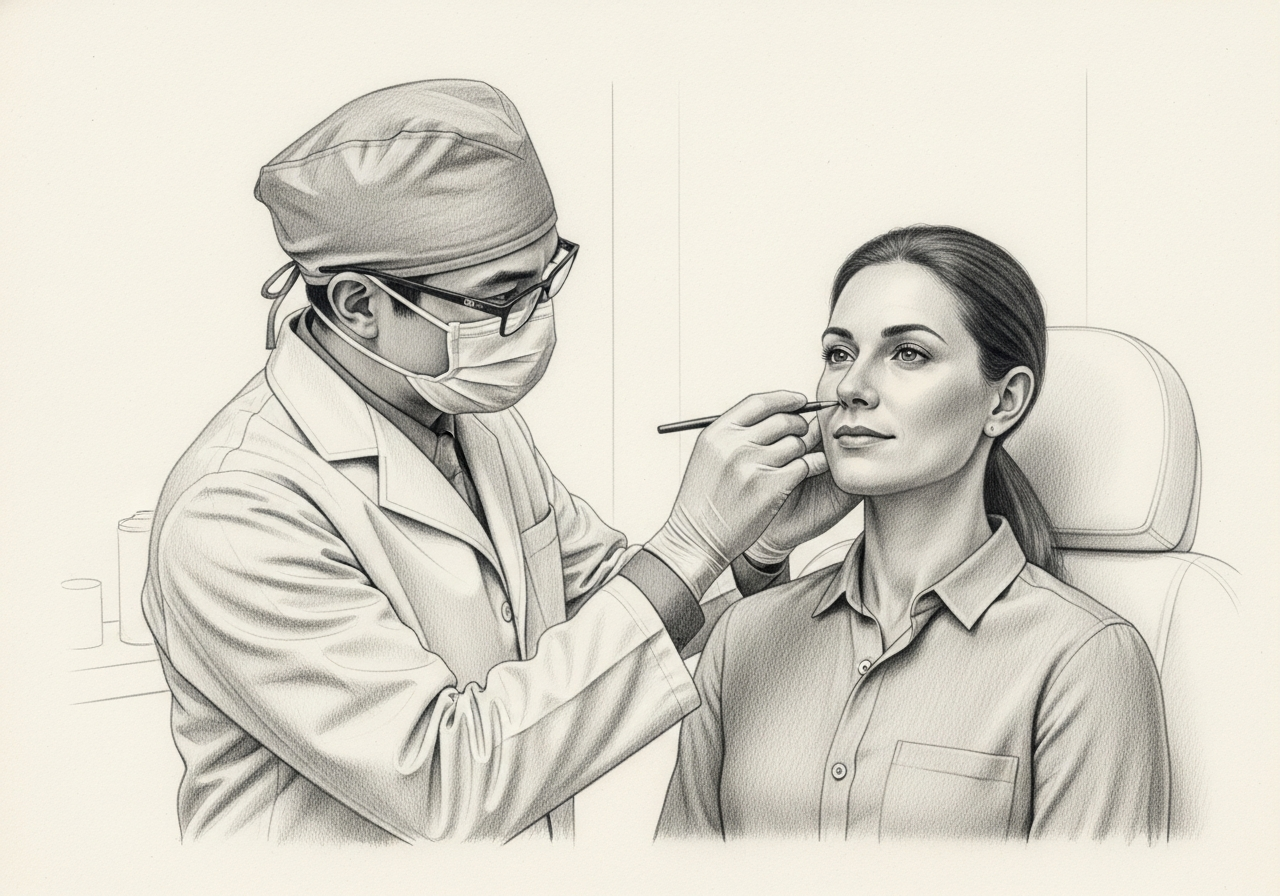
Living with facial schwannoma? The next step is a quiet, unhurried conversation.
Causes and risk factors
Schwannomas arise from Schwann cells, which form the insulating layer around nerves. Most occur sporadically without a clear cause. In some people, multiple schwannomas can be associated with genetic conditions, which a clinician may consider during evaluation.
Facial schwannomas are not generally linked to lifestyle factors.
How it is diagnosed
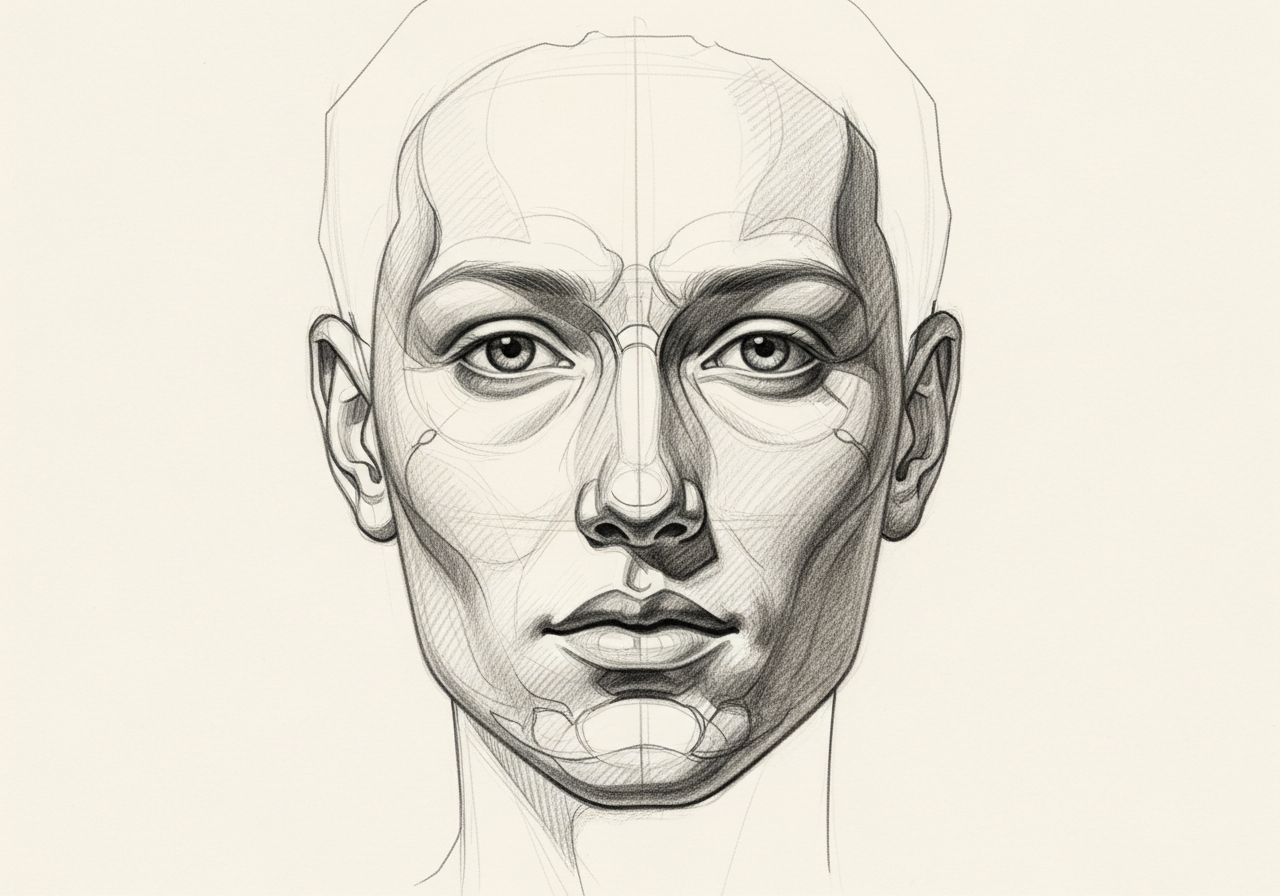
MRI is the main tool for diagnosis and shows the tumor along the course of the facial nerve. CT can add information about nearby bone, particularly around the ear. When the tumor is near the hearing structures, audiograms are arranged through referral.
The clinician also grades facial nerve function and tracks it over time, since the pattern and rate of change inform decisions.
Treatment options
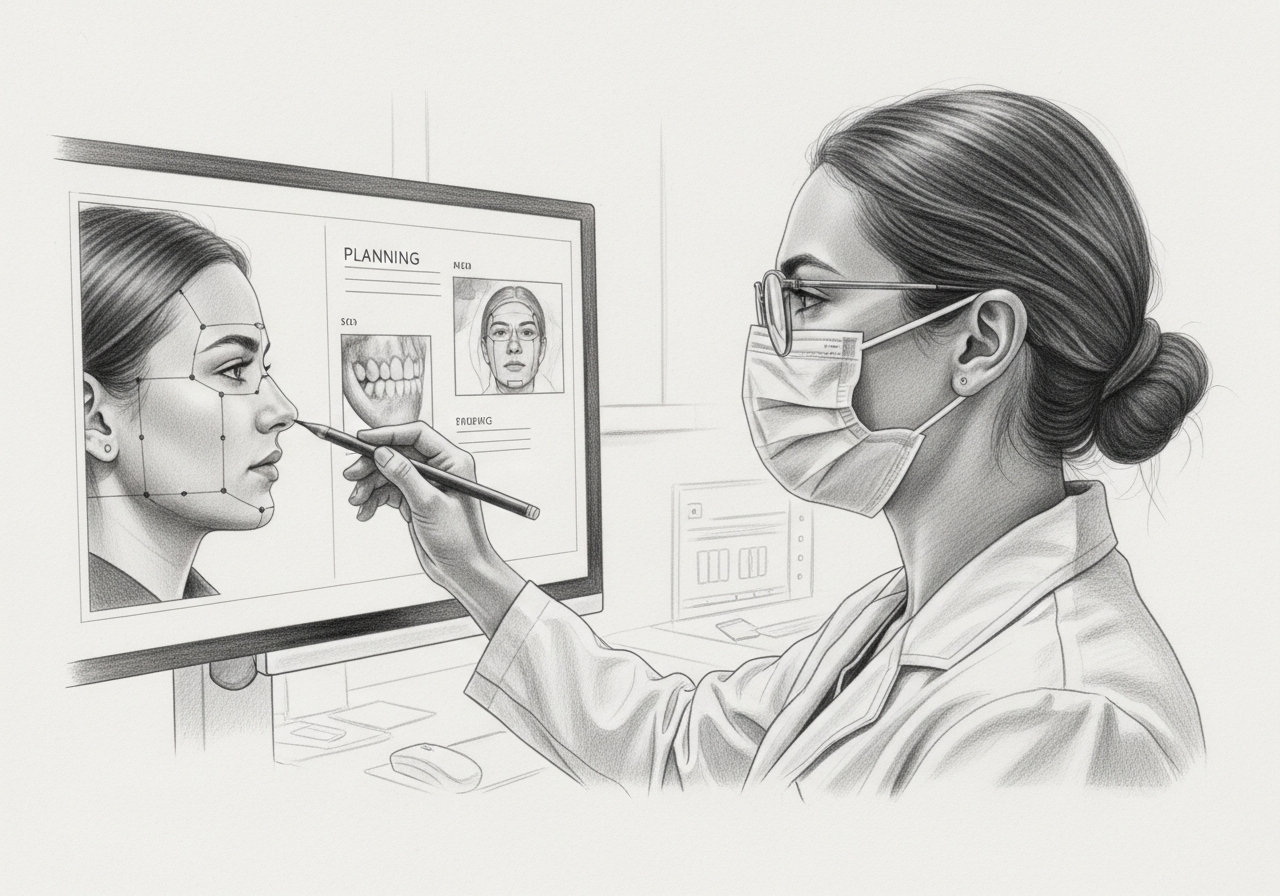
Because these tumors are usually benign and slow-growing, careful observation with periodic MRI is often appropriate, especially when facial function is good. Eye protection is added if closure is affected.
When a tumor grows or symptoms progress, options may include radiation-based treatment in selected cases or surgery. Treatment of the nerve itself can affect facial movement, so plans often include facial nerve repair, grafting, or rehabilitation to support function. Decisions are individualized and frequently multidisciplinary.
When to seek care
Slowly progressive facial weakness, persistent twitching, or new hearing changes on one side should be evaluated. While facial schwannomas are rare, these symptoms warrant imaging to identify the cause. Seek prompt care if you cannot protect or close the eye.
Clinical references
Medical review
This page is a patient-education resource reviewed by the responsible Norelle ENT clinician before publication. It does not replace an in-person evaluation. If symptoms are severe or rapidly worsening, seek immediate medical care.
Patient Results
Before and After: Facial Paralysis
Photographs of Norelle ENT patients, published with consent. Individual results vary.
Specialists who treat facial schwannoma

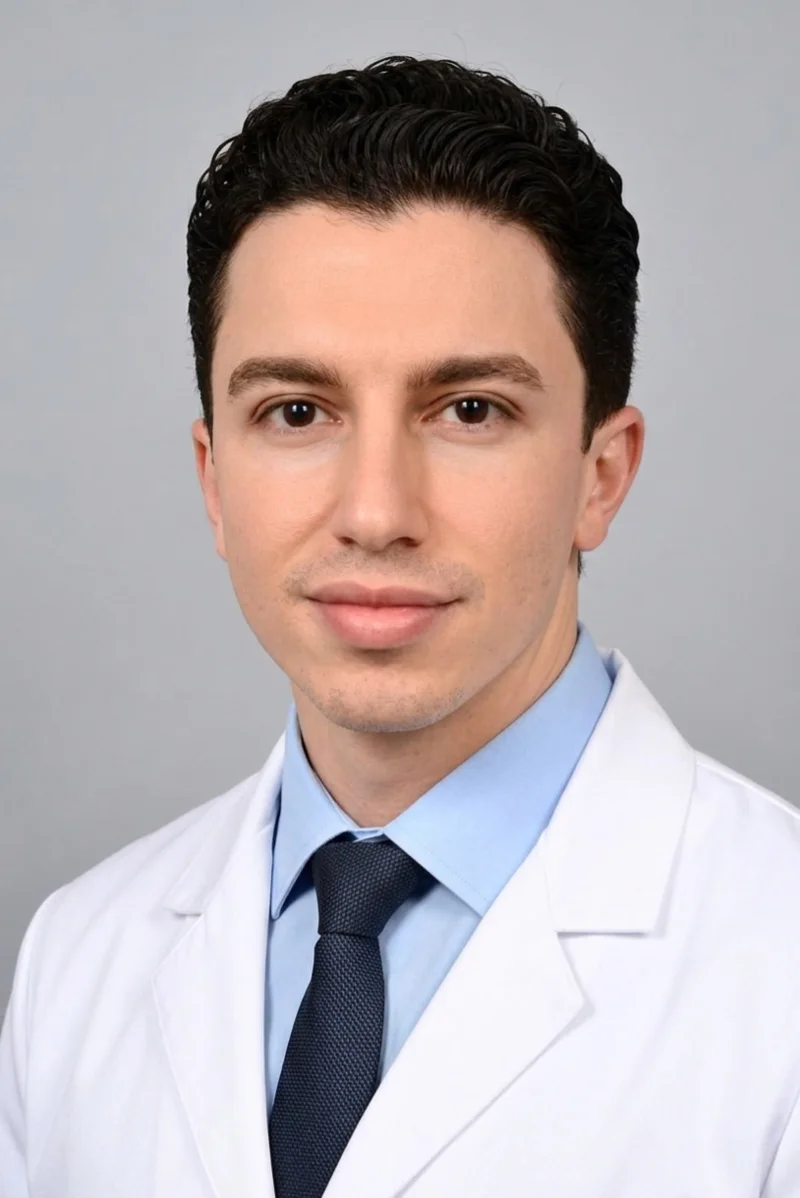
Dr. Rakhna Araslanova
MD, FRCSC, FACS
Fellowship-Trained Facial Plastic & Reconstructive Surgeon — Facial Paralysis and Reanimation
Dr. Rakhna Araslanova is a fellowship-trained facial plastic and reconstructive surgeon who leads facial paralysis and reanimation at Norelle ENT, with additional expertise in craniofacial reconstruction and aesthetic facial plastic surgery.
- Facial paralysis rehabilitation and surgical reanimation
- Craniofacial reconstruction
- Aesthetic facial plastic surgery
- Rhinoplasty
Also caring for this area



Not sure who to see? Our patient coordination team can help match you with the right specialist.
(212) 444-8006Frequently Asked Questions
Facial schwannomas are almost always benign and do not typically spread. They are important mainly because of their effect on the facial nerve, not because of malignancy.
Bell's palsy causes sudden facial weakness that often improves over weeks. A facial schwannoma more often causes slowly progressive weakness, sometimes with twitching, which is why imaging is used when weakness is gradual or does not recover.
MRI is the primary test and shows the tumor along the facial nerve. CT may be added depending on the location, and audiograms are arranged through referral when relevant; facial nerve function is graded and monitored.
No. Many are observed with periodic imaging, particularly when they are stable and facial function is preserved. Treatment is considered when the tumor grows or symptoms worsen.
Treating the nerve can affect facial movement, which is why management is carefully weighed and why plans may include nerve repair, grafting, or rehabilitation to support function.
Because these tumors are usually benign and slow-growing, monitoring can avoid the risks of intervention while preserving facial function for as long as possible. Imaging tracks any change.
Care often involves coordination across ear, facial nerve, and, when appropriate, neurosurgery and radiation specialists, so that the plan fits the tumor's location and your goals.
Related Procedures

1 of 3 · Facial Nerve Repair
Related Conditions

Request a consultation for facial schwannoma
Schedule an evaluation with our team to review your symptoms and the appropriate next steps.