
Overview
Juvenile nasopharyngeal angiofibroma is a rare, highly vascular tumor that most often affects adolescent males and can present with recurrent one-sided nosebleeds and nasal obstruction. Although it is benign, it can grow into surrounding spaces, and its rich blood supply means an unplanned office biopsy can cause severe bleeding. Imaging is central to characterizing the tumor and planning care, and treatment usually combines preoperative embolization in selected cases with surgical removal. This page is educational and does not replace specialist evaluation.
What this evaluation should clarify
A focused evaluation is designed to answer a few key questions:
- What objective evidence distinguishes juvenile nasopharyngeal angiofibroma from look-alike conditions?
- Which anatomic, inflammatory, dental, neurologic, infectious, or tumor-related factors may be contributing?
- Which medical, procedural, surgical, or multidisciplinary path best fits the findings and your goals?
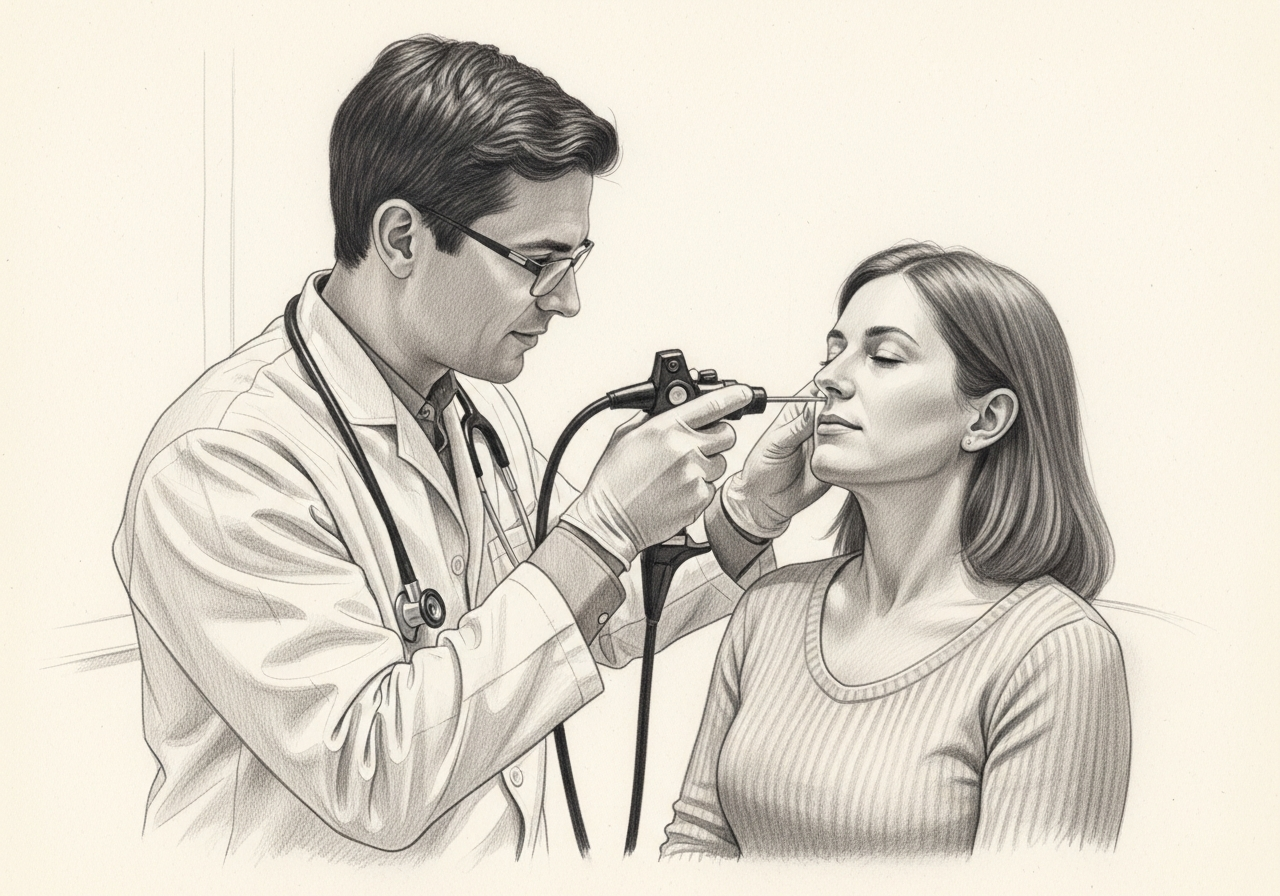
Living with juvenile nasopharyngeal angiofibroma? The next step is a quiet, unhurried conversation.
Evaluation and treatment pathway
Care generally follows a stepwise path:
- Clarify the symptom pattern, duration, triggers, prior treatment, operations, medications, and relevant medical history.
- The characteristic history and contrast imaging often establish strong suspicion and define the tumor's spread. Because the tumor is vascular, biopsy is not approached like a routine nasal mass and requires specialist planning if tissue is needed.
- Identify important look-alikes, complications, and contributors before settling on a definitive diagnosis.
- Treatment commonly involves surgical removal, often after angiographic evaluation and preoperative embolization in selected cases. The approach depends on the tumor's extent, its blood vessels, any skull-base or intracranial involvement, and team resources.
- Set a measurable follow-up plan covering symptom goals, objective reassessment, medication response, and imaging or surveillance when appropriate.
Who is typically affected
JNA occurs almost exclusively in adolescent boys and young men. It is rare, and although benign, it can behave aggressively in the sense of growing and extending into nearby spaces, including toward the eye socket and skull base in larger tumors.

Nasal obstruction and severe nosebleeds
The hallmark symptoms are progressive nasal blockage, usually on one side, and recurrent nosebleeds that can be severe. Any adolescent male with one-sided nasal obstruction and repeated nosebleeds should be evaluated with this diagnosis in mind.
Why biopsy may be dangerous
JNA is highly vascular, so a routine biopsy in the office can cause significant bleeding. When imaging suggests JNA, the diagnosis is generally made from the imaging pattern rather than an office biopsy, and any tissue sampling is planned in a controlled setting.
CT/MRI and angiography
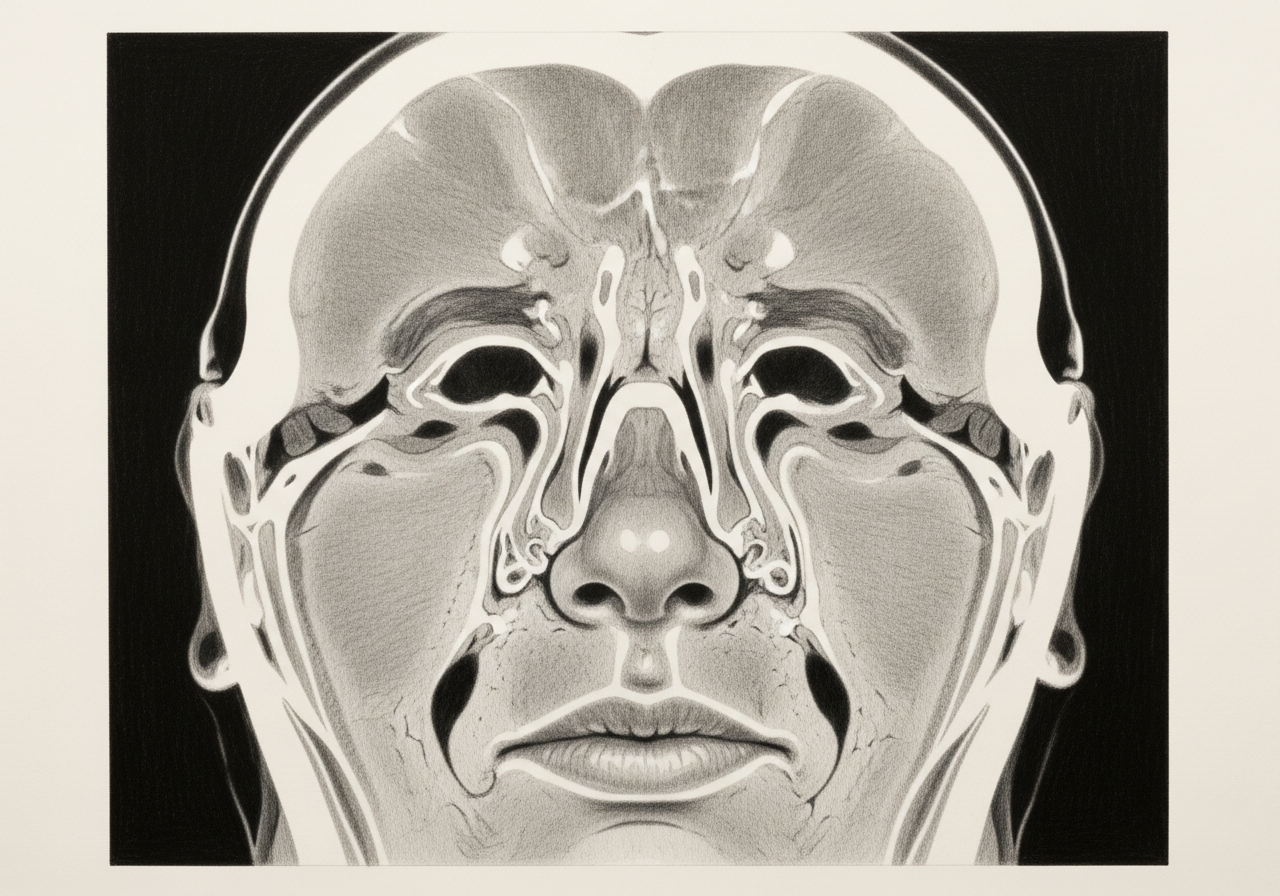
CT shows the tumor and the bony changes it produces, MRI defines its soft-tissue extent and relationship to the eye and skull base, and angiography maps the blood supply. This combination characterizes the tumor and guides treatment planning without the risks of office biopsy.
Embolization and surgery
Treatment usually begins with embolization, a procedure that blocks the tumor's blood vessels to reduce bleeding, performed shortly before surgery. Surgical removal then follows. Embolization is commonly used but not required in every case; the plan is individualized.
Endoscopic versus open routes and recurrence
Many JNAs can be removed endoscopically through the nose, while more extensive tumors may require an open approach or a combination. Because JNA can recur, particularly when removal is incomplete, follow-up imaging is used to monitor for regrowth.
What to bring to your consultation
Bringing the right records helps make the visit focused and useful. Where available, gather:
- Imaging files and reports, including CT and any MRI
- Endoscopy or operative findings from prior care
- Pathology results from any biopsy or surgery
- Relevant laboratory results
- Notes from prior treatment and a current medication list
- The specific question you would like answered
When to seek urgent care
Heavy nosebleeding, faintness, breathing difficulty, rapidly progressive eye or neurologic symptoms, or signs of significant blood loss require emergency care.
Medical review
This page is a patient-education resource reviewed by the responsible Norelle ENT clinician before publication. It does not replace an in-person evaluation. If symptoms are severe or rapidly worsening, seek immediate medical care.
Specialists who treat juvenile nasopharyngeal angiofibroma

Dr. Adrian Ong
MD
Board-Certified Facial Plastic & Reconstructive and Head & Neck Surgeon
Dr. Adrian Ong is a board-certified surgeon who practices exclusively on the face, head, and neck, with expertise spanning rhinoplasty, sinus surgery, facial trauma, reconstruction, and sleep surgery.
- Functional and aesthetic rhinoplasty (including revision)
- Sinus surgery and complex revision sinus surgery
- Facial trauma and nasal fractures
- Head and neck cancer surgery and microvascular reconstruction
Also caring for this area


Not sure who to see? Our patient coordination team can help match you with the right specialist.
(212) 444-8006Frequently Asked Questions
Juvenile nasopharyngeal angiofibroma is a benign but locally aggressive vascular tumor arising near the posterior nasal cavity, usually in adolescent males.
The characteristic history and contrast imaging often establish strong suspicion and define spread. Because the tumor is vascular, biopsy is not approached like a routine nasal mass and requires specialist planning if tissue is needed.
Treatment commonly involves surgical removal, often after angiographic evaluation and preoperative embolization in selected cases. The approach depends on extent, vessels, skull-base or intracranial involvement, and team resources.
Heavy nosebleeding, faintness, breathing difficulty, rapidly progressive eye or neurologic symptoms, or signs of significant blood loss require emergency care.
Clinical References
These independent resources from medical and professional organizations offer further reading. They are provided for general education and do not replace a consultation with a clinician.
Related Procedures

1 of 2 · Endoscopic Skull Base Surgery
Related Conditions

1 of 2 · Epistaxis and Nosebleeds
Request a consultation for juvenile nasopharyngeal angiofibroma
Schedule an evaluation with our team to review your symptoms and the appropriate next steps.