Overview
Puffy eyelids are a common concern that can come from several different processes. Aging often brings excess upper eyelid skin (dermatochalasis) and forward bulging of the fat that cushions the eye, producing a heavy or tired look. Lower eyelid bags are frequently caused by this same fat prolapse.
Not all puffiness is structural. Fluid retention, allergy, thyroid eye disease, infections, and factors such as sleep and salt intake can cause temporary or fluctuating swelling. Sudden, painful, red, or one-sided swelling can signal an infection or another problem that needs prompt attention.
Evaluation sorts out which factors are contributing, since the treatment for excess skin and fat differs from the treatment for allergy, fluid, or an underlying medical condition. A focused examination is more useful than treating puffiness as a single problem.
Symptoms
Common features include heaviness or fullness of the upper lids, bags under the lower lids, and loose or hooding upper eyelid skin. Some puffiness fluctuates with sleep, salt intake, or allergy, while structural fullness from skin and fat tends to be more constant.
Itching and watering suggest an allergic cause. Sudden, painful, red, or one-sided swelling is different and may indicate an infection or other condition that needs prompt care.
Living with puffy eyelids? The next step is a quiet, unhurried conversation.
Causes and risk factors
Aging is a frequent cause, leading to excess upper eyelid skin and prolapse of the fat that cushions the eye. Fluid retention, allergy, and lack of sleep can cause fluctuating swelling.
Medical causes such as thyroid eye disease, kidney or sinus conditions, and infections can also produce eyelid swelling, which is why persistent or unusual puffiness deserves evaluation.
How it is diagnosed
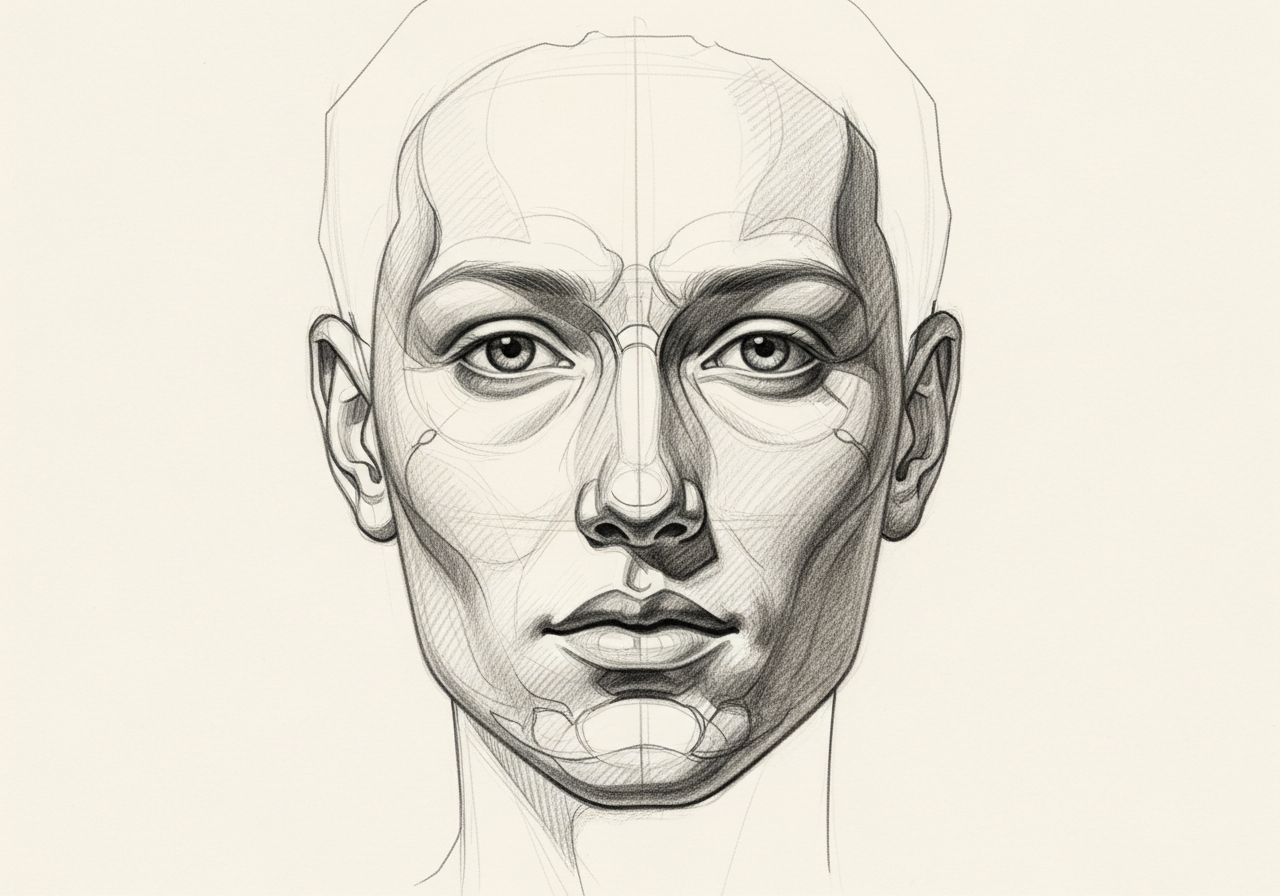
Evaluation includes a history of how long the puffiness has been present, whether it fluctuates, and any allergy or medical conditions. The examination assesses the skin, fat, eyelid position, brow height, and the eye surface.
When a medical cause such as thyroid eye disease is suspected, additional testing or coordination with other specialists may be arranged.
Treatment options
Treatment is matched to the cause:
- Allergy management, skin care, and addressing fluid-related factors
- Cold compresses for temporary, fluid-related swelling
- Evaluation and treatment of medical causes such as thyroid eye disease
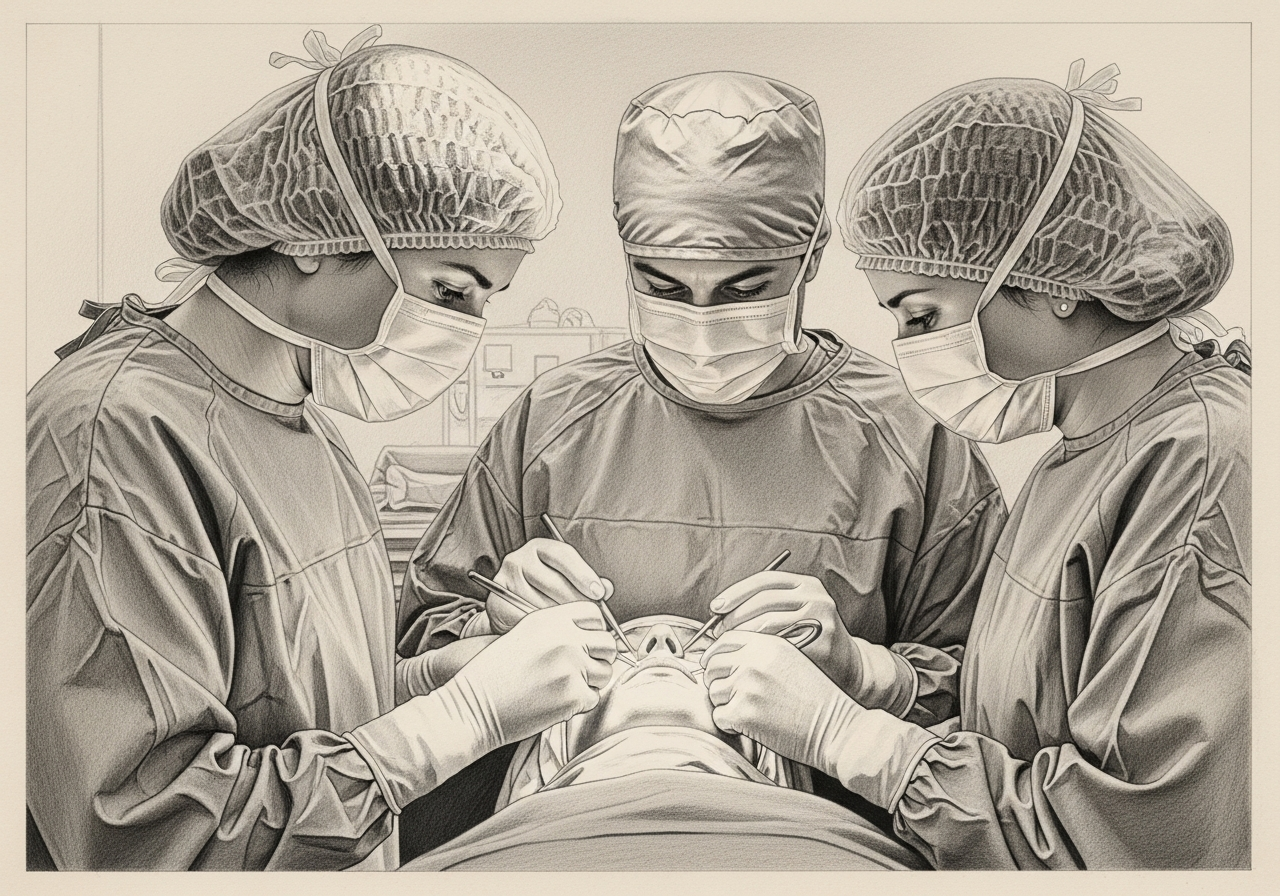
- Upper eyelid blepharoplasty to remove excess skin and fat
- Lower eyelid blepharoplasty to address fat prolapse and bags
- Treatment of coexisting ptosis or brow descent when present
Surgery addresses structural puffiness but does not change fluctuating swelling from allergy or fluid.
When to seek care
Routine evaluation is reasonable for persistent puffiness, a tired appearance, or excess skin that is bothersome. Seek prompt care for sudden, painful, red, or rapidly spreading eyelid swelling, swelling with fever, or any change in vision, as these can signal infection or another urgent problem.
New, progressive eyelid swelling on one side also warrants evaluation.
Medical review
This page is a patient-education resource reviewed by the responsible Norelle ENT clinician before publication. It does not replace an in-person evaluation. If symptoms are severe or rapidly worsening, seek immediate medical care.
Specialists who treat puffy eyelids

Dr. Moustafa Mourad
MD, FACS
Double Board-Certified Head & Neck and Facial Plastic & Reconstructive Surgeon
Dr. Moustafa Mourad is a double board-certified head and neck and facial plastic and reconstructive surgeon who cares for the full range of cosmetic and complex conditions affecting the face, head, and neck.
- Facial plastic and reconstructive surgery
- Head and neck cancer surgery
- Microvascular free-flap reconstruction
- Facial trauma and reconstruction
Also caring for this area


Not sure who to see? Our patient coordination team can help match you with the right specialist.
(212) 444-8006Frequently Asked Questions
Puffiness can come from excess skin, bulging eyelid fat, fluid retention, allergy, lack of sleep, or a medical condition such as thyroid eye disease. Because the causes differ, an examination helps identify what is driving it before choosing treatment.
Under-eye bags are usually caused by forward prolapse of the fat that cushions the eye, which is one form of eyelid puffiness. Upper eyelid fullness more often involves excess skin and fat. Both can be evaluated together.
Sometimes. Thyroid eye disease, allergy, sinus or kidney conditions, and infections can cause eyelid swelling. Persistent, one-sided, painful, or rapidly worsening swelling should be evaluated.
For fluid- or allergy-related puffiness, cold compresses, adequate sleep, reducing salt, and treating allergies can help. These measures do not change structural fullness from excess skin or fat.
Blepharoplasty is considered when puffiness is caused by excess skin or fat rather than fluid or allergy, and when it is bothersome or affects the upper field of vision. An examination determines whether you are a candidate.
Puffy eyelids involve fullness or swelling of the lid tissue, while ptosis means the eyelid margin sits too low because the lifting muscle is weak. They can occur together, and both can be assessed during the same visit.
Yes. Sudden swelling that is painful, red, spreading, or associated with fever or vision change should be evaluated promptly because it can indicate an infection or other urgent condition.
Related Procedures


Request a consultation for puffy eyelids
Schedule an evaluation with our team to review your symptoms and the appropriate next steps.