
Overview
Sphenoid sinus symptoms can be vague, yet the sinus lies deep in the head beside the optic nerves, carotid arteries, pituitary region, and cranial nerves. Isolated sphenoid findings deserve careful imaging review because causes range from inflammation to fungal disease, mucocele, or tumor, and certain neurologic or visual symptoms are urgent. Evaluation combines nasal endoscopy with CT and, when needed, MRI to clarify the cause and guide whether medical therapy or endoscopic surgery is appropriate.
What this evaluation should clarify
A focused evaluation is designed to answer a few key questions:
- What objective evidence distinguishes sphenoid sinus disease from look-alike conditions?
- Which anatomic, inflammatory, dental, neurologic, infectious, or tumor-related factors may be contributing?
- Which medical, procedural, surgical, or multidisciplinary path best fits the findings and your goals?
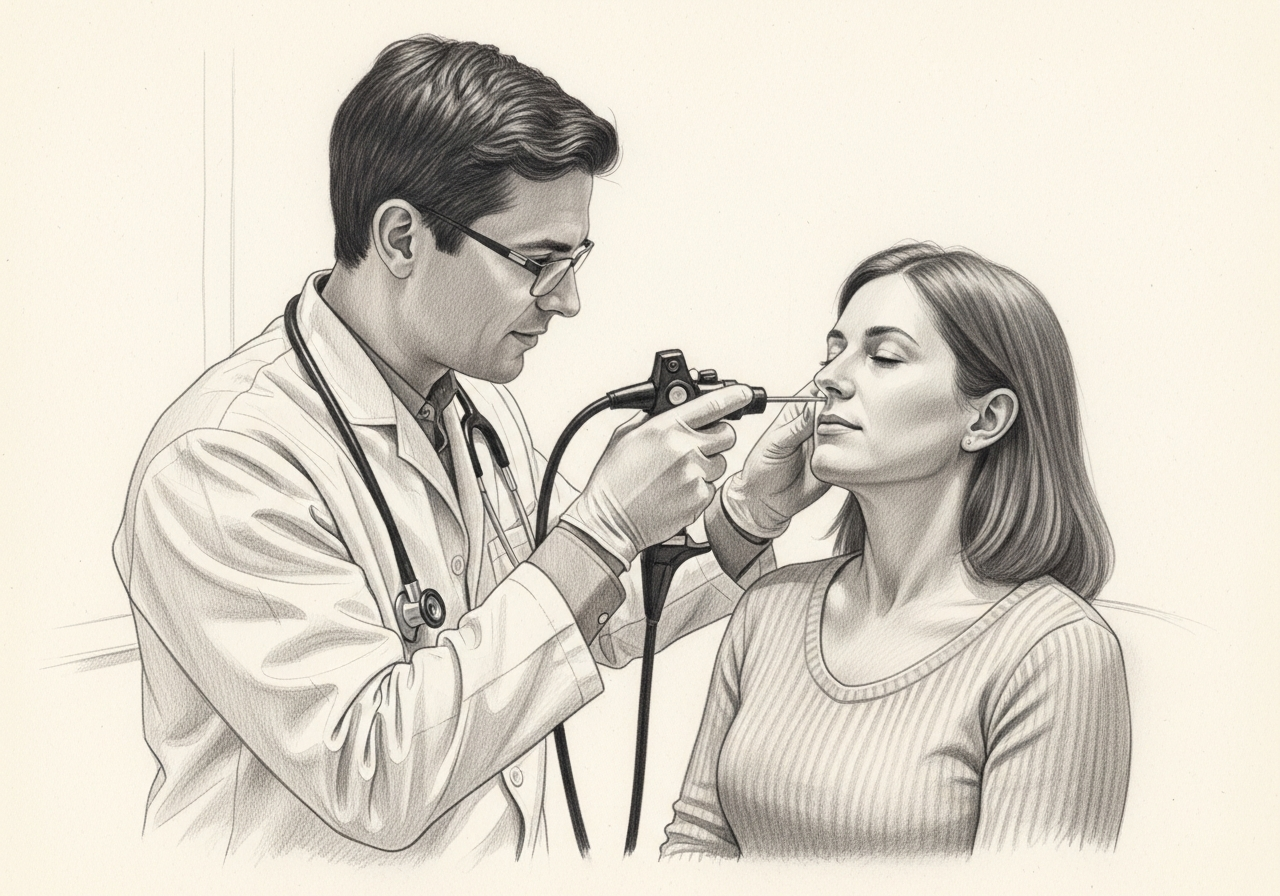
Living with sphenoid sinus disease? The next step is a quiet, unhurried conversation.
Evaluation and treatment pathway
Care generally follows a stepwise path:
- Clarify the symptom pattern, duration, triggers, prior treatment, operations, medications, and relevant medical history.
- Rely on the symptom pattern, cranial-nerve and nasal examination, endoscopy, and detailed CT or MRI review. One-sided or atypical disease may require a tissue diagnosis rather than empiric treatment alone.
- Identify important look-alikes, complications, and contributors before settling on a definitive diagnosis.
- Match treatment to the cause: medical therapy may be appropriate for selected inflammatory disease, while endoscopic drainage, biopsy, or removal is considered for persistent obstruction, fungal material, mucoceles, tumors, or complications.
- Set a measurable follow-up plan covering symptom goals, objective reassessment, medication response, and imaging or surveillance when appropriate.
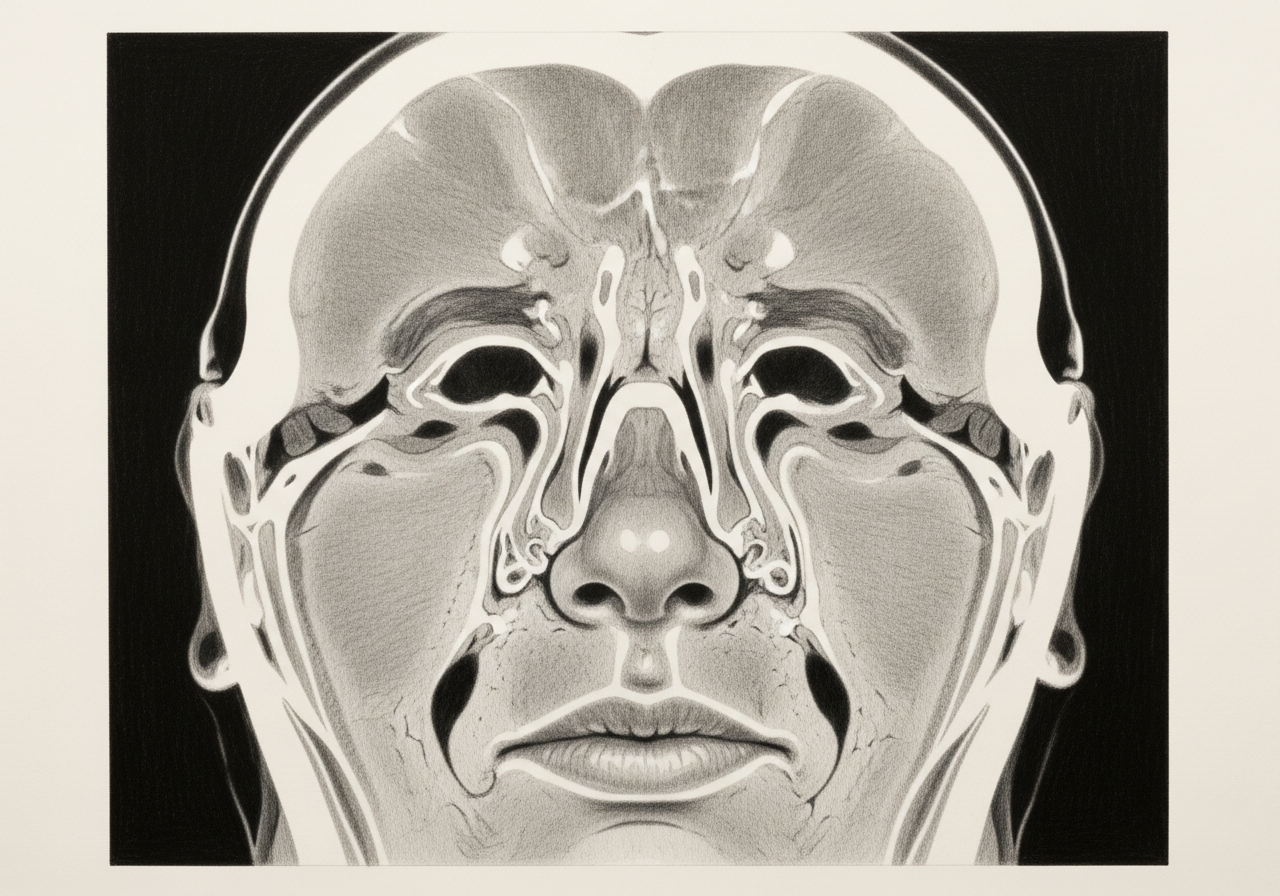
Deep anatomy and why symptoms can be atypical
The sphenoid sinus sits deep in the center of the head, surrounded by the optic nerves, carotid arteries, pituitary gland, and skull base. Because it is far from the front of the face, sphenoid disease may not cause the classic facial pressure of other sinus problems. Instead it can produce headache felt deep in the head, behind the eyes, or at the top of the head.
Causes
Sphenoid disease can be caused by ongoing inflammation or infection, a fungal ball, a mucocele that traps and expands mucus, or, less often, a benign or malignant tumor. Isolated, one-sided sphenoid disease is one situation where imaging and sometimes biopsy are important to clarify the cause.
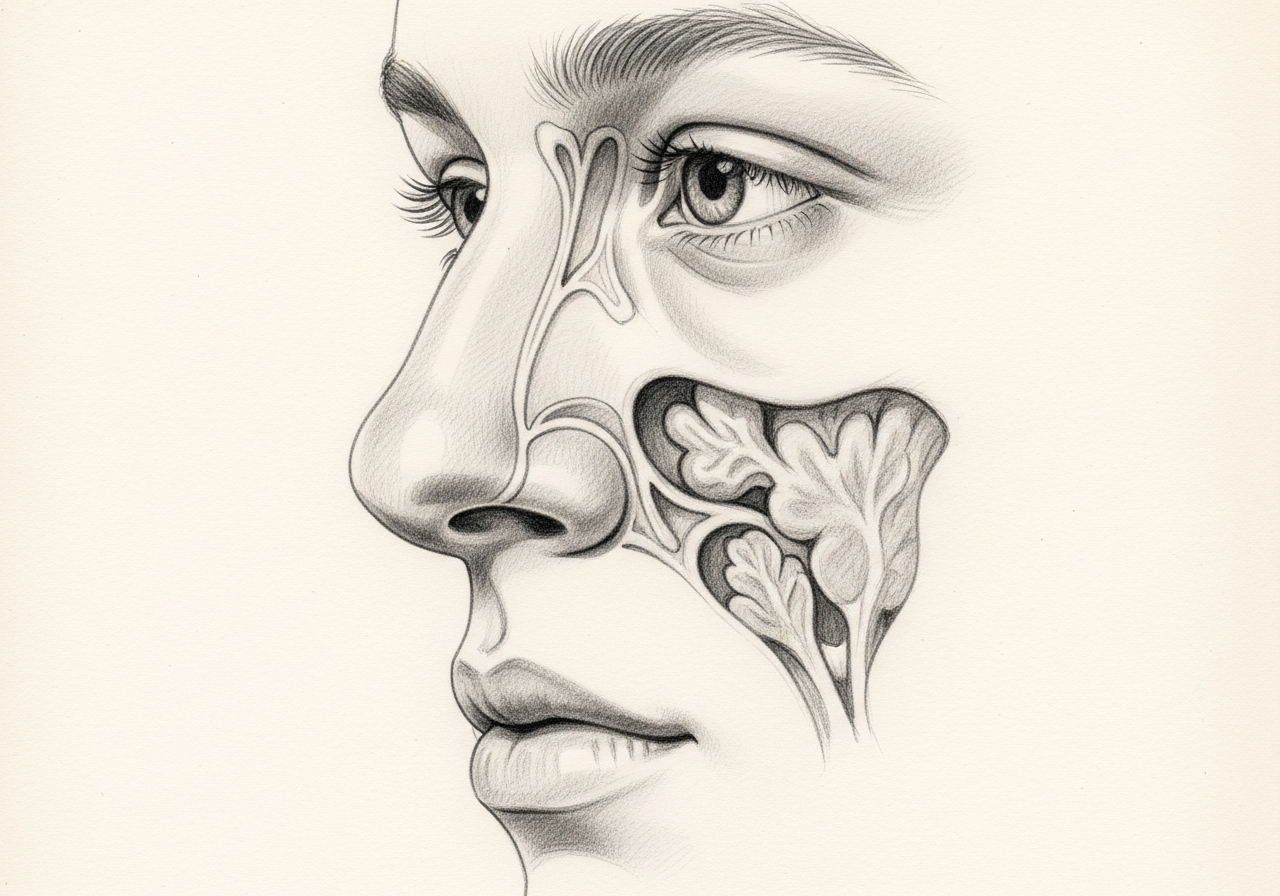
Treatment options
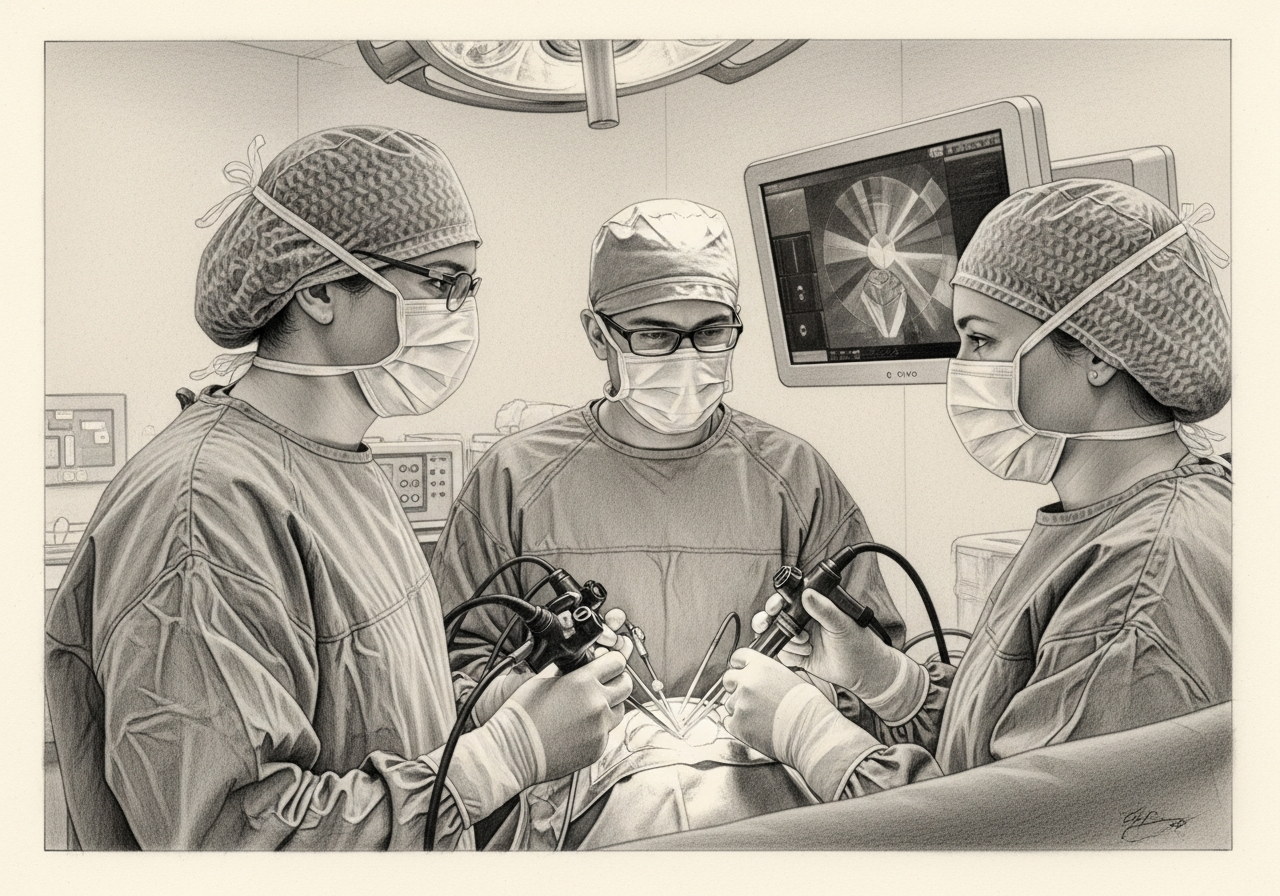
Many cases respond to medical therapy such as saline irrigation, topical steroids, and treatment directed at the underlying cause. Endoscopic sphenoid surgery is considered when medical therapy is not enough, when a fungal ball or mucocele needs to be cleared, or when a tissue diagnosis is required. Because of the nearby nerves and vessels, surgery in this region is planned carefully and may involve skull-base coordination.
What to bring to your consultation
Bringing the right records helps make the visit focused and useful. Where available, gather:
- Imaging files and reports, including CT and any MRI
- Endoscopy or operative findings from prior care
- Pathology results from any biopsy or surgery
- Relevant laboratory results
- Notes from prior treatment and a current medication list
- The specific question you would like answered
When to seek urgent care
Sudden or progressive vision change, double vision, eyelid droop, facial numbness, severe or unusual headache, neurologic change, fever with marked illness, or neck stiffness requires urgent or emergency assessment.
Medical review
This page is a patient-education resource reviewed by the responsible Norelle ENT clinician before publication. It does not replace an in-person evaluation. If symptoms are severe or rapidly worsening, seek immediate medical care.
Specialists who treat sphenoid sinus disease
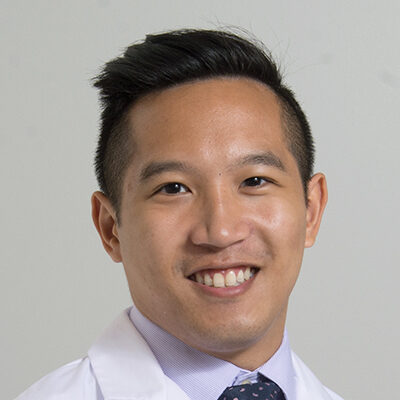
Dr. Adrian Ong
MD
Board-Certified Facial Plastic & Reconstructive and Head & Neck Surgeon
Dr. Adrian Ong is a board-certified surgeon who practices exclusively on the face, head, and neck, with expertise spanning rhinoplasty, sinus surgery, facial trauma, reconstruction, and sleep surgery.
- Functional and aesthetic rhinoplasty (including revision)
- Sinus surgery and complex revision sinus surgery
- Facial trauma and nasal fractures
- Head and neck cancer surgery and microvascular reconstruction
Also caring for this area


Not sure who to see? Our patient coordination team can help match you with the right specialist.
(212) 444-8006Frequently Asked Questions
Sphenoid sinus disease includes inflammatory, infectious, fungal, cystic, and neoplastic processes affecting the deeply located sphenoid sinus.
Evaluation relies on the symptom pattern, cranial-nerve and nasal examination, endoscopy, and detailed CT or MRI review. One-sided or atypical disease may require a tissue diagnosis rather than empiric treatment alone.
Treatment depends on the cause. Medical therapy may be appropriate for selected inflammatory disease; endoscopic drainage, biopsy, or removal is considered for persistent obstruction, fungal material, mucoceles, tumors, or complications.
Sudden or progressive vision change, double vision, eyelid droop, facial numbness, severe or unusual headache, neurologic change, fever with marked illness, or neck stiffness requires urgent or emergency assessment.
Clinical References
These independent resources from medical and professional organizations offer further reading. They are provided for general education and do not replace a consultation with a clinician.
Related Procedures

1 of 2 · Image-Guided Sinus Surgery
Related Conditions

1 of 3 · Unilateral Sinus Disease
Request a consultation for sphenoid sinus disease
Schedule an evaluation with our team to review your symptoms and the appropriate next steps.