Overview
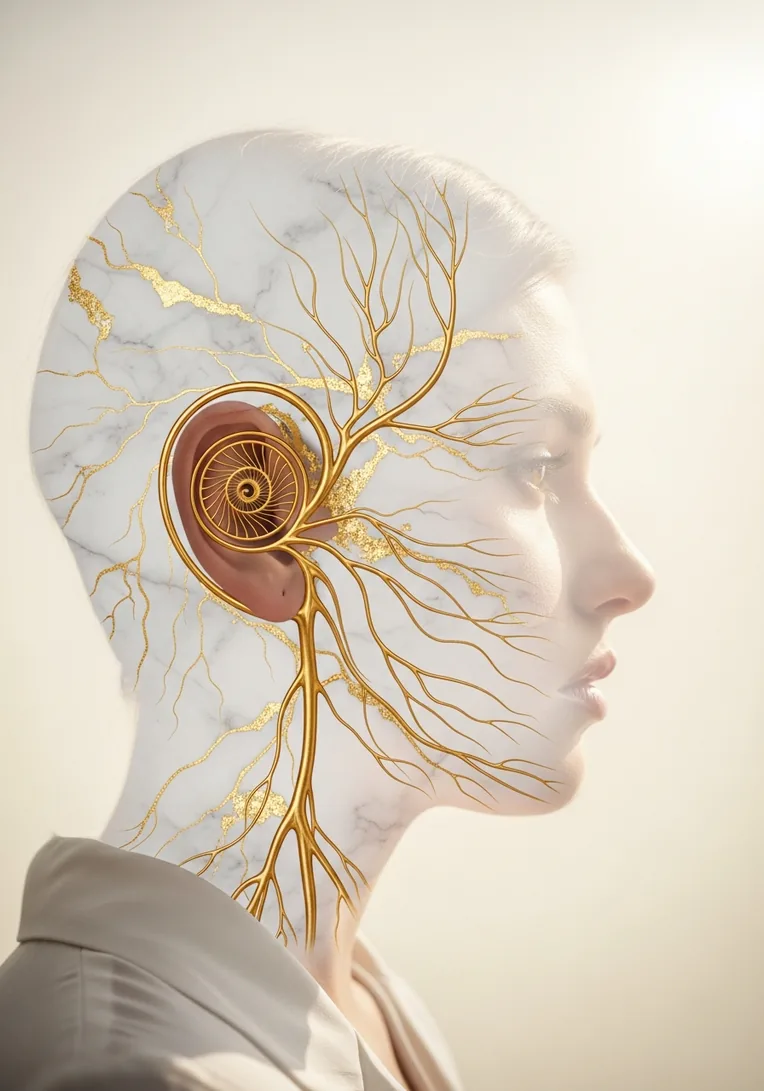
A vestibular schwannoma, also called an acoustic neuroma, is a benign tumor that grows from the nerve responsible for hearing and balance. Because this nerve runs alongside the facial nerve through a narrow bony canal, a larger tumor, or the surgery or radiation used to treat it, can affect facial nerve function.
Facial weakness related to a vestibular schwannoma can range from subtle asymmetry to more noticeable difficulty closing the eye, smiling, or moving one side of the face. Hearing loss, ringing in the ear, and balance changes are often present as well, since the tumor begins on the hearing and balance nerve.
Care focuses on protecting the eye, supporting facial function, and coordinating with the team managing the tumor, with neurosurgery collaboration when appropriate. Depending on the situation, options range from facial rehabilitation and eyelid protection to nerve and facial reanimation procedures.
Symptoms
Facial symptoms can range from subtle asymmetry to clear difficulty closing the eye, smiling, or moving one side of the face. Because the tumor begins on the hearing and balance nerve, one-sided hearing loss, ringing in the ear, and imbalance are common.
Incomplete eyelid closure can cause dryness and irritation of the eye, which needs attention to protect the eye surface.
Living with vestibular schwannoma-related facial weakness? The next step is a quiet, unhurried conversation.
Causes and risk factors
The underlying cause is the tumor's location next to the facial nerve in the internal auditory canal. Facial weakness may develop as a larger tumor presses on the nerve, or after treatment of the tumor with surgery or radiation.
The likelihood and degree of facial weakness depend on factors such as tumor size and the treatment used, which are discussed with the team managing the tumor.
How it is diagnosed
Evaluation grades the degree of facial weakness and checks the eye's ability to close, while audiograms and vestibular testing are arranged through referral and coordinated with the team managing the tumor. The history of a known vestibular schwannoma or its treatment is central to the assessment.
Imaging is generally managed by the team caring for the tumor. Facial evaluation focuses on function, eye protection, and the potential for rehabilitation or reanimation.
Treatment options
Care is individualized and coordinated:
- Eye protection with lubrication, taping, a moisture chamber, or an upper eyelid weight
- Facial physical therapy and neuromuscular retraining
- Botulinum toxin for asymmetry or synkinesis
- Nerve transfer procedures in selected cases
- Static suspension or facial reanimation surgery for lasting weakness
- Coordination with the tumor team, with neurosurgery collaboration when appropriate
The approach depends on whether facial nerve recovery is expected and on each person's goals and overall plan.
When to seek care
Evaluation is helpful when facial weakness develops in the setting of a known vestibular schwannoma or after its treatment, particularly when eyelid closure is incomplete. Protecting the eye is a priority to prevent dryness and injury.
Report new or worsening facial weakness, severe headache, or rapid changes in hearing or balance to your care team promptly.
Clinical references
Medical review
This page is a patient-education resource reviewed by the responsible Norelle ENT clinician before publication. It does not replace an in-person evaluation. If symptoms are severe or rapidly worsening, seek immediate medical care.
Patient Results
Before and After: Facial Paralysis
Photographs of Norelle ENT patients, published with consent. Individual results vary.
Specialists who treat vestibular schwannoma-related facial weakness

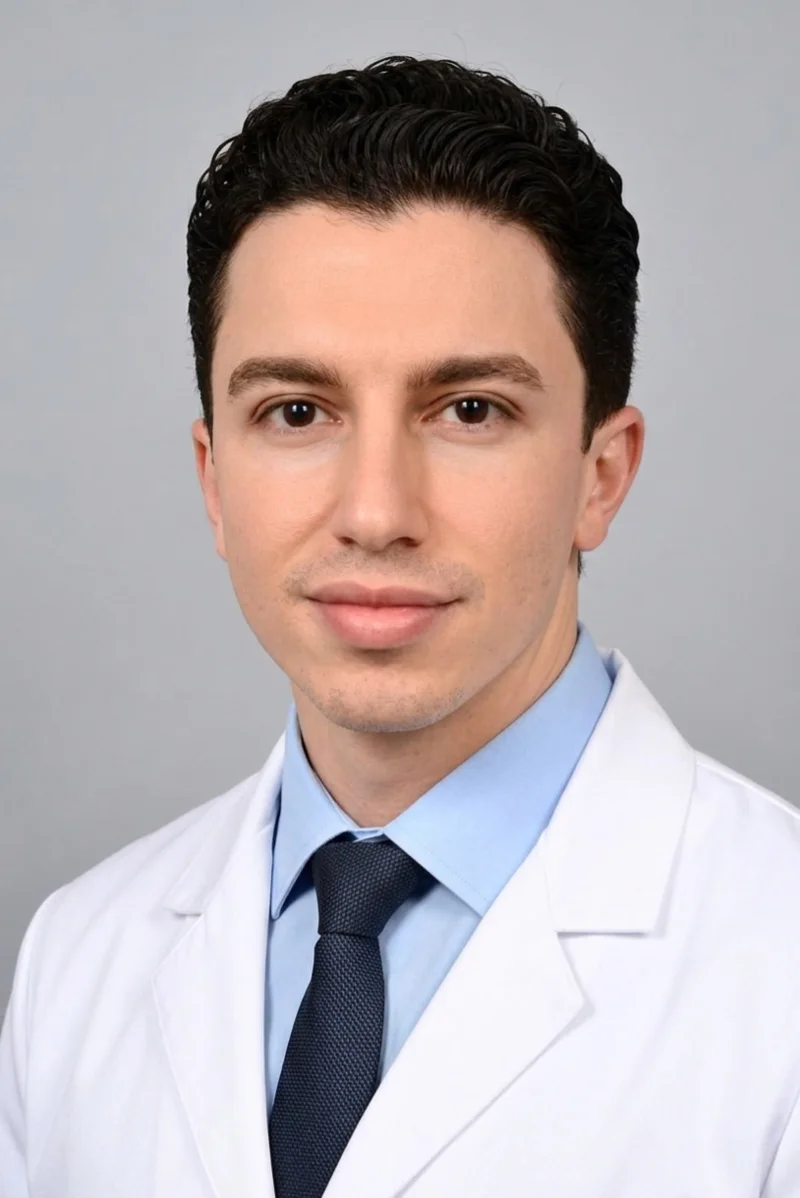
Dr. Rakhna Araslanova
MD, FRCSC, FACS
Fellowship-Trained Facial Plastic & Reconstructive Surgeon — Facial Paralysis and Reanimation
Dr. Rakhna Araslanova is a fellowship-trained facial plastic and reconstructive surgeon who leads facial paralysis and reanimation at Norelle ENT, with additional expertise in craniofacial reconstruction and aesthetic facial plastic surgery.
- Facial paralysis rehabilitation and surgical reanimation
- Craniofacial reconstruction
- Aesthetic facial plastic surgery
- Rhinoplasty
Also caring for this area


Not sure who to see? Our patient coordination team can help match you with the right specialist.
(212) 444-8006Frequently Asked Questions
A vestibular schwannoma, also called an acoustic neuroma, is a benign tumor that grows from the nerve responsible for hearing and balance. Because this nerve sits next to the facial nerve, the tumor or its treatment can affect facial movement.
The facial nerve runs through the same narrow canal as the hearing and balance nerve. Pressure from a larger tumor, or the surgery or radiation used to treat it, can affect the facial nerve and lead to weakness.
Eye protection may include lubricating drops and ointment, taping the eye at night, a moisture chamber, and, when needed, an upper eyelid weight. Protecting the eye surface helps prevent dryness and injury while facial function is addressed.
It depends on whether the facial nerve is expected to recover. Options range from facial physical therapy and botulinum toxin to nerve transfer or reanimation procedures for lasting weakness. The plan is individualized and coordinated with your tumor care team.
Some weakness improves over time, while some is lasting, depending on the tumor and its treatment. Even when weakness persists, rehabilitation and reanimation options can improve symmetry, eye protection, and comfort.
The tumor is managed by the appropriate team, with neurosurgery collaboration when appropriate. Facial care focuses on eye protection, facial function, and rehabilitation, coordinated with that team.
Facial reanimation refers to a group of procedures that restore movement or symmetry to a face affected by nerve weakness, including nerve transfers, muscle transfers, and static support techniques. The right option depends on your situation and goals.
Related Procedures

1 of 3 · Facial Nerve Repair
Related Conditions

Request a consultation for vestibular schwannoma-related facial weakness
Schedule an evaluation with our team to review your symptoms and the appropriate next steps.