
About the Procedure
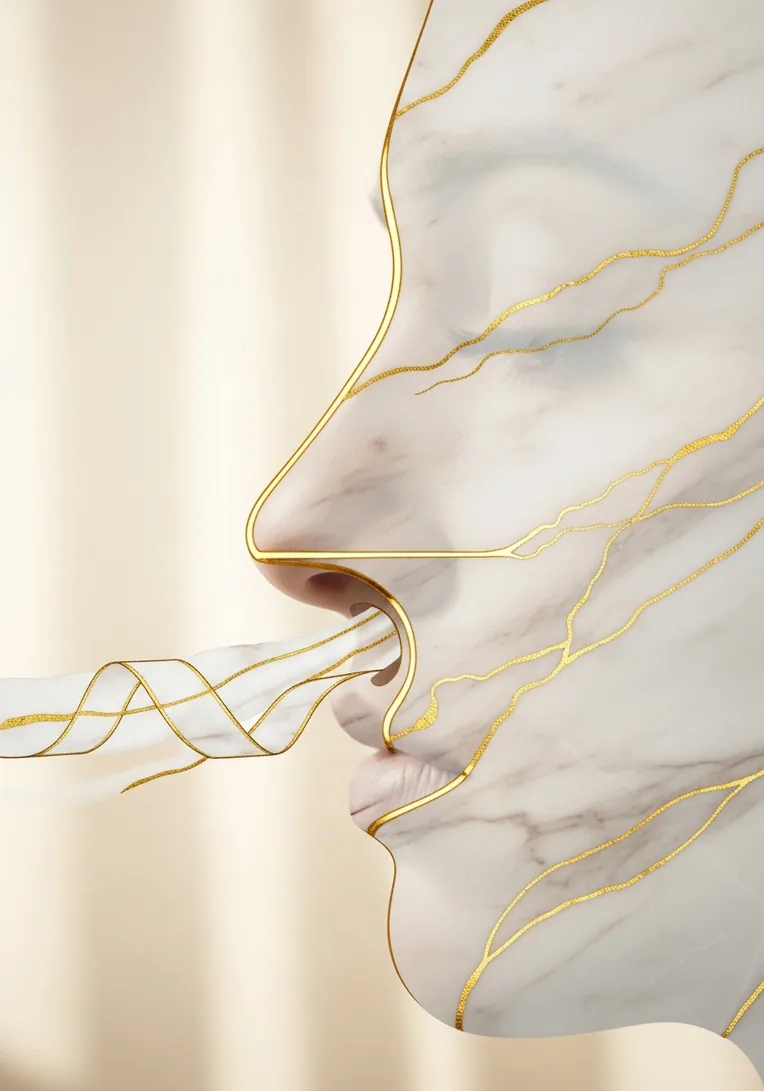
Septoplasty is a procedure to straighten a deviated nasal septum, the wall of cartilage and bone that divides the two sides of the nose. A deviated septum narrows one or both nasal passages and can be a significant source of nasal obstruction that affects sleep and CPAP use.
In the context of sleep apnea, septoplasty is not a primary treatment for the apnea itself but addresses nasal blockage that contributes to snoring, mouth breathing, and difficulty tolerating CPAP. It is frequently combined with turbinate reduction or nasal valve treatment for fuller relief.
At Norelle Health, septoplasty is recommended when a deviated septum is a clear, contributing cause of nasal obstruction. We evaluate the whole nasal airway so that surgery targets the structures actually limiting airflow.
Who may be a candidate
Septoplasty is considered when a deviated septum meaningfully blocks nasal airflow and contributes to disrupted sleep, snoring, or CPAP intolerance.
It is often recommended when nasal sprays and allergy treatment have not relieved the obstruction. Examination, sometimes with endoscopy, confirms that the septum is the source of the blockage.
Considering septoplasty for sleep apnea? The next step is a quiet, unhurried conversation.
How it is performed
Septoplasty is performed through the inside of the nose, so there are no external incisions. The surgeon lifts the lining, straightens or removes the deviated portions of cartilage and bone, and repositions the septum toward the midline.
It is commonly combined with turbinate reduction or nasal valve repair when those structures also contribute to obstruction. Most cases are outpatient procedures under anesthesia.
Recovery and aftercare
Recovery is generally well tolerated.
- Expect congestion and mild discomfort for the first week
- Use saline rinses to clear crusting and support healing
- Avoid heavy lifting and vigorous exercise for a short period
- Light bleeding early on is common and usually settles
- Breathing improves gradually as internal swelling resolves

Risks and alternatives
Risks are uncommon and may include bleeding, infection, a small hole in the septum (perforation), temporary numbness of the upper teeth, and incomplete improvement or recurrence requiring revision.
Alternatives include nasal steroid sprays, allergy treatment, and nasal dilators for milder cases. For the sleep apnea itself, CPAP, oral appliances, and airway surgery remain the main treatments.
Results and follow-up
Septoplasty can substantially improve nasal breathing when a deviated septum is the cause, which may reduce snoring and improve CPAP comfort and adherence. It does not by itself treat moderate to severe sleep apnea.
Follow-up confirms healing and breathing improvement and revisits the overall sleep plan, which may still include CPAP, an oral appliance, or further airway treatment.
Medical review
This page is a patient-education resource reviewed by the responsible Norelle Health clinician before publication. It does not replace an in-person evaluation. If symptoms are severe or rapidly worsening, seek immediate medical care.
Specialists who perform septoplasty for sleep apnea

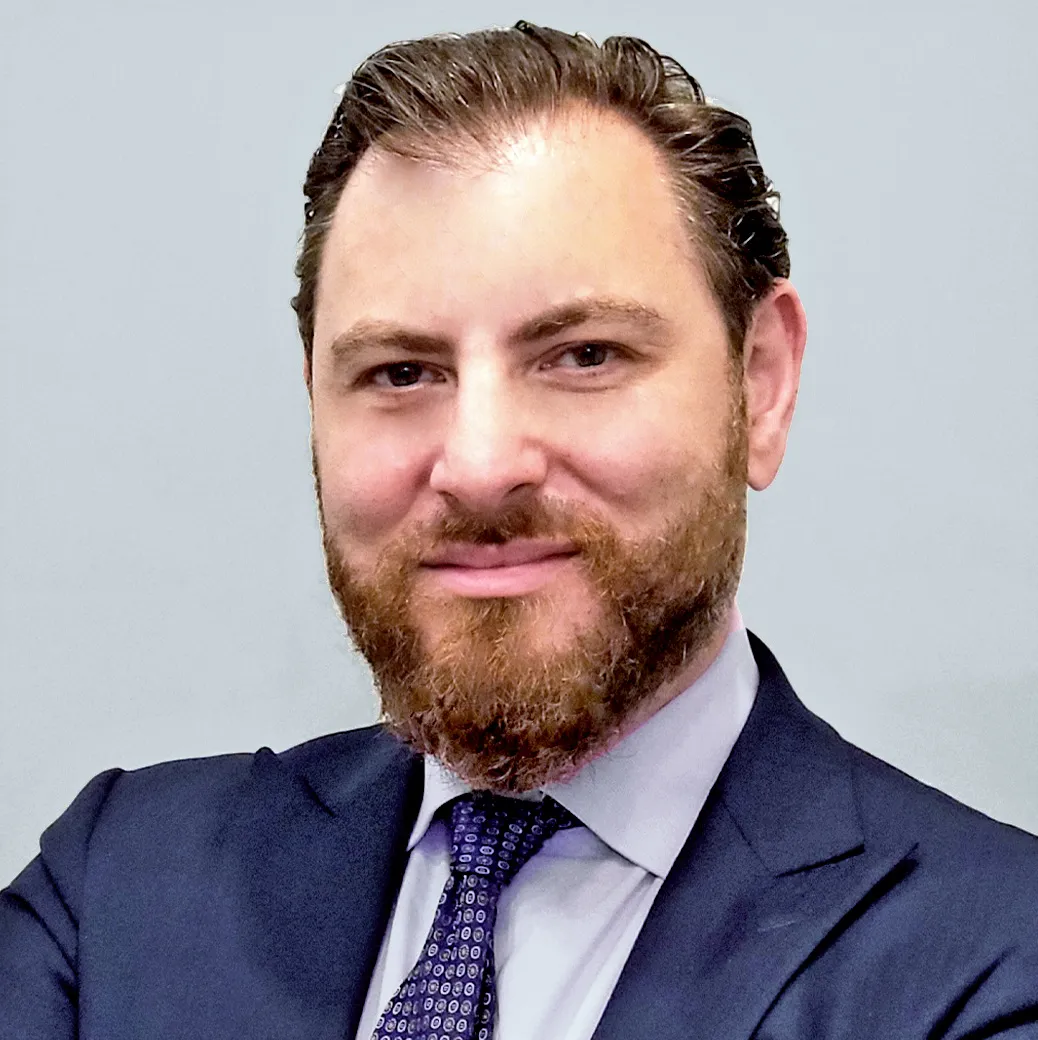
Dr. Adrian Ong
MD
Board-Certified Facial Plastic & Reconstructive and Head & Neck Surgeon
Dr. Adrian Ong is a board-certified surgeon who practices exclusively on the face, head, and neck, with expertise spanning rhinoplasty, sinus surgery, facial trauma, reconstruction, and sleep surgery.
- Functional and aesthetic rhinoplasty (including revision)
- Sinus surgery and complex revision sinus surgery
- Facial trauma and nasal fractures
- Head and neck cancer surgery and microvascular reconstruction
Also caring for this area
Not sure who to see? Our patient coordination team can help match you with the right specialist.
(212) 444-8006Frequently Asked Questions
No. Septoplasty corrects a deviated septum to improve nasal breathing, which can reduce snoring and help CPAP tolerance, but moderate to severe sleep apnea usually requires additional treatment.
An examination, sometimes with nasal endoscopy, can show a significant deviation that narrows the nasal passage and correlates with your symptoms of blockage.
No. Septoplasty is performed through the inside of the nose, so there are no external incisions or facial scars.
Yes. Turbinate reduction or nasal valve repair is frequently performed at the same time when those structures also contribute to nasal obstruction.
Most patients return to light activity within a few days to a week, with congestion and the need for saline rinses early on and gradual improvement in breathing over a few weeks.
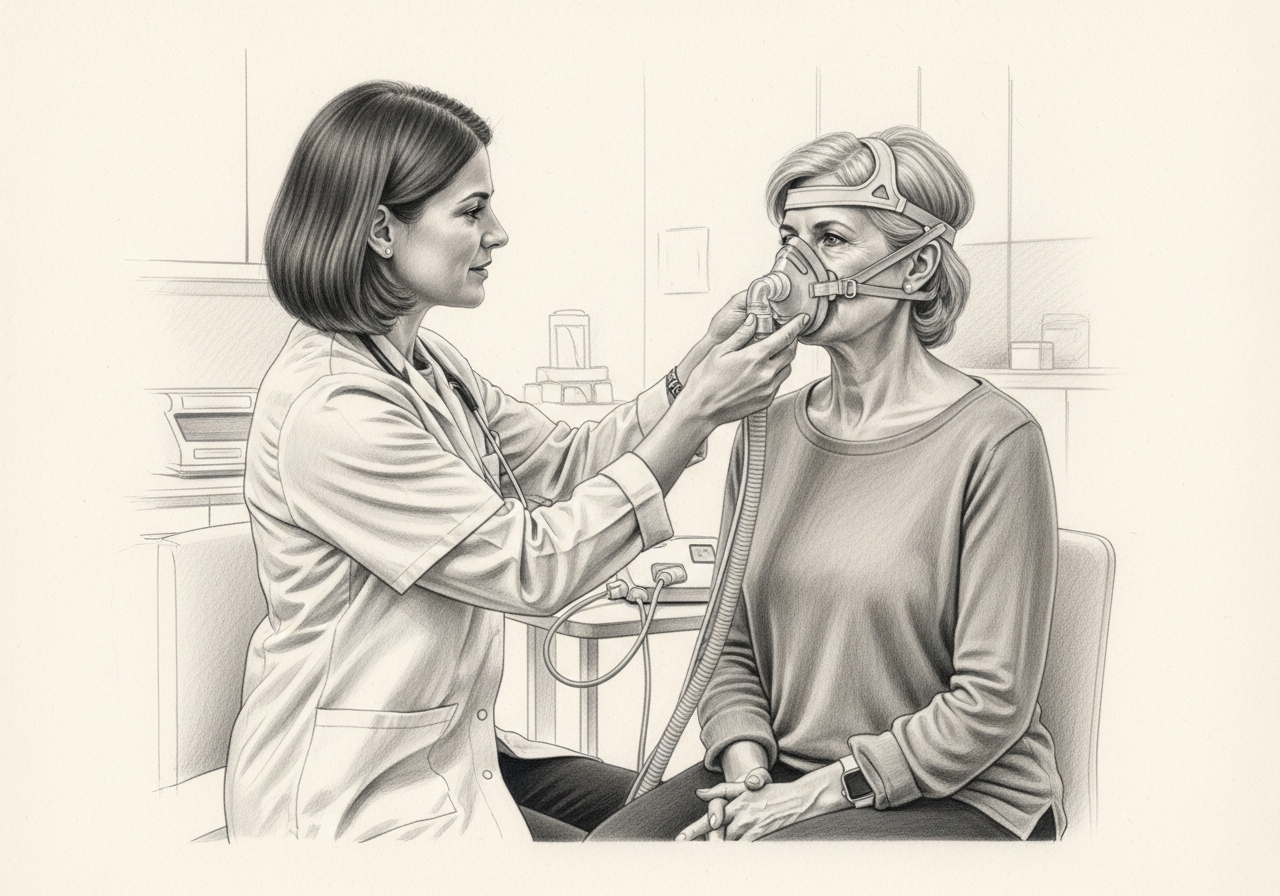
By improving nasal airflow, septoplasty can make CPAP more comfortable and easier to tolerate for patients whose use was limited by nasal obstruction.
Nasal steroid sprays, allergy treatment, and nasal dilator strips can help milder obstruction, though they do not correct a structurally deviated septum.
Related Conditions

1 of 4 · Deviated Septum
Related Procedures
1 of 4 · Turbinate Reduction for Sleep Apnea
Request a consultation about septoplasty for sleep apnea
Schedule a consultation with our team to discuss whether this procedure is the right option for you.