

About the Procedure
Advanced frontal sinus procedures are reserved for disease that cannot be adequately managed with medical therapy or a more limited drainage procedure. Rather than treating technique names as labels, care begins with the underlying anatomic problem, any prior surgery, the extent of disease, and the specific goal of the proposed approach.
The frontal sinus drains through one of the narrowest and most complex pathways in the nose, close to the eye socket and skull base. When this pathway is blocked by inflammation, polyps, scarring, or unfavorable anatomy, a more complete opening may be needed. The right extent of surgery is matched to the individual diagnosis and anatomy rather than applied the same way to every patient.
What this evaluation should clarify
A focused evaluation should answer a few key questions before any procedure is recommended:
- Is the underlying diagnosis and treatment goal established with the right examination, imaging, testing, or pathology?
- How does this option compare with continued medical care, a different procedure, observation, or referral to another specialty?
- Which anatomy, prior treatment, other health conditions, benefits, risks, and recovery requirements change the recommendation?
Considering advanced frontal sinus surgery? The next step is a quiet, unhurried conversation.
Evaluation and treatment pathway
The pathway is individualized and generally follows these steps:
- Confirm the diagnosis, the treatment goal, and the reasons a less invasive or nonsurgical approach is not enough.
- Review high-quality CT imaging, nasal endoscopy, details of any prior surgery, and the location of disease to judge whether a more limited approach can achieve the goal.
- Consider alternatives, including continued medical care, a more limited frontal procedure, observation for selected findings, external or combined approaches in uncommon cases, or referral when specific expertise or facilities are needed.
- When surgery is appropriate, the procedure may enlarge one or both frontal drainage pathways and remove obstructing partitions or scar tissue while protecting the skull base and eye socket; technique, which side is treated, and reconstruction are individualized.
- Recovery may require close endoscopic follow-up, topical therapy, and cleaning visits to manage crusting and scarring, with long-term monitoring based on the underlying inflammatory, cystic, or tumor diagnosis.
How it is performed
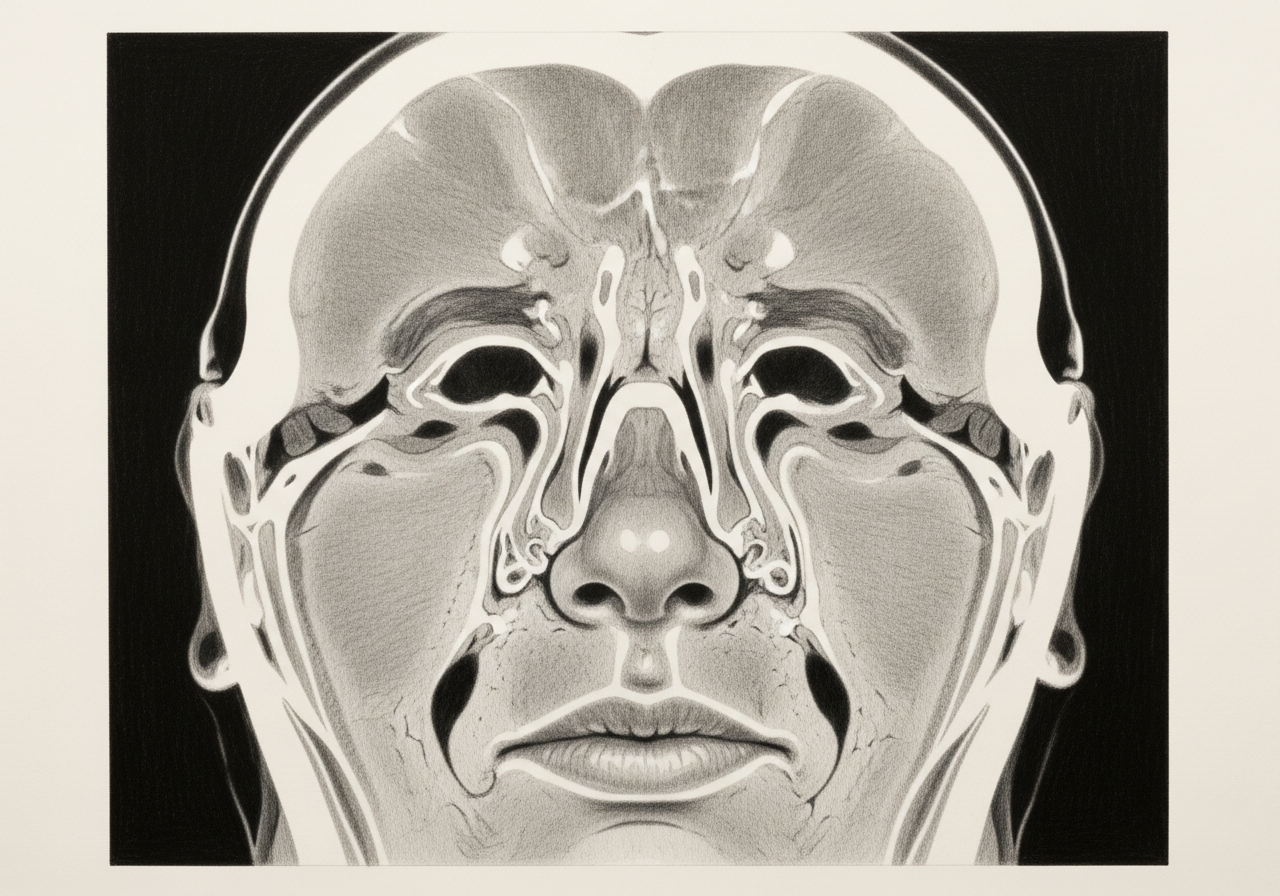
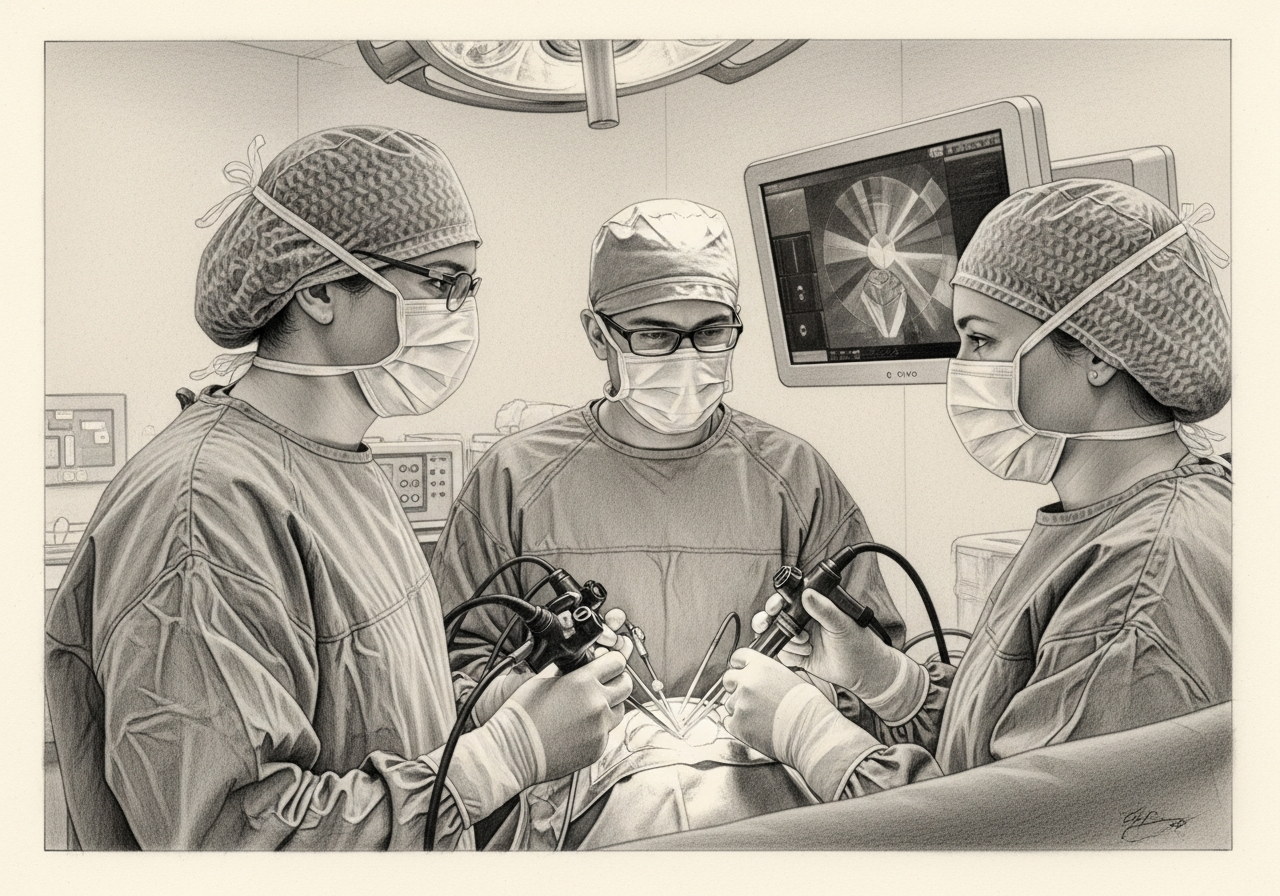
The procedure is performed through the nostrils using endoscopes and specialized instruments, without external incisions. Image guidance is often used to navigate the frontal recess safely.
The surgeon removes the bony partitions and inflamed tissue that block the frontal outflow, and in more extensive cases may create a single wide drainage channel between the frontal sinuses. Healthy mucosa is preserved where possible to reduce scarring.
Risks and alternatives
Possible risks include bleeding, infection, crusting, scarring, recurrence, and changes in smell. Because the frontal sinus borders the eye socket and skull base, there are less common risks of eye-related complications or a cerebrospinal fluid leak, which the team works carefully to avoid.
Alternatives may include continued medical therapy, allergy management, or a more limited sinus procedure. The least invasive option likely to help is generally preferred.

Results and follow-up
When successful, advanced frontal sinus surgery improves frontal drainage and ventilation and allows topical medication to control inflammation. It does not cure the underlying tendency toward inflammation, so ongoing rinses or topical medication are frequently continued.
Follow-up endoscopy helps confirm that the frontal opening remains patent and addresses early scarring before it causes problems.
What to bring to your consultation
Gathering the right records ahead of time helps make the consultation productive. Useful items include:
- Imaging files and reports, such as prior sinus CT scans
- Endoscopy or operative findings from earlier care
- Pathology results, if any
- Relevant laboratory results
- Notes from prior treatment
- A current medication list
- The specific question you want answered
When to seek urgent care
After surgery, certain symptoms call for urgent assessment, including vision changes, major bleeding, a severe or escalating headache, clear watery drainage, fever with a stiff neck, neurologic symptoms, or rapidly increasing forehead swelling. A routine appointment request or online form is not an emergency service; for emergency symptoms, seek immediate care.
Medical review
This page is a patient-education resource reviewed by the responsible Norelle Health clinician before publication. It does not replace an in-person evaluation. If symptoms are severe or rapidly worsening, seek immediate medical care.
Specialists who perform advanced frontal sinus surgery
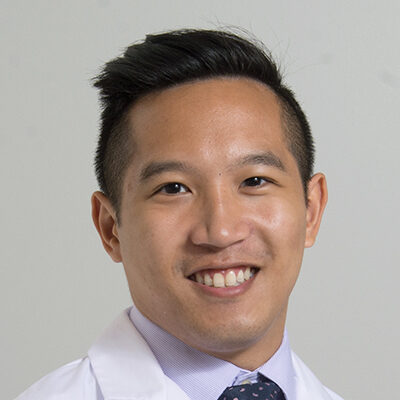
Dr. Adrian Ong
MD
Board-Certified Facial Plastic & Reconstructive and Head & Neck Surgeon
Dr. Adrian Ong is a board-certified surgeon who practices exclusively on the face, head, and neck, with expertise spanning rhinoplasty, sinus surgery, facial trauma, reconstruction, and sleep surgery.
- Functional and aesthetic rhinoplasty (including revision)
- Sinus surgery and complex revision sinus surgery
- Facial trauma and nasal fractures
- Head and neck cancer surgery and microvascular reconstruction
Also caring for this area

Not sure who to see? Our patient coordination team can help match you with the right specialist.
(212) 444-8006Frequently Asked Questions
Candidacy depends on careful CT review, nasal endoscopy, details of any prior surgery, the location of disease, and why a less extensive approach is unlikely to achieve the goal.
The approach may enlarge one or both frontal drainage pathways and remove obstructing partitions or scar tissue while protecting the skull base and eye socket. Technique, which side is treated, and reconstruction are individualized.
Alternatives include continued medical care, a more limited frontal procedure, observation for selected findings, external or combined approaches in uncommon cases, or referral when specific expertise or facilities are needed.
Recovery may require close endoscopic follow-up, topical therapy, and cleaning visits to manage crusting and scarring. Long-term monitoring depends on the underlying inflammatory, cystic, or tumor diagnosis.
Clinical References
These independent resources from medical and professional organizations offer further reading. They are provided for general education and do not replace a consultation with a clinician.
Related Conditions

1 of 2 · Frontal Sinus Disease
Related Procedures

1 of 2 · Image-Guided Sinus Surgery
Request a consultation about advanced frontal sinus surgery
Schedule a consultation with our team to discuss whether this procedure is the right option for you.