

About the Procedure
A facelift, also called rhytidectomy, is a surgical procedure that addresses sagging skin, deepening folds, and loss of definition along the lower face, jawline, and neck. Rather than only tightening skin, modern techniques reposition the deeper support layer of the face to create a result that is meant to look natural rather than pulled.
Facial aging is influenced by changes in skin elasticity, fat distribution, muscle, and underlying bone, as well as sun exposure and genetics. A facelift can soften these changes in the lower two-thirds of the face but does not stop the aging process or treat the forehead, brow, or eyelids, which may be addressed with separate procedures.
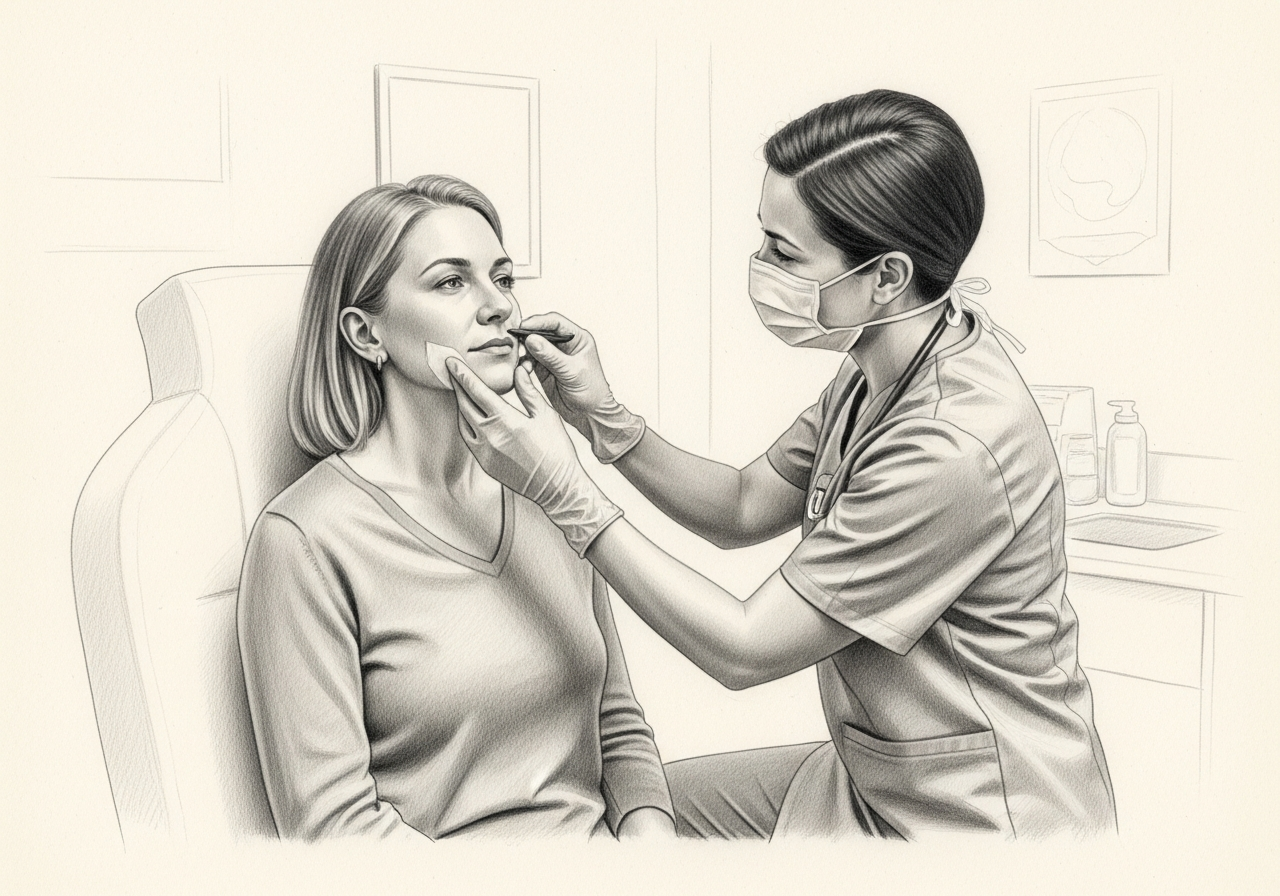
At Norelle Health, a facelift is considered only after a detailed discussion of your concerns, facial anatomy, skin quality, health history, and goals. The aim is to determine whether surgery is appropriate and which technique best matches what you want to change.
Who may be a candidate
A facelift may be considered when:
- Sagging of the cheeks, jowls, or neck is bothersome
- Skin still has reasonable elasticity
- Overall health supports elective surgery
- Expectations are realistic
People who smoke, have uncontrolled medical conditions, or are seeking changes better addressed by nonsurgical treatment may not be good candidates, or may need to address those factors first.
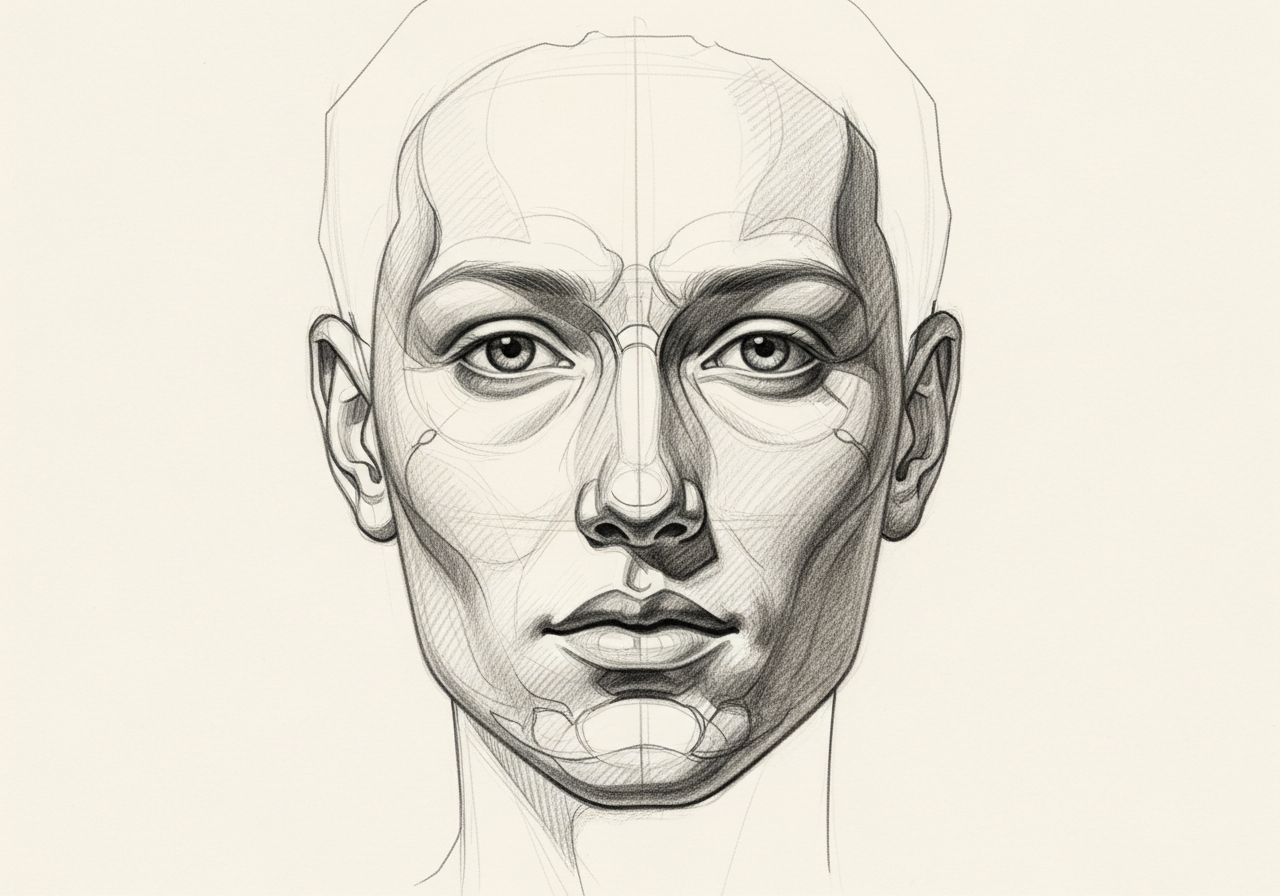
Considering facelift? The next step is a quiet, unhurried conversation.
How it is performed
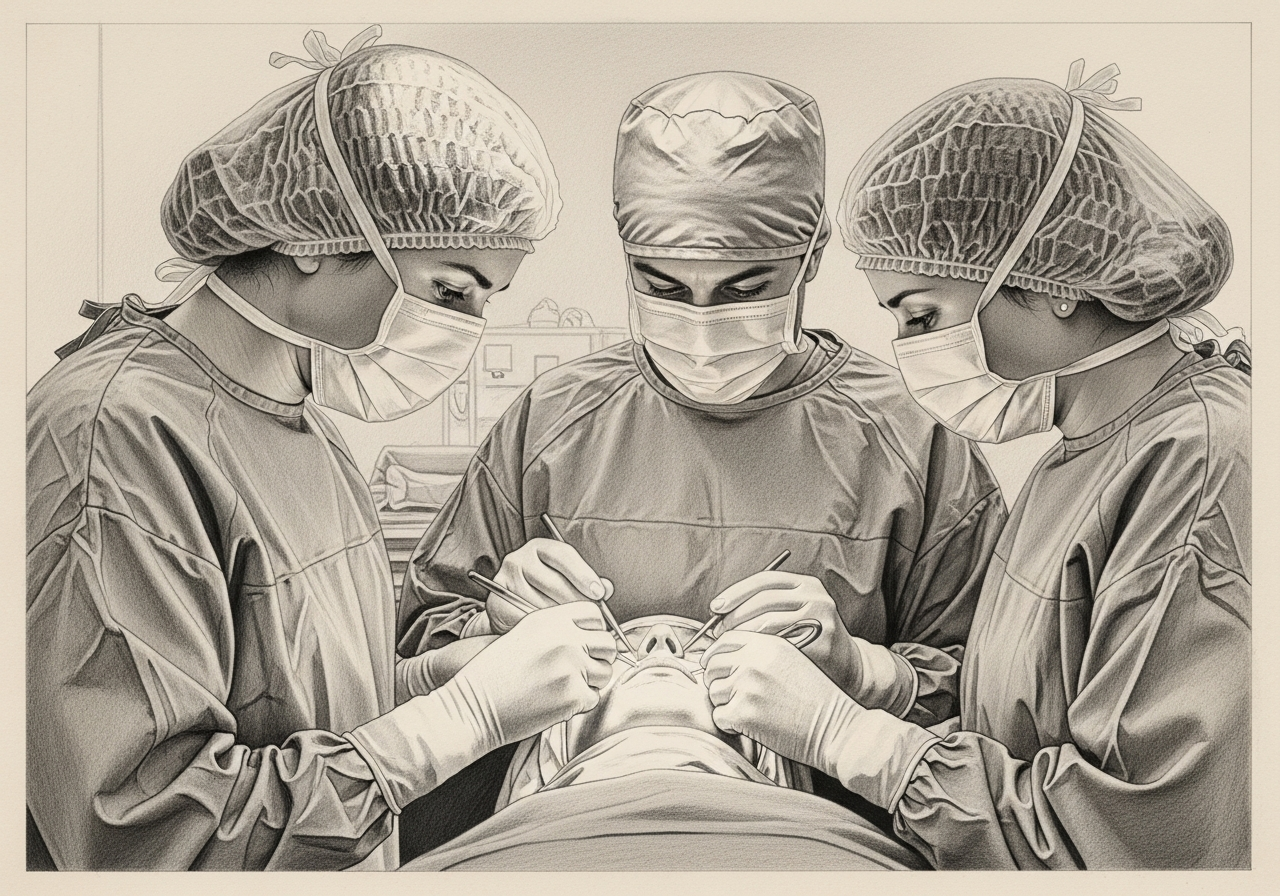
A facelift is usually performed under general anesthesia or deep sedation. Incisions are typically placed around the ear and into the hairline so they are concealed as they heal. The surgeon repositions the deeper support layer, addresses the neck when needed, removes excess skin, and closes the incisions.
The specific technique is tailored to your anatomy and goals, and a facelift is often combined with a brow lift, eyelid surgery, or fat grafting in the same setting when appropriate.
Recovery and aftercare
Expect swelling, bruising, tightness, and temporary numbness in the early weeks. A dressing or drains may be used initially, and your team will give instructions on incision care, head positioning, and activity.
Many people resume light activity within about two weeks, while strenuous exercise is restricted longer. Results continue to settle over several months.
Risks and alternatives
Possible risks include bleeding or a collection of blood under the skin (hematoma), infection, poor scarring, temporary or, rarely, lasting nerve weakness affecting facial movement or sensation, skin healing problems, hair changes near incisions, and asymmetry.
Alternatives may include nonsurgical skin tightening, injectable treatments, or addressing only a limited area. The right choice depends on the degree of laxity and your goals.
Results and follow-up
A facelift is intended to produce a more rested lower-face and neck contour that can last for years, though the face continues to age over time. Follow-up visits monitor healing and scar maturation.
Maintaining results may involve skin care, sun protection, and avoiding smoking. Additional procedures can be considered later if desired.
Addressing facial asymmetry
Most faces are naturally a little uneven, and aging does not always progress at the same rate on both sides. Sun exposure, sleeping position, prior surgery, dental changes, or facial nerve weakness can leave one side more lax, heavier, or more lined than the other.
When asymmetry is a primary concern, the lift can be planned differently on each side, adjusting how much of the deeper support layer is repositioned and how much skin is removed so the two sides come into better balance. The aim is improved balance and a natural appearance rather than perfect symmetry, which no procedure can guarantee.
Uneven facial appearance can have causes a facelift will not correct. When the imbalance comes mainly from facial nerve weakness, volume loss, or eyelid and brow position, those causes are evaluated first and may be treated on their own or alongside surgery.
Clinical references
Medical review
This page is a patient-education resource reviewed by the responsible Norelle Health clinician before publication. It does not replace an in-person evaluation. If symptoms are severe or rapidly worsening, seek immediate medical care.
Specialists who perform facelift
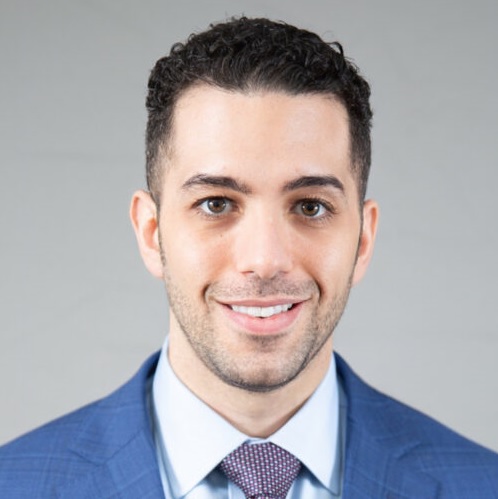
Dr. Moustafa Mourad
MD, FACS
Double Board-Certified Head & Neck and Facial Plastic & Reconstructive Surgeon
Dr. Moustafa Mourad is a double board-certified head and neck and facial plastic and reconstructive surgeon who cares for the full range of cosmetic and complex conditions affecting the face, head, and neck.
- Facial plastic and reconstructive surgery
- Head and neck cancer surgery
- Microvascular free-flap reconstruction
- Facial trauma and reconstruction
Also caring for this area

Not sure who to see? Our patient coordination team can help match you with the right specialist.
(212) 444-8006Frequently Asked Questions
A facelift addresses sagging and loss of definition in the lower face, jawline, and neck, such as jowls, deep folds, and a loose neckline. It does not treat the forehead, brows, or eyelids, which are addressed with other procedures.
Modern techniques reposition the deeper facial tissues rather than simply pulling the skin, which is intended to create a more natural result. Discussing your goals and reviewing photos with your surgeon helps set realistic expectations.
A facelift is typically performed under general anesthesia or deep sedation. The safest option depends on the extent of surgery, your health, and any procedures performed at the same time.
Swelling and bruising are most noticeable in the first one to two weeks. Many people return to non-strenuous routines around two weeks, while strenuous activity is limited longer and final results refine over several months.
Incisions are usually placed around the ear and into the hairline so they are concealed as they heal. Scar appearance varies by individual and improves over time.
Results can last for years, but a facelift does not stop aging. Skin care, sun protection, and avoiding smoking can help maintain the result.
Yes. A facelift is often combined with a brow lift, eyelid surgery, or fat grafting when these areas are also a concern, depending on your anatomy and goals.
For milder laxity, nonsurgical skin tightening or injectable treatments may help. These do not achieve the same change as surgery, and the right option depends on the degree of sagging.
Related Conditions


Request a consultation about facelift
Schedule a consultation with our team to discuss whether this procedure is the right option for you.