
About the Procedure
Blepharoplasty is a surgical procedure that reshapes the upper eyelids, lower eyelids, or both. With age, eyelid skin can stretch, the small muscles can weaken, and the fat pads that cushion the eye can become more prominent, leading to hooded upper lids, under-eye bags, or a persistently tired look.
The goal is to restore a rested, natural appearance while protecting eyelid function and the surface of the eye. When excess upper eyelid skin hangs low enough to block part of the field of vision, upper blepharoplasty may also serve a functional purpose.
At Norelle ENT, blepharoplasty is planned around your anatomy and goals. Evaluation distinguishes loose eyelid skin from a drooping eyelid margin (ptosis) or a sagging brow, because these problems can look similar but are treated differently.
Who may be a candidate
Blepharoplasty may be considered for people who have:
- Heavy or hooded upper eyelids
- Excess upper eyelid skin that rests on the lashes or blocks side vision
- Puffy lower eyelids or under-eye bags
- A tired or aged eyelid appearance despite adequate rest
An evaluation checks whether the main problem is eyelid skin, a drooping eyelid margin, or a low brow, since each is treated differently. Eye-surface health and dry eye are also reviewed.
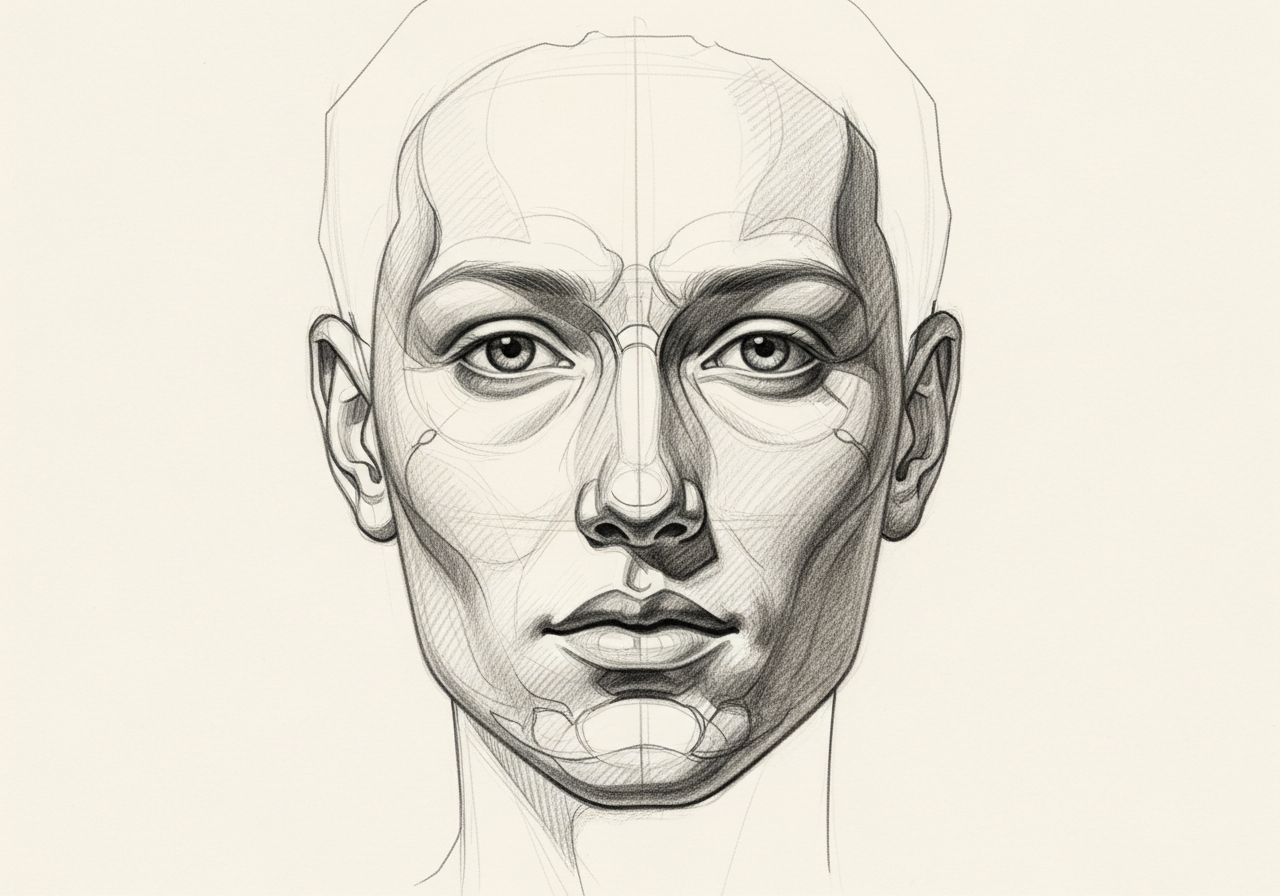
Considering blepharoplasty? The next step is a quiet, unhurried conversation.
How it is performed
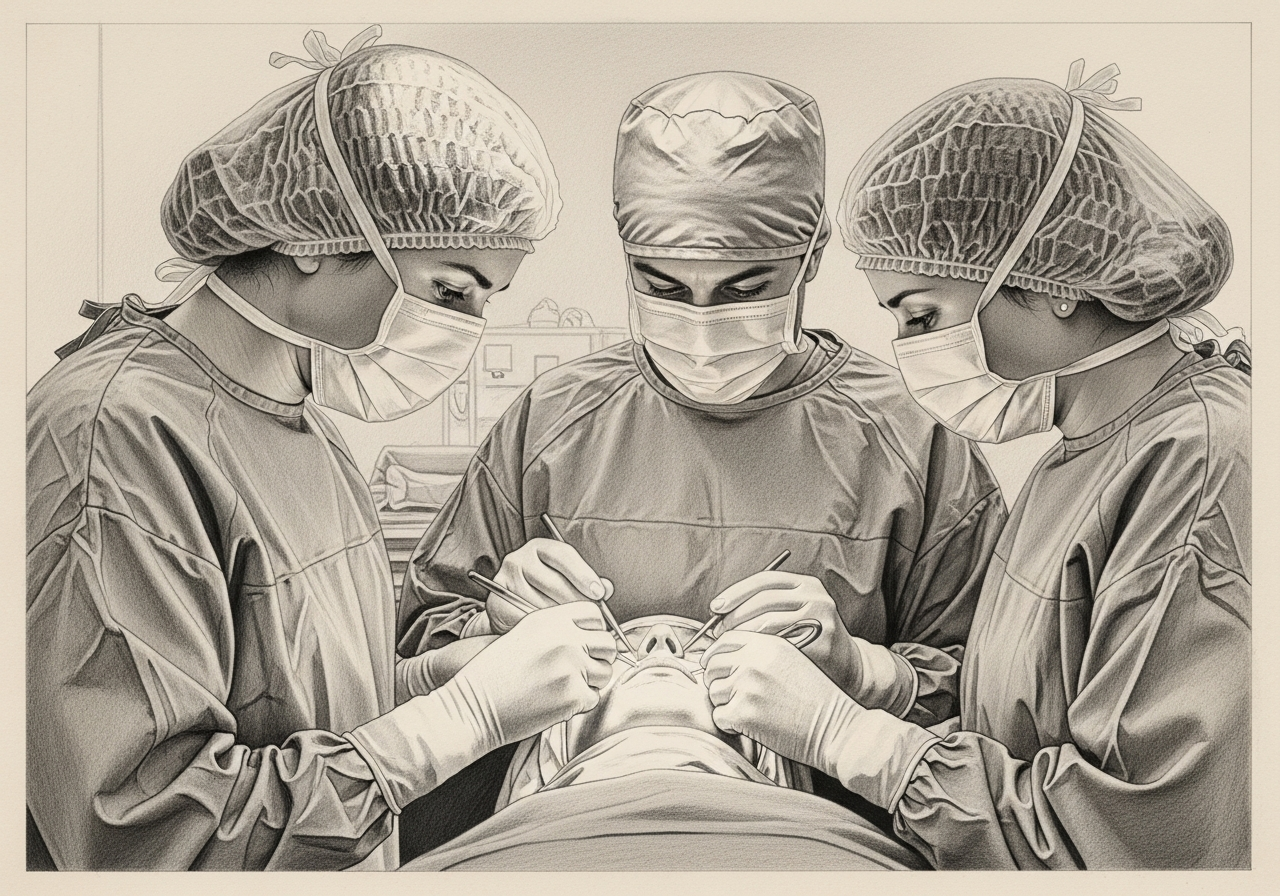
Upper blepharoplasty is performed through an incision placed in the natural eyelid crease, so the scar is well hidden. Excess skin is removed, and small amounts of muscle or fat are adjusted as needed.
Lower blepharoplasty may use an incision just below the lash line or one hidden inside the eyelid (transconjunctival) to reposition or remove fat without a visible external scar. The procedure is commonly performed under local anesthesia with sedation, sometimes under general anesthesia, often in an outpatient setting.
Recovery and aftercare
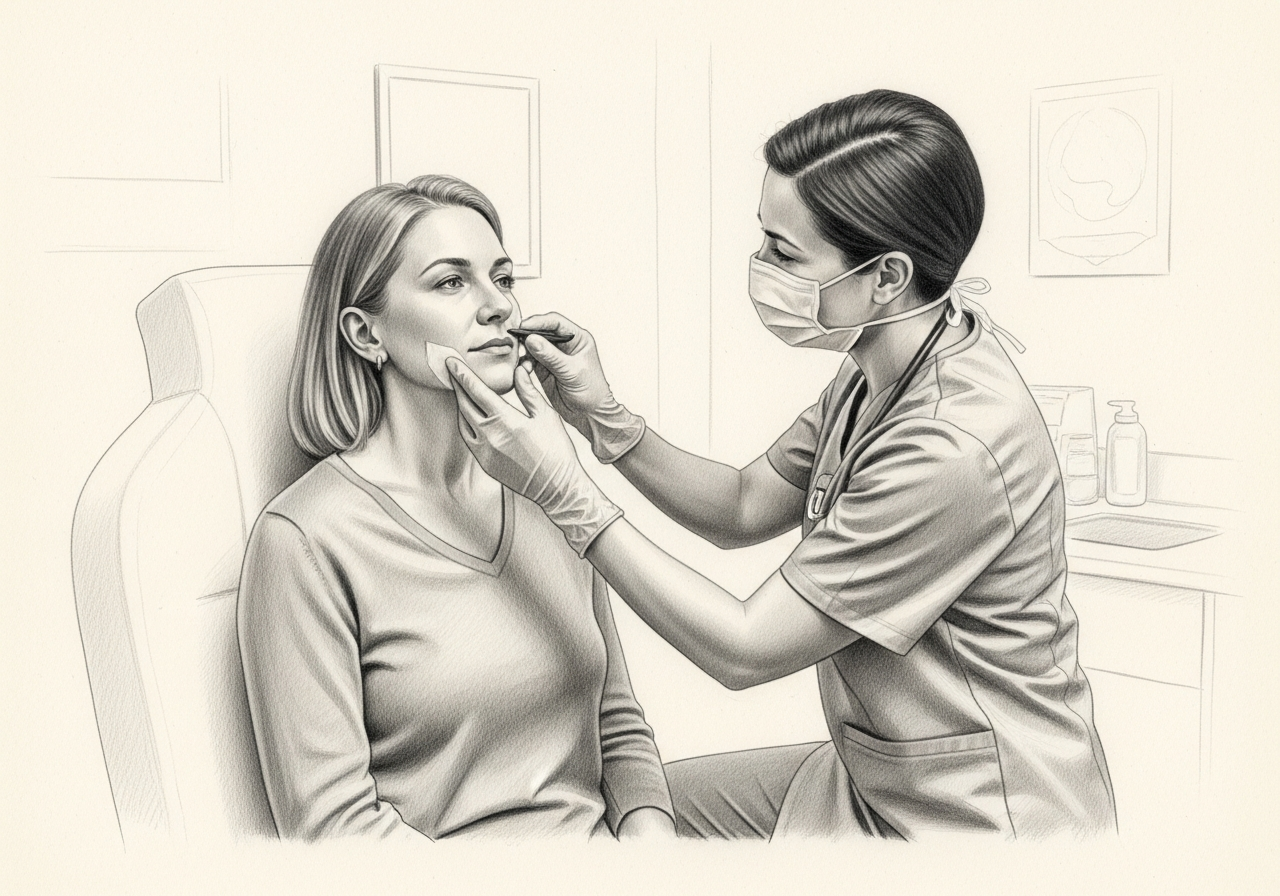
Cold compresses, head elevation, and lubricating eye drops or ointment help with early swelling, bruising, and temporary dryness or blurred vision. Skin stitches are usually removed within about a week.
Many people feel comfortable in public within one to two weeks as bruising fades. Activity that raises blood pressure, heavy lifting, and rubbing the eyes are limited during early healing.
Risks and alternatives
Possible risks include bruising, swelling, temporary dry or watery eyes, asymmetry, visible scarring, and difficulty fully closing the eyes. Less common problems include lower eyelid malposition, such as pulling down of the lid, and, rarely, changes in vision.
Alternatives depend on the underlying problem and may include a brow lift for a low brow, ptosis repair for a drooping eyelid margin, skin-care or energy-based treatments for fine skin changes, or observation.
Results and follow-up
The aim is a refreshed, natural appearance with preserved eyelid function. Results from upper blepharoplasty are often long lasting, though the eyelids continue to age over time.
Follow-up visits monitor healing, eyelid position, and the eye surface. Additional steps, such as treating dry eye or adjusting the result, are discussed if needed.
Clinical references
Medical review
This page is a patient-education resource reviewed by the responsible Norelle ENT clinician before publication. It does not replace an in-person evaluation. If symptoms are severe or rapidly worsening, seek immediate medical care.
Specialists who perform blepharoplasty
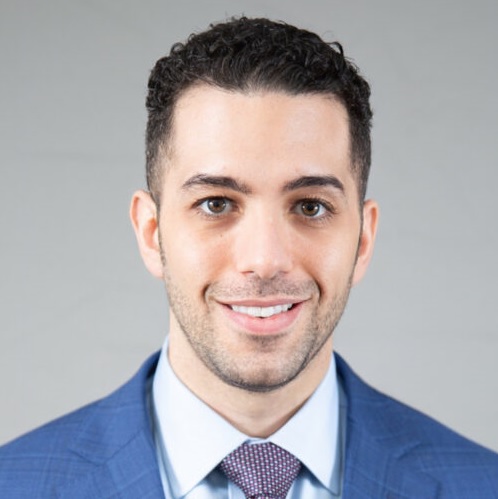
Dr. Moustafa Mourad
MD, FACS
Double Board-Certified Head & Neck and Facial Plastic & Reconstructive Surgeon
Dr. Moustafa Mourad is a double board-certified head and neck and facial plastic and reconstructive surgeon who cares for the full range of cosmetic and complex conditions affecting the face, head, and neck.
- Facial plastic and reconstructive surgery
- Head and neck cancer surgery
- Microvascular free-flap reconstruction
- Facial trauma and reconstruction
Also caring for this area
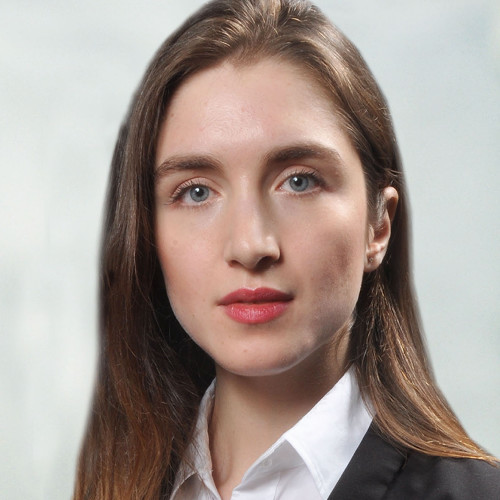
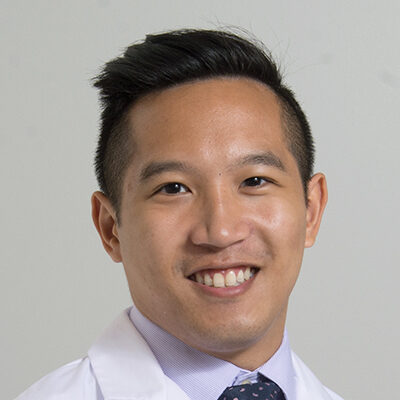
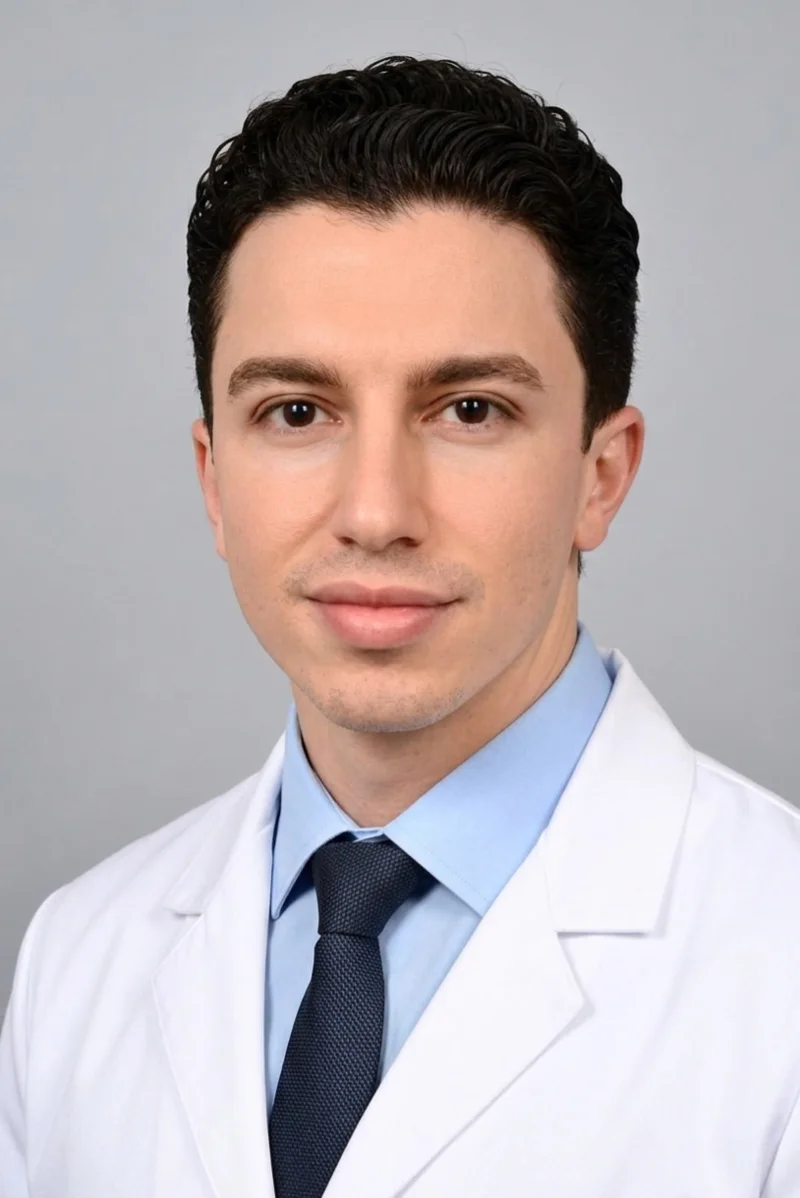

Not sure who to see? Our patient coordination team can help match you with the right specialist.
(212) 444-8006Frequently Asked Questions
It can be either. Many people choose it to refresh a tired appearance, but upper blepharoplasty can also be functional when excess eyelid skin blocks part of the upper field of vision.
Blepharoplasty treats the eyelids themselves, while a brow lift raises a low or heavy eyebrow. The two problems can look similar, and sometimes they are treated together.
It mainly addresses excess skin and fat. It may improve under-eye bags, but it is not designed to erase dark circles or fine lines, which are managed in other ways.
Upper eyelid incisions are placed in the natural crease, and lower eyelid surgery can sometimes be done from inside the eyelid, so scars are usually well hidden.
Blepharoplasty is commonly performed under local anesthesia with sedation, and sometimes under general anesthesia, usually as an outpatient procedure.
Bruising and swelling are most noticeable for one to two weeks. Many people return to non-strenuous activity within that time, with strenuous exercise limited a little longer.
When heavy upper eyelid skin blocks the upper field of vision, removing it can improve that part of the visual field. This is assessed during the evaluation.
Results from upper eyelid surgery are often long lasting, although the eyelids and surrounding face continue to age gradually over the years.
Related Conditions


Request a consultation about blepharoplasty
Schedule a consultation with our team to discuss whether this procedure is the right option for you.