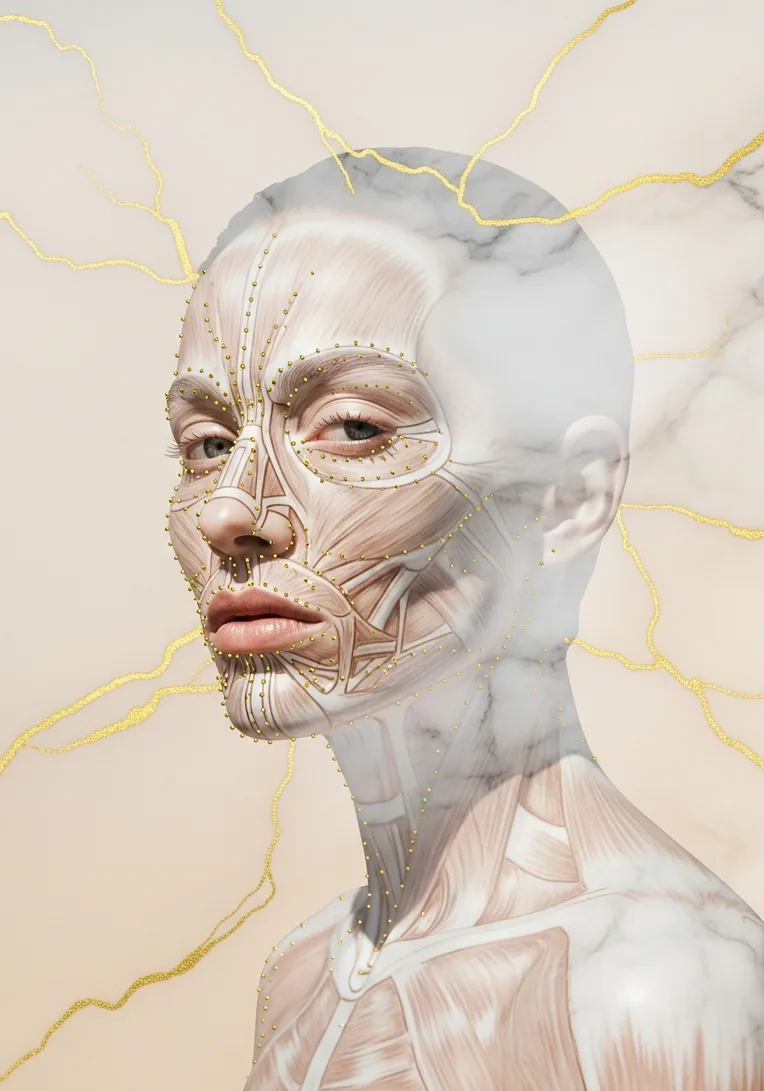
About the Procedure
After facial nerve injury, some muscles can become weak while others become overactive or tight, and abnormal nerve recovery can cause synkinesis, in which muscles move together involuntarily, such as the eye narrowing when smiling. Botulinum toxin is a nonsurgical treatment that temporarily relaxes selected muscles to help rebalance the face.
In facial paralysis care, botulinum toxin is used differently than in purely cosmetic treatment. The goal is symmetry and comfort, such as softening tightness, reducing involuntary movement, improving eye comfort, and balancing the stronger, non-paralyzed side of the face.
At Norelle ENT, botulinum toxin is one part of a broader facial reanimation plan that often includes facial physical therapy. Injection sites and doses are tailored to each person's pattern of weakness, tightness, and synkinesis.
Who may be a candidate
Botulinum toxin may be considered for people with facial paralysis who experience:
- Synkinesis, such as the eye narrowing or the cheek tightening when smiling or speaking
- Tightness, spasm, or an overly pulled feeling on the affected side
- Asymmetry made worse by a stronger non-paralyzed side
- Excess tearing related to synkinesis, in selected cases
It is most effective as part of a plan that includes facial physical therapy, and it does not create movement in muscles that are not working.
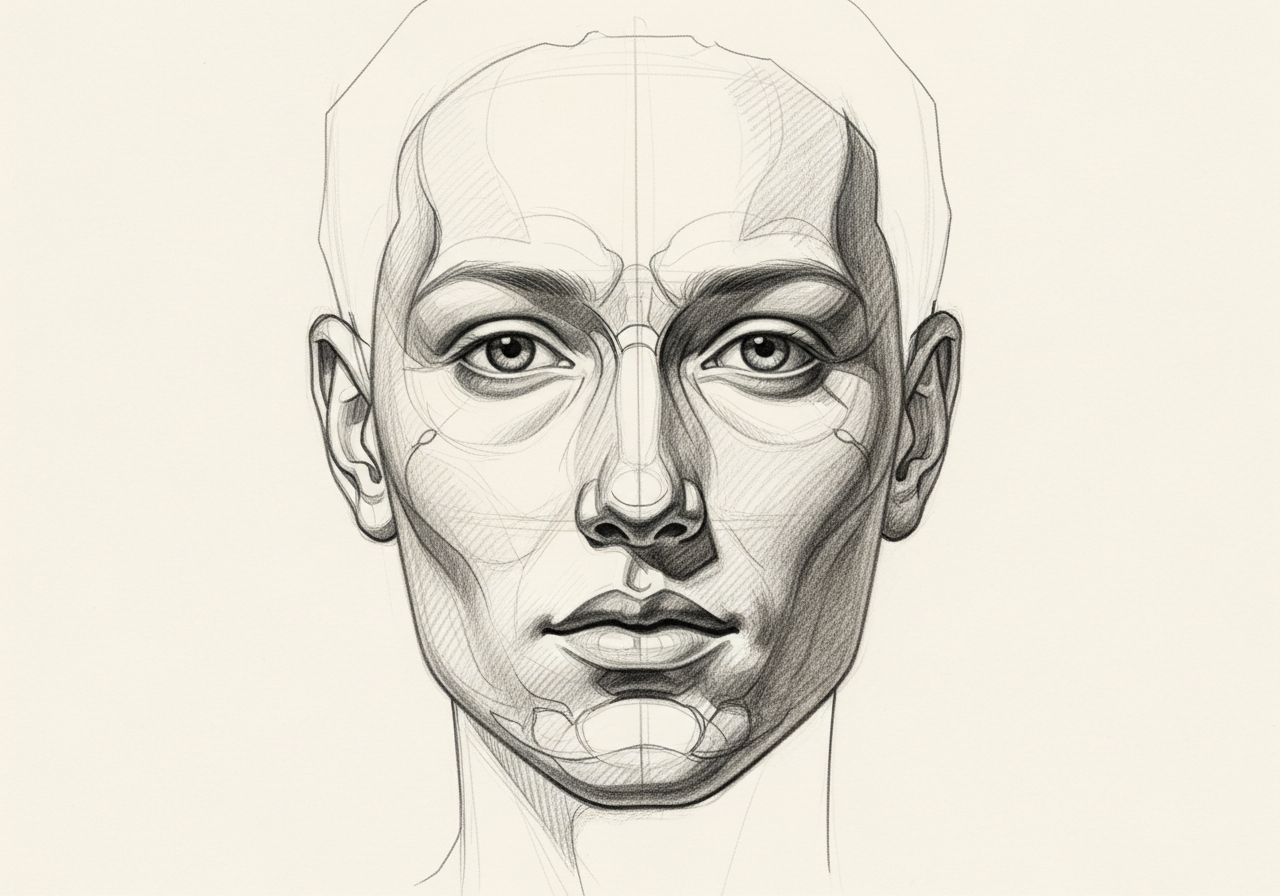
Considering botox for facial paralysis? The next step is a quiet, unhurried conversation.
How it is performed
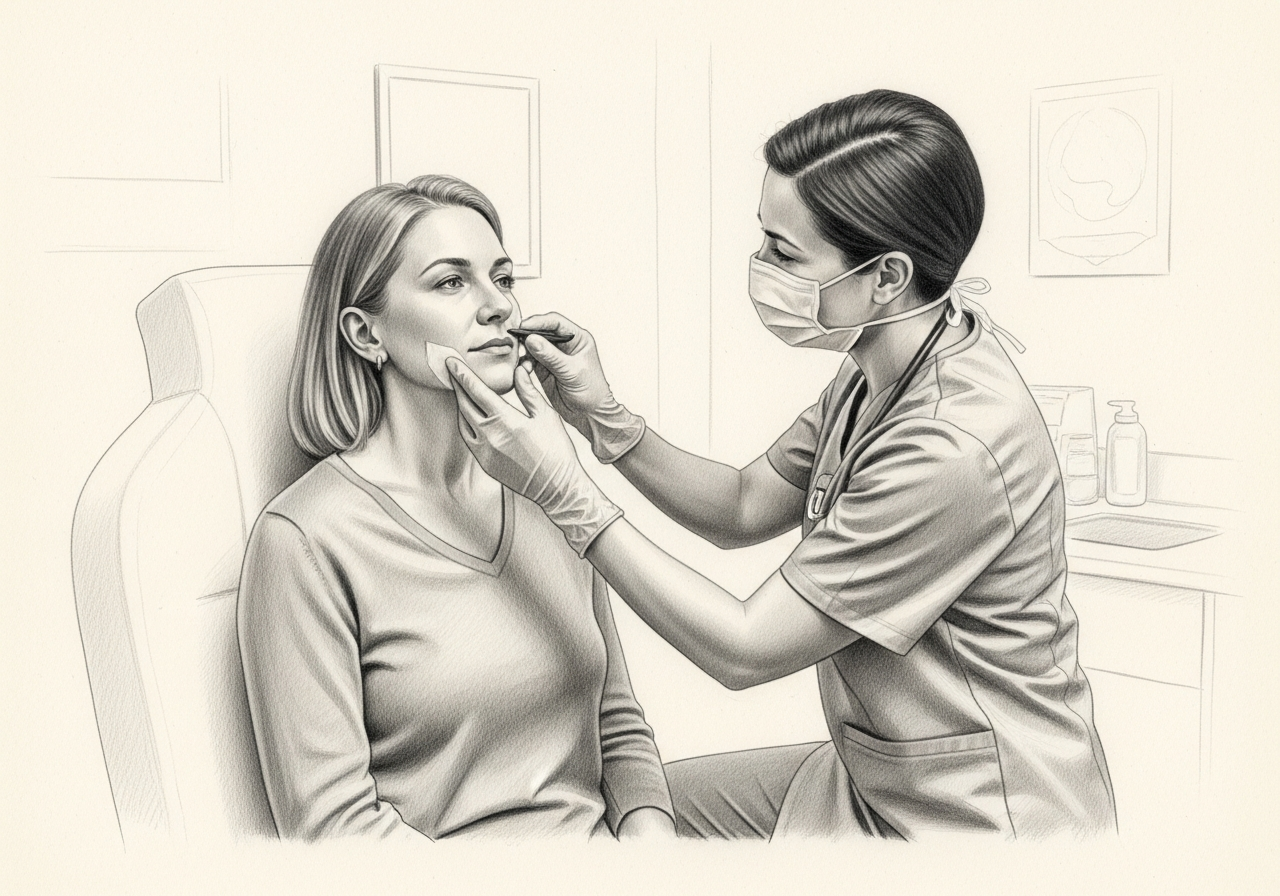
Treatment is performed in the office using a very fine needle to place small amounts of botulinum toxin into carefully chosen muscles. The pattern is mapped to each person's facial movement, and sometimes the non-paralyzed side is treated as well to improve overall balance.
The appointment is brief, and anesthesia is usually not required, though a topical numbing cream can be used.
Recovery and aftercare
Most people resume normal activities the same day. You may be asked to stay upright for a few hours and to avoid rubbing the treated areas. The effect begins within a few days and reaches its peak in about one to two weeks.
Because the effect is temporary, the result is reassessed and the treatment is repeated periodically to maintain symmetry.
Risks and alternatives
Possible side effects include temporary bruising, mild discomfort at the injection site, and unintended weakness of a nearby muscle, which can cause short-term changes such as a slightly altered smile or eyelid position. These effects resolve as the medication wears off.
Alternatives and complementary treatments include facial physical therapy, selective surgical procedures such as selective denervation, eyelid procedures, soft-tissue fillers, and other facial reanimation surgery, depending on the goals.
Results and follow-up
The goal is improved symmetry and comfort rather than restored voluntary movement. Many people notice a softer, more balanced appearance and less involuntary movement after treatment.
Results are temporary, so follow-up visits track the effect and fine-tune the dose and injection sites over time.
Clinical references
Medical review
This page is a patient-education resource reviewed by the responsible Norelle ENT clinician before publication. It does not replace an in-person evaluation. If symptoms are severe or rapidly worsening, seek immediate medical care.
Patient Results
Before and After: Facial Paralysis
Photographs of Norelle ENT patients, published with consent. Individual results vary.
Specialists who perform botox for facial paralysis

Dr. Rakhna Araslanova
MD, FRCSC, FACS
Fellowship-Trained Facial Plastic & Reconstructive Surgeon — Facial Paralysis and Reanimation
Dr. Rakhna Araslanova is a fellowship-trained facial plastic and reconstructive surgeon who leads facial paralysis and reanimation at Norelle ENT, with additional expertise in craniofacial reconstruction and aesthetic facial plastic surgery.
- Facial paralysis rehabilitation and surgical reanimation
- Craniofacial reconstruction
- Aesthetic facial plastic surgery
- Rhinoplasty
Also caring for this area




Not sure who to see? Our patient coordination team can help match you with the right specialist.
(212) 444-8006Frequently Asked Questions
The goal is symmetry, comfort, and function rather than smoothing wrinkles. Injections are placed to balance the face, calm tight or overactive muscles, and reduce involuntary movement.
Synkinesis is unwanted linked movement after nerve recovery, such as the eye narrowing when smiling. Botulinum toxin can relax the muscles involved and reduce these involuntary movements.
No. It relaxes muscles to improve balance and comfort but does not create movement in muscles that are not working. Restoring movement requires other treatments.
The effect usually begins within a few days and reaches its peak in about one to two weeks.
The effect is temporary, so treatments are generally repeated every few months to maintain the result.
Yes. In some cases the stronger, non-paralyzed side is treated to reduce its pull and create a more balanced appearance.
A very fine needle is used, and most people tolerate it well. A topical numbing cream can be applied for comfort if needed.
Often, yes. Botulinum toxin and facial physical therapy are frequently combined, because therapy helps retrain movement while the injections rebalance overactive muscles.
Related Conditions

Related Procedures

1 of 3 · Facial Physical Therapy
Request a consultation about botox for facial paralysis
Schedule a consultation with our team to discuss whether this procedure is the right option for you.