

About the Procedure
Chin augmentation is a procedure that increases the forward projection and definition of the chin. The chin is a key element of facial balance: it anchors the lower third of the face, supports the line of the jaw, and, in profile, relates closely to the nose and lips. A chin that is set back or underdeveloped — sometimes described as a weak or recessed chin (microgenia or retrogenia) — can make the nose look larger, blur the boundary between the chin and neck, and reduce the definition of the jawline, even when the other features are well proportioned.
There are two principal ways to augment the chin. The first uses a chin implant: a solid, biocompatible implant shaped to fit over the front of the chin bone, placed through a small incision to add projection and contour. The second is a sliding genioplasty, a procedure in which the chin segment of the lower jawbone is cut and moved forward (or otherwise repositioned) and fixed in its new position, augmenting the chin using the patient's own bone. Each approach has advantages and is suited to different situations, and the choice depends on the anatomy, the degree of change needed, and the specific goals.
At Norelle Health in New York City, chin augmentation is planned in the context of the whole face and especially the profile, because the chin is rarely considered in isolation. It is frequently discussed alongside nasal surgery — since the nose and chin together define the profile — and alongside neck procedures, since a stronger chin sharpens the chin–neck transition. The evaluation focuses on how much projection is appropriate for facial balance and which technique most reliably achieves it, with realistic expectations set in advance.
Why the chin matters to facial balance
The chin contributes more to facial appearance than its size might suggest, because the eye reads faces partly through proportion and profile.
- Profile balance. In side view, the chin, lips, and nose sit in a proportional relationship. A recessed chin can make the nose appear more prominent and the lower face appear to slope back, while a chin with appropriate projection balances the profile.
- Jawline definition. The chin anchors the front of the jawline. Adequate chin projection contributes to a defined jaw and a clear boundary between the face and neck.
- The chin–neck transition. A weak chin tends to blur the angle between the chin and the neck, which can make the neck look fuller or less defined even when neck fat is not the main issue.
Because of these relationships, augmenting a recessed chin can improve the harmony of the whole lower face and profile. The aim is balance appropriate to the individual face, not maximum projection — over-augmentation looks as unnatural as under-projection, which is why the planned change is matched to the person's proportions.
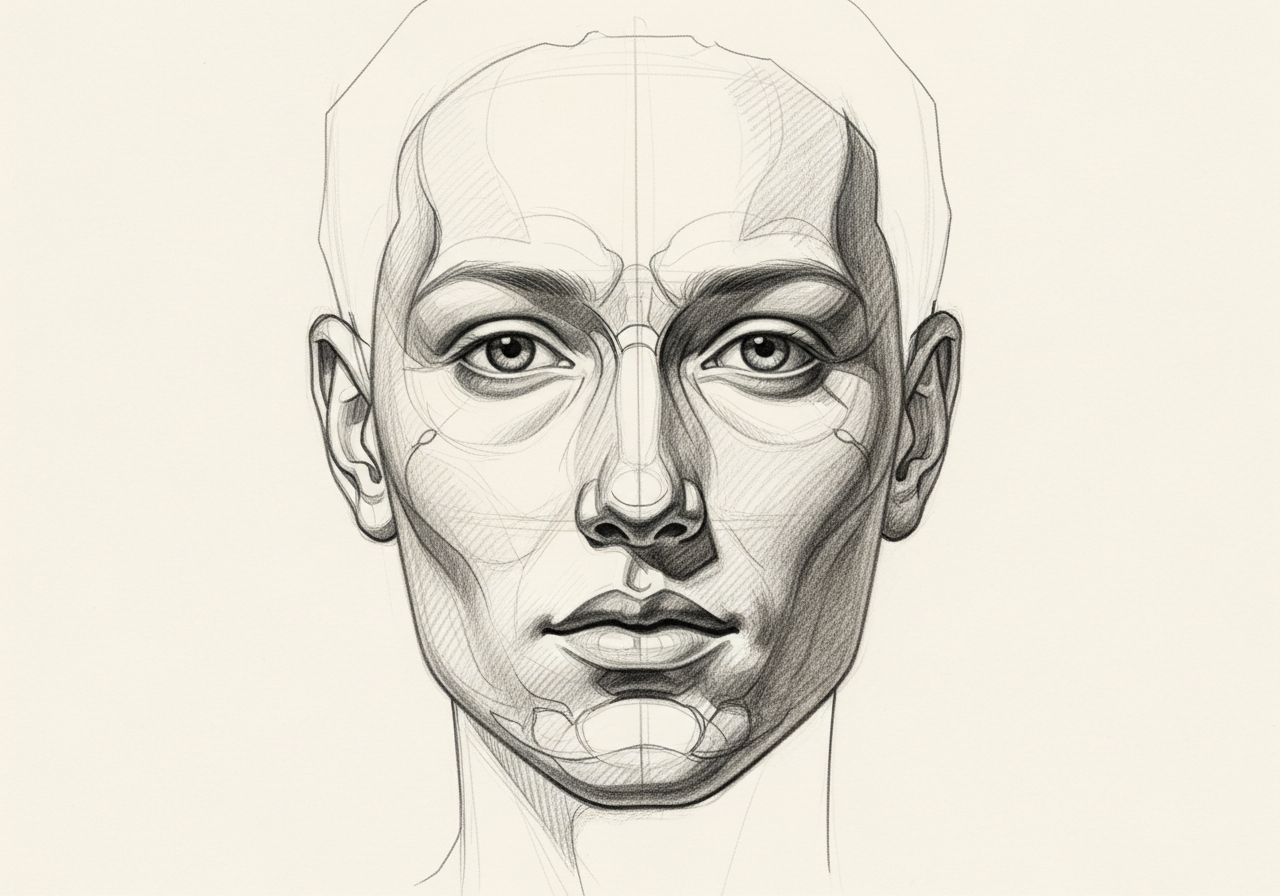
Considering chin augmentation? The next step is a quiet, unhurried conversation.
What chin augmentation addresses
Chin augmentation is used to improve the projection and contour of the chin and, through that, the balance of the lower face:
- A recessed or weak chin (microgenia or retrogenia), adding forward projection for a more balanced profile.
- A poorly defined jawline related to inadequate chin support.
- A blurred chin–neck transition, sharpened by improving chin projection, often in combination with a neck procedure.
- Profile imbalance, particularly when the chin's relationship to the nose makes the nose look larger; addressing both together can harmonize the profile.
Chin augmentation changes the bony and contour foundation of the chin; it does not treat loose neck skin or excess neck fat by itself, though it complements procedures that do. When a recessed chin is part of a more complex bite or jaw discrepancy, that is a different problem that may require orthodontic or jaw surgery rather than augmentation alone, and the evaluation distinguishes a cosmetic projection concern from a functional bite problem.
How the procedure is performed
The two main techniques achieve augmentation in different ways.
Chin implant. A solid, biocompatible implant, selected and sometimes shaped to suit the chin, is placed over the front of the chin bone through a small incision — commonly hidden beneath the chin or inside the mouth. The implant adds projection and contour and is positioned and secured to sit stably against the bone. This approach is generally shorter and is well suited to adding moderate projection and improving contour.
Sliding genioplasty. The chin portion of the lower jawbone is precisely cut and repositioned — most often advanced forward — then fixed in place with small plates and screws, using the patient's own bone rather than an implant. This approach allows the chin to be moved in more than one dimension (for example, advanced and adjusted vertically) and can be preferable for larger corrections or specific anatomic situations. It is performed through an incision inside the mouth.
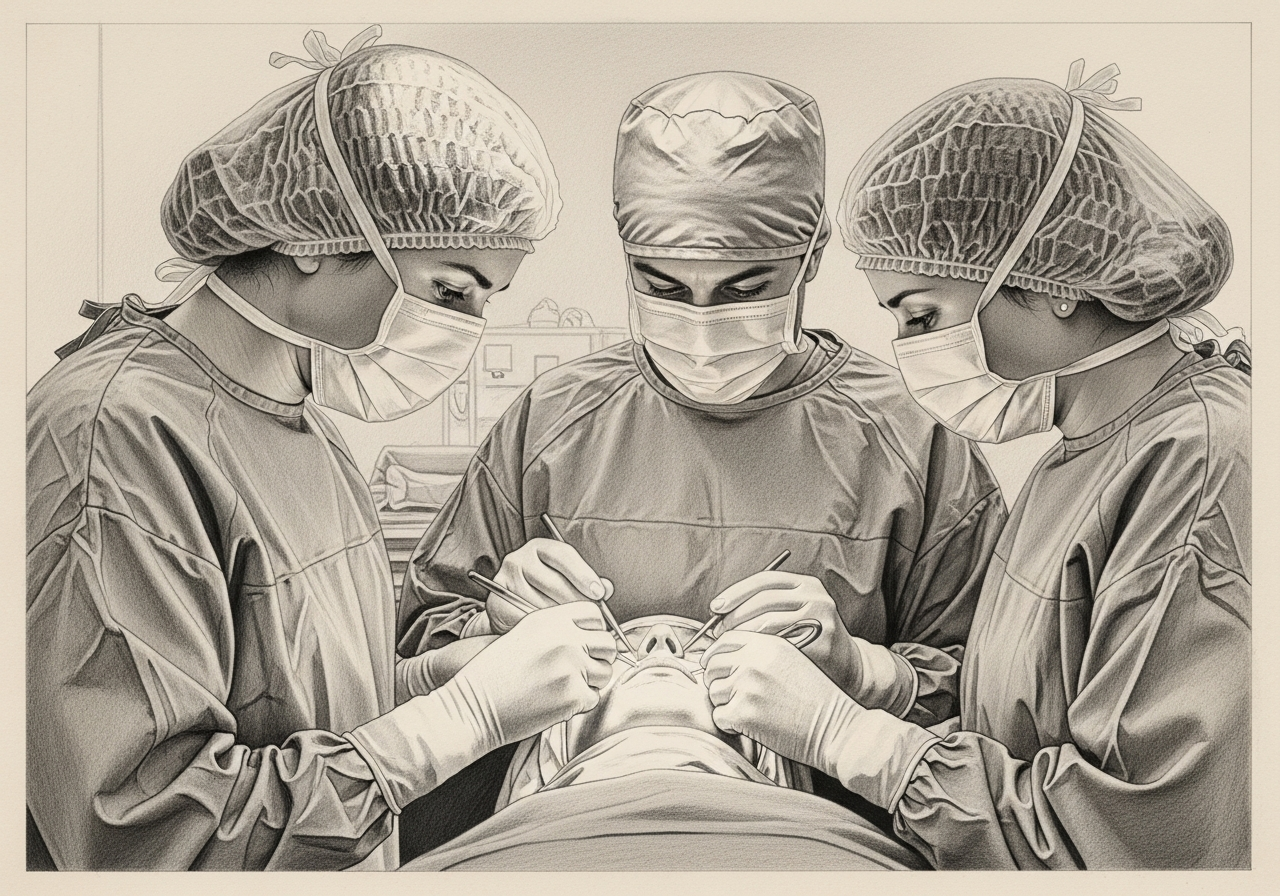
Anesthesia and setting. Depending on the technique and whether other procedures are combined, chin augmentation may be performed under sedation or general anesthesia, usually as an outpatient procedure. The choice between an implant and a genioplasty is made together during the consultation based on the anatomy and goals.
Implant, genioplasty, and nonsurgical options
Several routes can change chin projection, and they are suited to different needs.
- Chin implant. Adds projection with a relatively shorter procedure and no bone cuts. Considerations include the small long-term possibilities of implant shifting or, rarely, infection, and the fact that it is a placed device.
- Sliding genioplasty. Uses the patient's own bone and allows multidimensional repositioning, making it versatile for larger or more complex corrections, at the cost of a somewhat more involved procedure.
- Injectable fillers. Can add a modest, temporary increase in chin projection without surgery and can be useful to preview a change or for small refinements, but the effect is temporary and limited in degree, and large volumes are not a substitute for structural augmentation.
There is no single right option for everyone. A small, temporary change might be well served by filler; a moderate, lasting increase in projection might suit an implant; and a larger or multidimensional correction might be most fully achieved with a genioplasty. The evaluation matches the method to the degree of change needed and the individual's anatomy and preferences.
Procedures often combined with chin augmentation
Because the chin is part of the profile and the jawline, augmentation is frequently planned together with related procedures.
- Rhinoplasty. The nose and chin together define the profile, and balancing both can produce a more harmonious side view than changing either alone; a recessed chin can make a nose look larger, so the two are often considered together.
- Neck lift or submental procedures. Improving chin projection sharpens the chin–neck transition, complementing treatment of neck fat or laxity.
- Facelift. When the lower face is being rejuvenated, chin projection contributes to overall jawline definition.
Combining procedures consolidates recovery and allows the profile and lower face to be planned as a whole. Whether to combine is individualized and weighed against the length of surgery and recovery.
Risks and important considerations
Chin augmentation is generally well tolerated, but each technique has its own risks, which are discussed as part of consent:
- Temporary numbness of the lower lip and chin from irritation of a nearby sensory nerve, which usually recovers but can occasionally be prolonged.
- Asymmetry or malposition, where the augmentation is not perfectly centered or projects more or less than intended.
- Implant-specific risks, including shifting of the implant, the body forming a tight capsule around it, bone changes beneath an implant over time, or, rarely, infection that may require removing the implant.
- Genioplasty-specific risks, including those associated with bone cuts and hardware, and a longer healing of the repositioned bone.
- Infection and bleeding, uncommon but possible with either technique.
- Dissatisfaction with projection, which is why the planned degree of change is carefully matched to facial proportions in advance.
- Anesthesia-related risks, discussed separately.
No surgeon can guarantee a specific aesthetic result. Careful planning of the degree of projection, the right technique for the anatomy, and realistic expectations are central to a good outcome.
How the chin is assessed in profile planning
Planning chin augmentation begins with looking at the chin in the context of the whole profile rather than in isolation. In side view, the chin relates to the lower lip and to the nose, and the eye reads balance through these proportions. The evaluation considers how far the chin projects relative to these landmarks, the vertical height of the chin, and the way the chin transitions into the neck and along the jawline.
Photographs taken in a standardized way support this analysis and allow the surgeon and patient to look at the profile together and discuss what degree of change would bring the lower face into balance. The aim is proportion appropriate to the individual face, not maximum projection; a chin pushed too far forward looks as unnatural as one that is too far back.
The assessment also distinguishes a concern about projection and contour from a functional problem with the bite. When the upper and lower teeth do not meet correctly, or the jaw relationship is significantly off, that is a different issue that may call for orthodontic treatment or jaw surgery, and augmentation alone would not be the right answer. Checking the bite is therefore part of the evaluation. The conversation also covers whether an implant, a sliding genioplasty, or — for a small change — filler matches the degree of correction the profile analysis suggests.
Reversibility and adjusting the result over time
A practical consideration in how chin augmentation is performed is that the result can usually be adjusted if needed. A chin implant is a placed device, so if it shifts, is the wrong size, or is associated with a problem such as infection, it can be removed or exchanged. This characteristic is part of the discussion when comparing an implant with other options.
A sliding genioplasty uses the patient's own repositioned bone fixed with small plates and screws. It is not reversible in the same way as removing an implant, but it allows precise, multidimensional positioning at the time of surgery and avoids placing a device. The choice between the two weighs these characteristics against the degree and direction of change needed.
Injectable filler sits at the other end of the range: it is temporary and gradually broken down, which makes it useful for a small or trial change but unsuitable as a lasting structural solution. Because filler is temporary, it is sometimes used to help a patient picture a modest increase in projection before deciding on surgery.
Whichever route is chosen, the final contour becomes apparent only after swelling has fully resolved, which can take several months. Patients are counseled to judge the result once it has settled rather than in the early healing period, and any decision about adjustment is made after the contour has matured.
Specialists who perform chin augmentation

Dr. Moustafa Mourad
MD, FACS
Double Board-Certified Head & Neck and Facial Plastic & Reconstructive Surgeon
Dr. Moustafa Mourad is a double board-certified head and neck and facial plastic and reconstructive surgeon who cares for the full range of cosmetic and complex conditions affecting the face, head, and neck.
- Facial plastic and reconstructive surgery
- Head and neck cancer surgery
- Microvascular free-flap reconstruction
- Facial trauma and reconstruction
Also caring for this area



Not sure who to see? Our patient coordination team can help match you with the right specialist.
(212) 444-8006Frequently Asked Questions
A chin implant adds projection by placing a solid, biocompatible implant over the front of the chin bone through a small incision, with no bone cuts. A sliding genioplasty repositions the patient's own chin bone — usually advancing it — and fixes it with small plates and screws, allowing movement in more than one dimension. Implants suit moderate projection; genioplasty is versatile for larger or more complex corrections. The choice depends on your anatomy and goals.
Yes. In profile, the nose and chin relate to each other, and a recessed chin can make the nose appear more prominent. This is why chin augmentation and rhinoplasty are often considered together — balancing both can create a more harmonious profile than changing either alone.
Injectable fillers can add a modest, temporary increase in chin projection and can be useful for small refinements or to preview a change. The effect is temporary and limited in degree, and large volumes are not a substitute for structural augmentation. For a lasting or larger change, an implant or genioplasty addresses the chin's foundation.
A chin implant is typically placed through a small incision hidden beneath the chin or inside the mouth. A sliding genioplasty is performed through an incision inside the mouth. Incisions are positioned to be inconspicuous, and your surgeon will explain which approach applies to your procedure.
Temporary numbness of the lower lip and chin is common because a sensory nerve runs near the area and can be irritated during surgery. Sensation usually recovers over weeks to months, though it can occasionally be prolonged. This is discussed as part of the consent process.
A chin implant is intended to be long-lasting, but it is a placed device, so there are small long-term possibilities such as shifting, the body forming a tight capsule around it, bone changes beneath it over time, or rare infection. If a problem occurs, an implant can be removed or revised. Your surgeon will discuss these considerations when comparing an implant with a genioplasty.
Swelling and some bruising are most noticeable in the first week. Many patients return to non-strenuous routines within one to two weeks, with strenuous and contact activity restricted for several weeks — longer after a genioplasty while the bone heals. The final contour settles over several months as swelling fully resolves.
Improving chin projection sharpens the transition between the chin and neck, so chin augmentation can complement a neck procedure when both are appropriate. Whether to combine them depends on whether you also have neck fat or laxity to address, which is determined during the evaluation.
The amount of projection is planned from your profile, looking at how the chin relates to your lower lip, nose, and jawline, usually with standardized photographs you and the surgeon review together. The goal is proportion suited to your face rather than a fixed measurement or maximum projection. The technique — implant, genioplasty, or filler for a small change — is then matched to the degree of change the profile analysis indicates.
Standard chin augmentation — whether with an implant or a sliding genioplasty — changes the contour and projection of the chin, not the way your teeth meet. If your upper and lower teeth do not come together correctly, or there is a significant jaw discrepancy, that is a separate functional problem that may require orthodontic treatment or jaw surgery rather than augmentation alone. Checking the bite is part of the evaluation so the right problem is addressed with the right procedure.
Clinical References
These independent resources from medical and professional organizations offer further reading. They are provided for general education and do not replace a consultation with a clinician.

Request a consultation about chin augmentation
Schedule a consultation with our team to discuss whether this procedure is the right option for you.