
About the Procedure
A cross-face nerve graft is a facial reanimation surgery used for facial paralysis. A nerve graft, commonly taken from the leg, is connected to selected redundant facial nerve branches on the healthy side of the face and tunneled across to the paralyzed side. Over several months, nerve fibers grow through the graft so that signals from the healthy side can eventually drive movement on the affected side.
Because the smile is then powered by the natural smile center in the brain, this approach can support a more spontaneous, emotionally connected smile. It is often staged with a muscle transfer, such as a gracilis free tissue transfer, when the native facial muscles can no longer respond.
At Norelle ENT, cross-face nerve grafting is planned individually, taking into account how long the paralysis has been present, the condition of the facial muscles, and the person's goals.
Who may be a candidate
This procedure may be considered for people who have:
- Facial paralysis on one side with a normal facial nerve on the other side
- Paralysis that is not too long-standing, so the facial muscles may still respond, or a plan to add a muscle transfer
- A goal of a more natural, spontaneous smile
A detailed evaluation, sometimes including nerve and muscle testing, helps determine whether this approach, a different nerve transfer, or a staged muscle transfer is most appropriate.
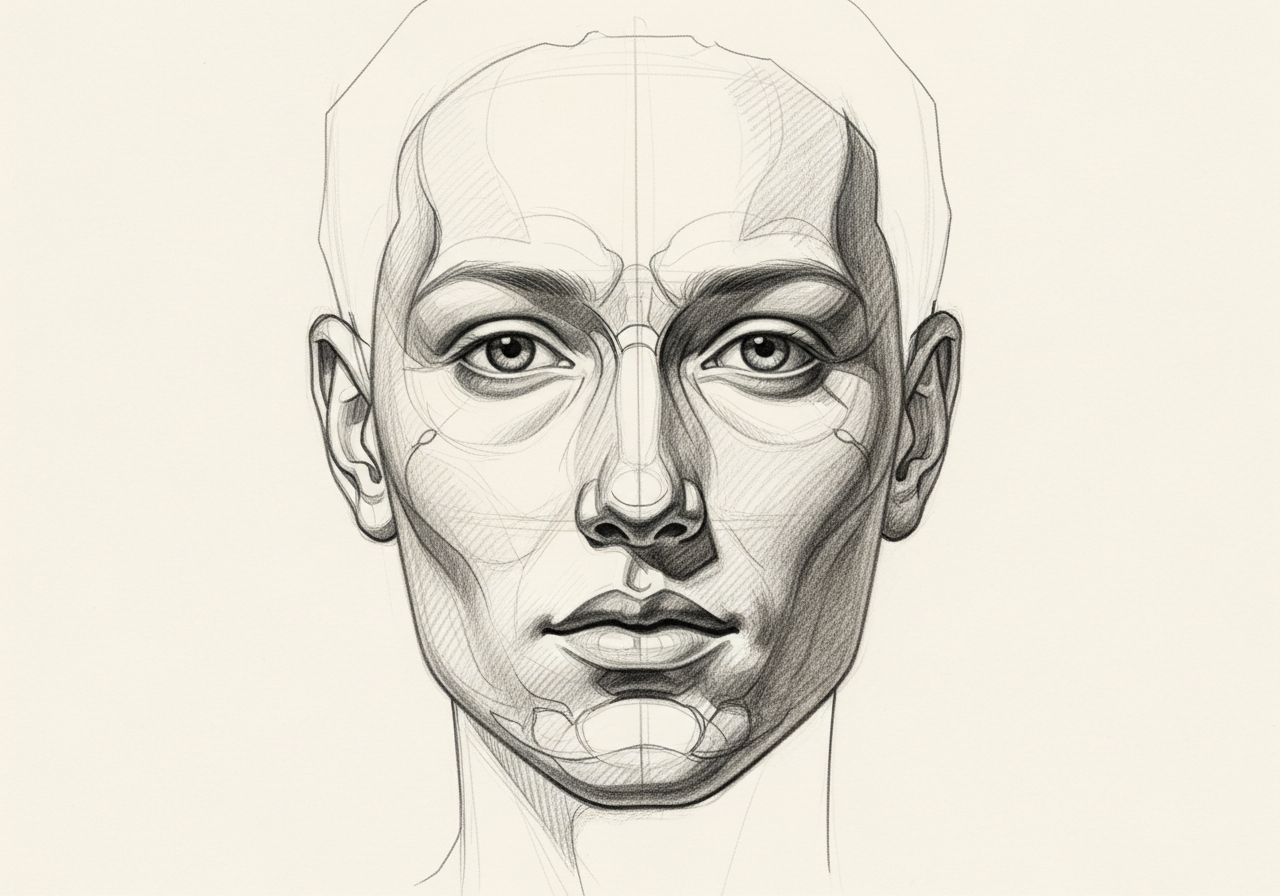
Considering cross-face nerve graft? The next step is a quiet, unhurried conversation.
How it is performed
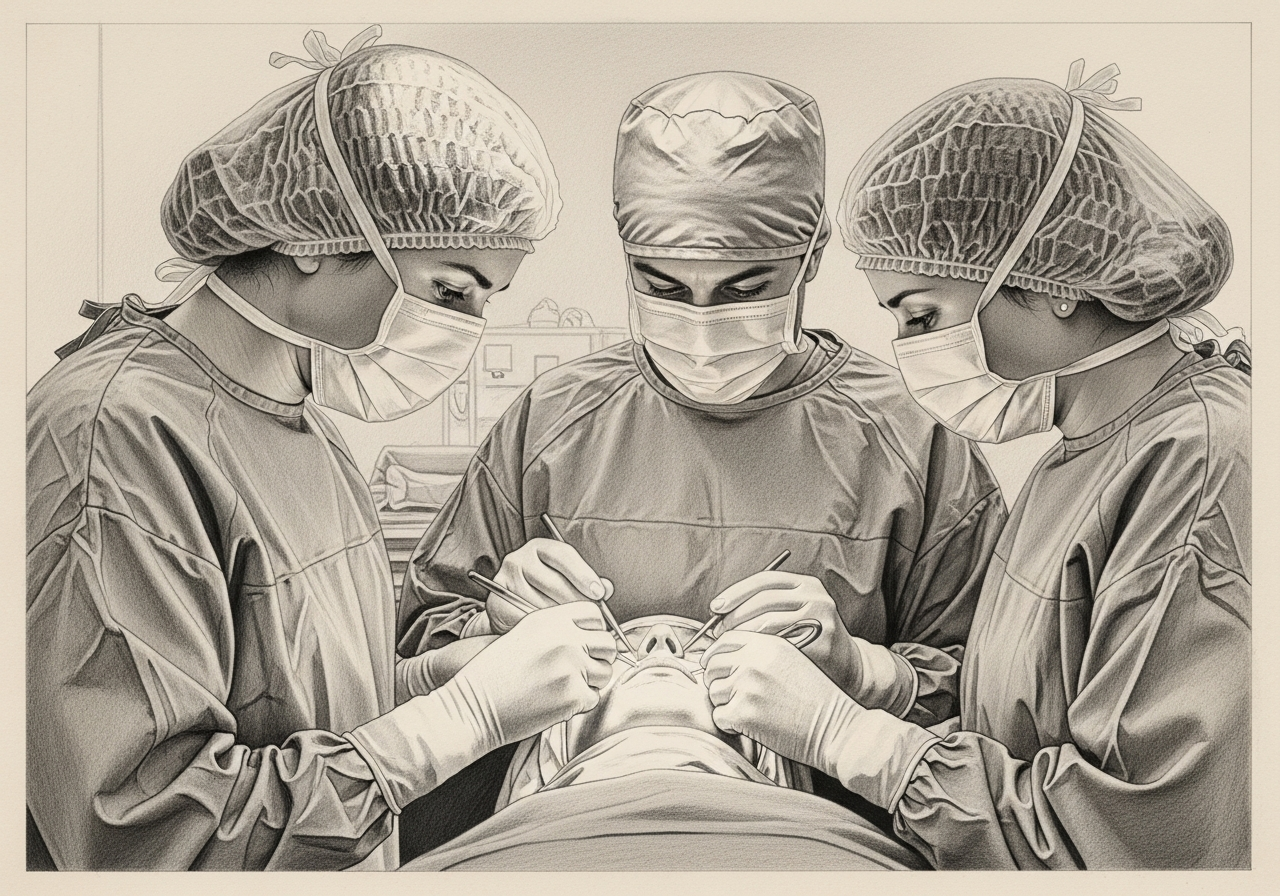
A nerve graft is harvested, often from the lower leg, where the resulting numbness is usually limited and well tolerated. Selected redundant smile branches of the facial nerve on the healthy side are identified, and the graft is connected to them and tunneled across the face to the paralyzed side.
In a single-stage approach the graft may be connected directly, while in a staged approach the graft is left to grow first and later connected to a transferred muscle. The procedure is performed under general anesthesia.
Recovery and aftercare
After surgery there are incisions on the face and at the graft donor site to care for. The most important part of recovery is patience, because the nerve grows slowly and new movement appears over many months.
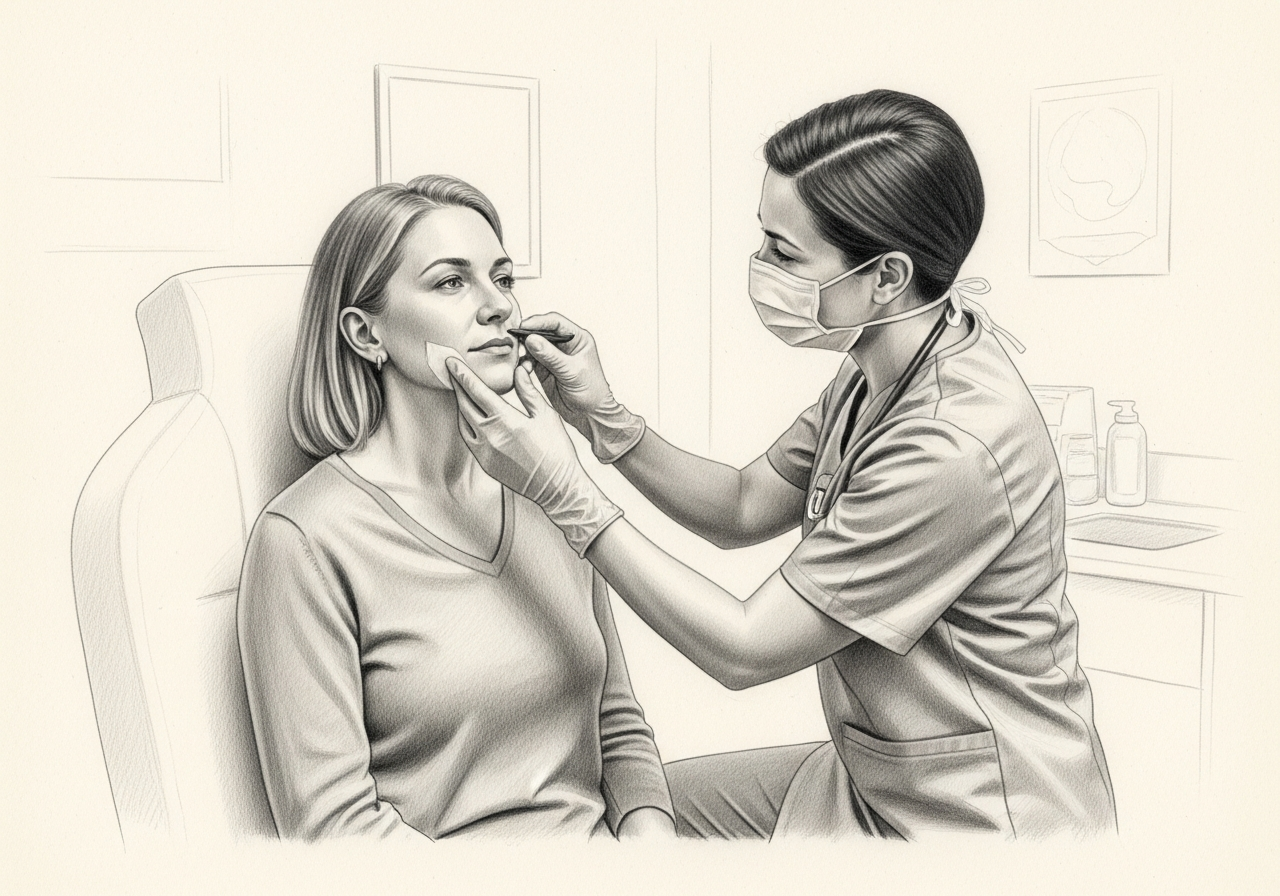
Facial physical therapy supports recovery by helping retrain and coordinate movement. Follow-up visits track nerve growth, often by checking for an advancing area of tingling along the graft.
Risks and alternatives
Possible risks include bleeding, infection, scarring, numbness at the graft donor site, and the possibility that the desired movement does not develop as hoped, which may require additional surgery.
Alternatives include other nerve transfers, such as masseter-to-facial or hypoglossal-to-facial nerve transfer, muscle transfers, static suspension to support symmetry at rest, and supportive measures. The best option depends on the cause and duration of paralysis and the muscles available.
Results and follow-up
When successful, the goal is a more symmetric and, ideally, spontaneous smile. Because results depend on nerve regrowth and therapy, they develop gradually and vary from person to person.
Long-term follow-up and therapy help guide and refine the result, and additional procedures are sometimes planned as part of a staged reconstruction.
Clinical references
Medical review
This page is a patient-education resource reviewed by the responsible Norelle ENT clinician before publication. It does not replace an in-person evaluation. If symptoms are severe or rapidly worsening, seek immediate medical care.
Patient Results
Before and After: Facial Paralysis
Photographs of Norelle ENT patients, published with consent. Individual results vary.
Specialists who perform cross-face nerve graft

Dr. Rakhna Araslanova
MD, FRCSC, FACS
Fellowship-Trained Facial Plastic & Reconstructive Surgeon — Facial Paralysis and Reanimation
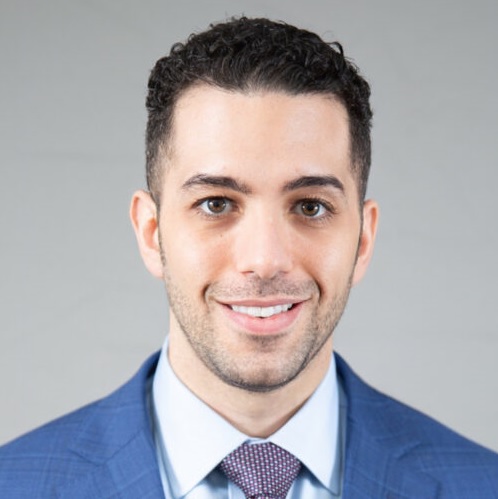
Dr. Rakhna Araslanova is a fellowship-trained facial plastic and reconstructive surgeon who leads facial paralysis and reanimation at Norelle ENT, with additional expertise in craniofacial reconstruction and aesthetic facial plastic surgery.
- Facial paralysis rehabilitation and surgical reanimation
- Craniofacial reconstruction
- Aesthetic facial plastic surgery
- Rhinoplasty
Also caring for this area
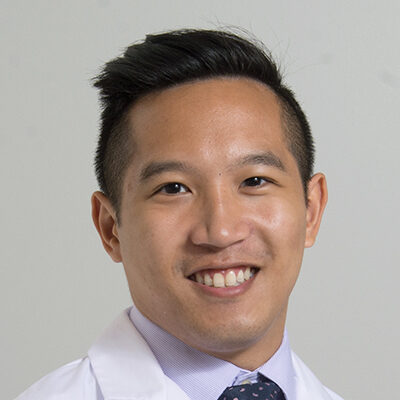
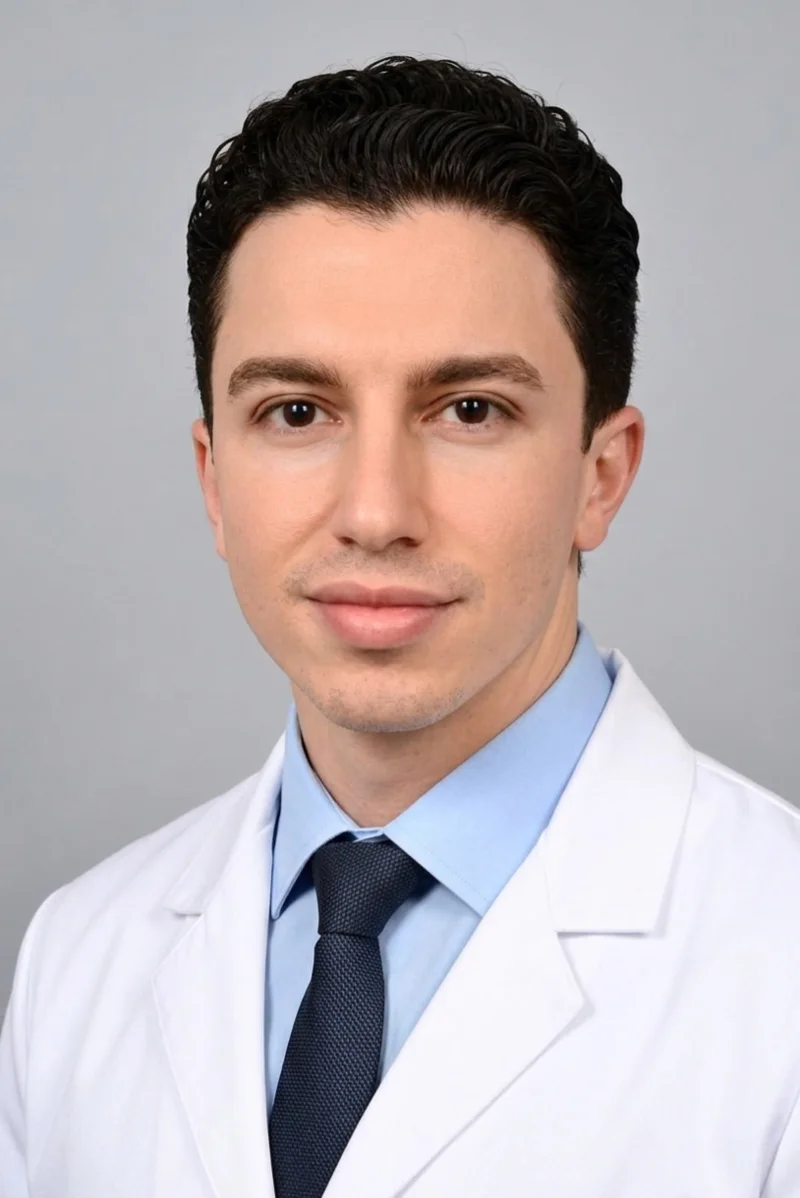

Not sure who to see? Our patient coordination team can help match you with the right specialist.
(212) 444-8006Frequently Asked Questions
It connects working facial nerve branches on the healthy side of the face to the paralyzed side through a nerve graft, creating a pathway that can later drive movement on the affected side.
Because the new pathway is powered by the brain's natural smile center, it can support a spontaneous smile that occurs with emotion rather than only with conscious effort.
The graft is commonly taken from the lower leg. The area it supplies usually results in limited numbness that most people tolerate well.
Nerve fibers grow slowly through the graft, so new movement typically develops over many months rather than immediately after surgery.
Often, yes. When the native facial muscles can no longer respond, the graft is staged with a muscle transfer, such as a gracilis free tissue transfer.
Yes. Facial muscles can lose the ability to respond over time, so the duration of paralysis is an important factor in choosing the right procedure.
Alternatives include other nerve transfers, muscle transfers, and static suspension, along with supportive measures. The choice depends on the cause and duration of paralysis.
Yes. Facial physical therapy is an important part of recovery and helps retrain and coordinate movement as the nerve regrows.
Related Conditions

Related Procedures

1 of 3 · Gracilis Free Tissue Transfer
Request a consultation about cross-face nerve graft
Schedule a consultation with our team to discuss whether this procedure is the right option for you.