

About the Procedure
Facial fat grafting, also called facial fat transfer or lipofilling, is a procedure that restores lost facial volume using a patient's own fat. Fat is gently removed from a donor area such as the abdomen or thighs with a fine cannula, processed to separate usable fat cells from fluid and other components, and then reinjected in small amounts into the areas of the face that have lost volume. Because the material is the patient's own living tissue rather than a manufactured product, a portion of the transferred fat that establishes a blood supply can remain as a lasting part of the face.
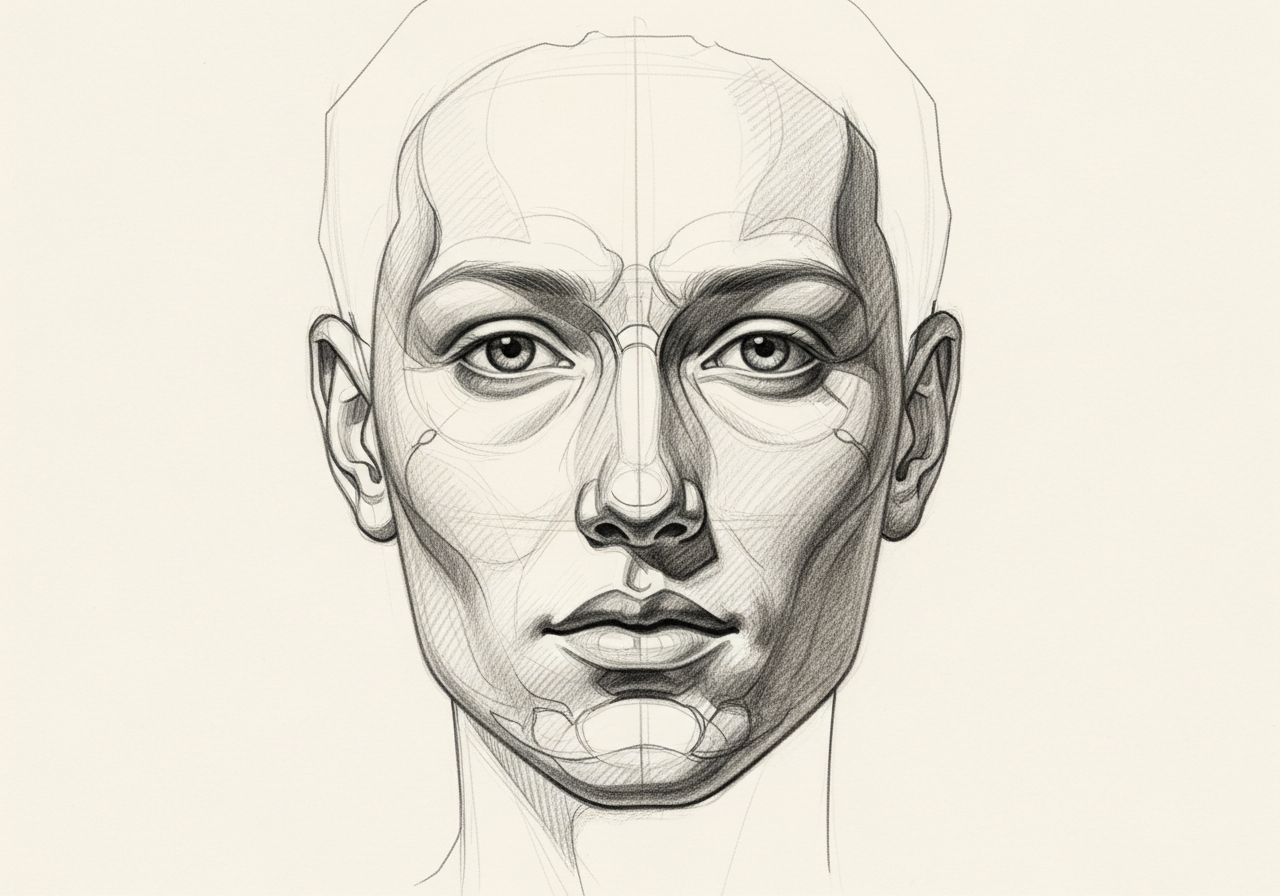
Volume loss is a distinct part of facial aging, separate from sagging. Over time the face loses fat, and to some degree bone, in characteristic places: the temples hollow, the cheeks flatten, the area under the eyes deepens, and the folds around the mouth become more pronounced. These changes are not corrected by a facelift, which repositions descended tissue but does not replace lost volume. Fat grafting addresses the volume component specifically, which is why it is often considered alongside lifting procedures rather than as an alternative to them.
At Norelle Health in New York City, fat grafting is planned around where volume has actually been lost and what a balanced, natural restoration looks like for that face. A central and honestly discussed feature of the procedure is that not all transferred fat survives: some of it is reabsorbed by the body in the months after surgery, and the amount that lasts varies from person to person and is not fully predictable. The plan, the expected degree of resorption, and the possibility that a touch-up may be wanted are all part of the conversation before surgery.
Why the face loses volume with age
Facial aging involves more than skin laxity and sagging. The deep and superficial fat compartments of the face shrink and shift, and the underlying bone changes shape, so the face loses the soft fullness of youth in predictable areas:
- The temples can hollow, narrowing the upper face.
- The cheeks flatten and lose their forward projection.
- The under-eye and tear-trough area deepens, which can create a tired appearance.
- The folds around the mouth and the corners of the mouth deepen as the support around them thins.
- The jawline and chin region can lose definition.
Because these are problems of lost volume rather than descended tissue, the logical correction is to replace volume. A facelift repositions tissue that has fallen but does not refill areas that have deflated; the two problems often coexist, which is why volume restoration and lifting are complementary rather than competing. Identifying which areas have lost volume — and how much — is the basis for planning a fat graft.
Considering facial fat grafting? The next step is a quiet, unhurried conversation.
What facial fat grafting addresses
Fat grafting is used to restore volume and improve contour, including:
- Hollow temples and flattened cheeks, rebuilding gentle, youthful fullness.
- Under-eye hollows and the tear-trough region, softening a tired or sunken look in suitable candidates.
- Deep folds and creases around the mouth, by supporting the area from beneath rather than only filling the line.
- Volume loss after weight loss, illness, injury, or prior surgery, including contour irregularities.
- Overall facial contour refinement as part of a comprehensive rejuvenation plan.
Fat grafting does not lift sagging tissue, tighten loose skin, or change skin texture and surface aging. Using large volumes of fat in an attempt to imitate a lift can distort the face and is not a substitute for surgical repositioning when descent is the problem. The procedure is most effective when the concern is genuinely one of lost volume, and an honest evaluation distinguishes volume loss from sagging so the right tool is chosen for each.
How the procedure is performed
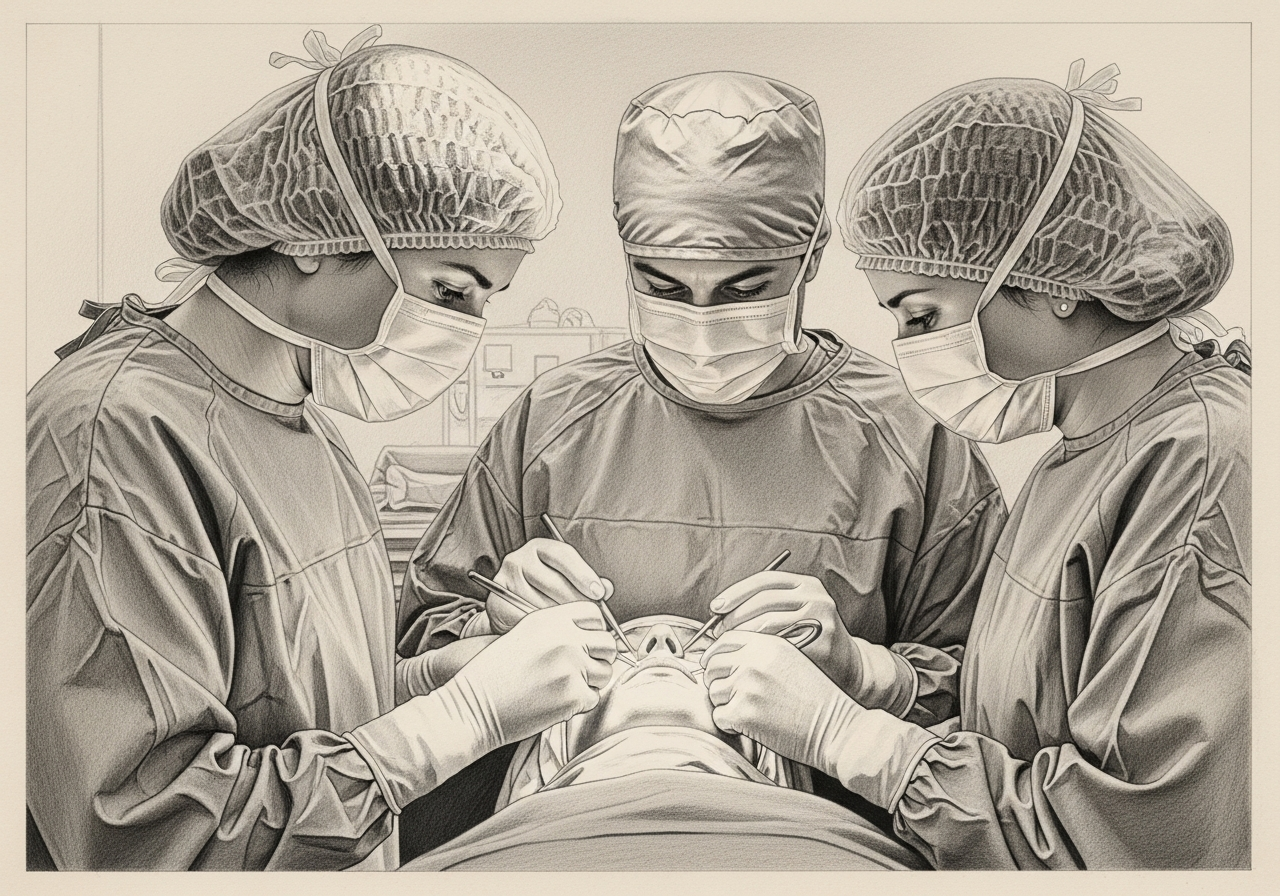
Facial fat grafting has three stages — harvest, processing, and placement — each done gently to protect the fat cells.
Harvest. Fat is removed from a donor site such as the lower abdomen or thighs using a thin cannula and low-pressure suction, through tiny incisions. The goal is to collect fat cells with minimal trauma so that more of them remain viable.
Processing. The harvested fat is purified — commonly by allowing fluid, blood, and the local anesthetic used during harvest to separate from the usable fat — leaving concentrated fat ready for transfer.
Placement. The purified fat is injected into the face in many small amounts through fine cannulas, layered at different depths. Placing the fat in numerous tiny deposits, rather than a few large pockets, increases the surface contact between the grafted fat and the surrounding tissue, which helps the fat establish a blood supply and survive.
Anesthesia and setting. Depending on the extent and whether other procedures are combined, fat grafting may be performed under local anesthesia with sedation or under general anesthesia, usually as an outpatient procedure. Because some of the transferred fat will be reabsorbed, the surgeon may slightly overfill in anticipation, and a touch-up session is sometimes planned or offered later.
Fat grafting compared with injectable fillers
Fat grafting and manufactured injectable fillers both restore volume, but they differ in important ways, and the better choice depends on the situation.
- Source. Fat grafting uses the patient's own living tissue; fillers are manufactured products placed without surgery.
- Durability. The portion of grafted fat that survives can be long-lasting, whereas most common fillers are gradually broken down over months and require repeat treatments.
- Predictability. Fillers deliver a precise, immediate, and reversible result in many cases; fat grafting is less precisely predictable because a variable amount of fat is reabsorbed.
- Procedure. Fat grafting is a surgical procedure with a donor site and a recovery period; fillers are an office treatment with minimal downtime.
- Volume. Fat grafting can address larger or more widespread volume loss in a single setting; fillers are generally better suited to smaller, targeted areas.
Neither is universally better. Fillers can be ideal for limited, targeted volume and for patients who want a nonsurgical, reversible option, while fat grafting can suit those seeking broader, potentially longer-lasting volume restoration, often in combination with other surgery. The evaluation weighs these tradeoffs for the individual.
Procedures often combined with fat grafting
Because volume loss and tissue descent frequently occur together, fat grafting is commonly performed alongside other procedures rather than alone.
- Facelift or deep-plane facelift. Lifting repositions descended tissue; fat grafting refills areas that have deflated. Together they address both components of facial aging in one recovery period.
- Eyelid surgery. Fat grafting to the under-eye and cheek can complement lower-eyelid surgery to create a smoother transition between the lid and cheek.
- Brow and temple rejuvenation. Restoring temple volume supports the upper face.
When combined with a lift, the fat grafting is planned so that volume is added where it is genuinely missing, supporting a natural, balanced result rather than an overfilled one. Whether to combine procedures is individualized and balanced against the length of surgery and recovery.
Risks and important considerations
Facial fat grafting is generally well tolerated, but it has risks and limitations that should be understood:
- Unpredictable fat survival. A variable portion of the transferred fat is reabsorbed in the months after surgery, so the final result is less precisely predictable than with fillers, and a touch-up is sometimes wanted.
- Asymmetry or contour irregularities, including lumps, firmness, or visible deposits, which can occasionally require treatment or revision.
- Overcorrection or undercorrection, since the amount of lasting volume is not fully controllable.
- Swelling and bruising at both the donor site and the face, which can be more pronounced and longer-lasting than patients expect.
- Donor-site effects, such as contour irregularity or numbness where the fat was taken.
- Infection and, rarely, the formation of small oil cysts or areas of fat that do not survive (fat necrosis).
- Rare but serious vascular events. As with any facial injection, there is a rare risk that injected material enters a blood vessel, which can cause serious complications; meticulous technique is used to minimize this risk.
- Anesthesia-related risks, discussed separately as part of consent.
No surgeon can guarantee a specific amount of lasting volume or a perfectly symmetric result. Realistic expectations about resorption and the possible need for a touch-up are central to satisfaction.
What influences how much fat survives
The single most important variable in facial fat grafting is how much of the transferred fat survives, and several factors influence it. Understanding them explains both the technique and the realistic expectations.
Gentle harvest. Fat cells are fragile. Removing them with a fine cannula at low suction pressure, rather than aggressive liposuction, helps keep more cells intact and viable for transfer.
Careful processing. After harvest, the fat is purified to remove fluid, blood, and the local anesthetic used during harvest, concentrating healthy fat for transfer. Handling the tissue gently throughout protects it.
Placement in small amounts. The purified fat is injected in many tiny deposits at different depths rather than in a few large pockets. Spreading the fat out increases its contact with the surrounding tissue, which carries the blood supply the grafted fat needs to survive. Large clumps are more likely to have a center that does not establish a blood supply and is reabsorbed or forms a firm area.
The recipient site. Areas with a good blood supply tend to support graft survival better. Heavily scarred or previously irradiated tissue can be a more difficult environment for grafting.
Patient factors. Smoking impairs the small blood vessels that the graft depends on and reduces fat survival, which is why stopping around the time of surgery is advised. Pressure on the grafted area during early healing can also disturb the settling fat, so patients are asked to avoid it.
Because a variable portion of the fat is reabsorbed regardless of technique, surgeons often place slightly more fat than the final target in anticipation, and they discuss the possibility of a touch-up once the result has matured. No technique makes fat survival fully predictable, and honest planning treats some resorption as expected rather than as a complication.
Specialists who perform facial fat grafting
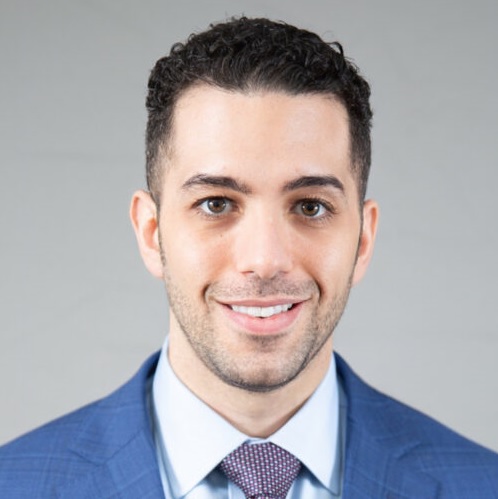
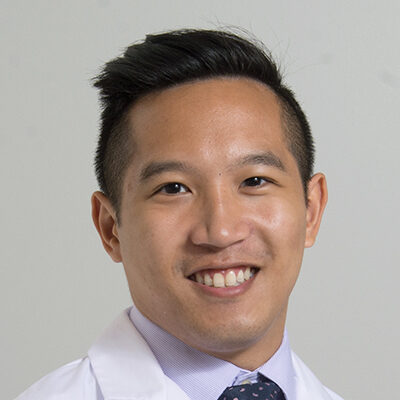
Dr. Moustafa Mourad
MD, FACS
Double Board-Certified Head & Neck and Facial Plastic & Reconstructive Surgeon
Dr. Moustafa Mourad is a double board-certified head and neck and facial plastic and reconstructive surgeon who cares for the full range of cosmetic and complex conditions affecting the face, head, and neck.
- Facial plastic and reconstructive surgery
- Head and neck cancer surgery
- Microvascular free-flap reconstruction
- Facial trauma and reconstruction
Also caring for this area

Not sure who to see? Our patient coordination team can help match you with the right specialist.
(212) 444-8006Frequently Asked Questions
Fat grafting uses your own living fat, harvested and reinjected during a surgical procedure, and the portion that survives can be long-lasting. Fillers are manufactured products placed in the office with minimal downtime, are more precisely predictable and often reversible, but are gradually broken down and need repeating. Neither is universally better; the right choice depends on the area, the goal, and your preferences.
A variable portion of the transferred fat is reabsorbed by the body in the months after surgery, and the amount that survives differs from person to person and is not fully predictable. Surgeons often slightly overfill in anticipation of this, and a touch-up is sometimes wanted once the result has settled. Realistic expectations about resorption are an important part of the procedure.
No. Fat grafting restores lost volume; it does not lift sagging tissue or tighten loose skin. Using large volumes of fat to imitate a lift can distort the face. When the problem is descended tissue, a lift addresses it, and fat grafting is often combined with a lift to address volume loss at the same time. The two treat different components of facial aging.
Fat is usually harvested from an area such as the lower abdomen or thighs using a thin cannula and gentle, low-pressure suction through tiny incisions. The donor area is chosen based on where suitable fat is available, and the harvest is done in a way that minimizes trauma to the fat cells so more of them remain viable.
The portion of grafted fat that survives and establishes a blood supply can remain as a lasting part of the face, but the procedure does not stop ongoing facial aging, and the face continues to change over time. It is more accurate to describe the surviving fat as long-lasting than as guaranteed permanent, and additional volume can be added later if desired.
Swelling and bruising of the face and donor site are most noticeable in the first week, and the face looks fuller than the final result at first. Many patients return to non-strenuous routines within one to two weeks, with strenuous activity restricted for several weeks. The volume settles over the following one to three months as resorption stabilizes.
Some patients are satisfied with a single session, while others choose a touch-up after the first result has settled, because the amount of lasting volume is not fully predictable. Whether a second session is wanted depends on how the graft settles and on your goals, and it is discussed as part of planning.
Yes. Fat grafting is commonly combined with a facelift or deep-plane facelift, eyelid surgery, or brow and temple rejuvenation, so that lost volume is restored at the same time descended tissue is repositioned. Combining procedures consolidates recovery into one period and is planned individually based on your anatomy and goals.
The technique your surgeon uses — gentle harvest, careful processing, and placing the fat in many small deposits — does most of the work. On your side, not smoking around the time of surgery is important, because smoking impairs the small blood vessels the graft depends on, and avoiding pressure on the treated areas during early healing helps the fat settle. Following your surgeon's specific aftercare instructions supports the result.
Yes, to some degree. The area where the fat is harvested — often the lower abdomen or thighs — can be tender, swollen, or bruised for a time, and a compression garment is sometimes used to support it. This donor-site recovery is usually milder than the harvesting done for body contouring, because the amount of fat needed for the face is relatively small, but it is part of the overall recovery your surgeon will review with you.
It can in suitable candidates, by adding volume to the under-eye and adjacent cheek to soften a hollow or tired appearance. The under-eye area is delicate, however, and grafting there requires careful, conservative technique because irregularities can be more visible in thin lower-eyelid skin. Whether fat grafting, a filler, or eyelid surgery most closely suits the under-eye area depends on your anatomy, and the evaluation weighs these options rather than assuming one answer.
Clinical References
These independent resources from medical and professional organizations offer further reading. They are provided for general education and do not replace a consultation with a clinician.
Related Conditions

Related Procedures

Request a consultation about facial fat grafting
Schedule a consultation with our team to discuss whether this procedure is the right option for you.