
About the Procedure
Facial fracture repair treats broken bones of the facial skeleton, which can result from falls, sports, motor vehicle collisions, assaults, or other trauma. Commonly affected areas include the nasal bones, cheekbone (zygoma), eye socket (orbit), upper jaw, and lower jaw (mandible).
Not every facial fracture requires surgery. Some heal well with observation and supportive care, while others need realignment and fixation to restore the bite, protect the eye, support breathing, or correct a visible deformity. The decision depends on which bones are involved, how displaced they are, and the effect on function.
At Norelle ENT, evaluation includes a focused examination and imaging, usually a CT scan, to map the injury. Treatment is timed and planned around the specific fracture pattern and the patient's overall condition, with coordination with other specialists when needed.
Who may be a candidate
Surgery may be considered for:
- Displaced fractures of the cheek, eye socket, or jaw
- Fractures affecting the bite or jaw movement
- Orbital fractures affecting eye position or movement
- Nasal fractures causing deformity or blocked breathing
Non-displaced or stable fractures may heal without surgery. The plan also accounts for other injuries and overall health.
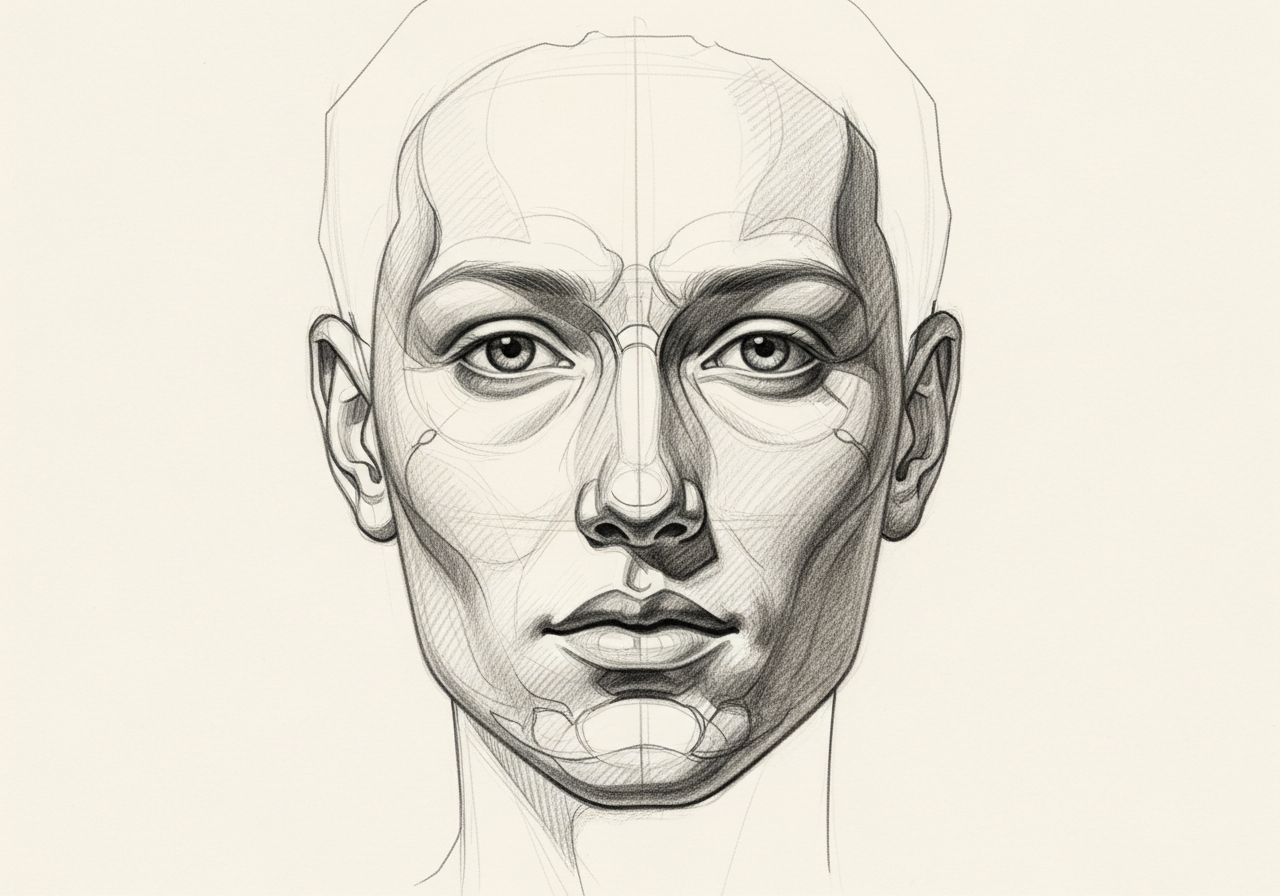
Considering facial fracture repair? The next step is a quiet, unhurried conversation.
How it is performed
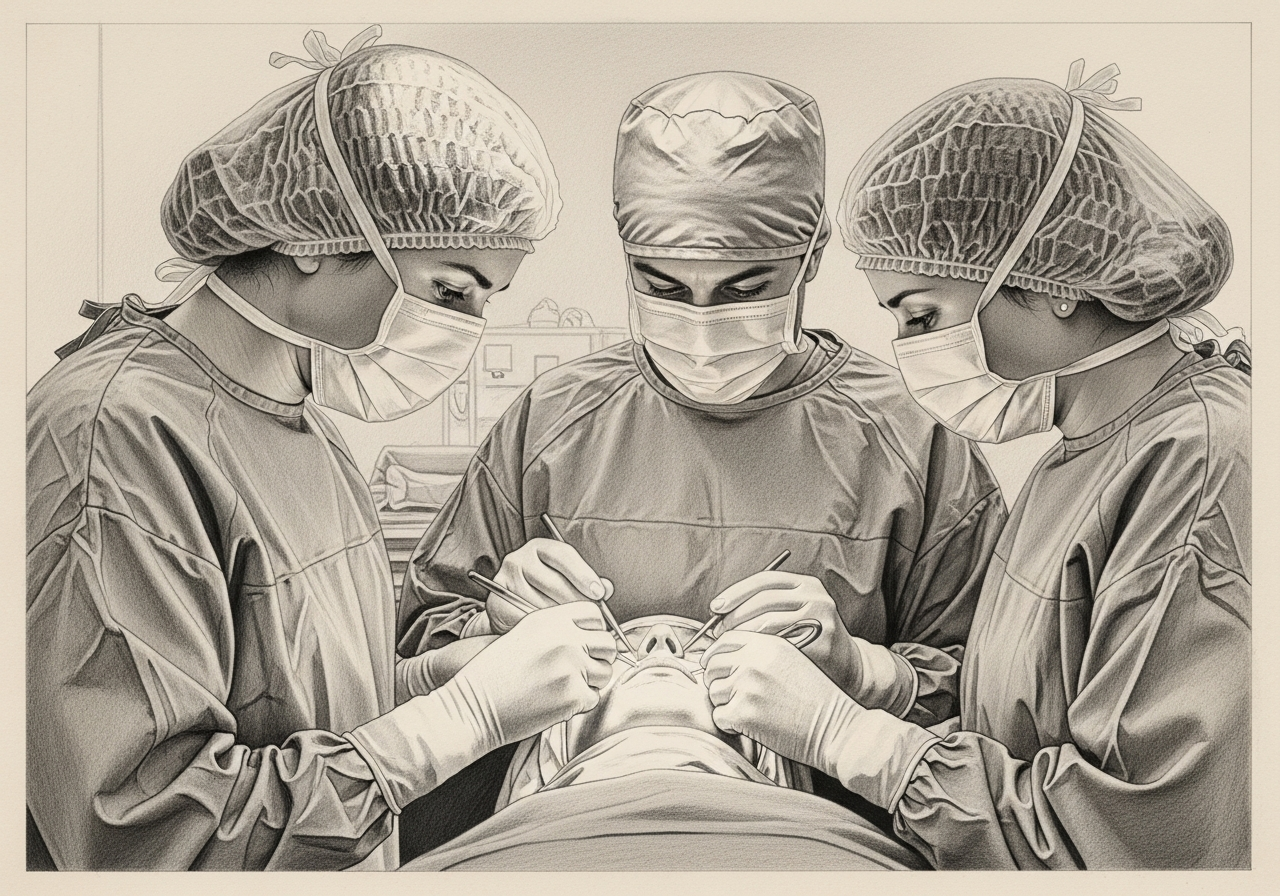
Repair is usually performed under general anesthesia. The surgeon reaches the fracture through incisions placed inside the mouth, within the hairline, or along natural skin creases when possible, then realigns the bones and secures them, commonly with titanium plates and screws.
Nasal fractures are often reset in a closed fashion without external incisions. The timing of surgery depends on swelling and the specific injury.
Recovery and aftercare
Swelling and bruising are expected and improve over the first weeks. Depending on the repair, you may need a soft or liquid diet, restrictions on nose blowing, sinus precautions, or limits on strenuous activity.
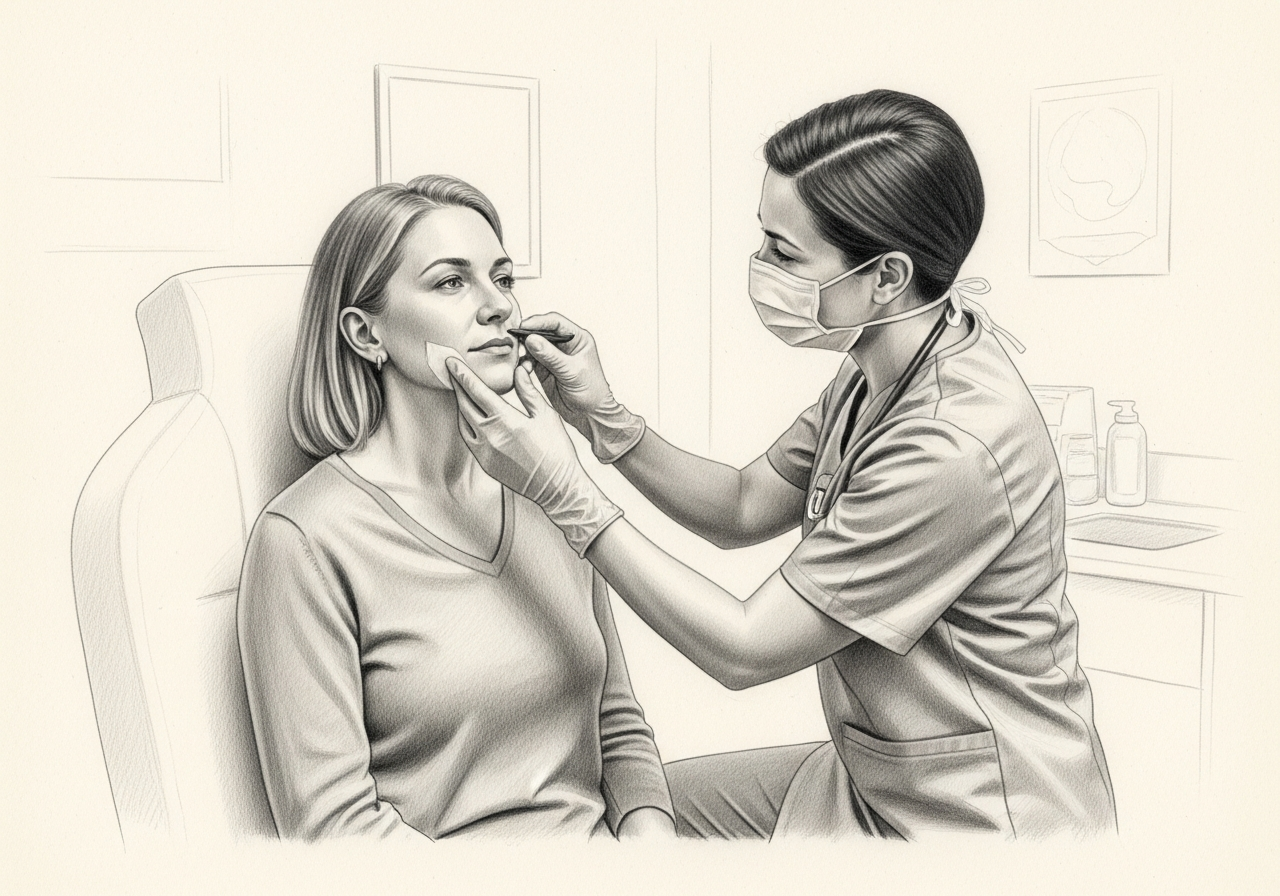
Your team will provide wound care and follow-up instructions. Numbness around the injured area is common early and often improves over time.
Risks and alternatives
Possible risks include bleeding, infection, numbness, asymmetry, changes in the bite, eye-related complications with orbital fractures, hardware-related issues, and the possibility of needing revision surgery.
Alternatives may include observation for stable fractures or delayed treatment. The right approach depends on the fracture pattern and its effect on function and appearance.
Results and follow-up
Repair is intended to restore facial structure, function, and a balanced appearance. Follow-up visits, sometimes with repeat imaging, confirm alignment and healing.
Some residual asymmetry, numbness, or the need for additional procedures can occur, particularly with complex injuries.
Clinical references
Medical review
This page is a patient-education resource reviewed by the responsible Norelle ENT clinician before publication. It does not replace an in-person evaluation. If symptoms are severe or rapidly worsening, seek immediate medical care.
Specialists who perform facial fracture repair
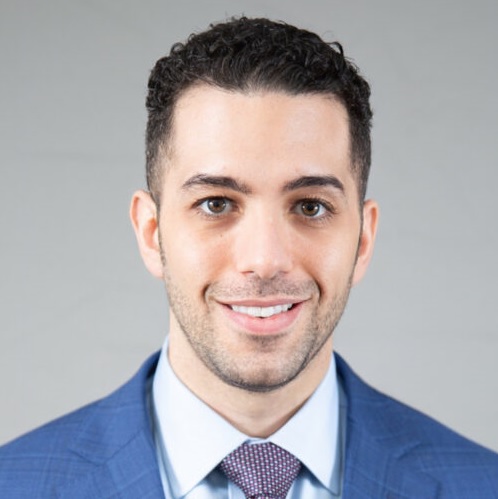
Dr. Moustafa Mourad
MD, FACS
Double Board-Certified Head & Neck and Facial Plastic & Reconstructive Surgeon
Dr. Moustafa Mourad is a double board-certified head and neck and facial plastic and reconstructive surgeon who cares for the full range of cosmetic and complex conditions affecting the face, head, and neck.
- Facial plastic and reconstructive surgery
- Head and neck cancer surgery
- Microvascular free-flap reconstruction
- Facial trauma and reconstruction
Also caring for this area




Not sure who to see? Our patient coordination team can help match you with the right specialist.
(212) 444-8006Frequently Asked Questions
No. Stable, non-displaced fractures often heal with observation and supportive care. Surgery is generally reserved for fractures that are displaced or that affect the bite, eye, breathing, or facial contour.
Evaluation includes a focused examination and imaging, usually a CT scan, which maps the fracture pattern and guides whether and how to repair it.
Surgeons often use incisions hidden inside the mouth, within the hairline, or along natural creases. Nasal fractures are frequently reset without external incisions.
Realigned bones are commonly secured with small titanium plates and screws, which usually remain in place permanently and are not felt by most patients.
Many facial fractures are best repaired within a couple of weeks, before significant healing begins. Timing also depends on swelling and any other injuries, and your team will advise on the best window.
Repairs involving the jaw often require a soft or liquid diet for a period to protect healing. Your surgeon will give specific dietary and activity instructions.
Fractures of the eye socket can affect eye position or movement and, rarely, vision. These injuries are evaluated carefully, sometimes with eye specialists, to protect the eye.
Complex fractures can leave some asymmetry or functional changes that may benefit from revision or reconstruction. Follow-up helps determine whether further treatment is needed.
Related Conditions

Request a consultation about facial fracture repair
Schedule a consultation with our team to discuss whether this procedure is the right option for you.