
About the Procedure
The facial nerve controls the muscles that close the eye, lift the brow, move the cheek, and create a smile. When this nerve is cut, compressed, or damaged by trauma, tumor surgery, or other causes, the result can be facial weakness or paralysis that affects eye protection, speech, eating, and expression.
Facial nerve repair includes several techniques chosen by the type and timing of the injury. When the nerve ends can be reconnected, direct repair or a nerve graft may restore the connection. When the original nerve cannot be used, a nerve transfer can bring new input from a nearby nerve to power the facial muscles.
At Norelle ENT, treatment is highly individualized. Timing matters, because the facial muscles respond best when input is restored before prolonged paralysis. Evaluation focuses on the cause, how long the weakness has been present, eye safety, and the movements most important to the patient.
Who may be a candidate
Repair may be appropriate when:
- The facial nerve has been cut or interrupted by trauma or surgery
- Paralysis is relatively recent and the muscles can still respond
- The nerve ends can be reconnected or a donor nerve is available
For long-standing paralysis where the native muscles no longer respond, other reconstructive options such as muscle transfer are usually considered instead.
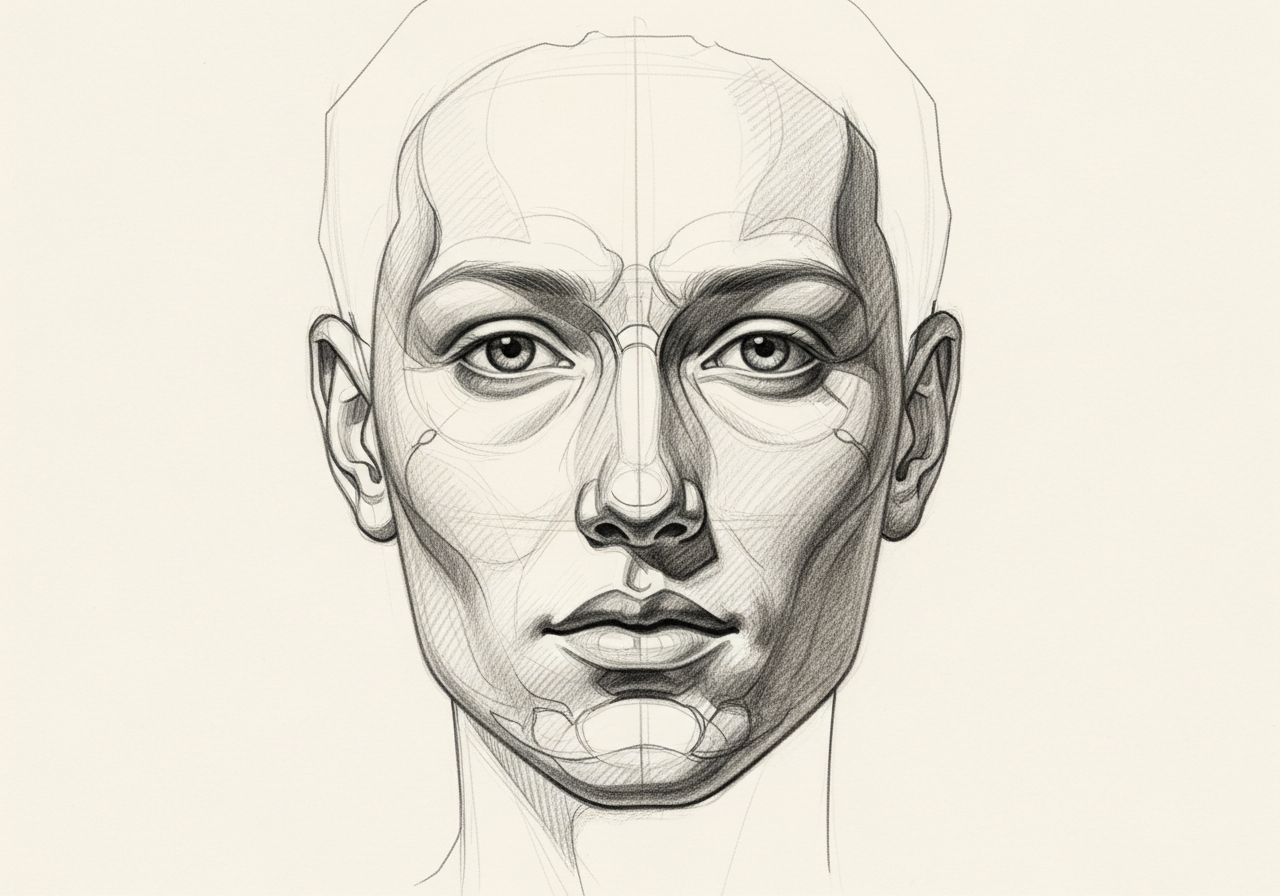
Considering facial nerve repair? The next step is a quiet, unhurried conversation.
How it is performed
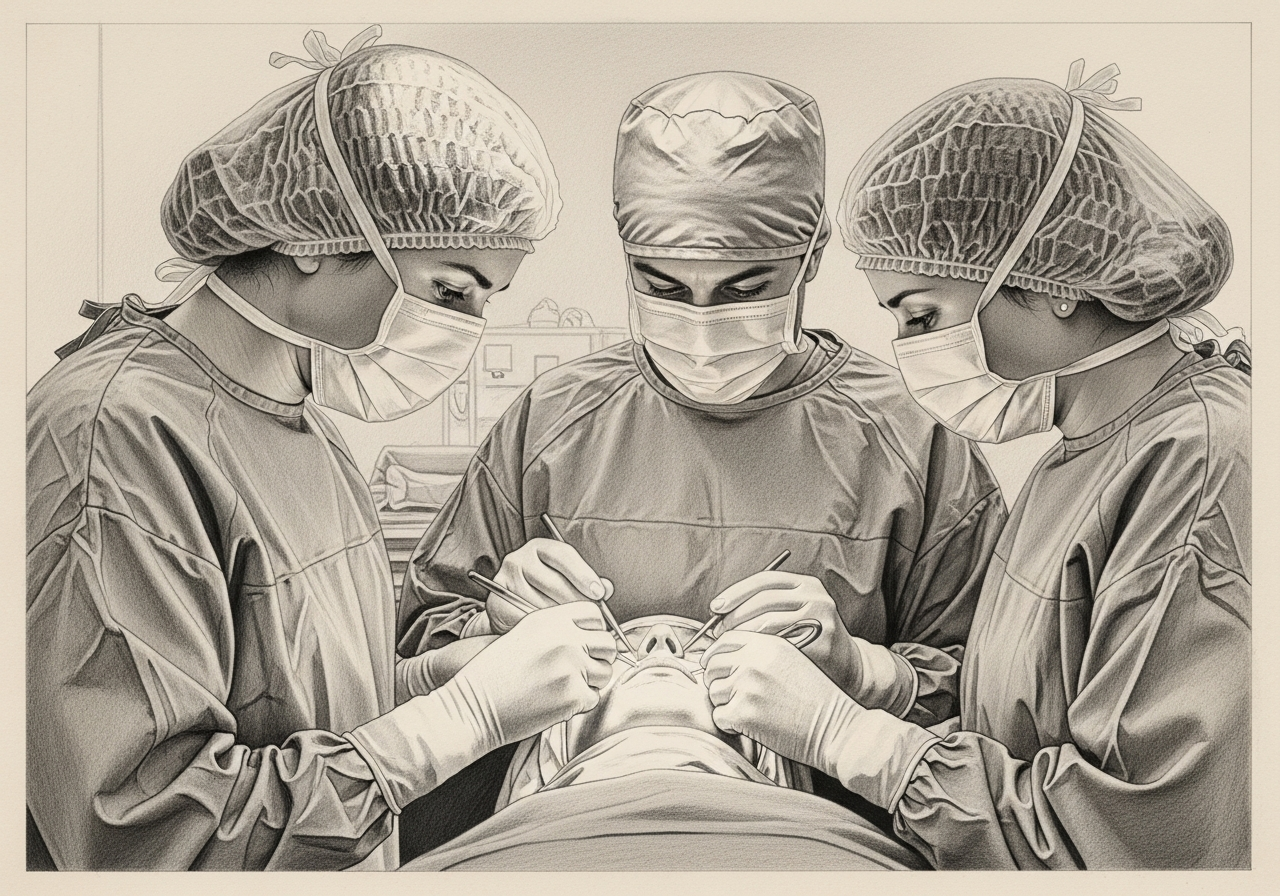
When the nerve ends can be reached, the surgeon reconnects them directly or bridges a gap with a nerve graft taken from elsewhere in the body. When the original nerve is not usable, a nerve transfer connects a working donor nerve, such as a branch from the chewing muscle nerve, to the facial nerve.
The specific approach depends on the location of the injury and is often combined with measures to protect the eye.
Recovery and aftercare
Nerve regrowth is slow, and movement usually begins to return over several months. Facial physical therapy helps retrain coordinated movement as recovery progresses.
Until the eye can close normally, lubrication, protective measures, and sometimes eyelid procedures are used to keep the eye safe. Results continue to develop over a year or more.
Risks and alternatives
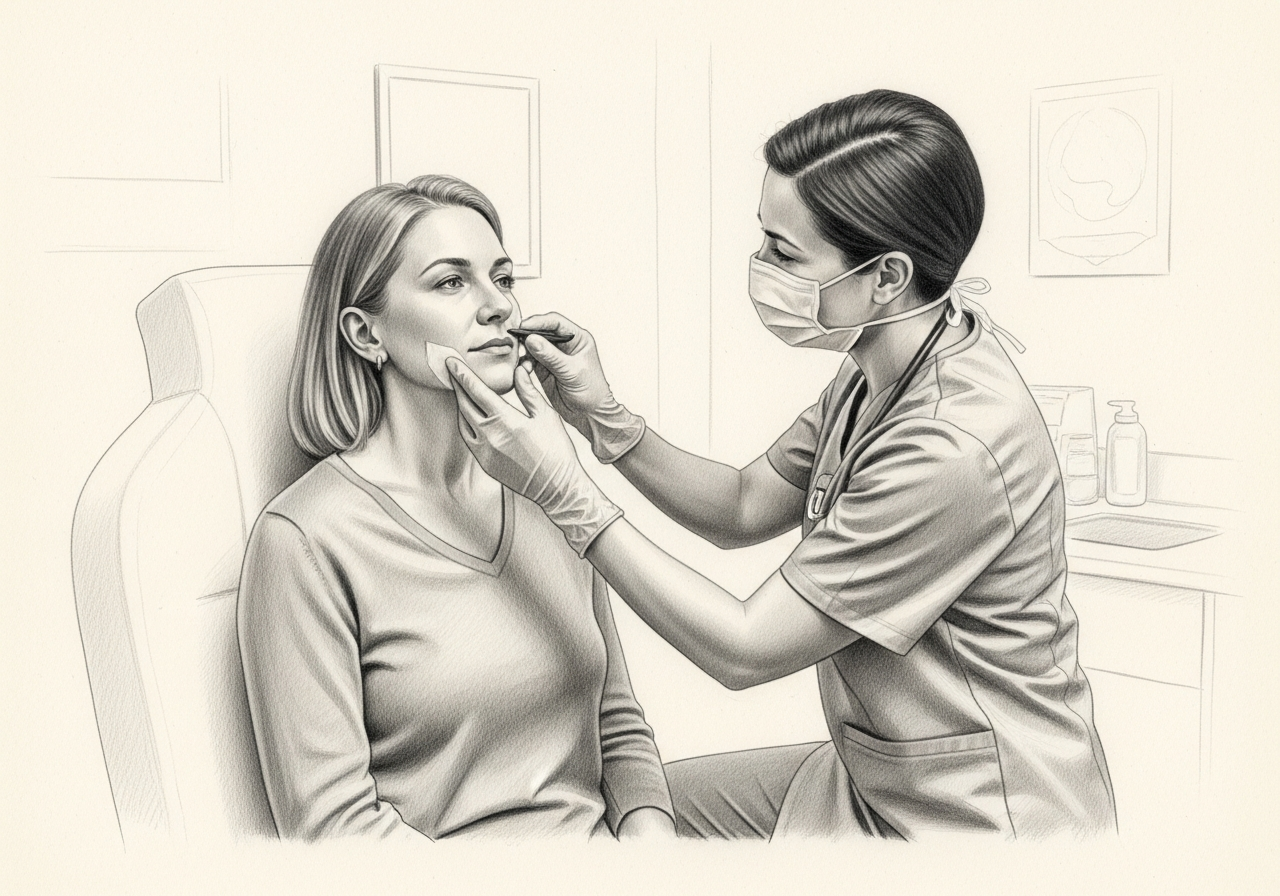
Possible risks include incomplete recovery of movement, asymmetry, involuntary linked movements (synkinesis), donor-site numbness or weakness, and scarring. Not all patients regain full movement.
Alternatives depend on the situation and may include observation in early recovery, nerve transfers, muscle transfer for long-standing paralysis, static suspension, or eyelid procedures for eye protection.
Results and follow-up
The goal is meaningful, more symmetric movement and reliable eye closure, though the degree of recovery varies. Follow-up tracks the return of movement and guides therapy.
Additional procedures are sometimes added to refine symmetry or address the eye, brow, or smile.
Clinical references
Medical review
This page is a patient-education resource reviewed by the responsible Norelle ENT clinician before publication. It does not replace an in-person evaluation. If symptoms are severe or rapidly worsening, seek immediate medical care.
Patient Results
Before and After: Facial Paralysis
Photographs of Norelle ENT patients, published with consent. Individual results vary.
Specialists who perform facial nerve repair

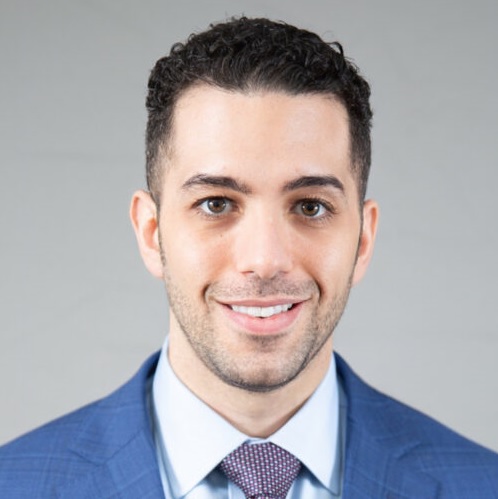
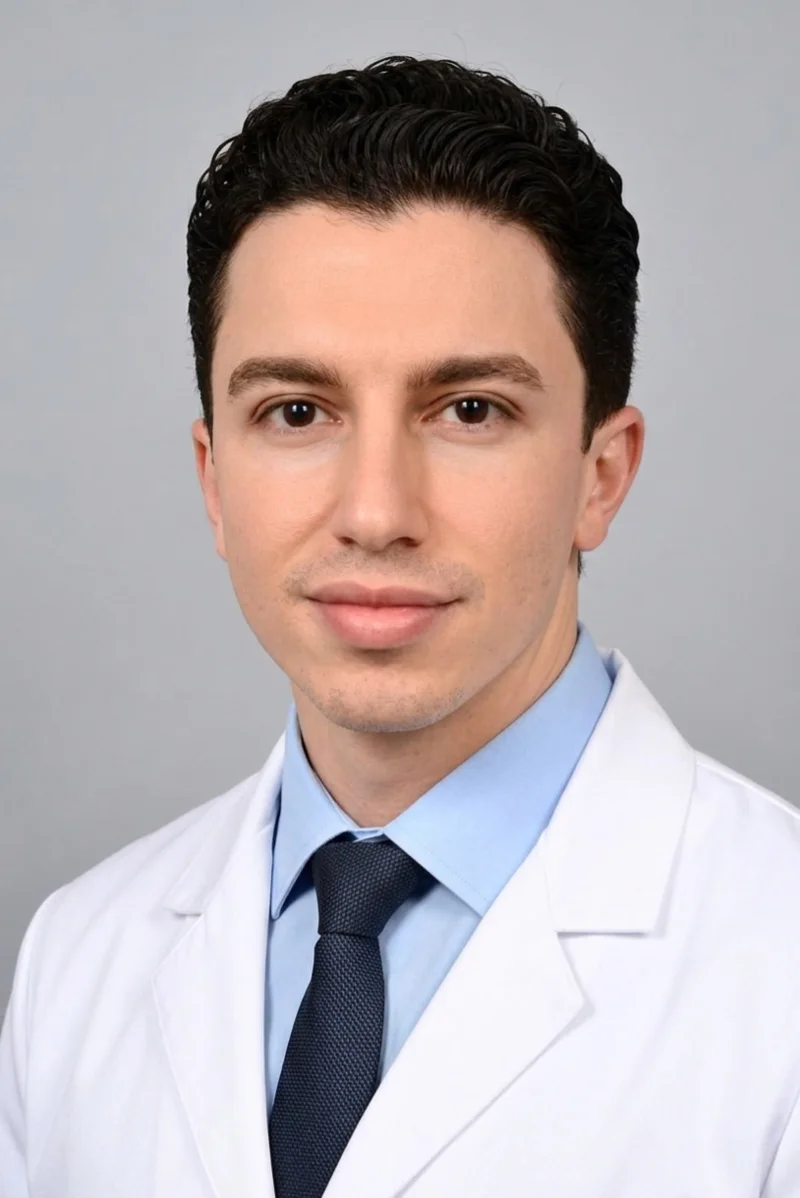
Dr. Rakhna Araslanova
MD, FRCSC, FACS
Fellowship-Trained Facial Plastic & Reconstructive Surgeon — Facial Paralysis and Reanimation
Dr. Rakhna Araslanova is a fellowship-trained facial plastic and reconstructive surgeon who leads facial paralysis and reanimation at Norelle ENT, with additional expertise in craniofacial reconstruction and aesthetic facial plastic surgery.
- Facial paralysis rehabilitation and surgical reanimation
- Craniofacial reconstruction
- Aesthetic facial plastic surgery
- Rhinoplasty
Also caring for this area


Not sure who to see? Our patient coordination team can help match you with the right specialist.
(212) 444-8006Frequently Asked Questions
It is a group of surgical techniques used to restore input to the facial nerve after injury, including direct repair, nerve grafting, and nerve transfers, with the goal of recovering facial movement and protecting the eye.
Facial muscles respond best when input is restored before prolonged paralysis. After long-standing paralysis, the native muscles may no longer respond, and different reconstructive options are considered.
Nerve regrowth is gradual. Movement usually begins to return over several months and can continue to develop over a year or more, often with the help of facial physical therapy.
When the original facial nerve cannot be used, a nearby working nerve, such as a branch of the nerve to the chewing muscle, can be connected to the facial nerve to provide new input for movement.
Yes. Until normal eye closure returns, lubrication, protective measures, and sometimes eyelid procedures are used to keep the eye safe.
No. The degree of recovery varies, and some patients regain partial movement or develop linked movements. Your surgeon will discuss what is realistic for your situation.
Synkinesis refers to involuntary movements that can occur as the nerve regrows, such as the eye narrowing when smiling. It can sometimes be managed with therapy or other treatments.
When the native facial muscles no longer respond, options such as a muscle transfer (free tissue transfer) or static suspension may be considered instead of nerve repair.
Related Conditions

Related Procedures

1 of 4 · Cross-Face Nerve Graft
Request a consultation about facial nerve repair
Schedule a consultation with our team to discuss whether this procedure is the right option for you.