
About the Procedure
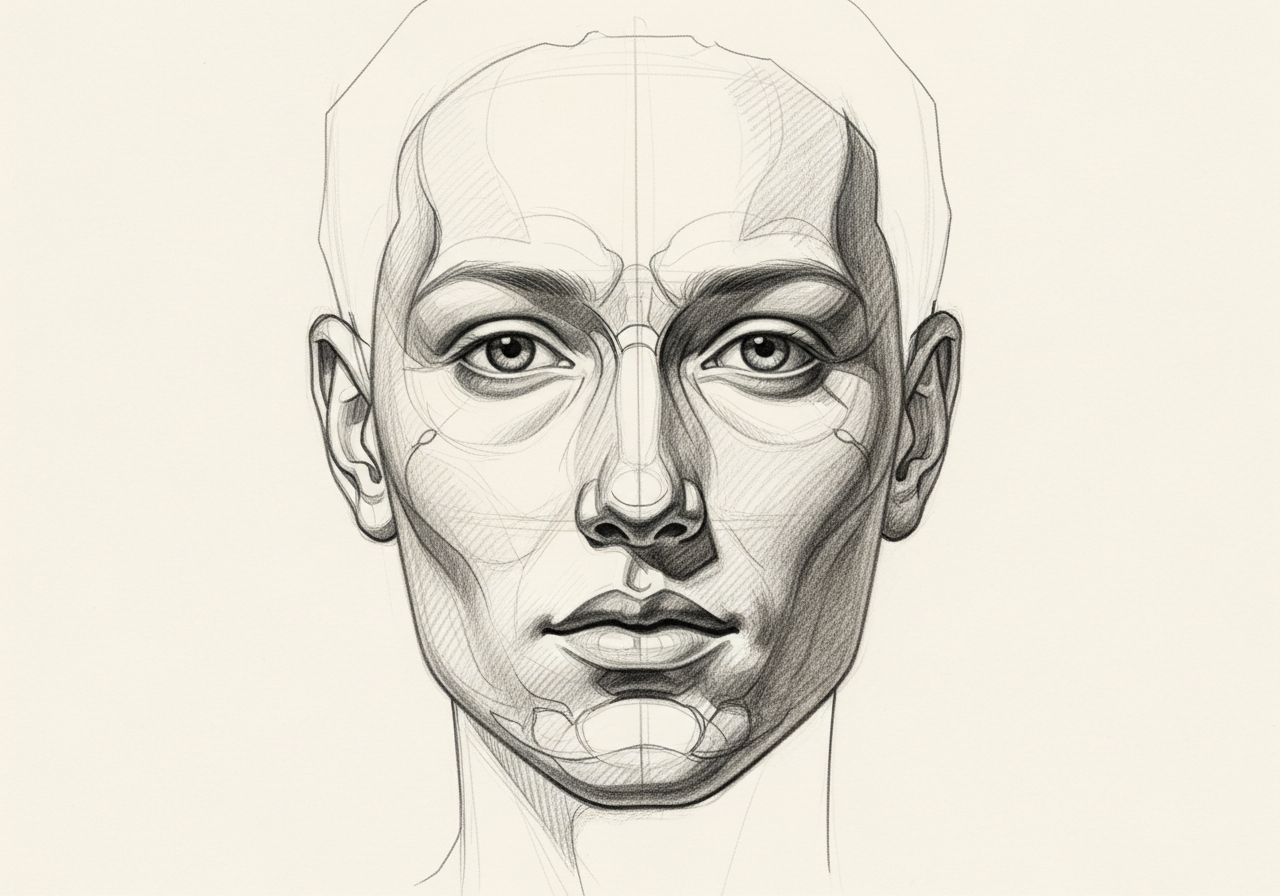
Facial paralysis can lead to asymmetry not only during movement but also at rest, as muscle tone and volume change on the weak side of the face. Injectable soft-tissue fillers are a nonsurgical option that can help improve resting balance by restoring volume or smoothing contour differences.
Fillers do not restore movement, and they are not a treatment for the underlying nerve problem. Instead, they are used as part of a broader facial rehabilitation plan to address specific concerns such as a deepened fold, a flattened cheek, or asymmetry around the mouth or nose.
At Norelle ENT, fillers for facial paralysis are considered after evaluating the cause and pattern of asymmetry. They are often combined with other treatments, such as Botox, therapy, or surgery, and the plan is individualized to each person's goals.
Who may be a candidate
Fillers may be considered when:
- There is asymmetry at rest from volume loss or contour change
- A nonsurgical, adjustable option is preferred
- Specific, well-defined areas are the concern
They are not a treatment for the nerve injury itself and do not improve facial movement.
Considering fillers for facial paralysis? The next step is a quiet, unhurried conversation.
How it is performed
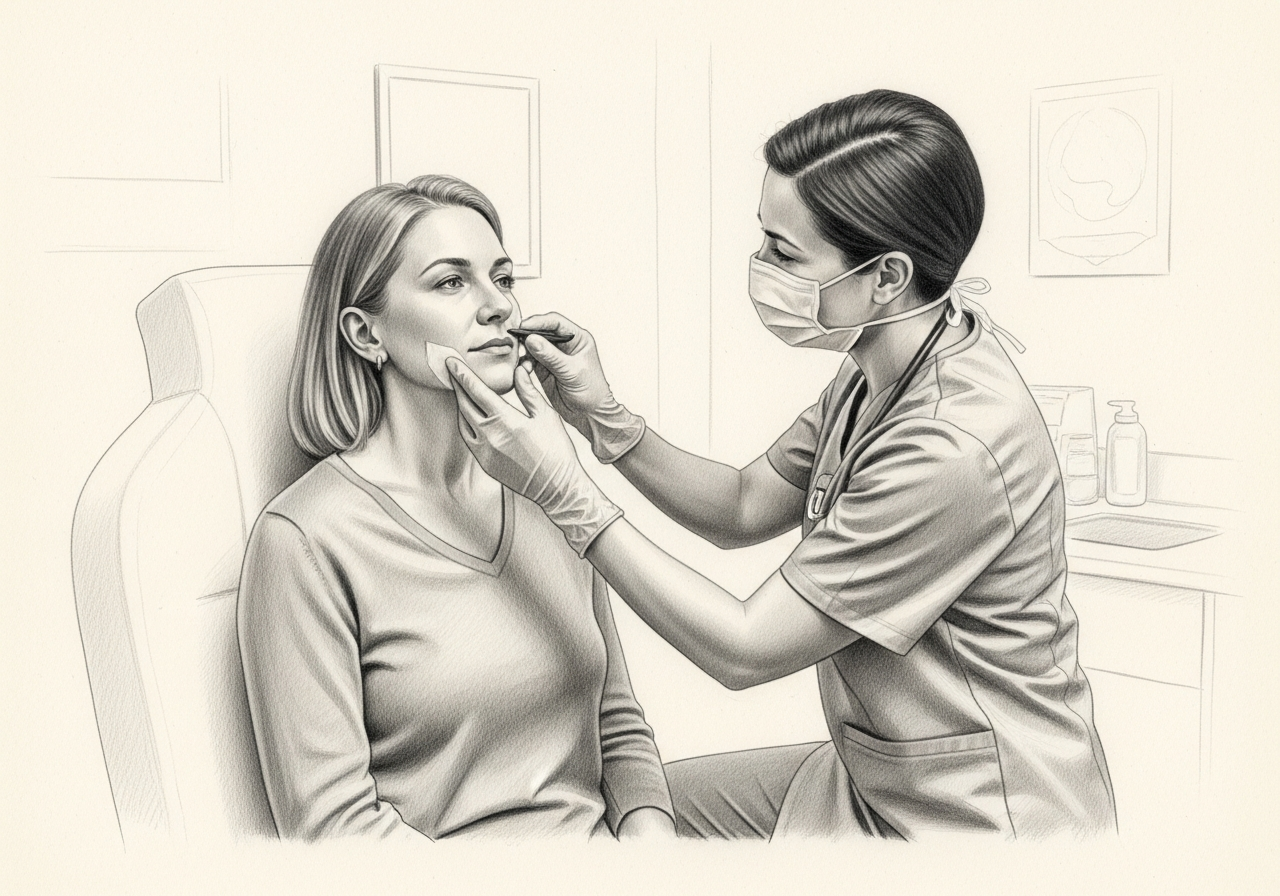
Treatment is performed in the office. After mapping the areas of asymmetry, the clinician injects filler in small amounts to balance contour and volume, comparing both sides of the face throughout.
The type and amount of filler are selected for the specific area, and results can be refined at follow-up.

Recovery and aftercare
Most people resume normal activities right away. Temporary swelling, bruising, redness, or tenderness at the injection sites can occur and usually resolves within days.
Your clinician will review aftercare and when to follow up to assess the result.
Risks and alternatives
Possible risks include bruising, swelling, asymmetry, lumpiness, and, rarely, more serious problems such as vascular complications. Many fillers can be adjusted or, in some cases, dissolved.
Alternatives include Botox, facial physical therapy, fat grafting, static suspension, or surgical reconstruction, depending on the goals and the pattern of paralysis.
Results and follow-up
Fillers can improve resting symmetry, with results visible soon after treatment. Because fillers are temporary, the effect typically lasts months, and repeat treatment can maintain it.
Follow-up allows the result to be refined and coordinated with other treatments.
Clinical references
Medical review
This page is a patient-education resource reviewed by the responsible Norelle ENT clinician before publication. It does not replace an in-person evaluation. If symptoms are severe or rapidly worsening, seek immediate medical care.
Patient Results
Before and After: Facial Paralysis
Photographs of Norelle ENT patients, published with consent. Individual results vary.
Specialists who perform fillers for facial paralysis

Dr. Rakhna Araslanova
MD, FRCSC, FACS
Fellowship-Trained Facial Plastic & Reconstructive Surgeon — Facial Paralysis and Reanimation
Dr. Rakhna Araslanova is a fellowship-trained facial plastic and reconstructive surgeon who leads facial paralysis and reanimation at Norelle ENT, with additional expertise in craniofacial reconstruction and aesthetic facial plastic surgery.
- Facial paralysis rehabilitation and surgical reanimation
- Craniofacial reconstruction
- Aesthetic facial plastic surgery
- Rhinoplasty
Also caring for this area




Not sure who to see? Our patient coordination team can help match you with the right specialist.
(212) 444-8006Frequently Asked Questions
No. Fillers improve symmetry at rest by adding volume or balancing contour. They do not treat the nerve injury or restore movement.
They can soften a deepened fold, restore a flattened cheek, or balance specific contour differences caused by changes in muscle tone on the weak side of the face.
No. Fillers are temporary and typically last months before repeat treatment is considered. This also makes the approach adjustable over time.
Yes. Filler treatment is an in-office injection with little downtime, though temporary swelling or bruising can occur.
Yes. Fillers are often used alongside Botox, facial physical therapy, or surgery as part of an individualized facial rehabilitation plan.
Many commonly used fillers can be adjusted, and some can be dissolved if needed. Your clinician will discuss which product is being used and its characteristics.
Risks include bruising, swelling, asymmetry, lumpiness, and, rarely, more serious vascular complications. Choosing an experienced injector and reviewing your anatomy helps reduce risk.
Related Conditions

Related Procedures

1 of 3 · Botox for Facial Paralysis
Request a consultation about fillers for facial paralysis
Schedule a consultation with our team to discuss whether this procedure is the right option for you.