

About This Treatment
Laser skin resurfacing is a treatment that uses focused light energy to improve the appearance and quality of the skin's surface. It is used for fine lines and wrinkles, rough or uneven texture, sun damage, uneven pigment, and certain scars. By delivering energy that either removes thin layers of skin or heats the deeper skin in a controlled way, resurfacing prompts the skin to heal with newer, more even tissue and to produce new collagen over the following months.
The principle behind resurfacing is that light of a particular wavelength is absorbed by a specific target in the skin. Most resurfacing lasers target water in the skin cells. When the energy is absorbed, it removes or heats a precise depth of tissue, and the controlled injury triggers a healing response — re-growth of the surface skin and remodeling of collagen in the layer beneath. The result, as the skin heals, is smoother texture, softened fine lines, and more even tone.
Resurfacing lasers are broadly divided into ablative and nonablative, and into fully ablative and fractional delivery. Ablative lasers (such as carbon dioxide and erbium:YAG) remove the surface layer of skin and produce stronger results with more downtime. Nonablative lasers heat the deeper skin while leaving the surface largely intact, with milder results and less downtime. Fractional delivery treats the skin in a pattern of tiny columns, leaving untreated skin in between to speed healing, and can be applied in both ablative and nonablative forms. The choice among these is one of the central decisions in planning treatment.
At Norelle Health in New York City, laser resurfacing is planned around the specific skin concern, the patient's skin type, and how much downtime they can accommodate. The consultation matches the type and intensity of laser to the goal and, importantly, to the patient's skin tone, because the risk of pigment changes differs by skin type. Resurfacing improves the skin surface; it does not restore lost volume (the role of fillers or fat grafting) or relax movement lines (the role of neuromodulators), and these are often combined as part of a wider plan.
What resurfacing treats
Laser resurfacing addresses the quality of the skin itself rather than its underlying volume or movement. It is commonly used for:
- Fine lines and wrinkles, particularly the fine, etched lines around the eyes and mouth.
- Sun damage (photoaging), including rough texture, dullness, and the cumulative surface changes of years of sun exposure.
- Uneven pigment, such as sun spots and blotchy discoloration (with careful patient selection, since some pigment problems can worsen with the wrong settings).
- Texture and pore appearance, smoothing roughness and refining the look of the skin surface.
- Scars, including some acne scars and surgical or traumatic scars, where resurfacing can improve contour and blend the scar with surrounding skin.
- Skin tone and a generally refreshed surface, as new collagen forms over the months after treatment.
It is important to be clear about what resurfacing does not do. It does not lift sagging skin, replace lost facial volume, or soften the lines caused by muscle movement. Deep, static folds and significant laxity are better addressed by other treatments or surgery, and resurfacing is often used alongside those rather than instead of them.
Considering laser skin resurfacing? The next step is a quiet, unhurried conversation.
Ablative versus nonablative lasers
The most important distinction in resurfacing is between ablative and nonablative approaches, which trade results against downtime.
- Ablative lasers remove the outermost layers of skin. The carbon dioxide (CO2) laser and the erbium:YAG (Er:YAG) laser are the common ablative tools. Ablative treatment produces stronger improvement in lines, texture, and sun damage, but it involves more downtime and a longer healing period, because the surface skin must regrow. CO2 tends to deliver more deep heating and tightening; Er:YAG removes tissue more precisely with somewhat less heat to surrounding skin.
- Nonablative lasers heat the deeper skin to stimulate collagen while leaving the surface layer largely intact. They produce milder, more gradual improvement, usually require a series of treatments, and have much less downtime — often just redness and mild swelling for a short time.
Neither approach is universally better; they suit different goals. A patient with significant sun damage and fine lines who can take time to heal may benefit from an ablative treatment, while someone seeking gradual improvement with minimal downtime may be better suited to a nonablative series. The decision is made together based on the concern, the skin type, and the practicalities of recovery.
Fractional resurfacing
A major development in resurfacing is fractional delivery, which changed the balance between results and recovery.
Instead of treating the entire surface uniformly, a fractional laser treats the skin in a pattern of many tiny columns of treated tissue, leaving small areas of untreated skin in between. Because the untreated skin around each treated column helps the area heal more quickly, fractional treatment allows meaningful improvement with shorter downtime than fully ablative resurfacing of the whole surface.
- Fractional nonablative lasers heat columns in the deeper skin without removing the surface, with the least downtime and the most gradual results, usually over a series of sessions.
- Fractional ablative lasers remove columns of tissue (commonly with a CO2 or erbium device), giving stronger results than nonablative fractional treatment with more downtime, but generally less than fully ablative resurfacing.
The intensity of fractional treatment can be adjusted by changing how deep the columns go and what proportion of the skin is treated in each session. This flexibility lets the plan be tuned to the patient's concern, skin type, and tolerance for downtime, and it is one reason fractional treatment is widely used.
Skin type and pigment safety
One of the most important factors in safe resurfacing is the patient's skin tone, because the risk of pigment changes differs by skin type.
Skin is often categorized using the Fitzpatrick scale, which describes how skin responds to sun from very fair skin that always burns to deeply pigmented skin that rarely burns. Skin with more pigment is more prone to a complication called post-inflammatory hyperpigmentation — darkening of the skin after the inflammation of treatment — and, less commonly, to lightening (hypopigmentation). This does not mean people with richer skin tones cannot have resurfacing, but it does mean the laser type, settings, and aftercare must be chosen carefully, and that some treatments are safer than others for darker skin.
Several practices reduce pigment risk:
- Choosing the appropriate laser and conservative settings for the skin type, sometimes favoring nonablative or carefully controlled fractional treatment.
- Pre-treatment skin preparation in selected patients to stabilize pigment-producing cells.
- A test spot in an inconspicuous area to gauge how the skin responds before treating a larger area.
- Strict sun protection and avoidance before and after treatment, since sun exposure worsens pigment problems.
Honest discussion of skin type and pigment risk is an essential part of planning, and it shapes which treatment is offered.
What the treatment involves
Resurfacing is performed in the office, and the details depend on the laser and the depth of treatment.
Preparation. Some patients are started on a skin-care regimen in the weeks before treatment to prepare the skin and, where appropriate, reduce pigment risk. Patients with a history of cold sores are usually given antiviral medication beforehand to prevent an outbreak, because resurfacing can reactivate the virus. Sun avoidance before treatment is important.
Comfort. Lighter, nonablative treatments may need only topical numbing cream. Deeper ablative treatments require more — a combination of topical and injected local anesthesia, nerve blocks, sedation, or, for full-face deep ablative treatment, deeper anesthesia.
The procedure. The laser is passed over the treatment area, delivering energy in the chosen pattern and depth. The skin is cooled and protected as needed. The length of the session depends on the area treated and the device.
Immediately after. The treated skin is red and may feel like a sunburn; ablative treatment leaves the skin raw as it begins to heal, and an ointment and protective routine are used while the surface regrows. The intensity of the immediate appearance corresponds to the depth of treatment — deeper treatments look and feel more significant at first and take longer to heal.
Risks and limitations
Resurfacing has real risks, and they scale with the depth and intensity of the treatment.
- Prolonged redness, which is expected after deeper treatments and can last weeks to months as it fades.
- Swelling in the first days, particularly with ablative treatment.
- Pigment changes — darkening (hyperpigmentation), which is more likely in richer skin tones and is often temporary, or lightening (hypopigmentation), which can be delayed and longer-lasting, more associated with deeper ablative treatment.
- Infection, including bacterial infection and reactivation of cold-sore (herpes) virus, which is why antiviral prophylaxis is used in susceptible patients.
- Scarring, an uncommon but important risk, more likely with deeper treatment, in certain areas, or with healing problems.
- Delayed healing, particularly in smokers and in people with certain medical conditions.
- A line of demarcation between treated and untreated areas if treatment is not blended appropriately.
Resurfacing also has limitations: it improves the skin surface but does not lift loose skin or restore lost volume, and deep static folds may only partially improve. Treatment is generally avoided in active skin infection at the site, in people taking certain medications that impair healing, and where recent sun exposure or a recent course of certain acne medications raises risk. These factors are reviewed before treatment.
How resurfacing fits with other treatments
Laser resurfacing addresses one part of facial aging and is frequently combined with treatments that address the others.
- Neuromodulators relax the muscles that create movement lines; resurfacing does not affect muscle activity, so the two target different problems and are often used together.
- Dermal fillers and fat grafting restore lost volume, which resurfacing does not do. A patient with both surface changes and volume loss may benefit from both.
- Surgery such as a facelift or eyelid surgery repositions and removes loose skin, which resurfacing cannot do. Resurfacing is sometimes combined with surgery to improve skin quality at the same time, though combining deep resurfacing with extensive surgical undermining in the same area is approached cautiously for healing reasons.
- Other surface treatments, such as chemical peels, microneedling, and intense pulsed light, address overlapping concerns and may be chosen instead of or alongside laser depending on the skin type, concern, and downtime.
The consultation determines whether the main issue is skin quality, volume, movement, or laxity, and therefore whether resurfacing alone is the right choice or part of a combined plan.
Specialists who provide laser skin resurfacing
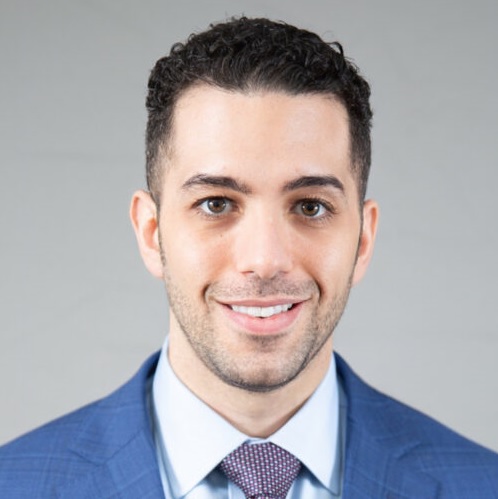
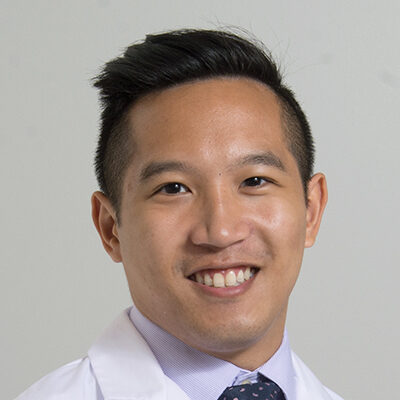
Dr. Moustafa Mourad
MD, FACS
Double Board-Certified Head & Neck and Facial Plastic & Reconstructive Surgeon
Dr. Moustafa Mourad is a double board-certified head and neck and facial plastic and reconstructive surgeon who cares for the full range of cosmetic and complex conditions affecting the face, head, and neck.
- Facial plastic and reconstructive surgery
- Head and neck cancer surgery
- Microvascular free-flap reconstruction
- Facial trauma and reconstruction
Also caring for this area

Not sure who to see? Our patient coordination team can help match you with the right specialist.
(212) 444-8006Frequently Asked Questions
Resurfacing improves the quality of the skin surface — fine lines and wrinkles, rough or uneven texture, sun damage, uneven pigment, and certain scars. It treats the skin itself. It does not lift sagging skin, restore lost volume, or relax movement lines, which are addressed by surgery, fillers, and neuromodulators respectively.
Ablative lasers remove the outer layers of skin and produce stronger results with more downtime, as the surface must regrow. Nonablative lasers heat the deeper skin while leaving the surface largely intact, giving milder, more gradual results — usually over a series of sessions — with much less downtime. The right choice depends on your concern, skin type, and how much downtime you can manage.
Fractional lasers treat the skin in a pattern of tiny columns, leaving untreated skin in between, which helps the area heal faster than treating the whole surface. Fractional treatment can be nonablative or ablative, and its intensity can be adjusted by changing the depth and the proportion of skin treated, allowing the plan to be tuned to your concern and tolerance for downtime.
It can be, but skin tone is an important consideration because richer skin tones are more prone to pigment changes after treatment, especially darkening. Safe treatment means choosing the appropriate laser and conservative settings, sometimes preparing the skin beforehand, using a test spot, and protecting strictly from the sun. Some treatments are safer than others for darker skin, which is discussed honestly at consultation.
It depends on the treatment. Nonablative treatment often involves only a few days of redness and mild swelling. Ablative treatment requires roughly one to two weeks for the surface to heal, followed by pink or red skin that fades over weeks to months. Your downtime will be estimated based on the specific laser and depth used.
Comfort measures are matched to the treatment. Lighter nonablative treatments may need only topical numbing cream. Deeper ablative treatments use a combination of topical and injected anesthesia, nerve blocks, sedation, or deeper anesthesia for full-face deep treatment. Afterward, the skin commonly feels like a sunburn for a period.
It depends on the laser and your goals. A single deeper ablative treatment can produce significant change, while nonablative and lighter fractional treatments are usually done as a series to build a result gradually. Your plan will specify how many sessions are likely for your concern and skin type.
Risks scale with the depth of treatment and include prolonged redness, swelling, pigment changes (darkening or lightening), infection including reactivation of cold sores, and, uncommonly, scarring or delayed healing. Pigment changes are more likely in richer skin tones. These risks are reduced by appropriate laser and setting selection, preventive antiviral medication when needed, and careful aftercare.
Resurfacing can reactivate the cold-sore (herpes) virus in people who carry it, which can interfere with healing. Patients with a history of cold sores are usually given antiviral medication before and after treatment to prevent an outbreak. Tell your clinician if you have ever had cold sores.
Newly resurfaced skin is sensitive to the sun, and strict sun protection is essential to protect the result and reduce pigment changes. Makeup can often be used to cover residual redness once the surface has healed and with your clinician's approval. Specific timing depends on the depth of your treatment.
These treatments address overlapping skin-surface concerns by different means — a peel uses a chemical solution, microneedling uses fine needles to create controlled micro-injury, and resurfacing uses laser light. The most suitable choice depends on your skin type, the specific concern, and the downtime you can accommodate; sometimes they are used in combination.
Yes. Resurfacing is commonly combined with neuromodulators and fillers because each addresses a different aspect of facial aging — skin quality, movement lines, and volume. It can also accompany surgery to improve skin quality, though combining deep resurfacing with extensive surgery in the same area is approached cautiously for healing reasons. A consultation determines the right combination for your concerns.
Clinical References
These independent resources from medical and professional organizations offer further reading. They are provided for general education and do not replace a consultation with a clinician.
Related Conditions
Related Procedures

Request a consultation about laser skin resurfacing
Schedule a consultation with our team to discuss whether this treatment is the right option for you.