
About the Procedure
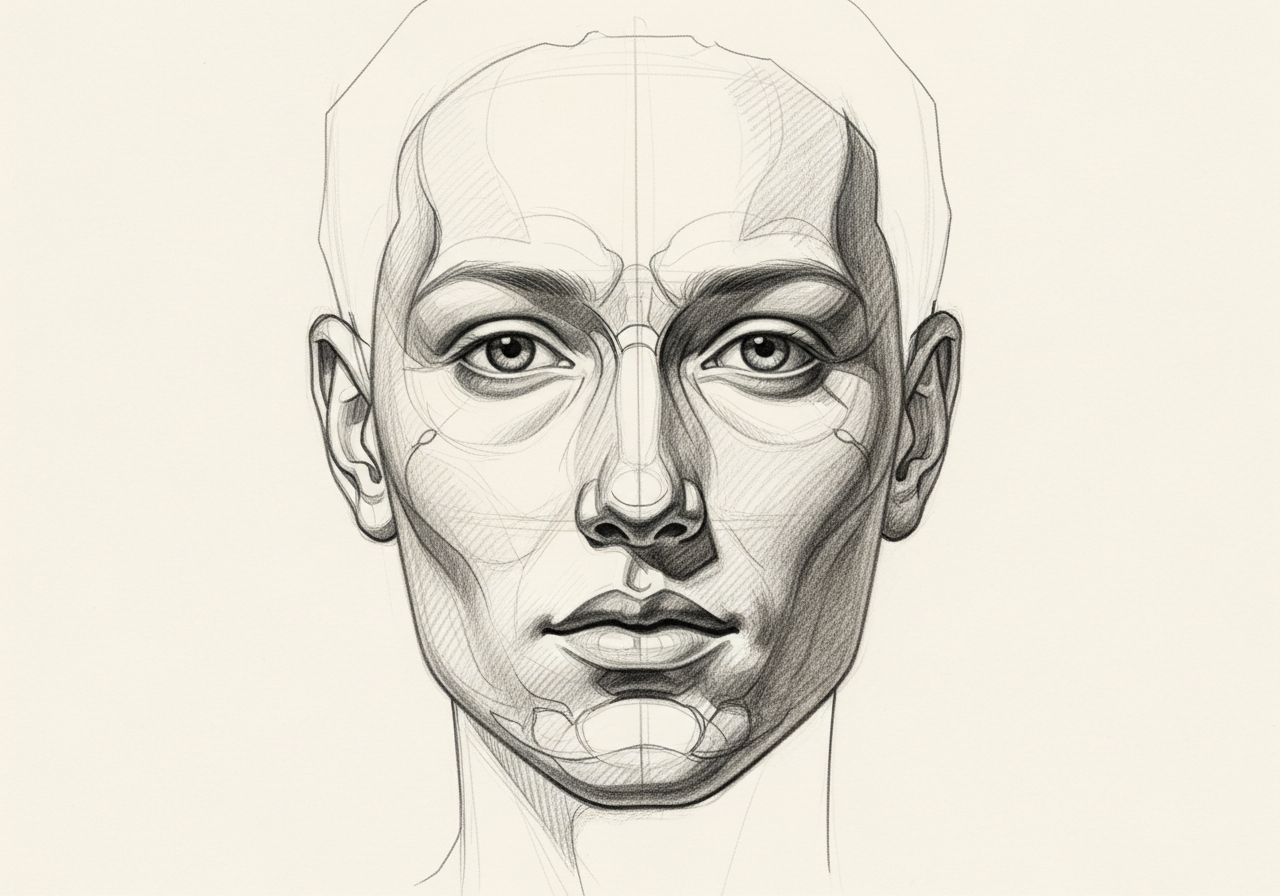
The mentalis is a small paired muscle at the tip of the chin that raises and wrinkles the skin. In some people it is overactive or sits high, producing chin dimpling (sometimes described as a pebbled or "peau d'orange" chin), a deep mental crease, or a strained appearance when speaking or at rest.
Mentalis resection weakens or partially removes part of this muscle to soften these changes and improve chin contour and balance. It is one option among several, and for many people non-surgical measures such as neuromodulator (Botox) injections are tried first.
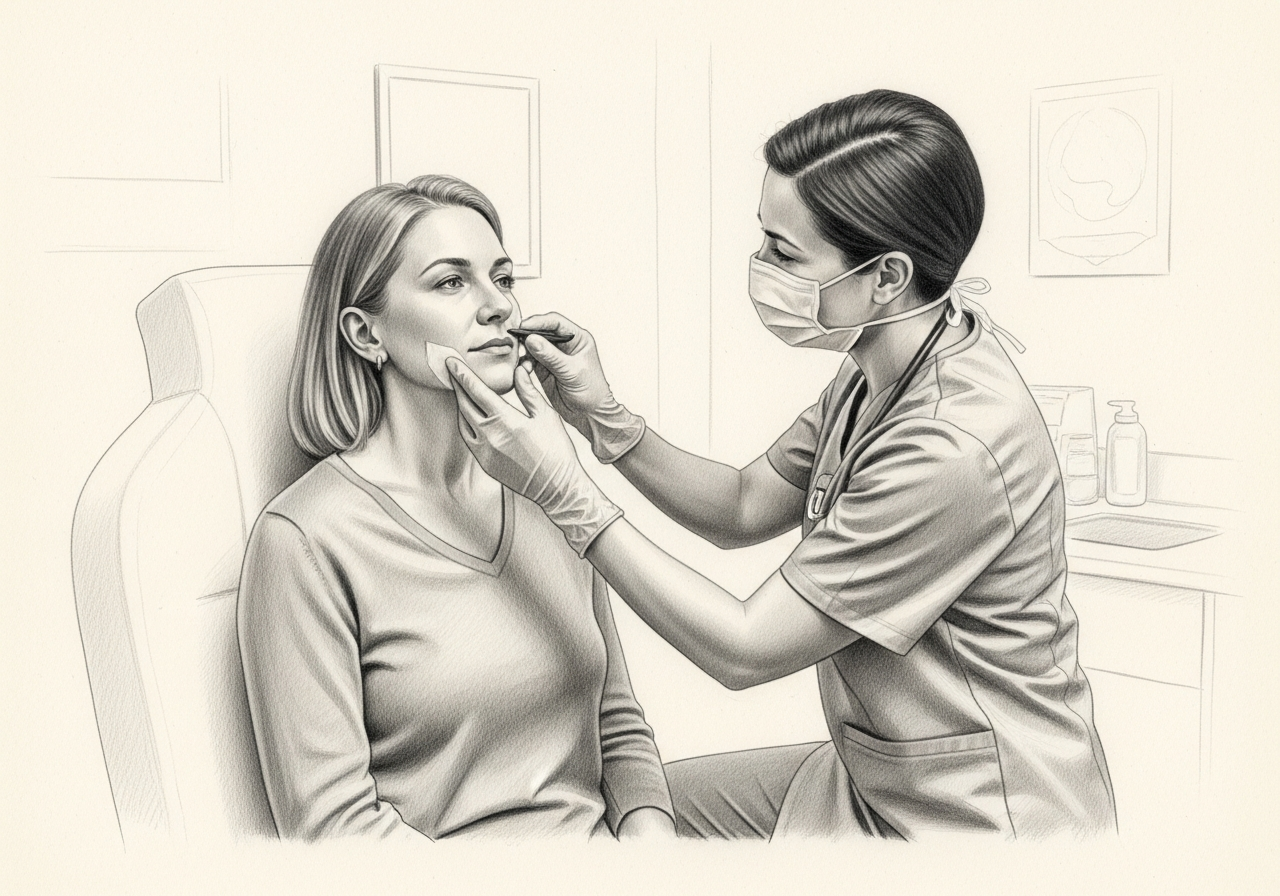
At Norelle ENT, the decision is individualized. The clinician evaluates chin and lower-lip movement, the cause of the dimpling, prior treatments, and your goals before recommending whether a procedure is appropriate.
Who may be a candidate
This procedure may be appropriate when:
- Chin dimpling or puckering is persistent and bothersome
- The mentalis appears overactive at rest or with speech
- Non-surgical measures such as neuromodulator injections have not given lasting results or are not desired
Not everyone is a candidate. The clinician confirms that the mentalis is the source of the problem and that lower-lip support and chin function can be preserved.
Considering mentalis resection? The next step is a quiet, unhurried conversation.
How it is performed
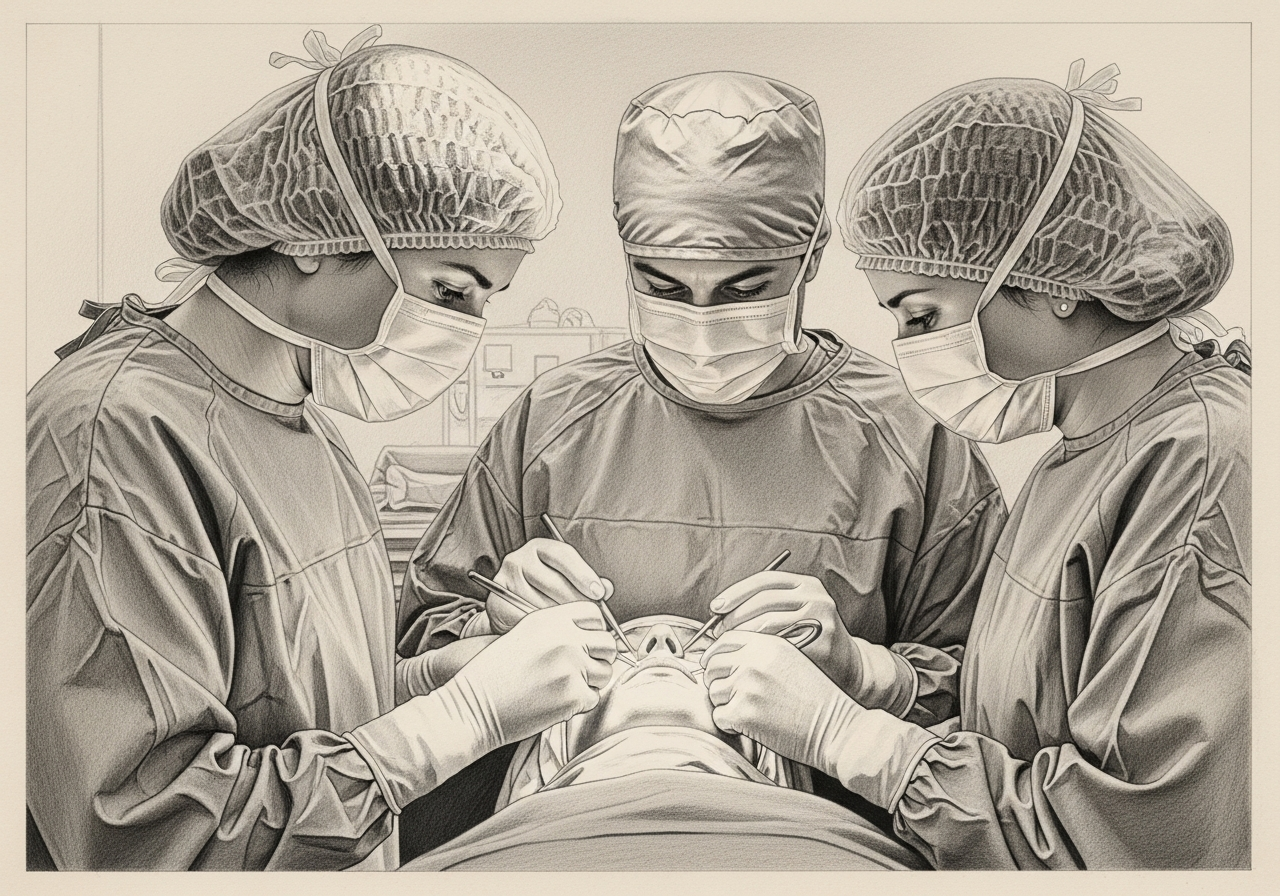
Mentalis resection is usually performed through a small incision inside the mouth, between the lower lip and gum, so there is no external scar. A portion of the muscle is carefully weakened or removed, and chin soft tissue may be repositioned or supported to maintain contour and lip position.
The extent is individualized. The surgeon aims to reduce excessive pull while protecting chin projection, lower-lip movement, and sensation.
Recovery and aftercare
Swelling, bruising, and tightness around the chin and lower lip are common early and improve over the following weeks. A soft diet, gentle oral hygiene, and any prescribed rinses help healing when the incision is inside the mouth.
Most people return to non-strenuous activity within a short period, with strenuous exercise limited briefly. The final result settles gradually as swelling resolves.
Risks and alternatives
Possible risks include temporary or, less commonly, longer-lasting changes in chin and lower-lip movement, numbness, asymmetry, over- or under-correction, lower-lip position changes, bleeding, infection, and the possibility of additional adjustment.
Alternatives include neuromodulator (Botox) injections to relax the muscle, chin augmentation or genioplasty when the underlying issue is bony chin shape, soft-tissue fillers in selected cases, or no treatment. The right option depends on what is causing the chin changes.
Results and follow-up
The goal is a smoother, more relaxed chin contour with preserved lip function. Results become clearer as swelling resolves, and follow-up visits monitor healing and symmetry.
Because muscle activity and aging continue over time, some people consider maintenance measures or minor refinement later.
Clinical references
Medical review
This page is a patient-education resource reviewed by the responsible Norelle ENT clinician before publication. It does not replace an in-person evaluation. If symptoms are severe or rapidly worsening, seek immediate medical care.
Specialists who perform mentalis resection

Dr. Moustafa Mourad
MD, FACS
Double Board-Certified Head & Neck and Facial Plastic & Reconstructive Surgeon
Dr. Moustafa Mourad is a double board-certified head and neck and facial plastic and reconstructive surgeon who cares for the full range of cosmetic and complex conditions affecting the face, head, and neck.
- Facial plastic and reconstructive surgery
- Head and neck cancer surgery
- Microvascular free-flap reconstruction
- Facial trauma and reconstruction
Also caring for this area




Not sure who to see? Our patient coordination team can help match you with the right specialist.
(212) 444-8006Frequently Asked Questions
It is a procedure that weakens or partially removes part of the mentalis muscle at the tip of the chin to reduce chin dimpling, puckering, or a strained look caused by an overactive muscle.
Chin dimpling often comes from an overactive or high-positioned mentalis muscle that wrinkles the overlying skin, sometimes producing a pebbled or peau d'orange appearance. It can be more noticeable when speaking or at rest.
Often, yes. Neuromodulator (Botox) injections can relax the mentalis temporarily and are commonly tried first. Mentalis resection is usually considered when injections do not give lasting results or are not desired.
Usually not. The procedure is typically performed through a small incision inside the mouth, between the lower lip and gum, so there is no external scar on the chin.
The surgeon weakens or removes only part of the muscle to reduce excessive pull while protecting lower-lip support, chin projection, and sensation. Temporary changes in movement or numbness can occur and usually improve as healing progresses.
Swelling, bruising, and tightness around the chin and lower lip are common early and improve over a few weeks. A soft diet and gentle oral hygiene help when the incision is inside the mouth, and the final contour settles as swelling resolves.
If the concern is the bony shape or projection of the chin rather than muscle activity, chin augmentation or a sliding genioplasty may be more appropriate. The clinician confirms the source of the problem before recommending a procedure.
Reducing muscle activity can produce lasting improvement, but muscle behavior and aging continue over time. Some people consider maintenance measures or minor refinement later.
Related Conditions

Related Procedures

1 of 1 · Sliding Genioplasty
Request a consultation about mentalis resection
Schedule a consultation with our team to discuss whether this procedure is the right option for you.