
About the Procedure
Mohs reconstruction restores facial form and function after skin cancer has been removed by Mohs surgery. Defects can involve the nose, eyelids, lips, ears, cheeks, forehead, scalp, or neck, and the goal is to rebuild the area in a way that supports both appearance and function.
The plan depends on the size, depth, and location of the defect, the quality of the surrounding tissue, whether cartilage or bone is exposed, and functional risks such as eyelid closure, nasal breathing, and oral competence. Skin cancer cosmetic units and scar placement are also considered so that scars fall along natural lines whenever possible.
Reconstruction may be completed in one stage or planned in stages. Options range from direct closure and local flaps to skin grafts, cartilage or composite grafts, and free tissue transfer for larger or deeper defects. The right approach is individualized, and two patients with similar-looking defects may need very different plans.
Why patients seek Mohs reconstruction
Most patients arrive after Mohs surgery has removed a skin cancer and left a defect on the face. They want to understand how the area will be repaired, what the scar may look like, whether function such as eyelid closure or nasal breathing will be affected, and what recovery involves.
These are reasonable concerns, and the answers depend on the defect. Mohs reconstruction is planned around the specific wound rather than a single standard technique, so a focused consultation is the best way to understand your options.
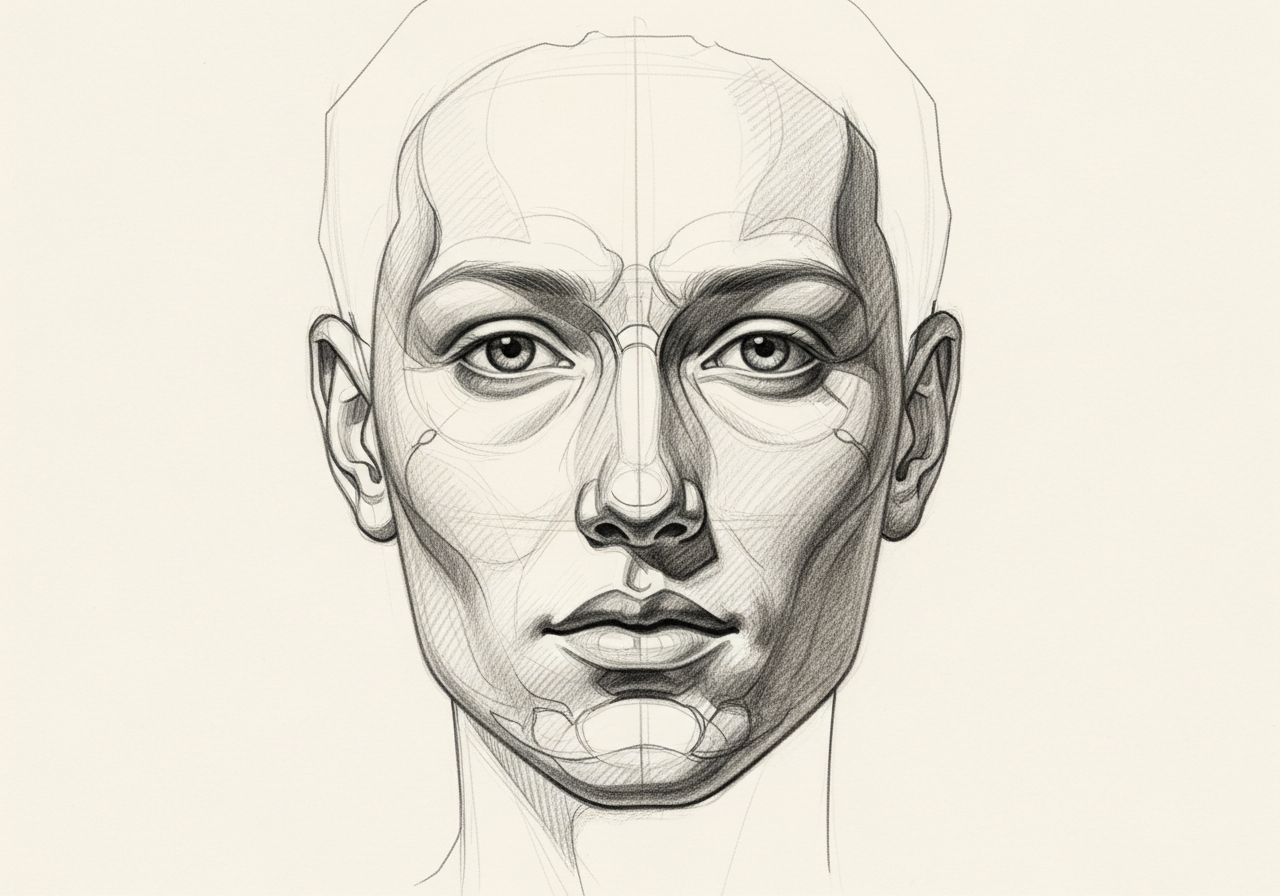
Considering mohs reconstruction? The next step is a quiet, unhurried conversation.
How Norelle ENT evaluates the defect
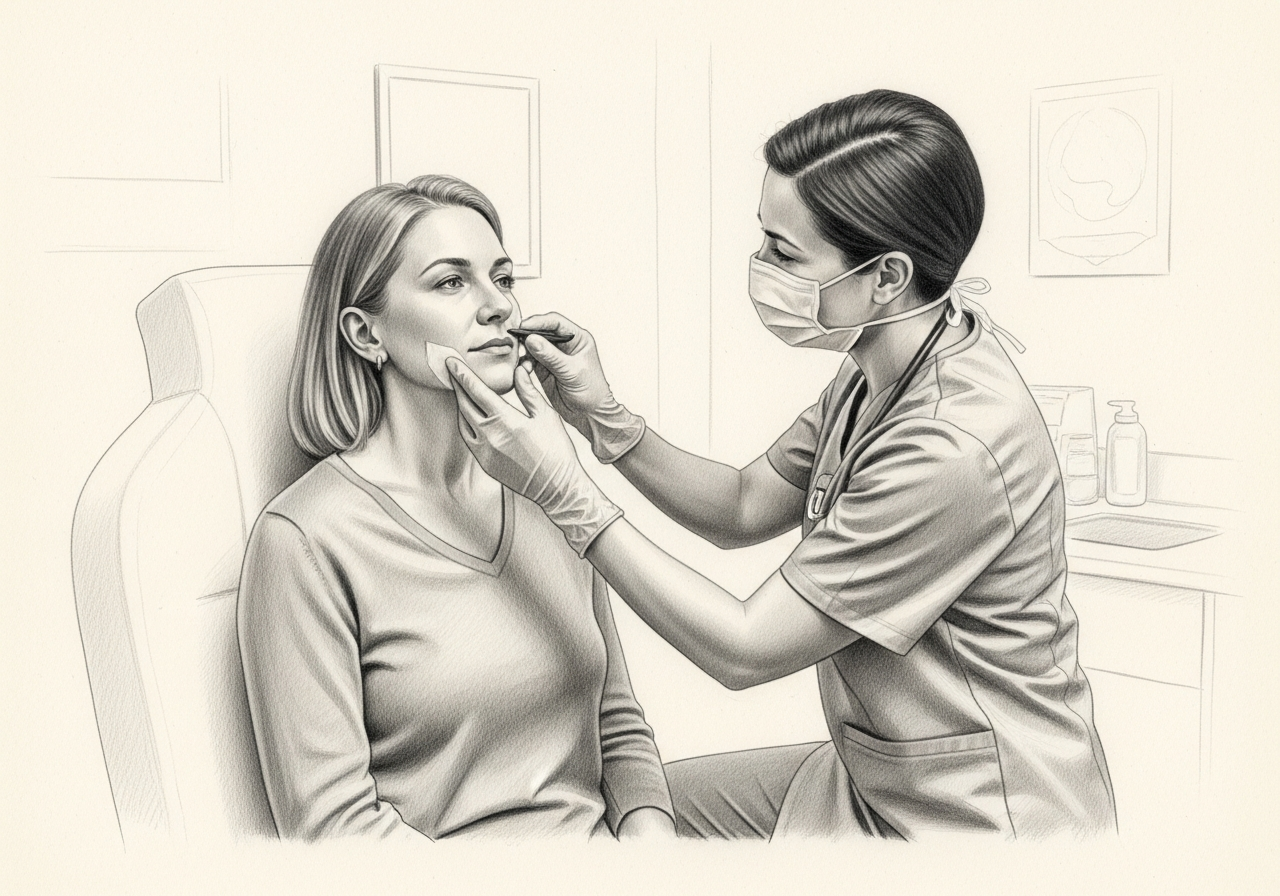
Evaluation begins with a review of the Mohs pathology to confirm the cancer has been cleared, followed by an examination of the defect. The clinician assesses the size, depth, and location of the wound, the quality of nearby skin and cartilage, whether bone or cartilage is exposed, and any functional structures at risk, such as the eyelid, nasal valve, or lip.
Planning also considers facial cosmetic units and natural skin lines so scars can be placed as discreetly as possible. Photographs and prior records are helpful, and the discussion includes what the reconstruction can realistically improve.
When this procedure is considered
Reconstruction is considered once skin cancer has been cleared and a defect remains. A procedure is appropriate when the expected benefit, in appearance or function, outweighs the risks and when the defect is suited to repair.
Some small wounds heal well with simple closure or careful wound care. Larger or functionally important defects, such as those affecting the eyelid, nose, or lip, often benefit from flap, graft, or staged reconstruction.
How the reconstruction is performed
Reconstruction is tailored to the defect and may include:
- Direct closure for smaller defects
- Local flap reconstruction using nearby tissue
- Skin grafting
- Cartilage or composite grafting to restore support
- Free tissue transfer for larger or deeper defects
- Staged reconstruction when more than one step is needed
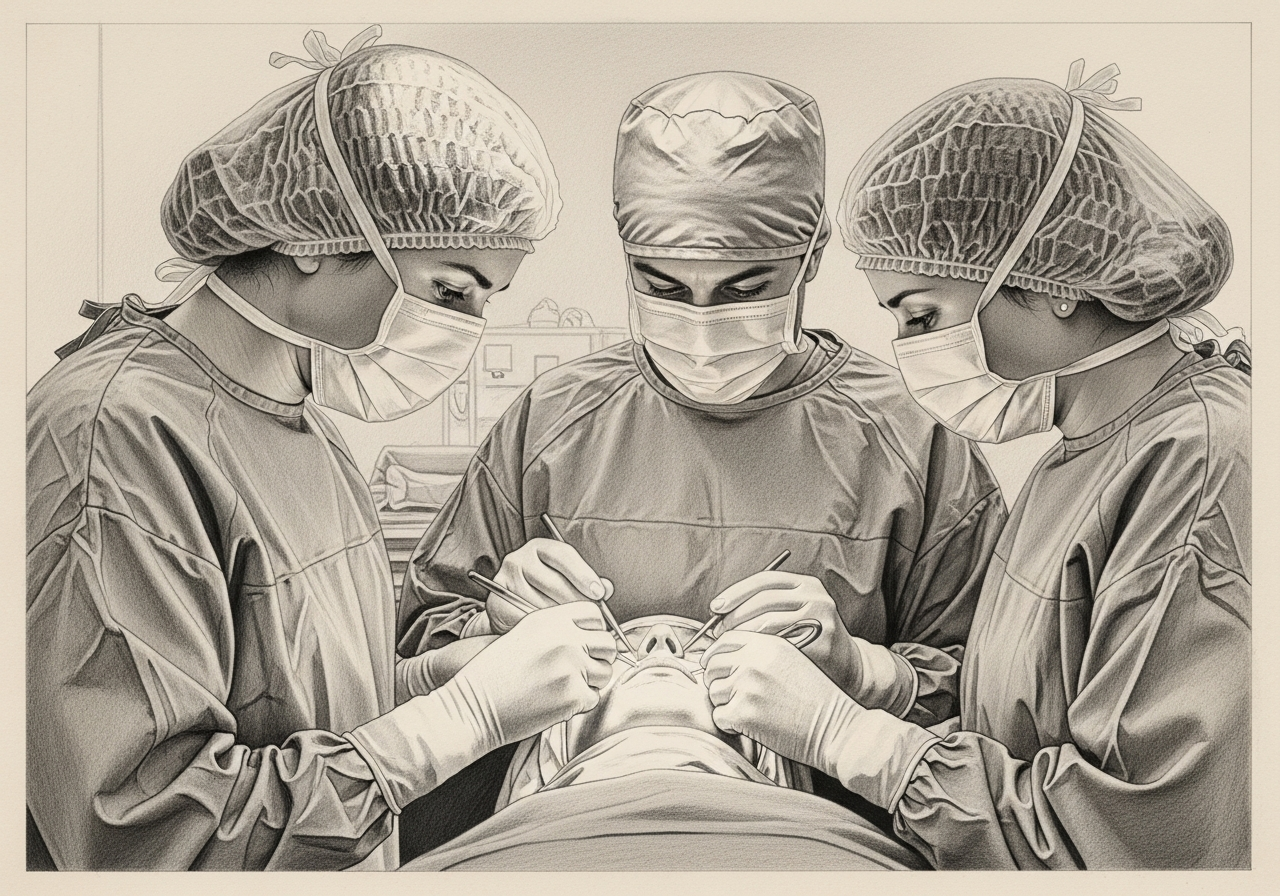
The surgeon aims to restore contour, support, and function while placing scars along natural lines. Some repairs are completed in a single procedure; others, such as certain nasal reconstructions, are planned in stages to achieve the best result.
Risks, limitations, and alternatives
Reconstructive procedures can involve swelling, bruising, bleeding, infection, scar changes, asymmetry, and the possibility of staged revision. Benefits cannot be guaranteed, and some defects require more than one procedure to reach the planned result.
Alternatives may include healing by secondary intention with wound care for selected small wounds, simpler closure, or referral when another approach is more appropriate. A consultation helps determine which option best fits the defect and your goals.
Recovery, follow-up, and long-term planning
Early recovery includes swelling, bruising, and tightness that improve over weeks, with wound care and suture removal guided at follow-up visits. Scars continue to mature and soften over many months.
Staged reconstructions require additional planned procedures, and minor refinement or scar revision is sometimes considered later. Because Mohs reconstruction follows skin cancer treatment, ongoing skin surveillance with your dermatologist remains important for monitoring and early detection of any new lesions.
What makes Norelle ENT different
Norelle ENT emphasizes careful planning, clear explanation, and attention to both function and appearance. Reconstruction is considered in context, including the pathology, the defect, the surrounding tissue, and your goals, rather than applying a single technique to every wound.
The aim is a coordinated experience with the Mohs surgeon and, when helpful, dermatology and other specialists, so the repair protects function and supports a natural result. Second opinions are welcome for complex defects.
Clinical references
Medical review
This page is a patient-education resource reviewed by the responsible Norelle ENT clinician before publication. It does not replace an in-person evaluation. If symptoms are severe or rapidly worsening, seek immediate medical care.
Specialists who perform mohs reconstruction
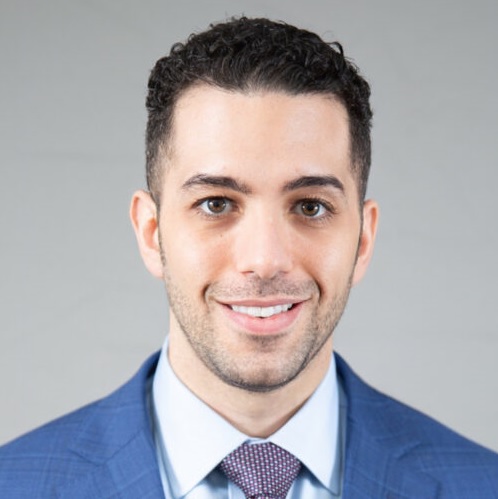
Dr. Moustafa Mourad
MD, FACS
Double Board-Certified Head & Neck and Facial Plastic & Reconstructive Surgeon
Dr. Moustafa Mourad is a double board-certified head and neck and facial plastic and reconstructive surgeon who cares for the full range of cosmetic and complex conditions affecting the face, head, and neck.
- Facial plastic and reconstructive surgery
- Head and neck cancer surgery
- Microvascular free-flap reconstruction
- Facial trauma and reconstruction
Also caring for this area

Not sure who to see? Our patient coordination team can help match you with the right specialist.
(212) 444-8006Norelle Academic Work
Research by Our Physicians
Selected scholarly work related to this topic.

Outcomes Associated With Nasal Reconstruction Post-Rhinectomy: A Narrative Review
Archives of Plastic Surgery
Evolution of Facial Plastic Surgery Global Surgery Outreach in the Context of International Conflict and the COVID-19 Pandemic
Facial Plastic Surgery & Aesthetic Medicine
Outcomes of Dog Bite Avulsion Injury Reconstruction With Urinary Bladder Matrix
Otolaryngology–Head and Neck Surgery
Cranioplasty
Facial Plastic Surgery
Management of Facial Scars
Facial Plastic Surgery
Citation details link to the original PubMed, DOI, journal, or publisher record.
Explore all Norelle research on this topicFrequently Asked Questions
Mohs reconstruction is surgery to restore the face after a skin cancer has been removed by Mohs surgery. It rebuilds the defect using techniques such as direct closure, local flaps, skin or cartilage grafts, or free tissue transfer, with attention to both appearance and function.
Reconstruction is performed after Mohs surgery confirms the cancer has been cleared. Depending on the defect and scheduling, repair may be done the same day or shortly afterward. Your care team will explain the timing for your situation.
Candidacy depends on the size, depth, and location of the defect, the surrounding tissue quality, functional risks such as eyelid or nasal support, your overall health, and your goals. Some small wounds heal well with simple closure or wound care, while larger or functional defects benefit from flap, graft, or staged reconstruction.
Bring your Mohs pathology and operative reports, a list of medications, and any relevant photographs. It also helps to note your questions and goals so the visit can focus on the reconstructive options that fit your defect.
The setting depends on the size and complexity of the defect and anesthesia needs. Smaller repairs can often be done in the office, while larger or staged reconstructions may be performed in an operating room. Your surgeon will recommend the safest setting.
Swelling, bruising, and tightness are common early and improve over weeks. Wound care and suture removal are guided at follow-up visits, and scars continue to soften over many months. Staged reconstructions involve additional planned procedures.
Risks can include swelling, bruising, bleeding, infection, scar changes, asymmetry, and the possibility of staged revision. Benefits cannot be guaranteed, and some defects require more than one procedure to reach the planned result.
Some scarring is unavoidable, but reconstruction is planned to place scars along natural facial lines and within cosmetic units when possible so they are less noticeable as they mature. Scar revision is sometimes considered later if needed.
Yes. Because Mohs reconstruction follows skin cancer treatment, ongoing skin surveillance with your dermatologist remains important for monitoring the area and detecting any new lesions early.
Related Conditions

Related Procedures

Request a consultation about mohs reconstruction
Schedule a consultation with our team to discuss whether this procedure is the right option for you.