About the Procedure
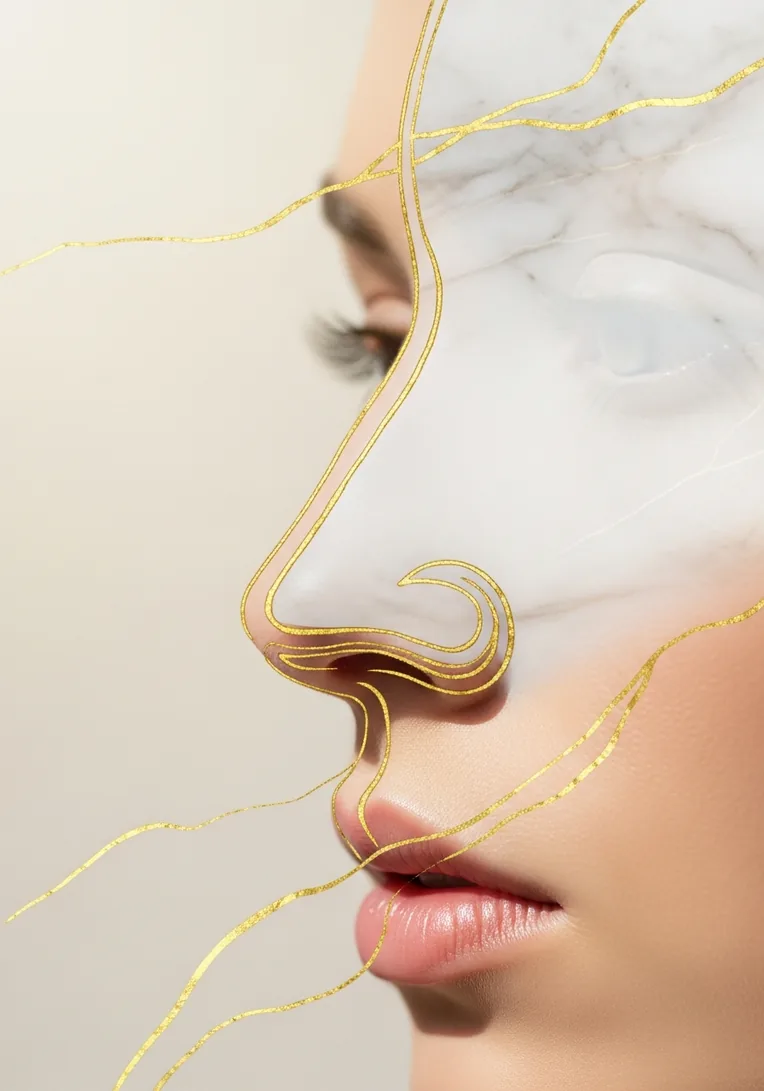
Rhinoplasty is surgery to reshape the nose. It can change the appearance of the bridge, tip, or overall proportions, improve nasal breathing, or address both at once when structure and function are related.
The nose is a framework of bone and cartilage covered by skin, and small changes can have a noticeable effect. A natural-looking, well-functioning result depends on respecting this framework and the support the nose needs to breathe.
At Norelle ENT, rhinoplasty planning includes a discussion of your goals, an examination of internal and external nasal anatomy, and an honest conversation about what surgery can achieve for your particular nose. When breathing is a concern, the functional aspects are evaluated alongside appearance.
Who may be a candidate
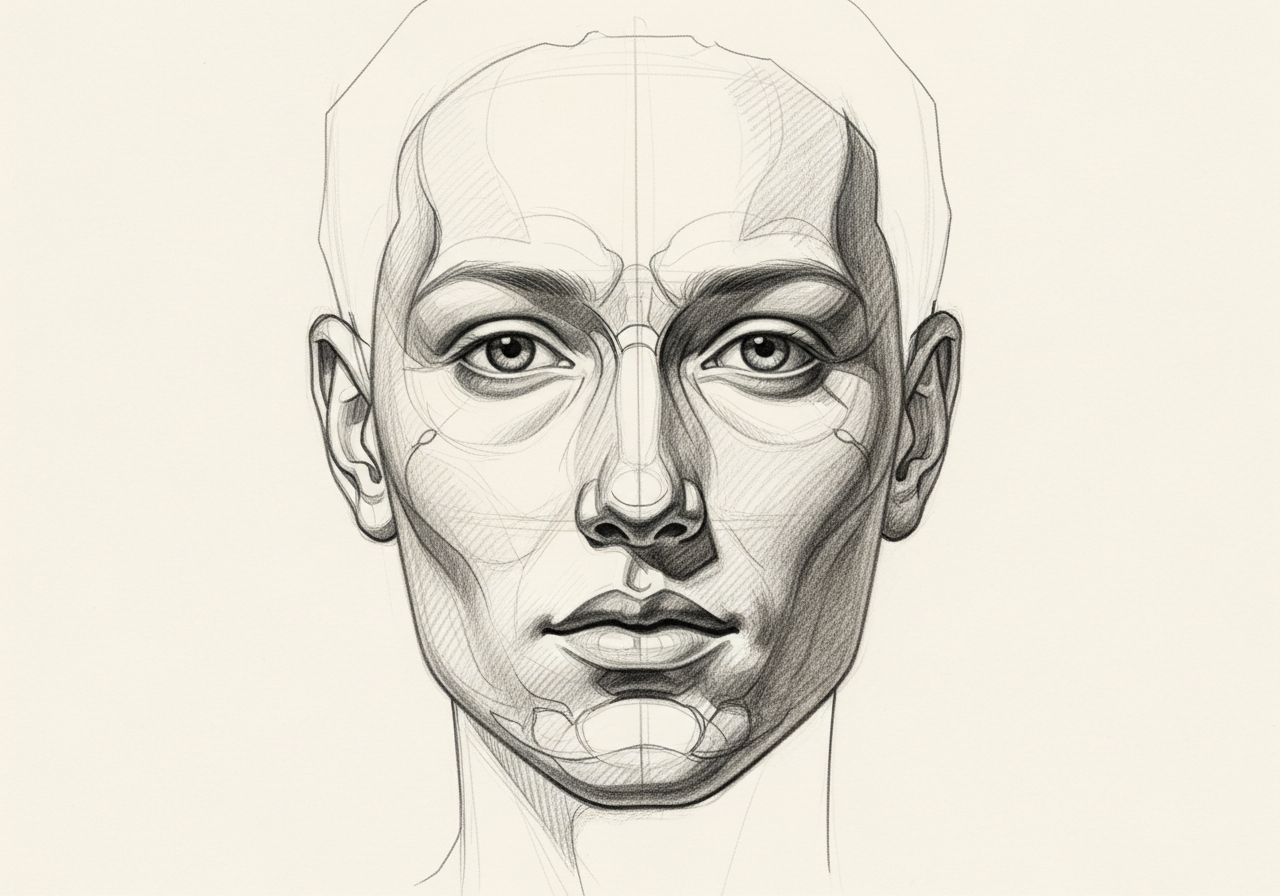
Rhinoplasty may be appropriate for people bothered by the shape of the nose, those with structural breathing problems, or both, who are in good health and have realistic goals. Candidacy depends on nasal anatomy, skin thickness, facial proportions, breathing assessment, and physical maturity.
Because the nose continues to grow through adolescence, surgery is generally delayed until growth is complete. The right plan is determined after an in-person evaluation of internal and external nasal anatomy.
Considering rhinoplasty? The next step is a quiet, unhurried conversation.
How it is performed
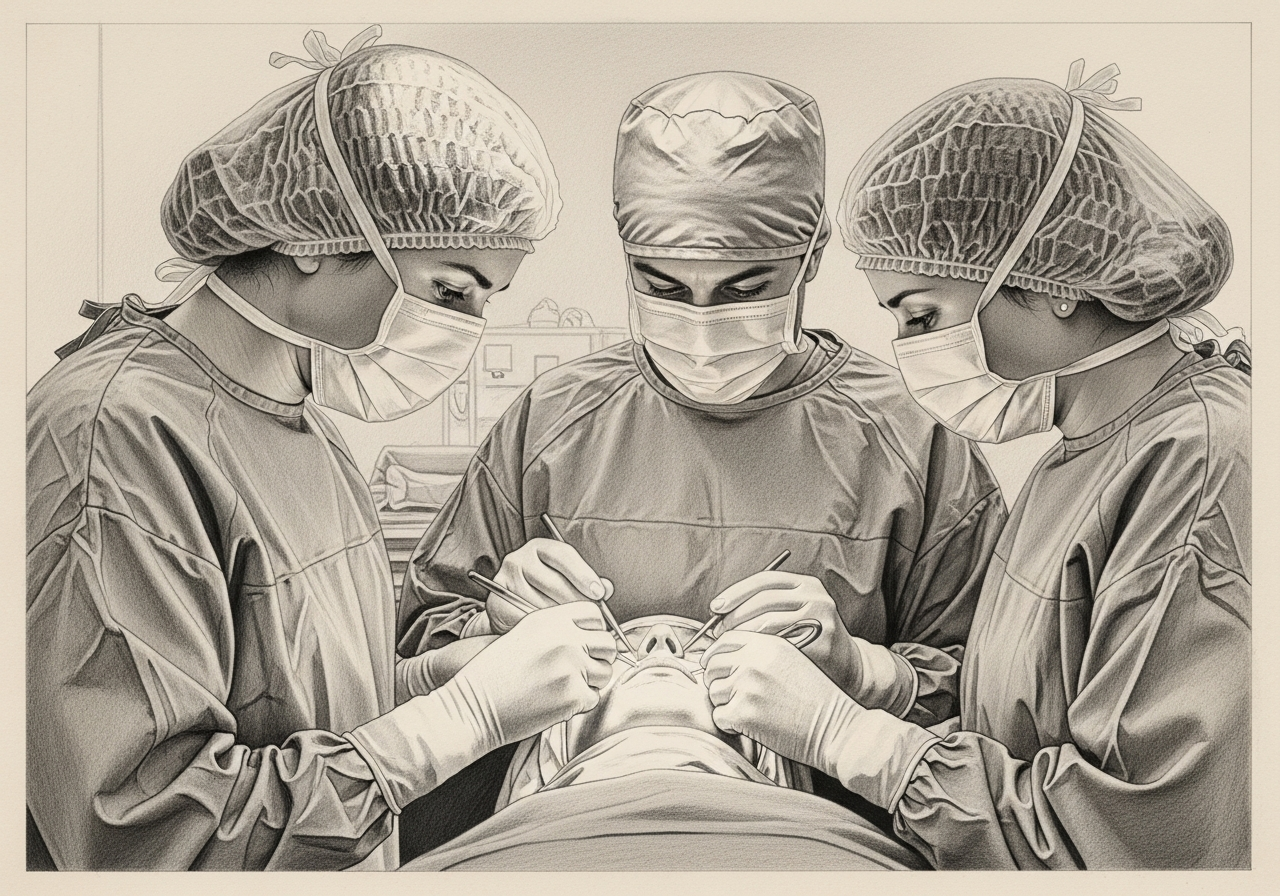
Rhinoplasty can use a closed (endonasal) approach, with incisions hidden inside the nose, or an open approach, which adds a small incision across the columella between the nostrils. The choice depends on what needs to be changed.
The surgeon reshapes bone and cartilage and, when needed, adds cartilage grafts for support or refinement. When breathing is a concern, internal work such as septal or nasal valve correction may be combined with the aesthetic reshaping.
Recovery and aftercare
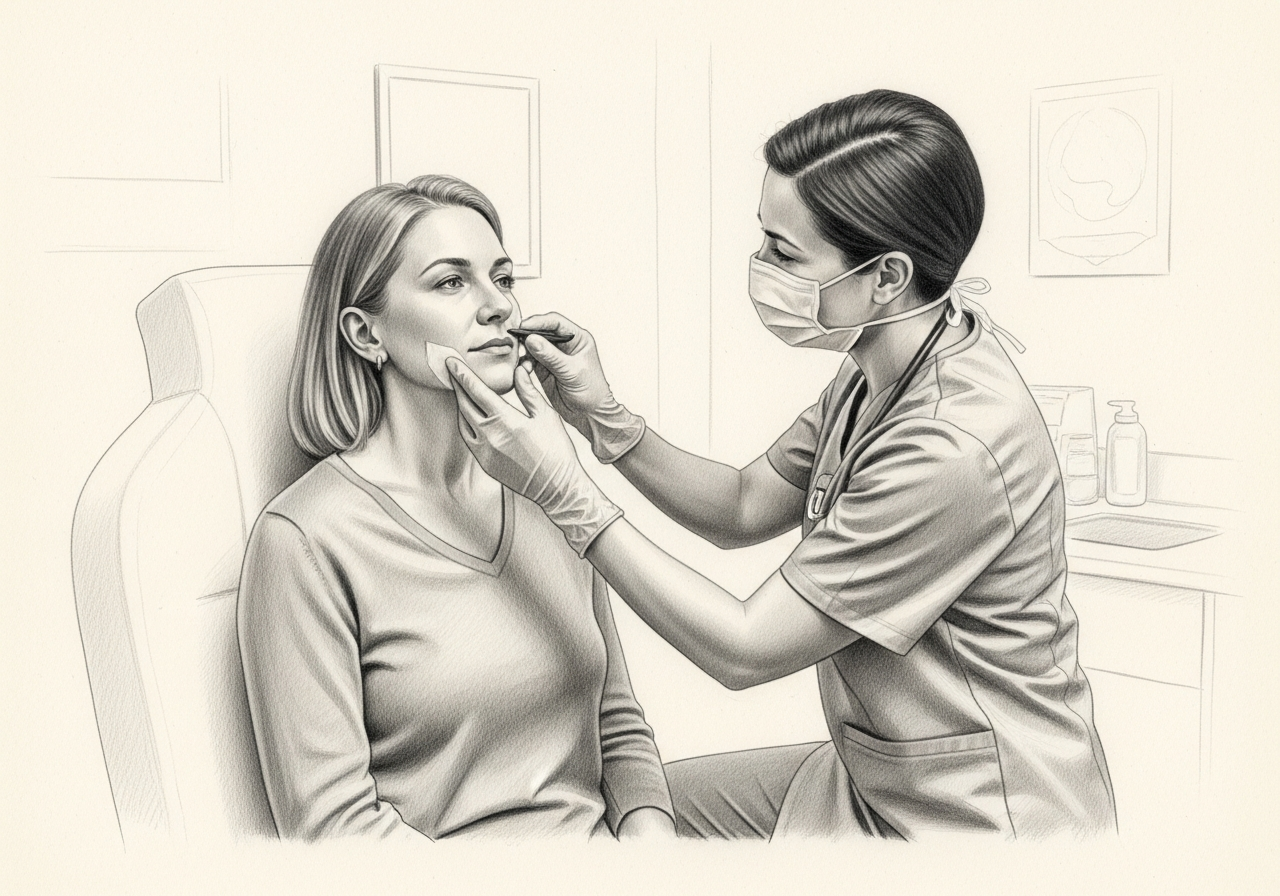
A splint is usually worn on the nose for about a week, with swelling, bruising around the eyes, and congestion that improve over the following weeks. Most people return to non-strenuous activity within one to two weeks.
Strenuous exercise is limited for a period to protect healing. Subtle swelling, especially at the tip, continues to settle gradually over many months to a year, so the final shape takes time to emerge.
Risks and alternatives
Possible risks include bleeding, infection, swelling, asymmetry, changes in breathing, contour irregularities, and the possibility that a revision is desired later. Healing varies between individuals and with skin thickness.
Alternatives depend on the goal. Minor irregularities may sometimes be addressed nonsurgically, and breathing concerns alone may be treated with focused functional procedures such as septoplasty or nasal valve repair. Options are reviewed during the consultation.
Results and follow-up
The goal of rhinoplasty is a balanced, natural-looking nose that fits the face and, when relevant, breathes well. Because results evolve as swelling resolves, patience through the first year is part of the process.
Follow-up visits monitor healing, breathing, and the gradual refinement of shape. A small number of patients choose a revision after the nose has fully healed if a specific concern remains.
Clinical references
Medical review
This page is a patient-education resource reviewed by the responsible Norelle ENT clinician before publication. It does not replace an in-person evaluation. If symptoms are severe or rapidly worsening, seek immediate medical care.
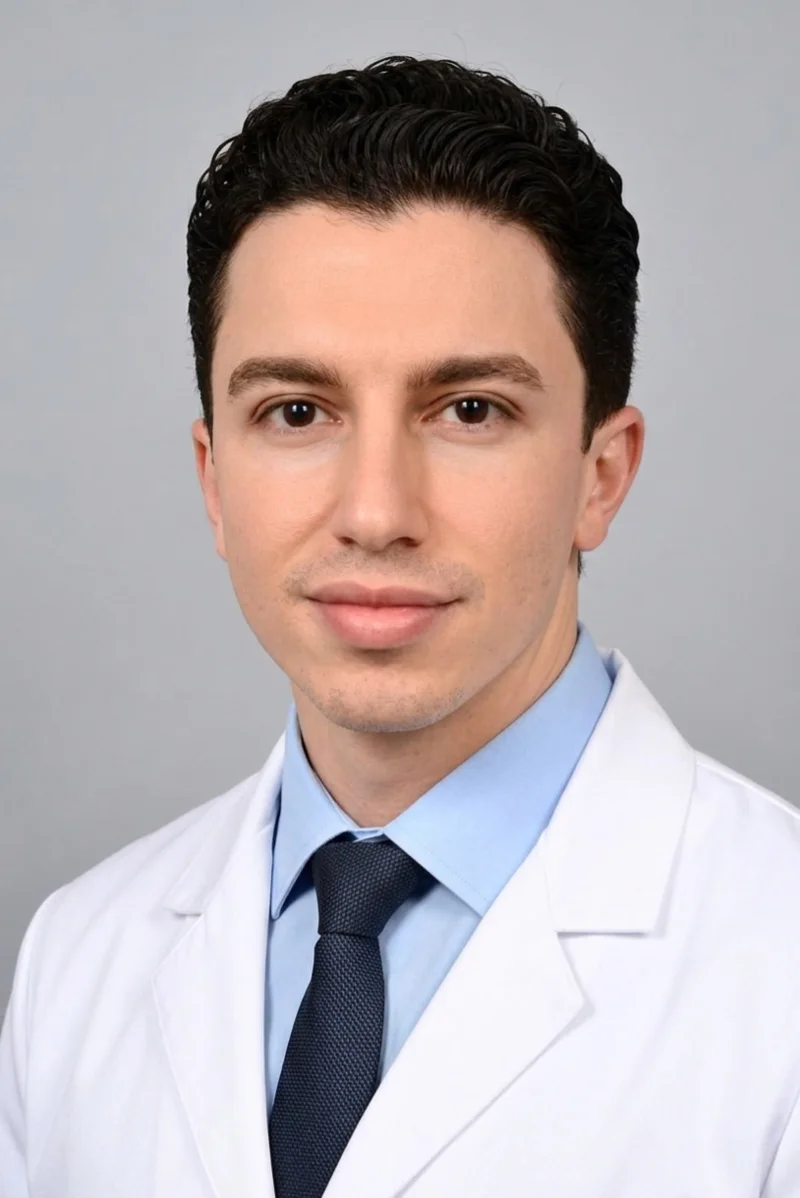
Specialists who perform rhinoplasty
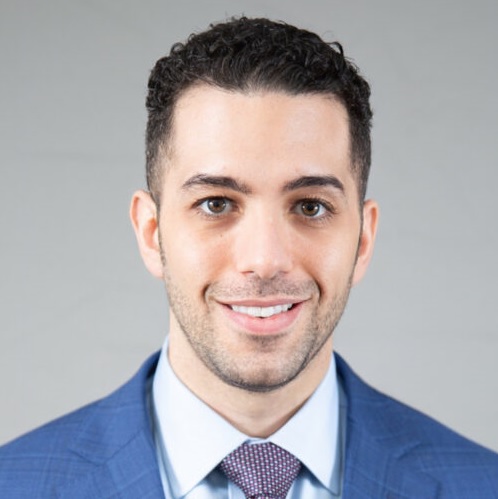
Dr. Moustafa Mourad
MD, FACS
Double Board-Certified Head & Neck and Facial Plastic & Reconstructive Surgeon
Dr. Moustafa Mourad is a double board-certified head and neck and facial plastic and reconstructive surgeon who cares for the full range of cosmetic and complex conditions affecting the face, head, and neck.
- Facial plastic and reconstructive surgery
- Head and neck cancer surgery
- Microvascular free-flap reconstruction
- Facial trauma and reconstruction
Also caring for this area



Not sure who to see? Our patient coordination team can help match you with the right specialist.
(212) 444-8006Norelle Academic Work
Research by Our Physicians
Selected scholarly work related to this topic.

Interventions to Decrease Postoperative Edema and Ecchymosis After Rhinoplasty: A Systematic Review of the Literature
Plastic and Reconstructive Surgery
Skin necrosis following rhinoplasty: A review and proposed strategy on identifying high risk patients
Facial Plastic Surgery

RealSelf Social Media Analysis of Rhinoplasty Patient Reviews
Journal of Plastic, Reconstructive & Aesthetic Surgery
Characterization of Medical Malpractice Litigation After Rhinoplasty in the United States
Aesthetic Surgery Journal
Complications Secondary to Nonsurgical Rhinoplasty: A Systematic Review and Meta-analysis
Otolaryngology–Head and Neck Surgery
Surgical Adjuncts to Rhinoplasty: An Algorithmic Approach
Aesthetic Plastic Surgery
Citation details link to the original PubMed, DOI, journal, or publisher record.
Explore all Norelle research on this topicFrequently Asked Questions
Yes. When the shape of the nose and the internal structure both contribute to symptoms, aesthetic reshaping can be combined with functional work such as septal or nasal valve correction.
A closed approach uses incisions only inside the nose. An open approach adds a small incision across the columella, the skin between the nostrils, which gives more exposure and usually heals to a discreet line.
Because the nose grows through the teenage years, surgery is generally delayed until facial growth is complete. Timing is discussed during the evaluation.
Expect a splint for about a week, with swelling, bruising around the eyes, and congestion that ease over several weeks. Most people return to light activity within one to two weeks.
Most swelling settles within weeks, but subtle swelling, especially at the tip, continues to resolve over many months, so the refined final shape can take up to a year.
Closed rhinoplasty leaves no external scars. Open rhinoplasty leaves a small scar across the columella that typically fades to a fine line.
The structural changes are lasting, though the nose continues to age over time like the rest of the face. A revision is occasionally considered if a specific concern remains after full healing.
Bring a clear description of what you would like to change, any history of nasal injury or breathing problems, and prior operative records if you have had previous nasal surgery.
Related Conditions

1 of 3 · Deviated Septum
Related Procedures

Request a consultation about rhinoplasty
Schedule a consultation with our team to discuss whether this procedure is the right option for you.