
About the Procedure
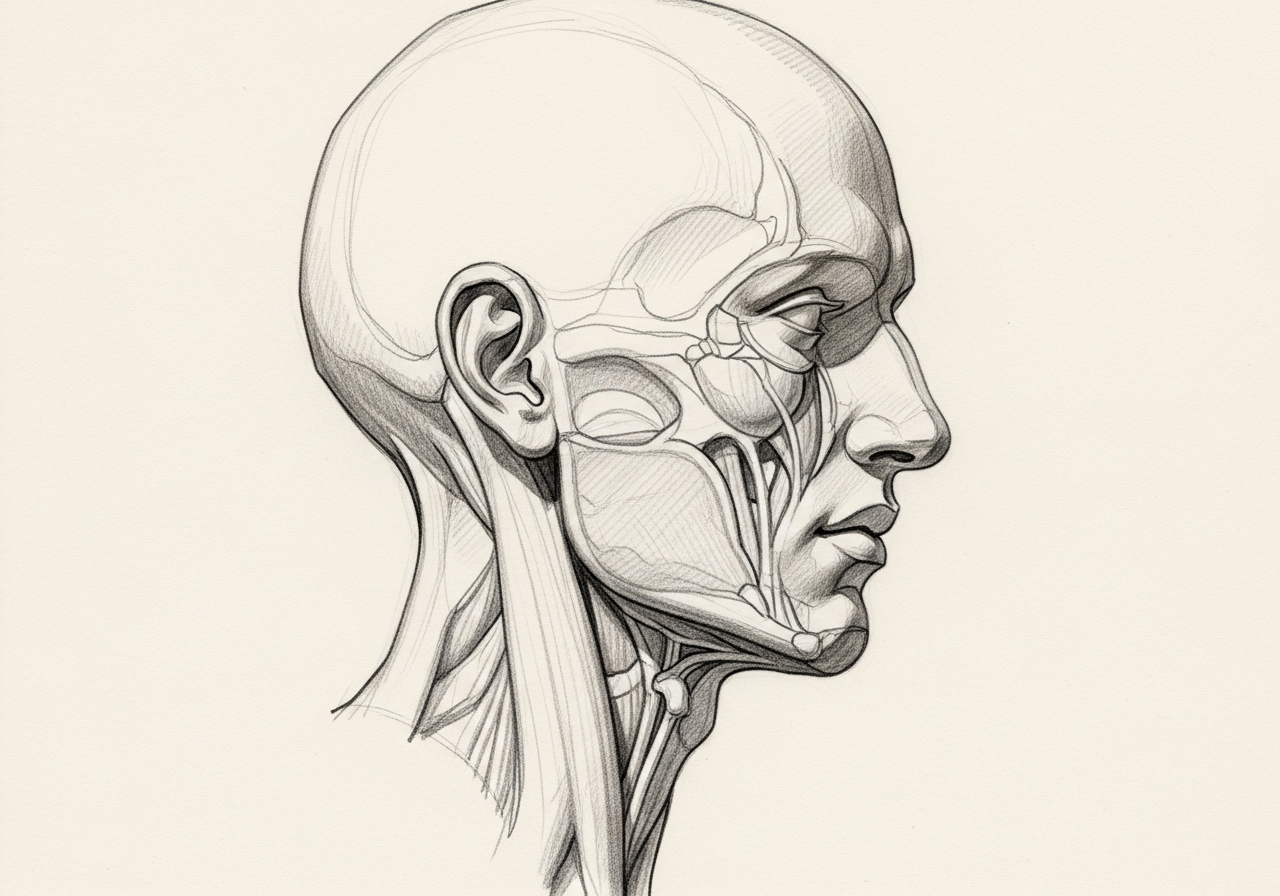
Salivary gland surgery treats problems of the glands that produce saliva, including the parotid glands in front of the ears, the submandibular glands under the jaw, the sublingual glands under the tongue, and the smaller minor glands throughout the mouth and throat. Common reasons for surgery include tumors, stones that block flow, chronic infection, and cysts.
The goal is to treat the underlying problem, obtain a diagnosis when a mass is present, and protect the nerves that run near these glands, including the facial nerve and the nerves to the tongue. The right operation depends on which gland is involved and the nature of the problem.
Norelle ENT approaches salivary gland surgery with careful evaluation, often including imaging and a needle biopsy, and with attention to nerve preservation, function, and appearance. Treatment is individualized based on the diagnosis, imaging, symptoms, and the patient's goals.
Who may be a candidate
Surgery may be considered for a range of salivary gland problems.
- A mass or tumor in a salivary gland
- Stones or narrowing that block saliva and cause recurrent swelling, pain, or infection
- Chronic gland inflammation that does not respond to conservative care
- Cysts or ranulas
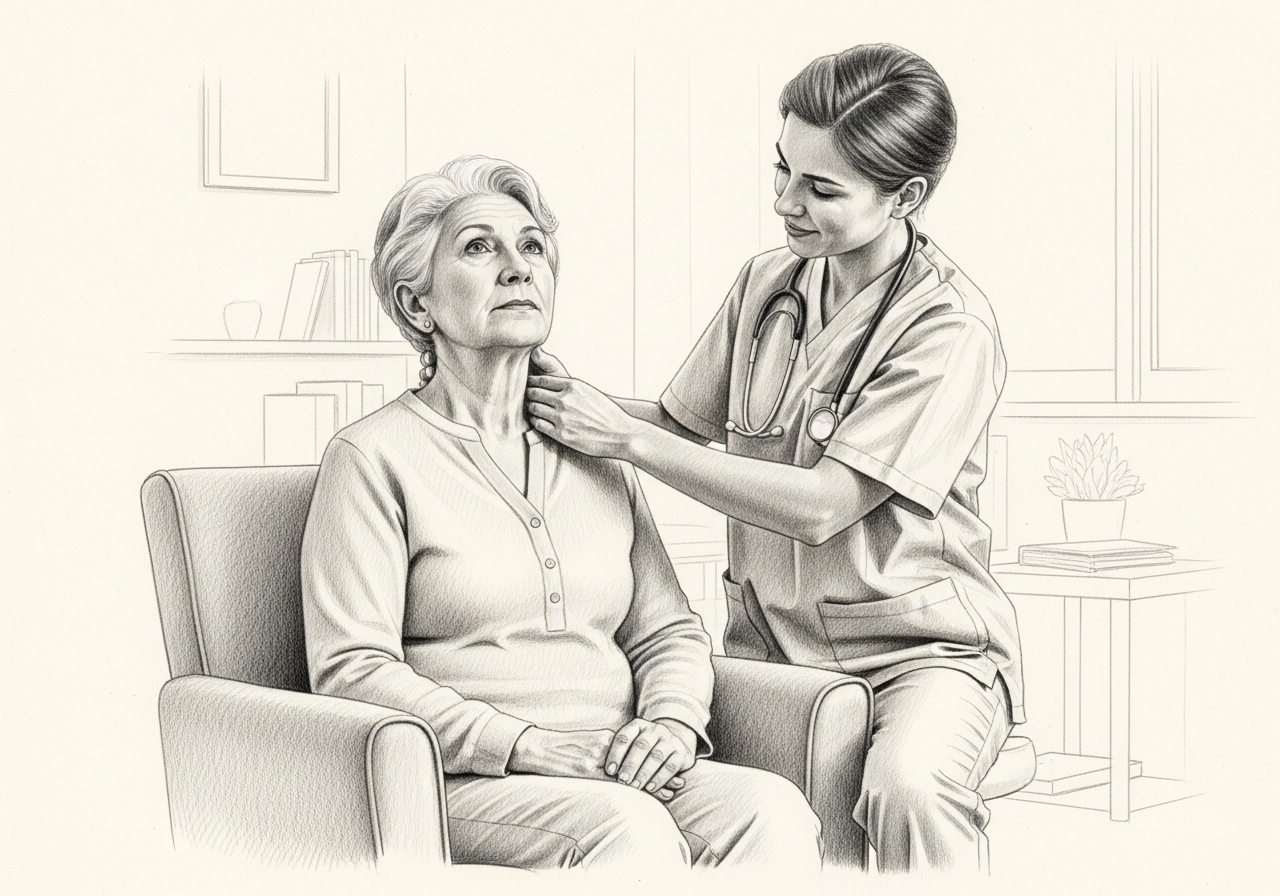
Imaging and, for masses, a fine-needle biopsy help determine the right approach.
Considering salivary gland surgery? The next step is a quiet, unhurried conversation.
How it is performed
The approach depends on the diagnosis. Some stones can be removed in the office or with sialendoscopy, a minimally invasive technique that uses a tiny scope to access the duct. Other problems require removing part or all of a gland.
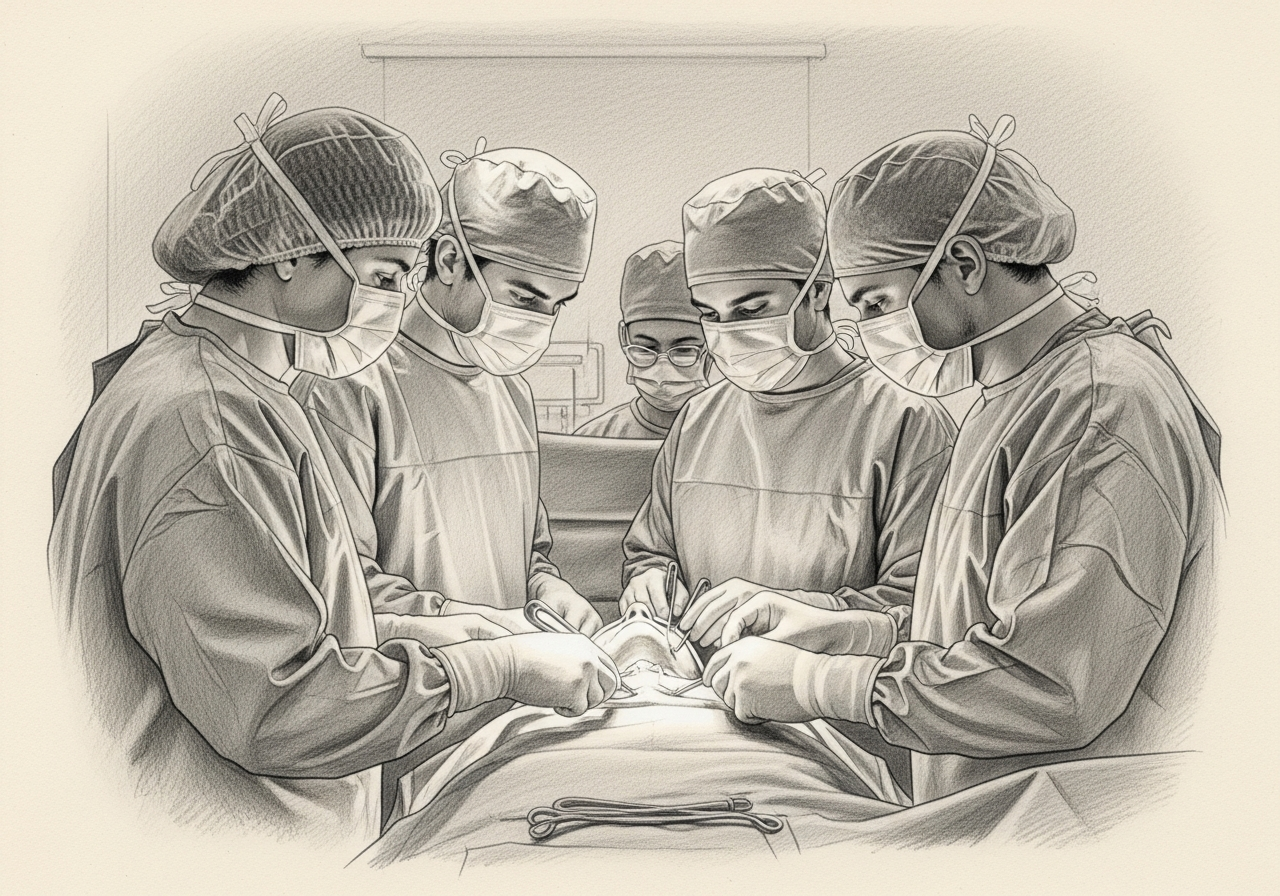
Parotid surgery is performed through an incision near the ear with facial nerve protection, while submandibular gland removal uses an incision under the jaw with attention to nearby nerves to the tongue and lip. Minor gland lesions are removed from the mouth or throat depending on location.
Recovery and aftercare
Recovery varies with the procedure. Office-based or endoscopic stone treatment may involve little downtime, while gland removal involves a short recovery with swelling, numbness, and mild discomfort.
A small drain is sometimes used after gland removal. Aftercare includes wound care, hydration, and, for stone disease, measures to promote saliva flow. Most patients resume light activity within one to two weeks, following specific instructions.
Risks and alternatives
Risks depend on the gland and procedure and may include temporary or lasting nerve effects, numbness, bleeding, infection, salivary leak or collection, scarring, and recurrence of stones in some cases. Parotid surgery carries facial nerve risk, and submandibular surgery carries risk to nerves affecting the lower lip and tongue.
Alternatives depend on the problem and may include conservative care for infection, hydration and massage for mild stone disease, sialendoscopy instead of open surgery for selected stones, or observation for some benign-appearing masses.
Results and follow-up
For tumors, surgery provides a definitive diagnosis and treatment, and pathology guides any further care. For stones and chronic infection, surgery aims to relieve obstruction and recurrent symptoms.
Follow-up includes wound and nerve checks, scar care, and surveillance when a tumor was cancerous. The team reviews any measures that can reduce the chance of recurrent stones.
Medical review
This page is a patient-education resource reviewed by the responsible Norelle ENT clinician before publication. It does not replace an in-person evaluation. If symptoms are severe or rapidly worsening, seek immediate medical care.
Specialists who perform salivary gland surgery
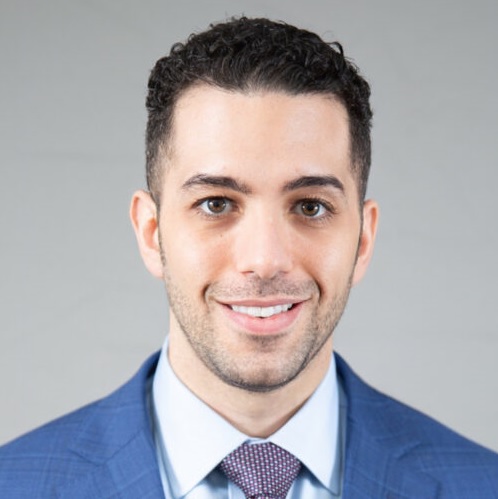
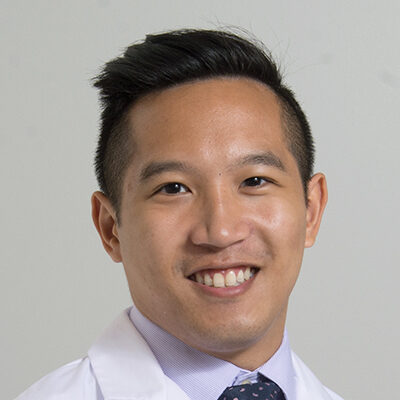
Dr. Moustafa Mourad
MD, FACS
Double Board-Certified Head & Neck and Facial Plastic & Reconstructive Surgeon
Dr. Moustafa Mourad is a double board-certified head and neck and facial plastic and reconstructive surgeon who cares for the full range of cosmetic and complex conditions affecting the face, head, and neck.
- Facial plastic and reconstructive surgery
- Head and neck cancer surgery
- Microvascular free-flap reconstruction
- Facial trauma and reconstruction
Also caring for this area

Not sure who to see? Our patient coordination team can help match you with the right specialist.
(212) 444-8006Norelle Academic Work
Research by Our Physicians
Selected scholarly work related to this topic.
Commentary on “Incisions for Parotidectomy: A Narrative Review”
Annals of Plastic Surgery
Cost-Effectiveness Analysis of Transfacial Gland-Preserving Removal of Parotid Sialoliths
The Laryngoscope
Pull-Through Sialodochoplasty for Stensen’s Megaduct
The Laryngoscope
Increased Local Recurrence in Advanced Parotid Malignancy Treated with Mastoidectomy without Lateral Temporal Bone Resection
Oral and Maxillofacial Surgery
Citation details link to the original PubMed, DOI, journal, or publisher record.
Explore all Norelle research on this topicFrequently Asked Questions
It treats tumors, stones that block saliva, chronic infection, strictures, and cysts of the major and minor salivary glands, while protecting nearby nerves.
No. The operation depends on which gland is involved and the problem, from minimally invasive stone removal to partial or complete removal of a gland.
Sialendoscopy is a minimally invasive technique that uses a tiny scope to enter the salivary duct, allowing removal of some stones or treatment of narrowing without removing the gland.
Nerves controlling the face, lip, and tongue run near these glands. Surgeons work to protect them, but temporary or, less commonly, lasting effects can occur depending on the procedure.
Small stones may pass with hydration and massage, some are removed in the office or with sialendoscopy, and others require gland surgery if they recur or cannot be reached.
For a salivary gland mass, imaging and often a fine-needle biopsy are done before surgery to help plan the operation and counseling.
Office or endoscopic treatment may have little downtime, while gland removal usually involves resuming light activity within one to two weeks.
Stones can recur in some patients. The team reviews measures such as staying well hydrated and stimulating saliva flow to help reduce the chance.
Clinical References
These independent resources from medical and professional organizations offer further reading. They are provided for general education and do not replace a consultation with a clinician.
Related Conditions

Related Procedures
Request a consultation about salivary gland surgery
Schedule a consultation with our team to discuss whether this procedure is the right option for you.