About the Procedure
Scar revision is a group of techniques used to make a scar less noticeable. Scars can result from surgery, trauma, burns, acne, or skin cancer removal, and may be raised, depressed, widened, discolored, or positioned in a way that pulls on nearby features.
No scar can be erased completely, but revision can improve how a scar looks and functions by repositioning it along natural lines, releasing tension, resurfacing the surface, or refining its width and color.
At Norelle ENT, scar revision is planned around the type, location, and maturity of the scar and your goals. Timing matters, because many scars continue to improve on their own for months, and treatment is often staged.
Who may be a candidate
Scar revision may be appropriate for scars that remain noticeable, that distort a nearby feature, or that limit movement after healing. Candidacy depends on the type, location, and maturity of the scar, skin type, and realistic goals.
Timing matters. Many scars continue to soften and fade on their own for several months to a year, so revision is often considered only after a scar has matured and conservative care has been tried.
Considering scar revision? The next step is a quiet, unhurried conversation.
How it is performed
The technique is matched to the scar. Options range from in-office treatments to surgical revision, and treatment is often staged:
- Steroid or other injections for raised or thickened scars
- Laser or resurfacing treatments for texture and color
- Surgical excision and careful re-closure to narrow or reposition a scar
- Geometric techniques, such as Z-plasty, to reorient a scar along natural skin lines or release tension
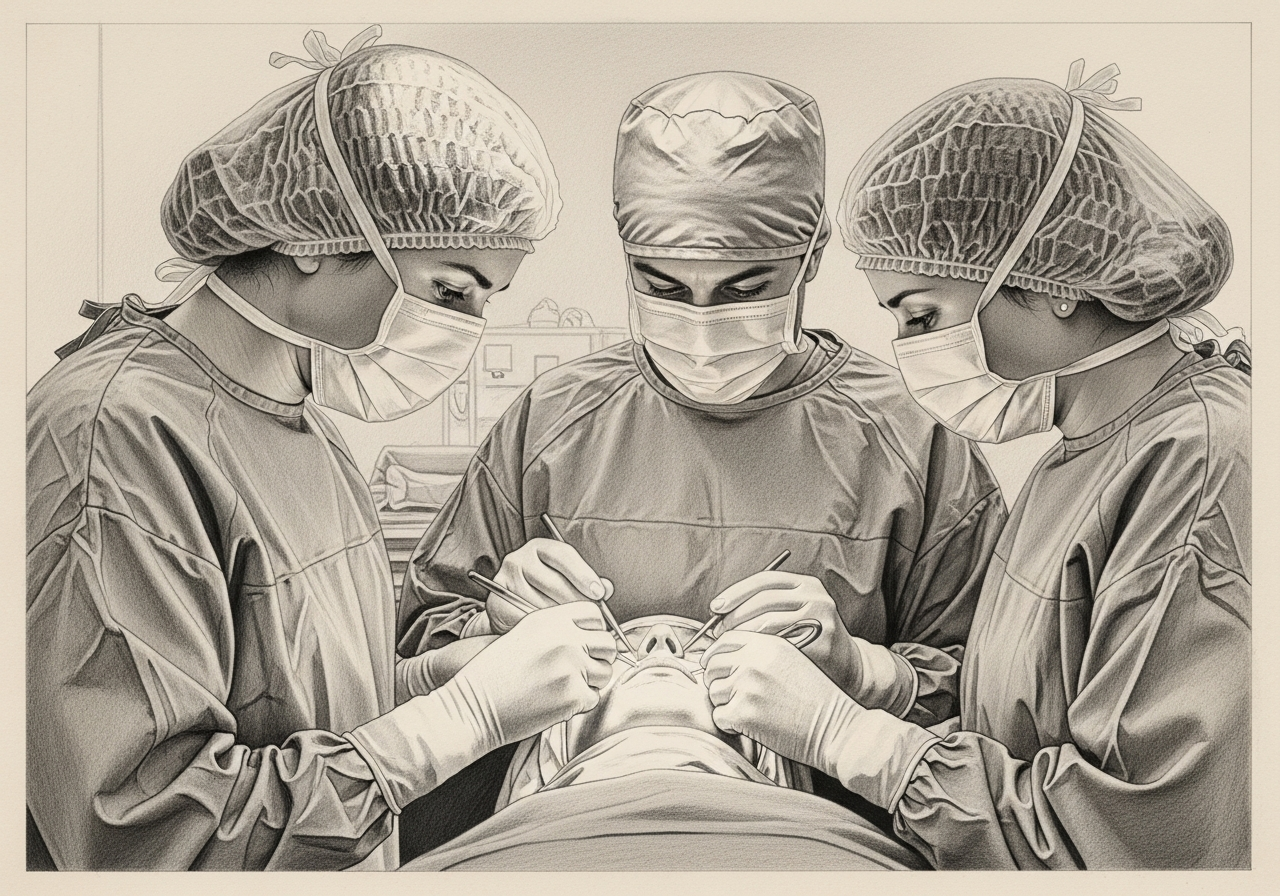
Many procedures can be done under local anesthesia, while larger revisions may require more involved surgery.
Recovery and aftercare
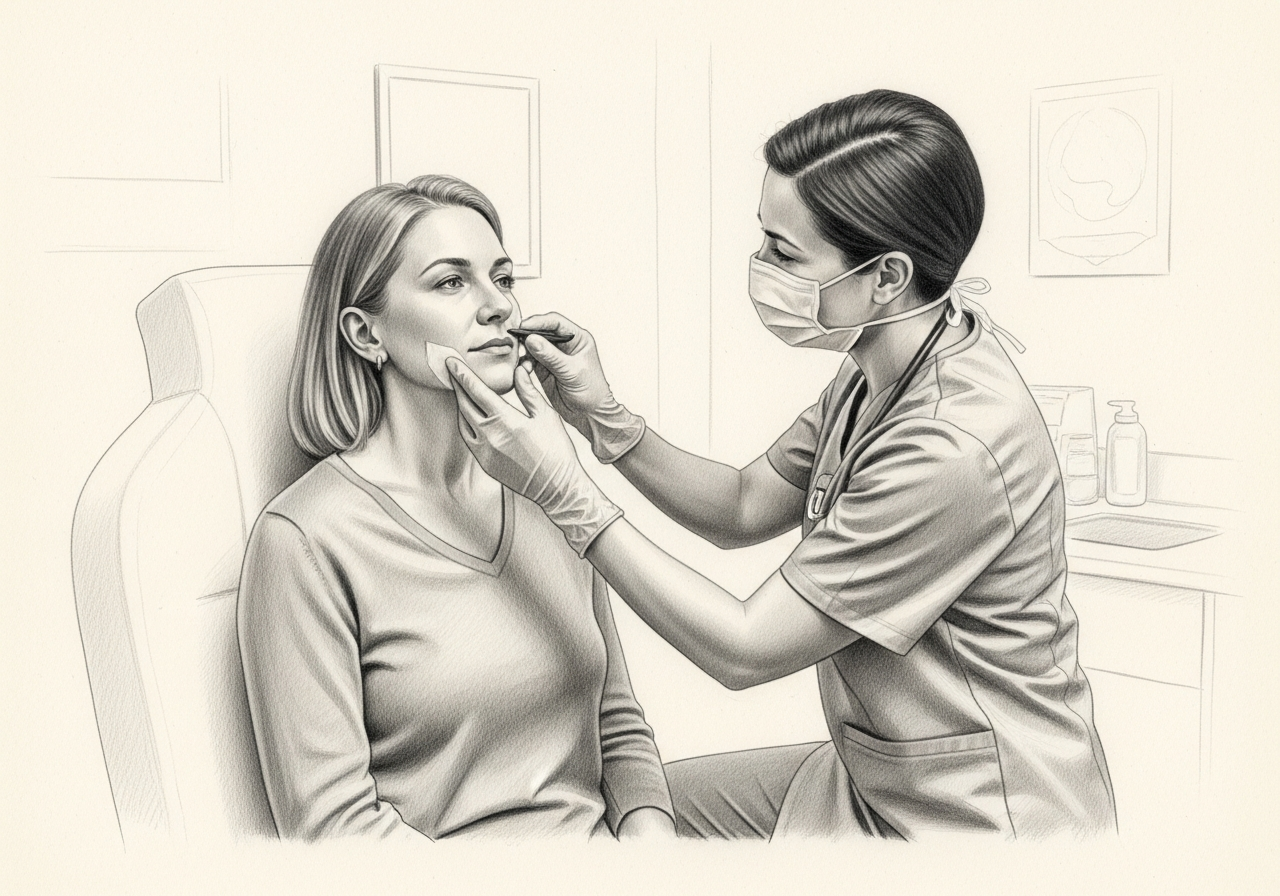
Recovery depends on the technique, ranging from minimal downtime after in-office treatments to a short healing period with sutures after surgical revision. Redness, swelling, and firmness are common early and fade over weeks to months.
Sun protection and scar care, such as massage, taping, or silicone products when recommended, support healing while the new scar matures. Final results take time, because a revised scar also goes through its own maturation.
Risks and alternatives
Possible risks include bleeding, infection, a recurrence of the original scar problem, changes in skin color, and the possibility that further treatment is needed. Healing varies with skin type and location.
Alternatives include continued nonsurgical scar care, observation while a scar matures, or camouflage techniques. The most appropriate option depends on the scar and the patient's goals, and revision is chosen when it offers a meaningful improvement.
Results and follow-up
The realistic goal of scar revision is improvement, not removal. A scar can often be made flatter, narrower, better matched in color, or repositioned so it is less obvious, but some mark will remain.
Follow-up visits monitor healing and the gradual maturation of the revised scar, and additional treatments are sometimes planned in stages to refine the result.
Clinical references
Medical review
This page is a patient-education resource reviewed by the responsible Norelle ENT clinician before publication. It does not replace an in-person evaluation. If symptoms are severe or rapidly worsening, seek immediate medical care.
Specialists who perform scar revision
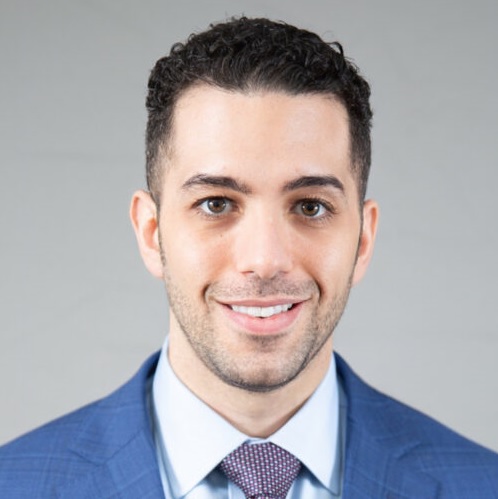
Dr. Moustafa Mourad
MD, FACS
Double Board-Certified Head & Neck and Facial Plastic & Reconstructive Surgeon
Dr. Moustafa Mourad is a double board-certified head and neck and facial plastic and reconstructive surgeon who cares for the full range of cosmetic and complex conditions affecting the face, head, and neck.
- Facial plastic and reconstructive surgery
- Head and neck cancer surgery
- Microvascular free-flap reconstruction
- Facial trauma and reconstruction
Also caring for this area
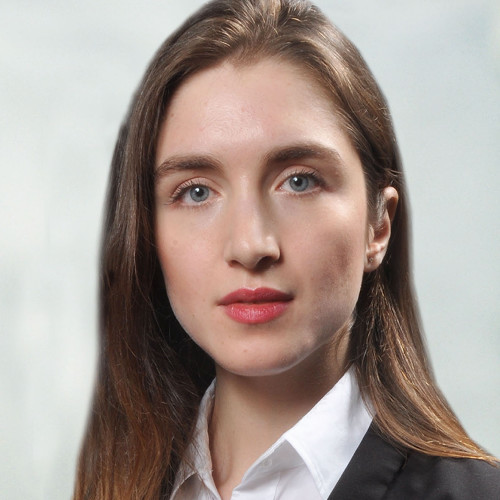
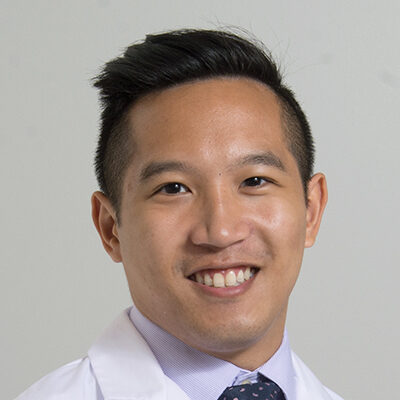
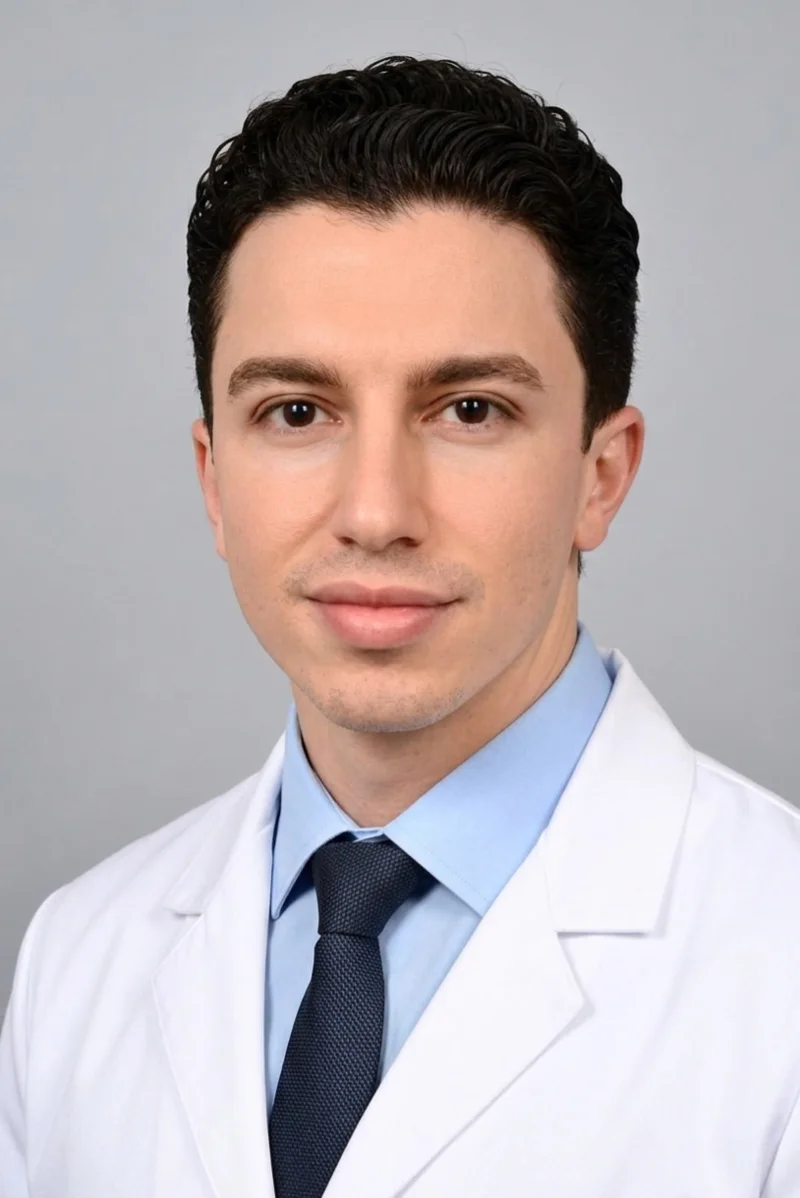

Not sure who to see? Our patient coordination team can help match you with the right specialist.
(212) 444-8006Frequently Asked Questions
No. Scar revision can make a scar less noticeable or relieve tension it causes, but it cannot erase a scar entirely. Some mark will always remain.
Many scars improve on their own for months as they mature, so revision is often delayed until the scar has stabilized, sometimes up to a year, after conservative care has been tried.
Depending on the scar, options include injections, laser or resurfacing, surgical excision and re-closure, and geometric techniques such as Z-plasty to reorient the scar along natural skin lines.
Many revisions are performed in the office under local anesthesia, while larger or more complex revisions may require a more involved surgical setting.
Recovery ranges from minimal downtime after in-office treatments to a short healing period with sutures after surgery. Redness and firmness fade over weeks to months.
Yes. Scars from skin cancer removal, including after Mohs surgery, can sometimes be improved with revision once the area has healed, often as part of overall reconstruction.
Possibly. Scar revision is often staged, with treatments spaced over time to refine color, texture, and contour as the scar matures.
Sun protection is important, and your clinician may recommend massage, taping, or silicone products. Following aftercare instructions supports the most favorable healing.
Related Conditions
Related Procedures
Request a consultation about scar revision
Schedule a consultation with our team to discuss whether this procedure is the right option for you.