About the Procedure
Septoplasty is an operation that straightens the nasal septum, the wall of cartilage and bone that divides the nose into two passages. When the septum is deviated, bent, or displaced, it can narrow one or both nasal passages and make breathing through the nose difficult.
The procedure removes or repositions the obstructing portions of the septum while preserving enough cartilage and bone to keep the nose supported. It is a functional operation focused on breathing and, on its own, does not change the external shape of the nose.
At Norelle ENT, septoplasty is recommended only after an examination confirms that a deviated septum is a meaningful cause of nasal obstruction and that the expected benefit outweighs the risks. For many patients, medical therapy for allergy or inflammation is tried first.
Who may be a candidate
Septoplasty may be considered when a deviated septum causes meaningful, persistent nasal obstruction. Common reasons to consider it include:
- Difficulty breathing through one or both sides of the nose
- Nasal blockage that does not improve with allergy or inflammation treatment
- Recurrent crusting or nosebleeds related to a sharp septal deviation
- A septal deviation that limits access for sinus surgery or other treatment
Not everyone with a deviated septum needs surgery. Mild deviation without symptoms is usually left alone.
Considering septoplasty? The next step is a quiet, unhurried conversation.
How it is performed
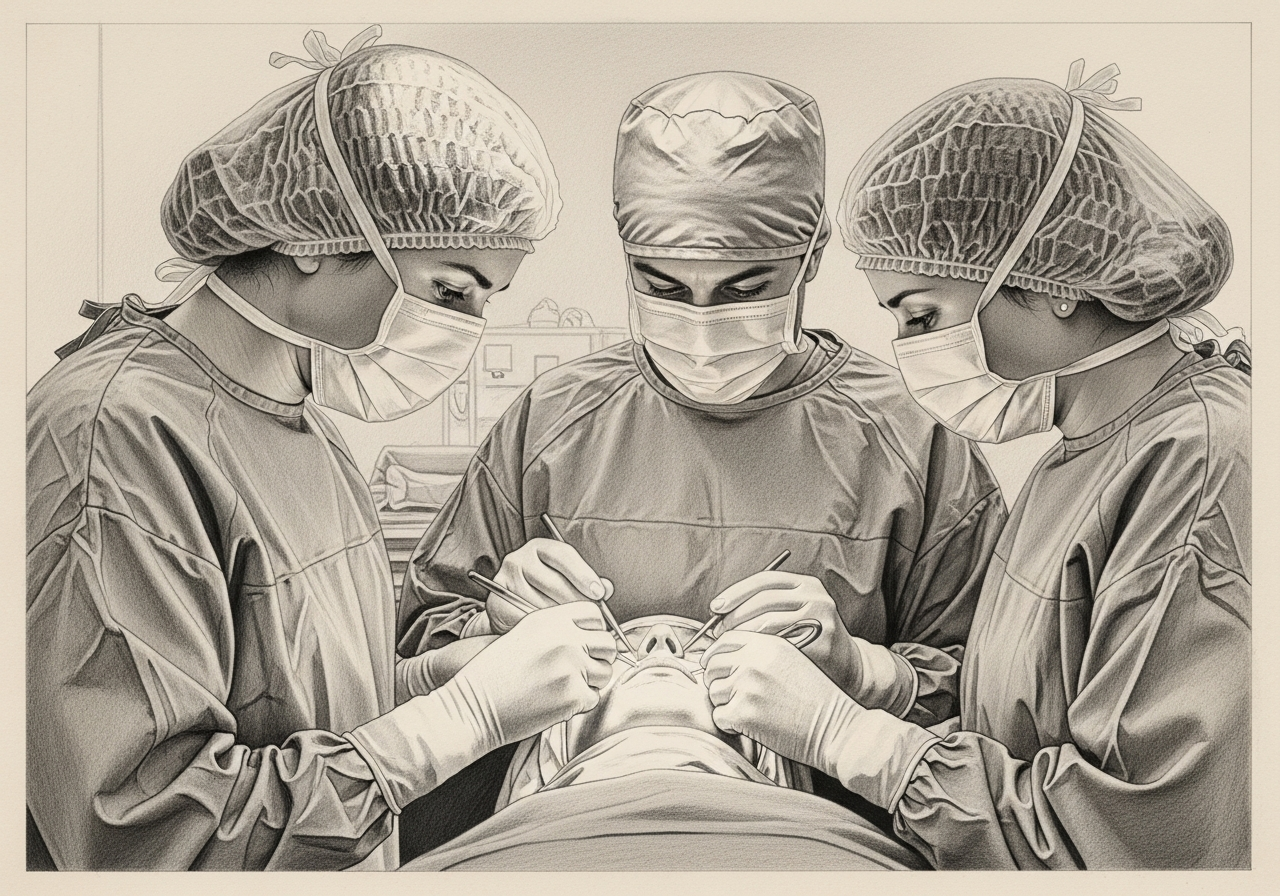
Septoplasty is typically performed under general or local anesthesia through incisions inside the nostril. The surgeon lifts the lining off the septum, then removes or repositions the deviated cartilage and bone while preserving enough support to maintain the shape of the nose.
The lining is returned to position and may be secured with dissolvable sutures or soft internal splints. Turbinate reduction is sometimes done at the same time when enlarged turbinates also contribute to obstruction.
Recovery and aftercare
Expect nasal congestion, mild discomfort, and some light bleeding in the first days. Saline rinses keep the nose moist and help clear crusting.
Many people return to non-strenuous activity within about a week, while heavy lifting, vigorous exercise, and forceful nose blowing are limited for a short period. Internal splints, if used, are removed at a follow-up visit, and breathing usually improves as swelling settles over several weeks.
Risks and alternatives
Possible risks include bleeding, infection, persistent or recurrent obstruction, a small hole in the septum (septal perforation), temporary numbness of the front teeth or nose tip, and, uncommonly, a change in nasal shape.
Alternatives depend on the cause of obstruction and may include nasal steroid sprays, allergy management, or treatment of enlarged turbinates. Surgery is considered when these measures are not enough and a deviated septum is the main problem.
Results and follow-up
When a deviated septum is the primary cause of obstruction, septoplasty often improves nasal breathing. Results depend on the individual anatomy and any other contributing factors such as allergy, turbinate enlargement, or nasal valve weakness.
Follow-up visits confirm healing and address any residual congestion. Some patients continue allergy or inflammation treatment afterward to keep the airway clear.
Clinical references
Medical review
This page is a patient-education resource reviewed by the responsible Norelle ENT clinician before publication. It does not replace an in-person evaluation. If symptoms are severe or rapidly worsening, seek immediate medical care.
Specialists who perform septoplasty
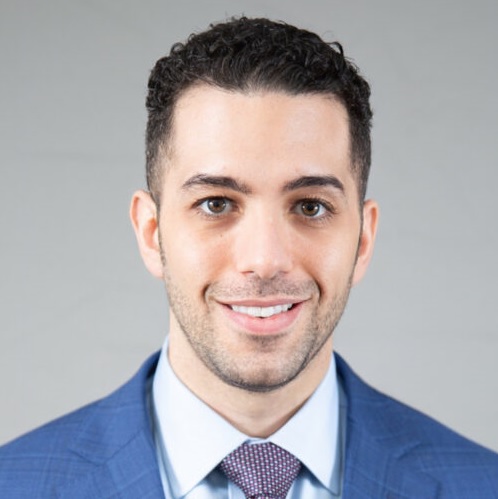
Dr. Moustafa Mourad
MD, FACS
Double Board-Certified Head & Neck and Facial Plastic & Reconstructive Surgeon
Dr. Moustafa Mourad is a double board-certified head and neck and facial plastic and reconstructive surgeon who cares for the full range of cosmetic and complex conditions affecting the face, head, and neck.
- Facial plastic and reconstructive surgery
- Head and neck cancer surgery
- Microvascular free-flap reconstruction
- Facial trauma and reconstruction
Also caring for this area


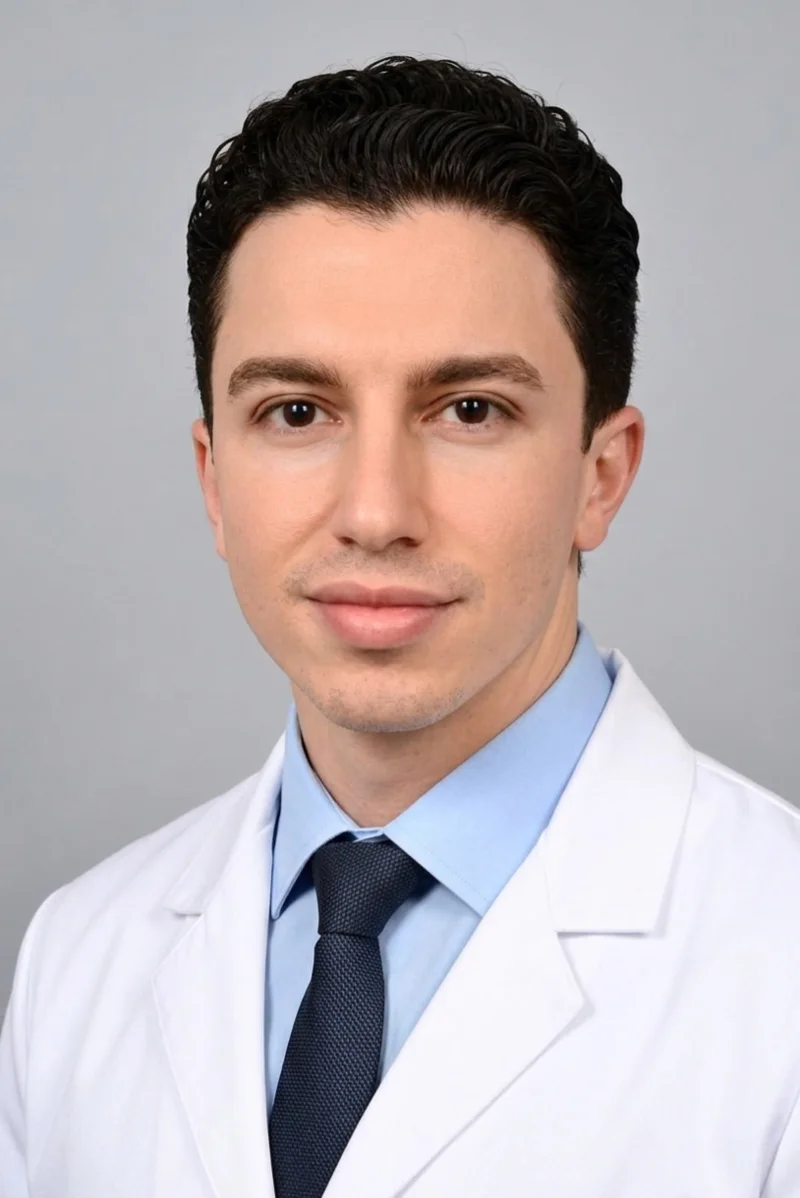

Not sure who to see? Our patient coordination team can help match you with the right specialist.
(212) 444-8006Frequently Asked Questions
Septoplasty treats nasal obstruction caused by a deviated or displaced septum. By straightening the septum, it widens the nasal passages and makes breathing through the nose easier.
Septoplasty is a functional procedure performed inside the nose and does not change the external shape on its own. If reshaping is also desired, it can be combined with rhinoplasty as a septorhinoplasty.
No. The incisions are made inside the nostril, so there are no external incisions or visible facial scars.
Heavy packing is often avoided. Some surgeons use soft dissolvable material or thin internal splints instead, which are removed at a follow-up visit.
Yes. When enlarged turbinates also contribute to obstruction, turbinate reduction is commonly performed at the same time to improve airflow.
Early congestion, mild discomfort, and light bleeding are common. Many people return to light activity within about a week, with strenuous activity and nose blowing limited for a short period while breathing gradually improves.
Most of the correction is durable, though healing and cartilage memory can occasionally lead to residual or recurrent deviation. Follow-up helps identify whether further treatment is needed.
No. Septoplasty corrects the internal septum to improve breathing, while rhinoplasty reshapes the external nose. The two can be combined when both function and appearance are addressed.
Related Conditions

1 of 3 · Deviated Septum

Request a consultation about septoplasty
Schedule a consultation with our team to discuss whether this procedure is the right option for you.