

About This Test
A sleep study, or polysomnography, is the comprehensive test for diagnosing sleep disorders. Performed overnight in a sleep laboratory, it records brain waves, breathing, oxygen levels, heart rhythm, eye and leg movements, and body position to build a detailed picture of your sleep.
Because it measures far more than breathing alone, an in-lab study can diagnose obstructive and central sleep apnea, grade severity, and detect other conditions such as periodic limb movements or unusual nighttime behaviors. It is the preferred test for complex cases or when a home test is inconclusive.
At Norelle Health, a sleep study is recommended when a detailed assessment is needed to confirm a diagnosis, measure severity, or guide treatment. Results are interpreted by a sleep physician and reviewed alongside your symptoms and airway examination.
Who may be a candidate
An in-lab study is preferred when the clinical picture is complex: significant heart, lung, or neuromuscular disease, suspected central sleep apnea, or symptoms suggesting another sleep disorder.
It is also used when a home sleep apnea test is negative despite strong symptoms, or when precise measurement and CPAP titration are needed.
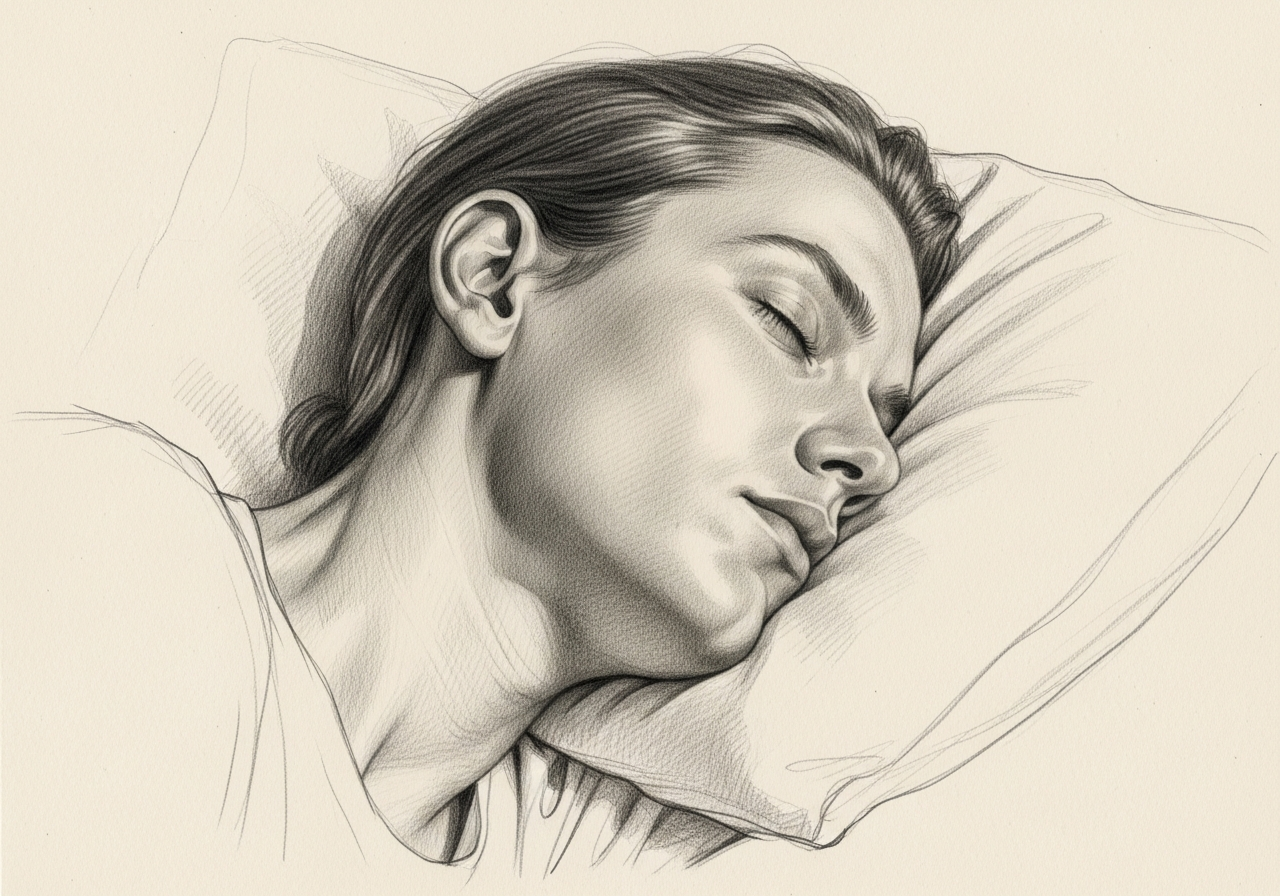
Considering sleep study? The next step is a quiet, unhurried conversation.
How it is performed
You arrive at the sleep lab in the evening, and small sensors are applied to your scalp, face, chest, and legs, along with a nasal airflow sensor and a finger oximeter. The sensors are painless and allow normal movement.
A technologist monitors the recording overnight. In a titration study, CPAP is started and the pressure is adjusted while you sleep to find the setting that controls the apnea.
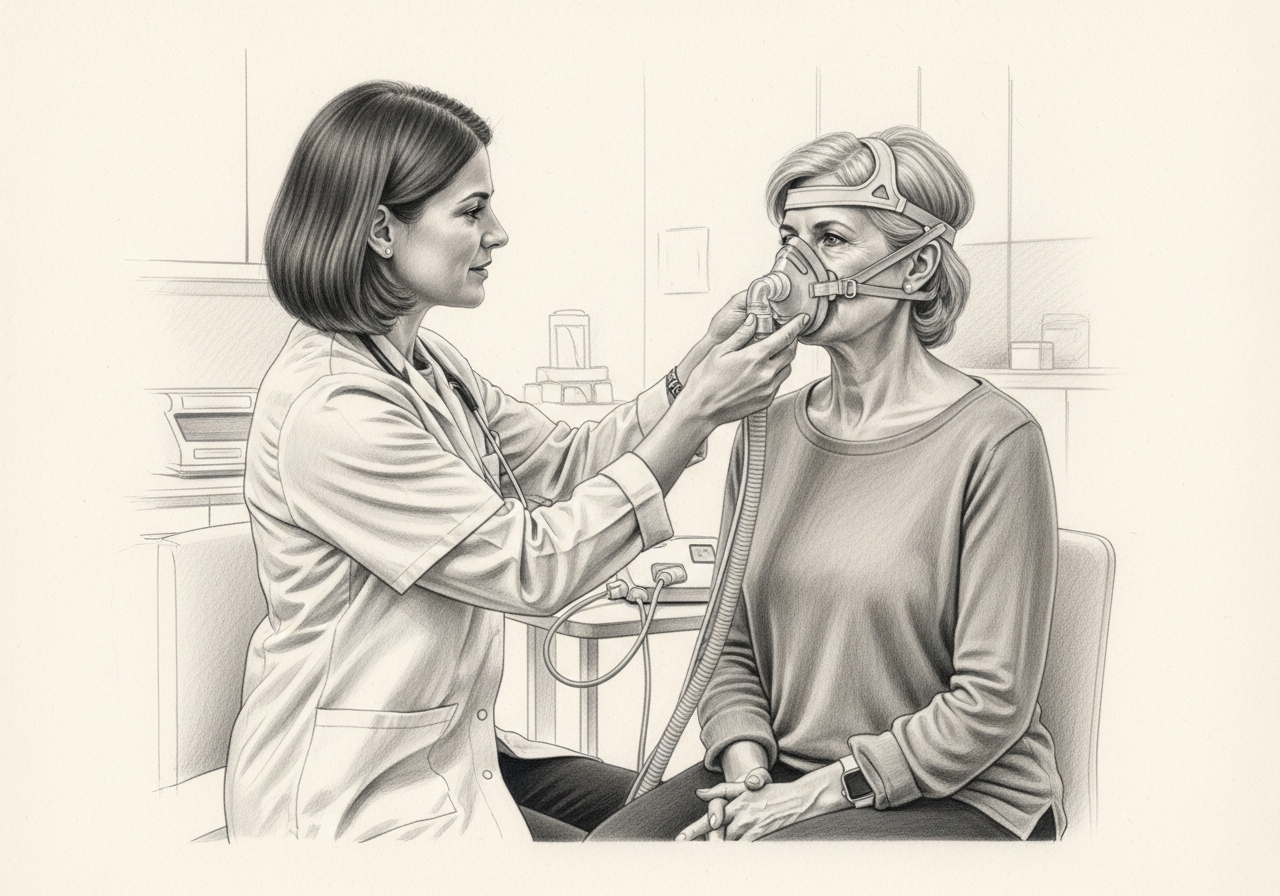
What it measures
The study records:
- Brain waves to identify sleep stages
- Airflow and breathing effort
- Blood oxygen levels
- Heart rhythm
- Eye and leg movements
- Body position and snoring
Together these reveal how often breathing is disrupted, how oxygen behaves, and whether other sleep disorders are present.
Risks and alternatives
There are essentially no medical risks. The main drawbacks are the inconvenience of sleeping away from home and the possibility of a less typical night of sleep.
The main alternative is a home sleep apnea test, which is more convenient but measures fewer signals and is best suited to uncomplicated suspected obstructive sleep apnea.
Results and follow-up
A sleep physician scores and interprets the study, and the results are reviewed with you to confirm the diagnosis, grade severity, and plan treatment such as CPAP, an oral appliance, or airway evaluation.
If a titration study was performed, the recommended CPAP pressure is provided. Repeat testing may be advised after major weight change, new symptoms, or to confirm treatment effectiveness.
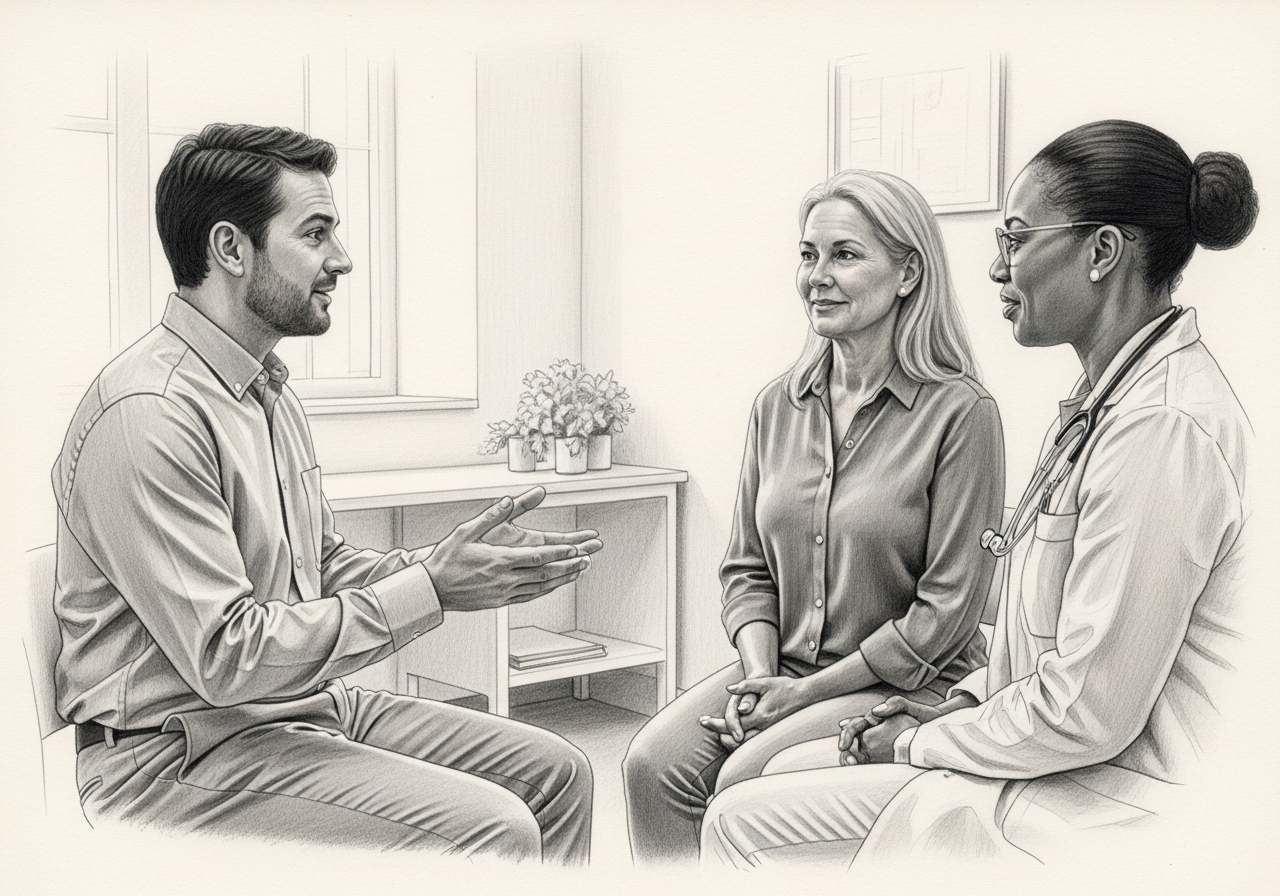
Clinical references
- American Academy of Sleep Medicine (https://sleepeducation.org)
Medical review
This page is a patient-education resource reviewed by the responsible Norelle Health clinician before publication. It does not replace an in-person evaluation. If symptoms are severe or rapidly worsening, seek immediate medical care.
Specialists who oversee sleep study
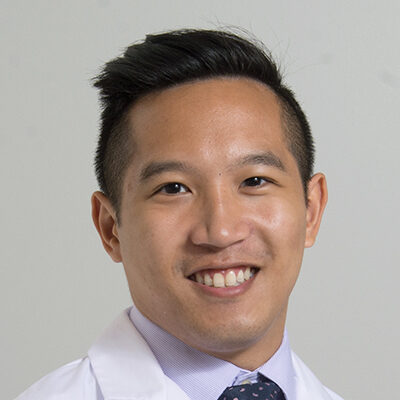
Dr. Adrian Ong
MD
Board-Certified Facial Plastic & Reconstructive and Head & Neck Surgeon
Dr. Adrian Ong is a board-certified surgeon who practices exclusively on the face, head, and neck, with expertise spanning rhinoplasty, sinus surgery, facial trauma, reconstruction, and sleep surgery.
- Functional and aesthetic rhinoplasty (including revision)
- Sinus surgery and complex revision sinus surgery
- Facial trauma and nasal fractures
- Head and neck cancer surgery and microvascular reconstruction
Also caring for this area

Not sure who to see? Our patient coordination team can help match you with the right specialist.
(212) 444-8006Frequently Asked Questions
It diagnoses obstructive and central sleep apnea, grades severity, and can detect other sleep disorders such as periodic limb movements, by recording breathing, oxygen, brain waves, heart rhythm, and movement.
A home test measures fewer signals and screens mainly for obstructive sleep apnea, while an in-lab study records brain waves and sleep stages and is preferred for complex or inconclusive cases.
The sensors are painless and allow normal movement. Many people sleep less soundly than at home, but the study usually still records enough data to be useful.
If apnea is confirmed during the first part of the night, the technologist may begin CPAP and adjust the pressure during the remainder of the study to find an effective setting.
You typically follow your usual routine, avoid caffeine and naps that day, and bring comfortable sleepwear. Specific instructions about medications are provided in advance.
A sleep physician scores and interprets the study, and the results are discussed with you at a follow-up visit to plan any needed treatment.
Many plans cover sleep studies when clinically indicated, though coverage and prior-authorization rules vary. Your care team can help clarify your options.
Related Conditions
Related Procedures

1 of 4 · Home Sleep Apnea Test
Request a consultation about sleep study
Schedule a consultation with our team to discuss whether this test is appropriate for you.