

About the Procedure
Uvulopalatopharyngoplasty (UPPP) is a surgical procedure that removes or repositions excess soft tissue at the back of the throat, including parts of the soft palate, the uvula, and sometimes the tonsils. By widening the space at the palate level, it reduces airway collapse and vibration that cause snoring and obstructive sleep apnea.
UPPP targets collapse at the palate, which is one common pattern in obstructive sleep apnea. It is most helpful in carefully selected patients and is often combined with other procedures when the airway collapses at more than one level. It is not a universal cure for sleep apnea.
At Norelle Health, UPPP is considered after airway evaluation, often including sleep endoscopy, identifies palate-level collapse and confirms the patient is a reasonable surgical candidate. We discuss realistic expectations, recovery, and how the procedure fits within an overall treatment plan.
Who may be a candidate
UPPP is considered for selected patients with obstructive sleep apnea or disruptive snoring from palate-level collapse, particularly when CPAP is not tolerated.
Candidacy depends on the pattern of airway collapse, tonsil size, and overall anatomy. Sleep endoscopy and examination help confirm that palate surgery is likely to help and whether additional procedures are needed.
Considering UPPP? The next step is a quiet, unhurried conversation.
How it is performed
Under general anesthesia, the surgeon removes or repositions excess soft palate tissue and the uvula, and removes the tonsils if still present, then reshapes and sutures the area to widen the airway. There are no external incisions.
Modern techniques often emphasize repositioning and preserving tissue rather than aggressive removal, to maintain function while opening the airway. It may be combined with nasal, tongue-base, or other procedures.
Recovery and aftercare
Recovery centers on throat healing and pain control.
- Expect significant throat pain for one to two weeks
- Prioritize hydration and follow the pain-control plan
- Use a soft diet and advance as tolerated
- A temporary sensation of food or liquid reaching the nose can occur
- Avoid strenuous activity until cleared and report significant bleeding promptly

Risks and alternatives
Risks include throat pain, bleeding, infection, temporary swallowing changes, and a small chance of persistent changes such as nasal reflux of liquids, voice change, or a sensation of throat tightness. Some patients have incomplete improvement and need further treatment.
Alternatives include CPAP, oral appliances, upper-airway stimulation (Inspire), and other airway procedures targeting the nose, tongue base, or jaws, depending on where the airway collapses.
Results and follow-up
In appropriately selected patients with palate-level collapse, UPPP can reduce apnea severity and snoring, often as part of a multilevel plan. Results vary with anatomy and whether other sites of collapse remain.
Follow-up confirms healing, and a sleep study after recovery is commonly recommended to measure the effect on the apnea and guide any further treatment.
Clinical references
- American Academy of Otolaryngology–Head and Neck Surgery (https://www.entnet.org)
Medical review
This page is a patient-education resource reviewed by the responsible Norelle Health clinician before publication. It does not replace an in-person evaluation. If symptoms are severe or rapidly worsening, seek immediate medical care.
Specialists who perform UPPP

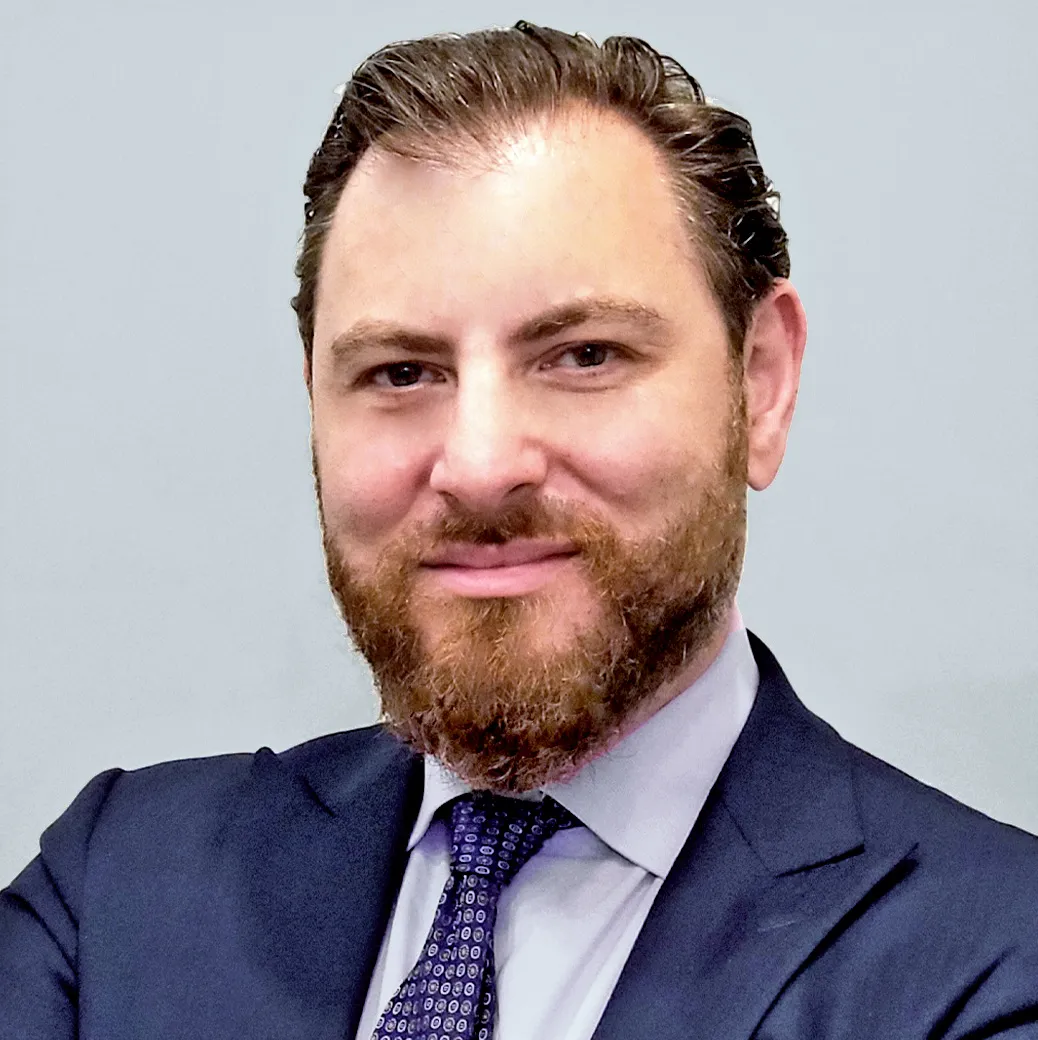
Dr. Adrian Ong
MD
Board-Certified Facial Plastic & Reconstructive and Head & Neck Surgeon
Dr. Adrian Ong is a board-certified surgeon who practices exclusively on the face, head, and neck, with expertise spanning rhinoplasty, sinus surgery, facial trauma, reconstruction, and sleep surgery.
- Functional and aesthetic rhinoplasty (including revision)
- Sinus surgery and complex revision sinus surgery
- Facial trauma and nasal fractures
- Head and neck cancer surgery and microvascular reconstruction
Also caring for this area
Not sure who to see? Our patient coordination team can help match you with the right specialist.
(212) 444-8006Frequently Asked Questions
UPPP removes or repositions excess soft tissue at the back of the throat, including parts of the soft palate, the uvula, and sometimes the tonsils, to widen the airway at the palate level and reduce snoring and apnea.
It is considered for selected patients with obstructive sleep apnea or disruptive snoring from palate-level collapse, particularly those who cannot tolerate CPAP, after airway evaluation confirms the pattern of collapse.
Not always. It can reduce apnea and snoring when palate collapse is the main problem, but many patients have collapse at more than one level and may need combined or additional treatment.
Throat pain is significant for one to two weeks and requires diligent hydration and pain control. Many patients take one to two weeks away from work.
Most changes are temporary, but a small number of patients have persistent issues such as occasional nasal reflux of liquids, voice change, or a sensation of throat tightness.
Yes. UPPP is frequently combined with nasal, tongue-base, or jaw procedures when the airway collapses at multiple levels.
Alternatives include CPAP, oral appliances, upper-airway stimulation, and other airway surgeries. A complete evaluation helps match treatment to your anatomy.
Related Conditions

Related Procedures

Request a consultation about UPPP
Schedule a consultation with our team to discuss whether this procedure is the right option for you.