
Overview
Recovery after head and neck surgery varies widely. A small thyroid or salivary procedure may involve a short stay or outpatient recovery, while cancer removal with neck dissection and free-flap reconstruction can require a longer hospitalization and several rehabilitation services. The surgeon's specific instructions always take priority over general information.
Before surgery, it helps to ask what the operation is expected to involve, whether a drain, feeding tube, or temporary airway may be needed, how pain will be managed, what help may be required at home, and which symptoms require urgent attention.
Norelle ENT provides this page as general patient education. It is not a substitute for the written discharge instructions and personalized plan provided by the treating team, and it links to procedure-specific guidance where available.
How we approach the decision
A recovery plan is built around the specific operation, not a single generic timeline. A consultation helps work through several questions.
- What are the discharge criteria and expected milestones for this exact operation?
- Which symptoms are normal, which require a same-day call, and which are emergencies?
- Who coordinates wound, drain, nutrition, speech and swallowing, shoulder, lymphedema, and donor-site care?
The plan links to procedure-specific guidance, including head and neck reconstruction when a flap is involved.
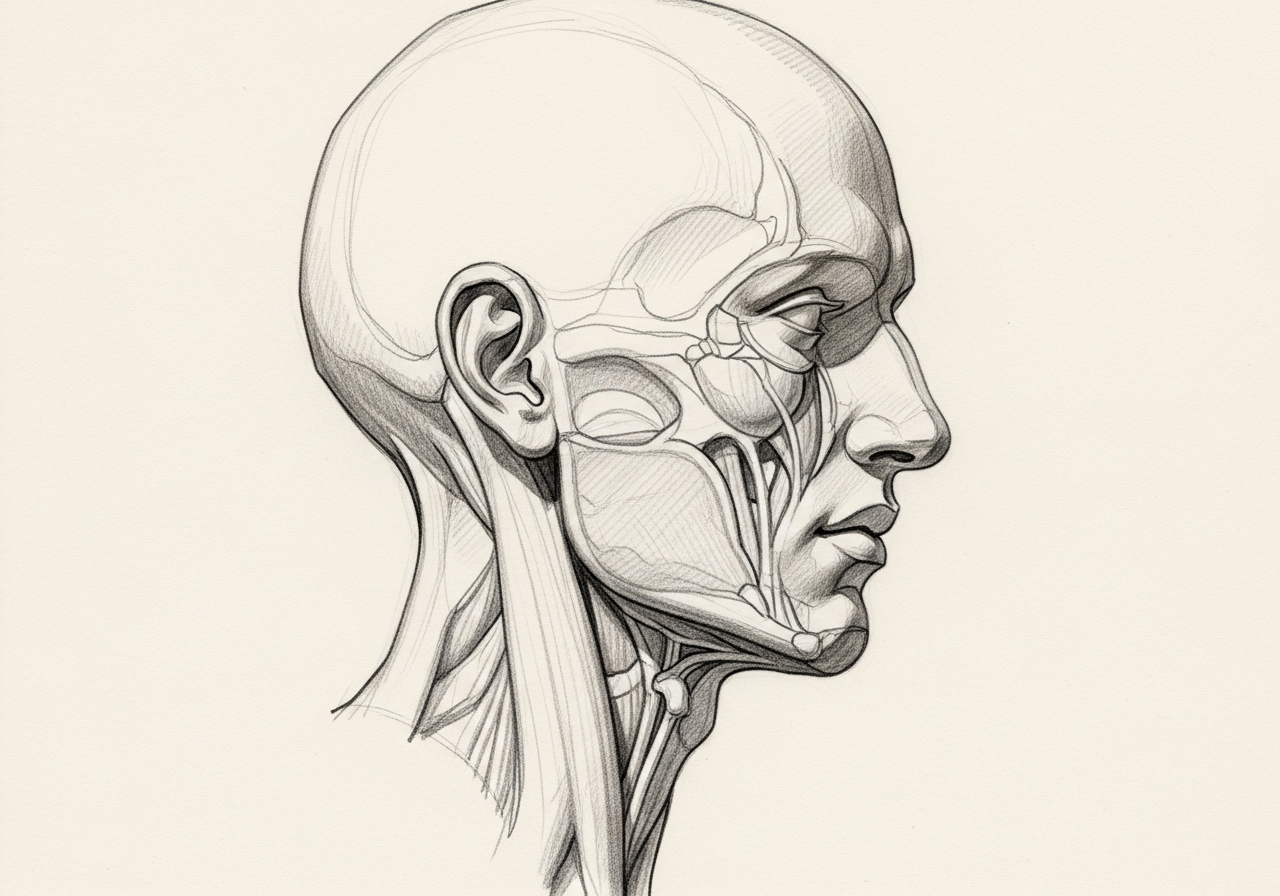
Have questions about recovery after head and neck surgery? The next step is a quiet, unhurried conversation.
What happens next
Recovery usually follows a clear sequence.
- Before surgery, identify home support, transportation, medication, nutrition, communication, equipment, and rehabilitation needs.
- In hospital, track airway, wounds or flap, drains, pain, mobility, and feeding milestones.
- At discharge, receive one-page medication and warning-sign instructions with direct contact routes.
- At early follow-up, the team assesses pathology, wound healing, voice and swallowing, shoulder, nutrition, and any need for further therapy.
- Over months, address scar, lymphedema, trismus, fatigue, return to work, surveillance, and survivorship.
Many patients also benefit from speech and swallowing therapy after surgery and a structured nutrition plan.
When to seek urgent care
Some symptoms after head and neck surgery cannot wait.
- Emergency: breathing difficulty, rapidly increasing neck swelling, significant bleeding, sudden flap or stoma changes, chest pain, severe dehydration, or new neurologic symptoms need emergency care.
- Same-day: worsening redness or drainage, fever, uncontrolled pain, drain problems, or inability to maintain hydration should prompt a same-day call.
- Routine: expected swelling, bruising, numbness, and a firm feeling along the incision can be reviewed at a scheduled visit.
Procedure-specific instructions from the surgical team take precedence, and the online consultation form is not an emergency service.
Before leaving the hospital or surgical facility
Patients should receive written instructions covering medications, incision care, showering, drains, diet, activity, follow-up, and emergency contacts. It helps to confirm who to call during business hours and after hours, and whether blood thinners or other medications should be restarted and when.
If pathology is pending, the team should explain how and when results will be reviewed. A patient-portal result should not be relied on without discussing its meaning with the treating team.
Incision and wound care
The incision is kept clean according to the surgical team's instructions. Closures may use sutures, staples, adhesive, or tape. Swelling, bruising, tightness, and numbness can be expected, but worsening redness, warmth, drainage, fever, separation, or rapidly increasing swelling should be reported.
Scar appearance changes for months. Sun protection and surgeon-directed scar care may help once the incision has healed. Unapproved products should not be applied to a fresh wound.
Drains
A drain removes fluid from the surgical area. Patients who go home with one should learn how to empty it, measure output, maintain suction, and secure the tubing, and should record the amount and appearance as instructed.
Sudden bright-red output, loss of suction, cloudy or milky drainage, a rapidly enlarging swelling, or a dislodged drain should prompt a call to the team. Drain removal timing is based on the operation and output rather than a fixed number of days.
Pain and medication
Medication should be taken only as directed. Some patients use acetaminophen, anti-inflammatory medication when permitted, and a limited opioid prescription, and constipation prevention may be needed. Taking multiple products that contain the same ingredient should be avoided.
The team should be contacted if pain is escalating rather than gradually improving, if medication causes a reaction, or if needed fluids or medication cannot be swallowed.
Eating, hydration, and swallowing
Diet instructions depend on the operation. After throat or oral surgery, patients may need modified textures, a feeding tube, or speech-language pathology assessment. After thyroid or parathyroid surgery, temporary throat discomfort is common, but inability to swallow liquids or progressive breathing symptoms is not expected.
Dehydration can worsen pain and recovery, so a practical hydration and nutrition plan is important. Weight loss, coughing with meals, or symptoms of pneumonia require evaluation.
Voice and breathing
Temporary voice change can follow intubation or surgery near the laryngeal nerves. Persistent hoarseness, a weak voice, coughing with liquids, or breathing difficulty should be evaluated, and after laryngeal or airway surgery the specific airway or stoma plan should be followed.
Breathing difficulty, rapidly increasing neck swelling, active mouth or neck bleeding, or inability to handle secretions is an emergency and requires immediate care.
Neck and shoulder movement
Neck stiffness and shoulder weakness can follow neck dissection. Gentle motion and early therapy may reduce disability, but exercises must match the operation and any nerve or muscle involvement, and strenuous stretching or lifting should not begin without approval.
Lymphedema can cause neck or facial swelling and tightness. Specialized therapy may be recommended once the surgical team confirms it is safe.
Free-flap and donor-site recovery
After free-flap reconstruction, both the head and neck site and the donor site need care. Activity and weight-bearing restrictions depend on whether tissue came from the forearm, thigh, fibula, or another location, and flap monitoring is intensive early on.
Color change, sudden swelling, drainage, worsening pain, or wound breakdown should prompt review. Long-term therapy may address speech, swallowing, gait, hand and arm function, contour, and dental rehabilitation.

Pathology and additional treatment
Final pathology can change the plan. Margins, lymph nodes, tumor type, grade, and other features determine whether observation, radiation, or systemic therapy is recommended.
It helps to ask when the case will be reviewed and which specialist will coordinate the next steps.
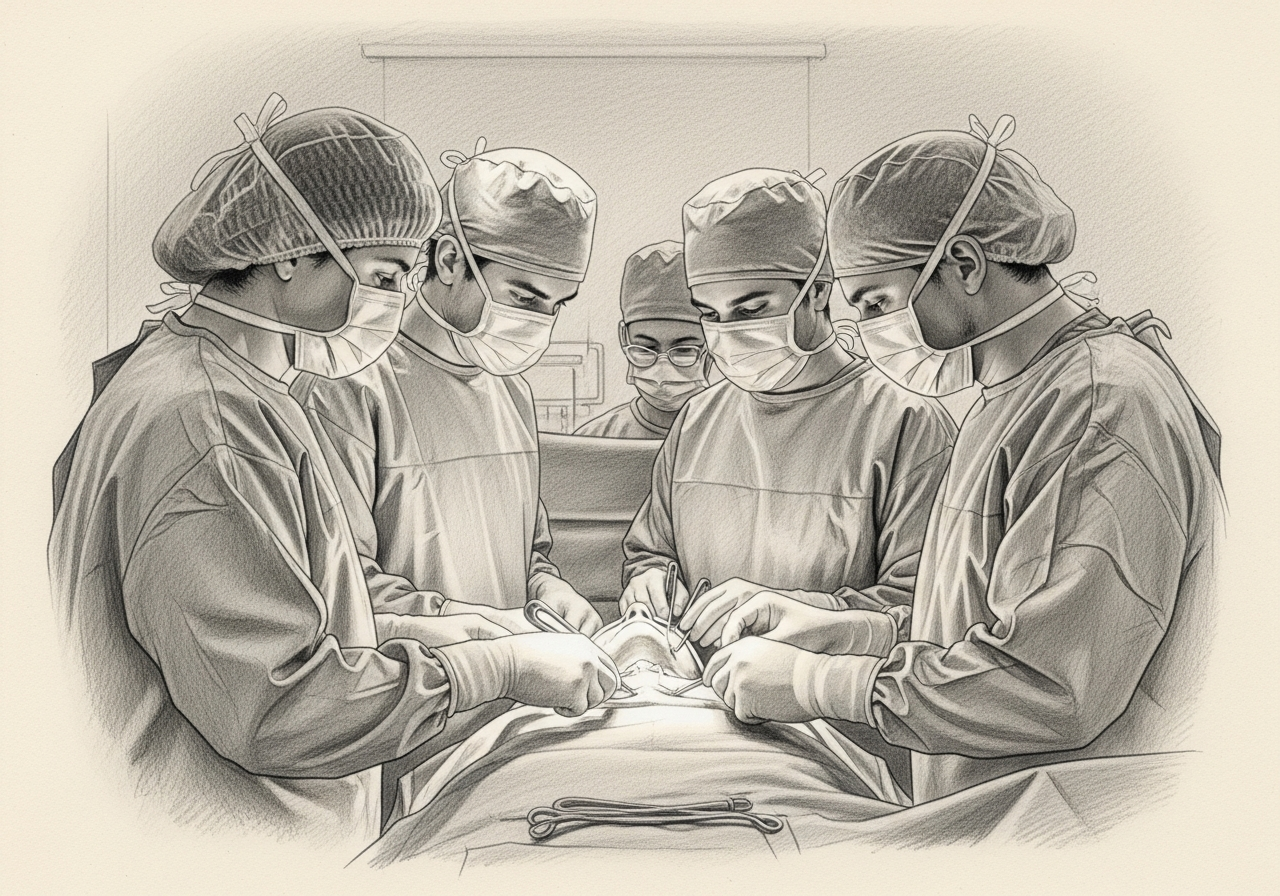
Follow-up and survivorship
Long-term care can include cancer surveillance, thyroid testing after radiation, dental care, nutrition, speech and swallowing support, hearing assessment, shoulder rehabilitation, lymphedema therapy, support for stopping smoking and alcohol use, and psychosocial care. The needs vary by diagnosis and treatment.
This overview links to procedure-specific instructions, including ongoing head and neck lymphedema care and recovery after head and neck cancer surgery, and is not a replacement for the discharge instructions provided by the treating team.
Clinical perspective
Our head and neck surgeons set recovery expectations by operation rather than offering one generic timeline, because needs differ markedly across thyroid or parathyroid surgery, parotid or submandibular surgery, transoral robotic surgery, neck dissection, oral cancer surgery with a free flap, and laryngectomy.
For each path, the team defines the milestones and warning signs that matter most and identifies who coordinates wound, drain, nutrition, speech and swallowing, shoulder, lymphedema, and donor-site care. What changes the plan most often is the extent of surgery, any reconstruction, prior treatment, overall health, and how recovery progresses, so the milestones are individualized rather than promised.
What to bring to your consultation
Gathering the right records helps a focused visit move quickly.
- Prior imaging and reports
- Pathology or biopsy results when applicable
- Recent laboratory results
- Treatment notes and a current medication list
- A clear note about the decision you want help with
A focused review covers the expected milestones, the warning signs to watch for, and how care will be coordinated. For urgent symptoms, follow the guidance above rather than using the routine form.
Medical review
This page is a patient-education resource reviewed by the responsible Norelle ENT clinician before publication. It does not replace an in-person evaluation. If symptoms are severe or rapidly worsening, seek immediate medical care.
Clinical reviewers

Dr. Moustafa Mourad
MD, FACS
Double Board-Certified Head & Neck and Facial Plastic & Reconstructive Surgeon
Dr. Moustafa Mourad is a double board-certified head and neck and facial plastic and reconstructive surgeon who cares for the full range of cosmetic and complex conditions affecting the face, head, and neck.
- Facial plastic and reconstructive surgery
- Head and neck cancer surgery
- Microvascular free-flap reconstruction
- Facial trauma and reconstruction
Also caring for this area

Not sure who to see? Our patient coordination team can help match you with the right specialist.
(212) 444-8006Frequently Asked Questions
Call for worsening redness or drainage, fever, uncontrolled pain, inability to maintain hydration, new facial, voice, or shoulder weakness, drain problems, or another concern listed in your instructions. Follow the team's exact contact plan.
Breathing difficulty, rapidly expanding neck swelling, uncontrolled bleeding, severe throat bleeding after transoral surgery, chest pain, stroke symptoms, or loss of consciousness requires emergency care.
It depends on the operation, your recovery, your work demands, and any complications. Ask for a personalized plan rather than relying on a generic timeline.
Surgery and other treatments can affect the tongue, throat, voice, saliva, and sensation. Therapy can assess safety and help improve or compensate for function.
It varies widely. A small thyroid or salivary procedure may involve outpatient or short-stay recovery, while cancer surgery with neck dissection and reconstruction can require a longer hospital stay and several months of rehabilitation.
Some operations require a temporary drain, feeding tube, or airway, while many do not. The team explains what to expect before surgery and how to care for any device at home.
Clinical References
These independent resources from medical and professional organizations offer further reading. They are provided for general education and do not replace a consultation with a clinician.
Related Conditions

Related Procedures

Request a consultation about recovery after head and neck surgery
Schedule a consultation with our team to discuss your care and the appropriate next steps.