
About the Procedure
Head and neck cancer surgery includes operations used to diagnose, remove, control, or reconstruct cancers of the mouth, throat, larynx, salivary glands, thyroid, skin, neck lymph nodes, nasal cavity, sinuses, and selected adjacent structures. The term describes a family of procedures rather than one operation. A small oral lesion removed through the mouth, a parotidectomy with facial nerve dissection, a neck dissection, a laryngectomy, and a composite resection with free-flap reconstruction are very different experiences.
The surgical plan starts with the disease site and biology, but it must also account for speech, swallowing, breathing, facial movement, shoulder function, dental health, appearance, and the possibility of radiation or systemic therapy. In some cancers surgery is the primary treatment. In others radiation or chemoradiation offers a comparable or better balance. Surgery may also be used to identify an unknown primary, remove persistent or recurrent disease after prior treatment, manage lymph nodes, or reconstruct a defect.
This overview explains how surgical decisions are made and links to the relevant condition and procedure pages. For symptoms, diagnosis, staging, and the treatment overview, see the Head and Neck Cancer condition page.
How we approach the decision
Because this is a family of operations rather than a single procedure, planning starts with a few decisions:
- What exactly will be removed, and what margins and lymph-node treatment are intended?
- Which functions can be preserved, which may change, and what reconstruction or rehabilitation is planned?
- How likely is postoperative radiation or chemoradiation, and how could final pathology change the plan?
These questions tie the head and neck cancer diagnosis to a specific operation, and they are best answered by comparing surgery with radiation-based options rather than considering surgery in isolation.
Considering head and neck cancer surgery? The next step is a quiet, unhurried conversation.
What happens next
Surgical planning generally follows these steps:
- Review pathology, imaging, stage, prior treatment, medical fitness, and your goals.
- Define the resection, neck dissection when indicated, airway, feeding, dental, and reconstructive plans before the operation.
- Coordinate anesthesia, hospital level of care, and speech, swallowing, and nutrition preparation.
- Perform the resection, orient specimens, and communicate with pathology.
- Use final pathology to determine surveillance and whether additional treatment should be discussed.
When a defect is expected, the plan may include head and neck reconstruction or free flap reconstruction, followed by structured head and neck surgery recovery.
When to seek urgent care
Call the surgical team for significant bleeding, breathing difficulty, rapidly increasing swelling, an inability to handle secretions, fever with worsening wound symptoms, or signs of dehydration.
- Emergency (call 911 or go to the nearest emergency department): breathing difficulty, heavy bleeding, or rapidly increasing neck swelling.
- Same-day contact with the surgical team: fever with worsening wound symptoms, drainage, or signs of dehydration.
- Routine: general questions about healing, activity, or follow-up can be handled through a scheduled visit.
The online consultation form is not monitored for emergencies and should never be used for urgent symptoms.
Clinical perspective
Our head and neck surgeons plan each operation around the oncologic goal and the structures at risk: tumor removal, neck nodes, airway, reconstruction, and rehabilitation. Factors that make surgery a stronger first option include a localized tumor that can be removed with an appropriate margin, a need for definitive pathology or nodal staging, or disease that persists after radiation. Factors that require caution include heavy prior radiation, poor nutrition, significant medical comorbidity, or a defect that will need complex reconstruction. Factors that may favor a nonsurgical approach include disease better controlled with radiation or chemoradiation at a lower functional cost.
Candidacy requires individualized specialist review, and the recommendation can change when examination under anesthesia, frozen-section findings, or the true extent of disease differs from preoperative imaging.
What to bring to your consultation
A focused review is easier when you bring the records most relevant to head and neck cancer surgery:
- Prior imaging and radiology reports.
- Pathology or biopsy results when available.
- Recent laboratory results.
- Prior treatment notes, including any radiation or systemic therapy.
- A current medication list.
- The specific decision you want the consultation to answer.
Request a consultation for a focused review of the diagnosis, the available options, the likely tradeoffs, and the steps needed before treatment. For urgent symptoms, follow the emergency guidance above rather than using the routine form.
What the procedure is designed to accomplish
The principal oncologic goal is removal of the intended disease with an appropriate margin while preserving uninvolved tissue when doing so is safe. Surgery can also provide definitive pathology, determine lymph-node status, relieve obstruction or bleeding, protect the airway, restore continuity of the mouth or throat, and create a durable platform for rehabilitation and additional treatment.
A successful operation is not defined only by whether a tumor was removed. The plan should anticipate how the patient will breathe, communicate, eat, move the shoulder, protect the eye, maintain oral hygiene, and return to daily activities. It should identify which functions can realistically be preserved, which may change temporarily or permanently, and which rehabilitation or reconstructive resources are needed.
When surgery is part of combined therapy, the goal is to sequence treatment efficiently. Postoperative radiation or chemoradiation should begin after adequate healing when pathology supports it. The operation should not create avoidable delays, but it also should not sacrifice wound safety or functional planning simply to meet an arbitrary timetable.
Relevant anatomy and function
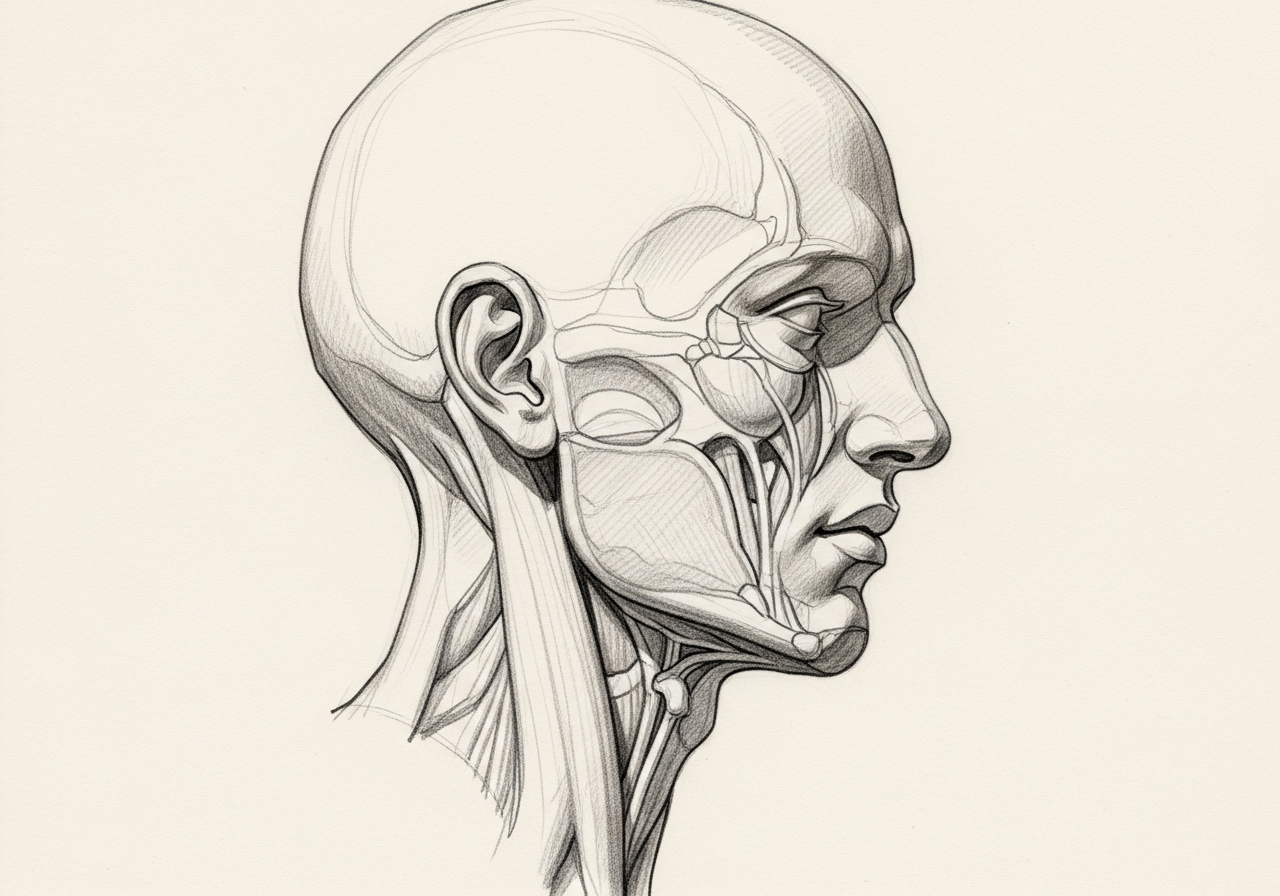
The head and neck contains dense, functionally important anatomy within a small space. The oral cavity includes the lips, front of tongue, floor of mouth, gums, hard palate, and inner cheeks. The oropharynx includes the tonsils, base of tongue, soft palate, and pharyngeal walls. The larynx produces voice and protects the airway. Salivary glands sit near the facial nerve, tongue nerves, jaw, and throat. The thyroid and parathyroid glands lie beside the trachea and recurrent laryngeal nerves.
Lymph nodes are organized into neck levels that drain specific sites. A neck dissection removes selected lymphatic tissue while preserving nerves, muscles, and vessels when oncologically appropriate. The spinal accessory nerve affects shoulder elevation, the hypoglossal nerve moves the tongue, the vagus and recurrent laryngeal nerves influence voice and swallowing, and the facial nerve controls facial movement.
Defects can involve lining, skin, soft tissue, muscle, bone, nerves, vessels, or combinations. Reconstruction is selected according to what is missing and what function must be restored. The same tumor size can produce very different reconstructive needs depending on its exact location and prior treatment.
When the procedure may be considered
Surgery is considered when it provides an appropriate chance of disease control, diagnosis, symptom relief, or reconstruction and when its expected burden is acceptable compared with alternatives.
- Primary removal of a localized cancer: Many oral cavity, salivary, thyroid, skin, and selected laryngeal or sinonasal cancers are managed primarily with surgery.
- Treatment of neck lymph nodes: A neck dissection may remove known nodal disease or treat a neck at meaningful risk, according to site, stage, imaging, and pathology.
- Transoral treatment of selected throat tumors: Robotic, laser, or conventional transoral approaches may remove accessible tonsil, base-of-tongue, or laryngeal tumors in carefully selected patients.
- Unknown-primary evaluation: Tonsil and base-of-tongue procedures can locate a hidden primary when cancer is found in a neck node.
- Persistent or recurrent disease: Salvage surgery may be considered after radiation, chemoradiation, or prior surgery when disease is resectable and the expected benefit justifies the increased risk.
- Symptom management: Surgery can address bleeding, airway obstruction, infection, pain, aspiration, or a fungating mass when the goal and expected benefit are clear.
- Reconstruction after tumor removal: Local, regional, or free tissue can close wounds, restore jaw or tongue continuity, protect vessels, and support speech and swallowing.
- Definitive pathologic diagnosis: Excision may be necessary when needle or endoscopic biopsy cannot establish a diagnosis and the procedure is appropriately planned.
- Management of treatment complications: Selected operations address fistula, exposed hardware, osteoradionecrosis, stenosis, failed reconstruction, or a nonfunctional organ.
- Endocrine cancer surgery: Thyroid and selected parathyroid malignancies may require gland surgery, central or lateral neck dissection, nerve planning, and reconstruction.
A diagnosis alone does not automatically make someone a surgical candidate. The decision depends on anatomy, stage or severity, prior treatment, medical fitness, expected function, alternatives, and the patient's goals. The surgeon should explain not only whether the procedure can be done, but why it is or is not the preferred approach in that individual case.
Evaluation and surgical planning
Planning is an active part of the procedure. It is where the team confirms the diagnosis, maps the anatomy, anticipates reconstruction or rehabilitation, and determines whether another treatment could provide a better balance of disease control and function.
History and complete examination
The surgeon reviews symptoms, tobacco and alcohol exposure, HPV-related history, prior skin cancer, nutrition, dentition, airway, swallowing, voice, cranial nerves, medical fitness, and prior treatment. This identifies urgency, functional baseline, likely disease site, and risks that may not appear on imaging. A normal office examination does not exclude a small hidden tumor or deep extension.
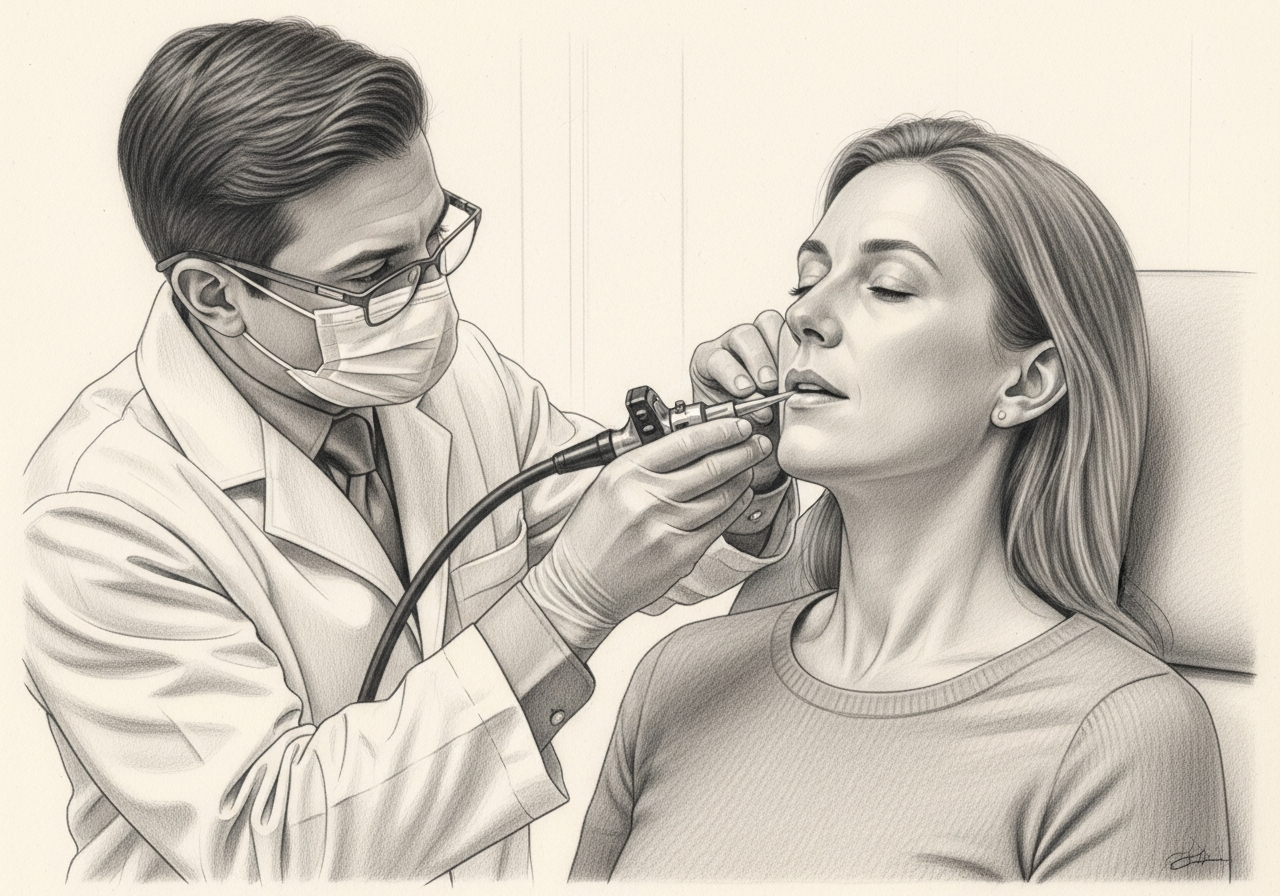
Flexible endoscopy
A camera through the nose examines the nasopharynx, base of tongue, pharynx, and larynx. It helps identify the primary site, airway status, vocal-fold movement, and treatment effects. Submucosal and very small disease may still require examination under anesthesia or directed surgery.
Pathology and biomarker review
Biopsy confirms tumor type and may include HPV/p16, EBV, thyroid, salivary molecular, or other studies. Pathology determines staging and whether surgery is likely to help. Small or fragmented samples can underrepresent grade or invasion and may need expert review.
CT, MRI, ultrasound, and PET/CT
Imaging maps primary tumor, bone, nerves, vessels, lymph nodes, chest, and possible distant disease. It supports resectability, neck management, transoral access, and reconstructive planning. Inflammation, dental artifact, and prior treatment can limit accuracy.
Dental, speech, swallowing, and nutrition assessment
Baseline teeth, jaw opening, aspiration risk, diet, weight, and communication are documented. Prehabilitation and treatment of preventable problems can improve recovery and reduce interruptions. Not every patient needs every discipline before a small operation; referrals are risk based.
Medical and anesthesia assessment
Heart and lung health, medications, anticoagulation, diabetes, kidney function, frailty, tobacco, alcohol, and prior anesthesia are reviewed. The safest operation may differ from the technically possible operation. Optimization reduces but does not eliminate risk.
Multidisciplinary review
Surgery, radiation oncology, medical oncology, pathology, radiology, reconstruction, dental care, nutrition, speech-language pathology, and other disciplines compare pathways when appropriate. The team evaluates the total treatment burden and sequence.
Patient priorities and second opinion
The surgeon asks about communication, swallowing, appearance, work, caregiving, travel, tolerance for combined therapy, and treatment goals. A preference-sensitive decision requires the patient to understand realistic tradeoffs. Preference does not make an oncologically inadequate option appropriate.
Alternatives and related treatment pathways
The alternatives depend on the reason for surgery. A complete discussion may include:
- Radiation therapy: Definitive radiation can preserve anatomy in selected cancers but has acute and late effects on saliva, teeth, swallowing, thyroid, skin, bone, and soft tissue.
- Chemoradiation: Concurrent systemic therapy can improve control for selected disease but increases toxicity and may leave a dysfunctional organ despite anatomic preservation.
- Systemic therapy: Immunotherapy, chemotherapy, targeted therapy, or clinical trials may be used for recurrent, metastatic, unresectable, or selected perioperative disease.
- Active surveillance: Observation is appropriate for selected indolent thyroid, salivary, premalignant, or uncertain lesions with a defined monitoring plan.
- Limited diagnostic or palliative procedures: Biopsy, debulking, tracheostomy, feeding access, drainage, or bleeding control can address a focused problem without being definitive cancer treatment.
- Supportive and palliative care: Pain, airway, nutrition, communication, bleeding, psychosocial needs, and quality of life remain active priorities when curative treatment is not possible or not chosen.
- Another surgical approach: Open, endoscopic, transoral, robotic, partial, total, nerve-sparing, or reconstructive options may achieve the goal with different risks.
- No immediate intervention: When diagnostic certainty is low or the expected harm exceeds benefit, additional review or short-interval reassessment may be safer than rushing to surgery.
Alternatives are not interchangeable. Their advantages and burdens vary with the diagnosis, extent of disease, prior treatment, expected functional outcome, and the possibility that more than one modality will be needed.
How the operation is performed
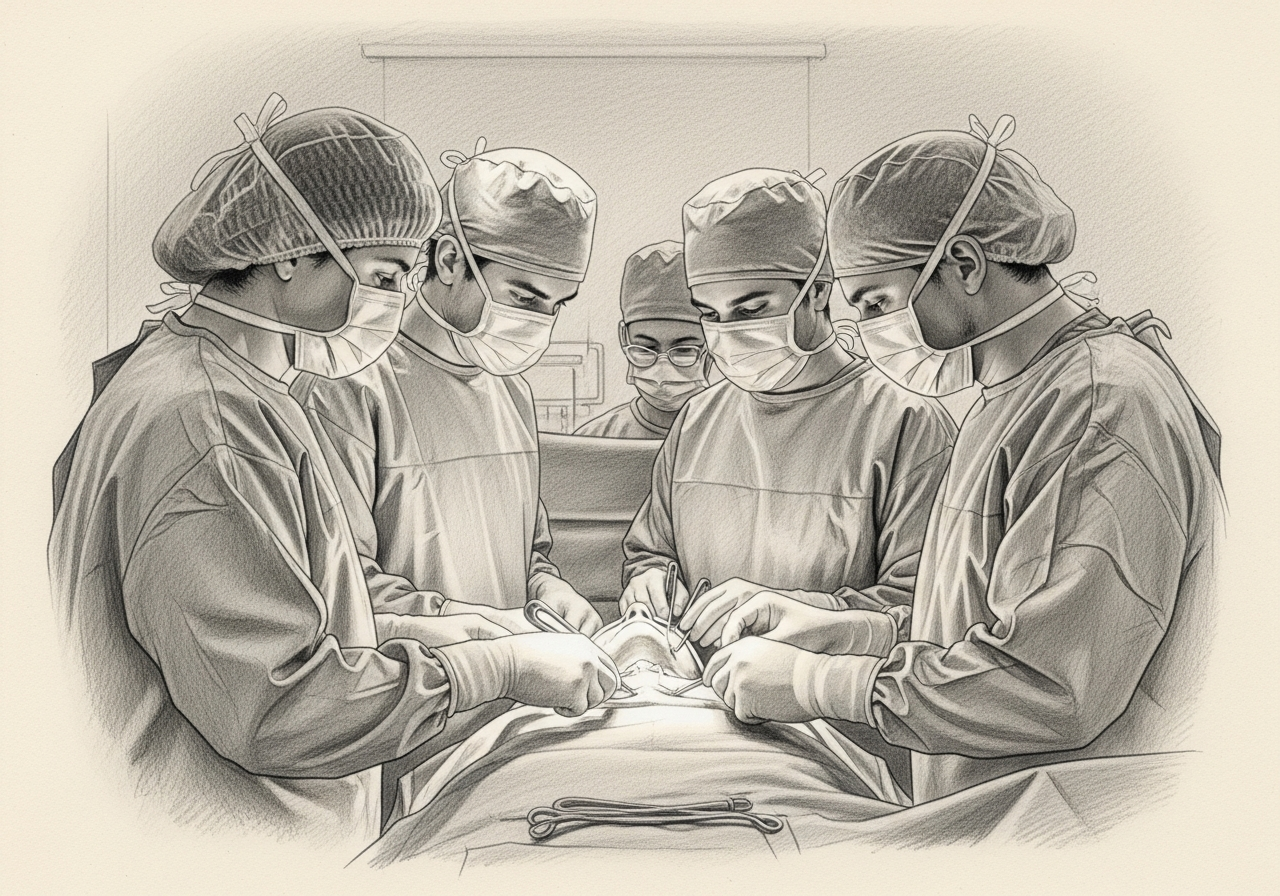
The exact sequence varies by patient and by operative findings. The following description is a framework for discussion, not a substitute for the surgeon's procedure-specific explanation.
Confirmation and operative mapping
The team verifies diagnosis, imaging, side and site, consent, neck levels, possible nerve or vessel involvement, airway, feeding, and reconstructive contingencies. This creates a shared plan and identifies decisions that may depend on operative findings.
Airway and exposure
Anesthesia secures the airway and the surgeon obtains transoral, endoscopic, or open exposure appropriate to the site. Safe exposure is necessary for margin control and protection of critical structures.
Primary tumor resection
The visible and palpable tumor is removed with the planned margin and any directly involved tissue. The extent is determined by cancer control, anatomy, function, and preoperative consent.
Margin assessment
Specimens are oriented and selected margins may be assessed during surgery, while final permanent pathology provides the definitive report. Margin information helps determine whether additional tissue should be removed and whether postoperative treatment is needed.
Neck management
Selected lymph-node levels are removed when indicated, with preservation of uninvolved nerves, muscle, and vessels when safe. Nodal treatment contributes to regional control and pathologic staging.
Nerve and vessel management
The surgeon identifies and preserves critical structures when not involved; directly invaded tissue may require sacrifice and reconstruction. The plan balances oncologic completeness with function and should address contingencies before surgery.
Reconstruction
The defect is closed with primary closure, graft, local flap, regional flap, free flap, plate, prosthetic plan, or a combination. Reconstruction restores separation, coverage, support, and function rather than merely filling space.
Airway, feeding, drains, and closure
A temporary tracheostomy or feeding tube may be placed, drains are positioned, and wounds and donor sites are closed. These steps protect healing and support the early recovery plan.
Postoperative pathology review
The final report is discussed with the patient and multidisciplinary team. Pathology determines final stage, prognosis, surveillance, and the need for radiation or systemic therapy.
Reconstruction and preservation of function
Reconstruction should be planned before resection whenever a meaningful defect is possible. Small defects can heal by secondary intention, primary closure, or grafting. Local flaps move adjacent tissue; regional flaps remain attached to a nearby blood supply; microvascular free flaps transfer tissue from a distant site with reconnection of vessels. Bone-containing flaps can restore the jaw, while thin or bulky soft-tissue flaps can rebuild tongue, palate, throat, cheek, scalp, or neck.
The surgeon considers the anticipated defect, tumor margins, prior radiation, vessels, medical health, donor-site function, dental rehabilitation, expected radiation, and patient goals. A contingency plan is necessary because the true defect can differ from the scan. Reconstruction can reduce fistula and exposure risk and support function, but it cannot recreate normal sensation and movement perfectly or guarantee avoidance of revision.
Nerve grafting, static suspension, eyelid protection, dental implants, obturators, voice prostheses, and staged refinements may be part of the broader plan. The reconstruction and free-flap hubs cover these options in more detail.
Anesthesia, hospital care, and the immediate postoperative period
The location and level of postoperative care depend on the operation. Small transoral or thyroid procedures may permit discharge the same day or after short observation. A composite cancer resection with free-flap reconstruction can require prolonged anesthesia, intensive flap monitoring, airway care, feeding support, multiple drains, and a multi-day hospital stay.
Early priorities include breathing, bleeding, pain, nausea, wound and flap viability, mobility, clot prevention, secretion management, hydration, and nutrition. The team may use a temporary tracheostomy, nasogastric tube, gastrostomy, or other support. Speech and swallowing assessment determines when and how oral intake begins.
Discharge depends on clinical stability and the ability of the patient and caregiver to manage wounds, drains when applicable, airway or feeding devices, medications, activity, and warning signs. The surgeon’s written instructions take priority over generalized online timelines.
Preparing for surgery
Preparation should address both medical safety and the practical realities of recovery. Depending on the procedure, the team may ask for:
- Secure pathology and staging: Confirm tumor type, site, biomarkers, nodal pattern, and distant disease before a major resection.
- Review original imaging: The operating surgeon and reconstructive team should see the actual studies, not only reports.
- Dental and oral preparation: Address infection, extractions when appropriate, fluoride, prosthetic planning, and radiation implications.
- Speech, swallowing, and nutrition baseline: Document diet, aspiration, voice, weight, jaw opening, and likely rehabilitation needs.
- Reconstruction and donor-site planning: Discuss expected defect, options, functional tradeoffs, scars, mobility, and possible change in plan.
- Medical optimization: Manage tobacco, alcohol, diabetes, anemia, lung disease, anticoagulation, nutrition, and medication safety.
- Airway and feeding discussion: Clarify the possibility and expected duration of tracheostomy and feeding support.
- Postoperative-treatment expectations: Understand which margin or nodal findings could lead to radiation or chemoradiation.
- Second opinion when appropriate: Review pathology, imaging, total treatment pathway, and facility resources before an irreversible major operation.
- Practical planning: Arrange caregiver support, transportation, work leave, communication, supplies, and emergency access to the treating hospital.
Do not stop prescription medication, anticoagulants, antiplatelet drugs, diabetes medication, supplements, or tobacco products without instructions from the treating clinicians. Patients should receive written guidance about fasting, arrival time, transportation, wound care supplies, and who to contact after hours.
What to expect on the day of surgery
- Final verification: The team confirms procedure, side, imaging, pathology, medications, allergies, blood availability, consent, reconstruction, and emergency contingencies.
- Anesthesia and monitoring: The airway and invasive monitoring are selected according to tumor and operation complexity.
- Resection and neck treatment: The surgeon removes the planned disease and performs lymph-node treatment when indicated.
- Reconstruction and closure: The reconstructive plan is adapted to the actual defect and tissue quality.
- Recovery and family communication: The authorized support person receives an explanation of the operation performed, airway and feeding status, reconstruction, and early priorities.
Plans can change when examination under anesthesia, frozen-section findings, nerve involvement, blood-vessel anatomy, or the true extent of disease differs from preoperative imaging. The consent conversation should identify the decisions that might need to be made during the operation and the limits of those decisions.
Recovery and aftercare
Recovery is procedure-specific, but patients generally benefit from understanding the phases rather than expecting a single date when they will feel normal.
- First 24 to 72 hours: Airway, bleeding, pain, wounds, flap or nerve function, drains, hydration, mobility, and nutrition are monitored closely.
- Hospital recovery: Lines and drains are removed as appropriate; the patient learns wound, airway, feeding, shoulder, donor-site, and medication care.
- First outpatient weeks: Incisions heal, swelling evolves, pathology is reviewed, diet and activity advance, and complications are addressed.
- Adjuvant-treatment transition: When postoperative therapy is recommended, dental, nutrition, speech, wound, and oncology planning are coordinated.
- Functional rehabilitation: Speech, swallowing, jaw, shoulder, lymphedema, facial, and donor-site therapy proceed according to deficits.
- Long-term recovery: Scar, contour, dental rehabilitation, prosthetics, revisions, return to work, surveillance, and psychosocial needs are followed.
The surgeon's written instructions take priority over general online guidance. New breathing difficulty, brisk bleeding, rapidly increasing swelling, chest pain, confusion, a sudden neurologic change, severe dehydration, or an inability to manage saliva requires urgent assessment.
Risks and possible complications
The relevant risks depend on the operation, diagnosis, prior radiation or surgery, nutritional status, smoking, medication use, and medical conditions. Topics that may require discussion include:
- Bleeding and airway compromise: Hematoma or postoperative hemorrhage can require emergency airway management or return to surgery.
- Infection, wound breakdown, and fistula: Risk is influenced by oral contamination, radiation, nutrition, diabetes, tobacco, and the extent of surgery.
- Nerve dysfunction: Voice, swallowing, tongue, shoulder, facial movement, sensation, and eye protection can be affected according to the site.
- Swallowing and speech change: Temporary or permanent effects depend on resection, reconstruction, pain, edema, and radiation.
- Tracheostomy or feeding support: These may be temporary or longer term and have their own complications.
- Flap or graft failure: Transferred tissue can partially or completely fail and may require urgent or staged revision.
- Donor-site problems: Weakness, numbness, pain, wound problems, gait change, or contour change can occur after tissue harvest.
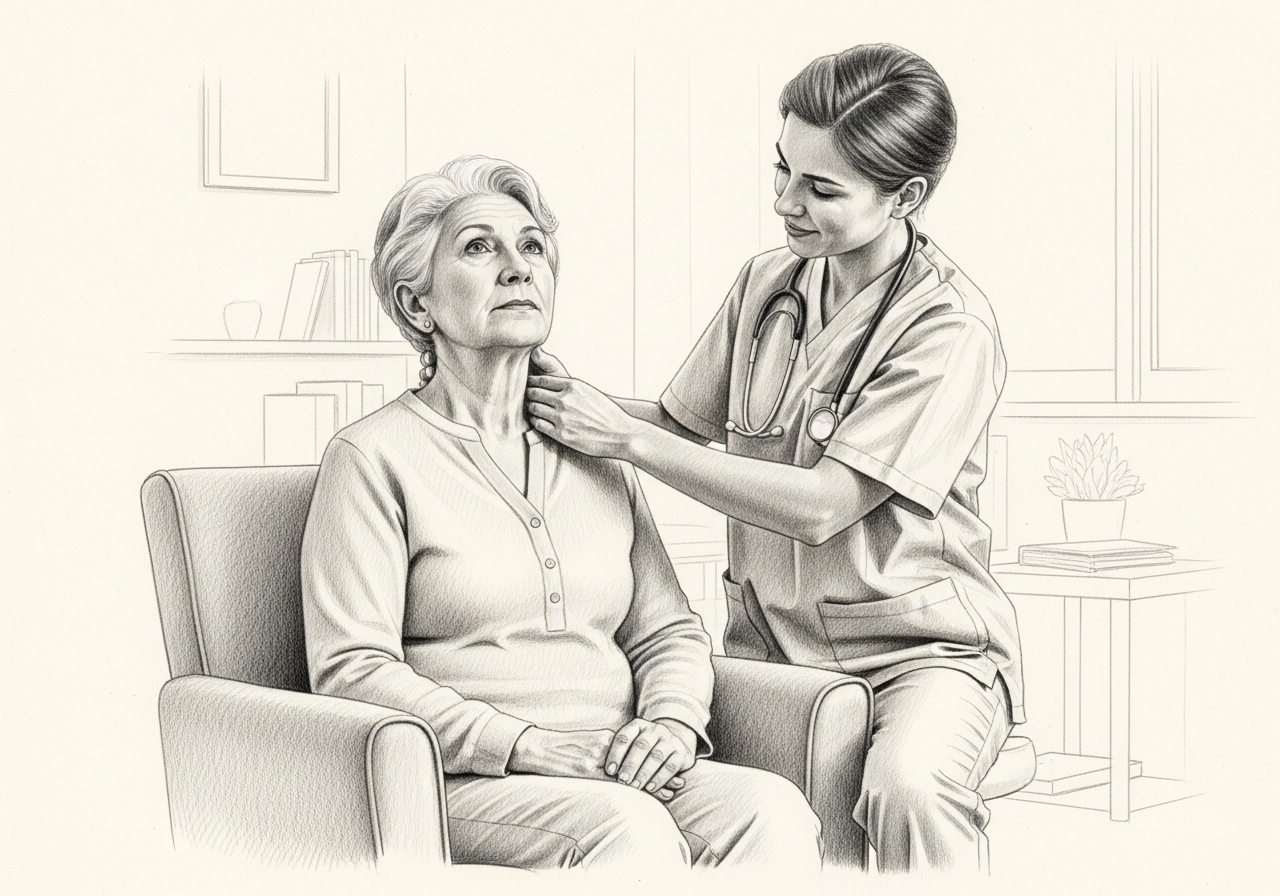
- Shoulder weakness, numbness, and lymphedema: Neck dissection can produce functional and sensory effects requiring rehabilitation.
- Dental and jaw complications: Tooth loss, malocclusion, hardware issues, osteoradionecrosis, and need for dental rehabilitation can occur.
- Medical complications: Anesthesia, pneumonia, blood clot, heart event, kidney injury, delirium, and medication problems depend on health and complexity.
- Positive margin or additional treatment: Surgery can reveal disease that requires more surgery, radiation, or chemoradiation.
- Recurrence: No operation guarantees cure. Risk depends on site, stage, pathology, margins, nodal findings, biology, and treatment response.
A risk list does not communicate probability for an individual patient. The consent discussion should distinguish common temporary effects, uncommon persistent effects, and rare emergencies, while explaining how the team monitors for and responds to each problem.
Speech, swallowing, breathing, appearance, and quality of life
The functional effect is site specific. Oral and tongue surgery can alter articulation, bolus control, chewing, and taste. Oropharyngeal surgery can affect swallowing pressure, airway protection, and bleeding risk. Laryngeal surgery can change voice and breathing. Parotid surgery can affect facial movement. Neck dissection can affect shoulder strength, sensation, and swelling. Thyroid and parathyroid surgery can affect voice and calcium balance.
Prehabilitation and early rehabilitation help patients understand and adapt to change. Speech-language pathology evaluates communication and swallowing; nutrition protects weight and healing; physical therapy addresses shoulder, neck, gait, and donor sites; lymphedema therapy manages swelling; dental and prosthodontic care support oral health and jaw restoration.
Quality of life includes work, social eating, intimacy, body image, fatigue, anxiety, and caregiver burden. These should be discussed before and after surgery rather than treated as unexpected personal problems.
Pathology and additional treatment
Permanent pathology defines tumor size and site, depth or extension, histologic type and grade, margins, perineural and lymphovascular invasion, number and size of involved nodes, extranodal extension, and other site-specific features. Biomarkers such as p16 or HPV status are reported when relevant. The final stage can differ from the preoperative clinical stage.
Postoperative radiation may be recommended for close or positive margins, advanced local disease, selected salivary features, multiple nodes, perineural invasion, or other risk factors. Chemoradiation is considered for specific high-risk findings and patient factors. The patient should receive a plain-language pathology review and a timeline for the next oncology decision.
Long-term follow-up
Follow-up is not limited to checking the incision. It may include:
- Wound and device care: Incisions, drains, stoma, feeding access, flap, graft, hardware, and donor sites are checked.
- Pathology and adjuvant planning: The final report is reviewed with surgery, radiation, and medical oncology when indicated.
- Cancer surveillance: Examination, endoscopy, imaging, and symptom review are tailored to site, stage, and treatment.
- Speech, swallowing, and nutrition: Diet, weight, aspiration, communication, jaw opening, saliva, and tube dependence are followed.
- Neck, shoulder, and lymphedema rehabilitation: Range, strength, pain, scar, posture, and swelling are addressed.
- Dental and endocrine follow-up: Dental prevention, thyroid function after radiation, and calcium or hormone monitoring are managed when relevant.
- Reconstruction and revisions: Contour, prosthetic, dental, scar, nerve, and hardware needs are reassessed after healing and adjuvant treatment.
- Psychosocial and risk-factor care: Mood, fear of recurrence, tobacco and alcohol cessation, work, sexuality, and caregiver support are included.
The schedule and testing are individualized. Patients should report new persistent symptoms between visits rather than waiting for a routine appointment.
Getting a second opinion before surgery
A second opinion is reasonable before a major or irreversible head and neck operation, when surgery and radiation are both viable, when postoperative combined treatment is likely, or when prior therapy increases risk. The reviewer should examine original pathology and imaging and explain the total pathway, including reconstruction, rehabilitation, and the probability of additional treatment.
For recurrent disease, the review should include prior operative and radiation records, current disease extent, distant staging, symptoms, nutritional status, vessel and reconstructive options, and realistic goals. A second opinion should clarify whether surgery offers curative potential, durable control, symptom relief, or excessive burden.
Questions to ask the surgeon
- What is the exact site, stage, and pathology?
- Why is surgery preferred over radiation, chemoradiation, surveillance, or another approach?
- What structures and neck levels will be removed?
- Which nerves or vessels are at risk, and under what circumstances would one need to be sacrificed?
- Will I need reconstruction, and what are the primary and backup options?
- Could I need a tracheostomy or feeding tube?
- How will speech, swallowing, facial movement, shoulder function, and appearance be affected?
- What is the likely hospital course and recovery?
- Which pathology findings would lead to radiation or chemoradiation?
- Where will surgery and postoperative emergencies be managed?
- What rehabilitation and dental resources are part of the plan?
- Would a second pathology, radiology, or multidisciplinary review change the recommendation?

Request a consultation
For a new head and neck cancer diagnosis, proposed operation, recurrent disease, or questions about reconstruction and functional outcomes, request a Head & Neck consultation or call (212) 444-8006. Bring original imaging, pathology, prior treatment records, medication list, and written questions. Seek emergency care for breathing difficulty, active bleeding, rapidly increasing swelling, or inability to swallow saliva.
Specialists who perform head and neck cancer surgery
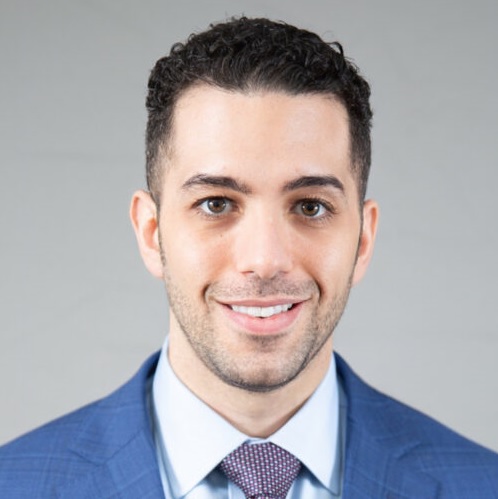
Dr. Moustafa Mourad
MD, FACS
Double Board-Certified Head & Neck and Facial Plastic & Reconstructive Surgeon
Dr. Moustafa Mourad is a double board-certified head and neck and facial plastic and reconstructive surgeon who cares for the full range of cosmetic and complex conditions affecting the face, head, and neck.
- Facial plastic and reconstructive surgery
- Head and neck cancer surgery
- Microvascular free-flap reconstruction
- Facial trauma and reconstruction
Also caring for this area

Not sure who to see? Our patient coordination team can help match you with the right specialist.
(212) 444-8006Norelle Academic Work
Research by Our Physicians
Selected scholarly work related to this topic.

Estimating survival after salvage surgery for recurrent oral cavity cancer
JAMA Otolaryngology–Head & Neck Surgery

Free Flap Monitoring Techniques and Frequency in the Era of Restricted Resident Work Hours: Analysis of Outcomes
JAMA Otolaryngology–Head & Neck Surgery
Age as a Prognostic Factor for Postoperative Complications of Major Head and Neck Surgery
Archives of Otolaryngology–Head & Neck Surgery
Flap Failure and Salvage in Head and Neck Reconstruction
Seminars in Plastic Surgery
Systematic Review and Meta-Analysis of Venous Thromboembolism in Otolaryngology–Head and Neck Surgery
Head & Neck
Epidemiological Trends of Head and Neck Cancer in the United States: A SEER Population Study
Journal of Oral and Maxillofacial Surgery
Citation details link to the original PubMed, DOI, journal, or publisher record.
Explore all Norelle research on this topicFrequently Asked Questions
It may be recommended when lymph nodes are involved or when the risk of microscopic spread is high enough to justify elective treatment.
Margins, lymph nodes, extranodal extension, and nerve or vessel involvement can support observation, radiation, chemoradiation, or additional surgery.
Ask about airway and feeding plans, pain control, drains, monitoring, mobility, communication, swallowing evaluation, discharge criteria, and who handles urgent concerns.
No. The preferred treatment depends on site, stage, pathology, expected function, prior treatment, medical health, and patient goals.
Sometimes, but postoperative pathology may reveal features that make radiation or chemoradiation appropriate. Avoidance cannot be promised before surgery.
It removes lymphatic tissue from selected neck levels while preserving uninvolved nerves, muscles, and vessels when oncologically safe.
A margin is the edge of tissue around the removed tumor. Pathologists examine it for cancer cells, and the result influences further treatment.
It depends on the defect. Options range from direct closure and grafts to local, regional, and microvascular free flaps.
It is surgery for persistent or recurrent disease after prior treatment, often radiation or chemoradiation. Wound and reconstructive risks can be higher.
Preservation is a major goal, but outcomes depend on the disease, resection, nerves, reconstruction, prior treatment, and rehabilitation.
The nerve is identified and preserved when not involved and when cancer control permits. Direct involvement may require removal and reconstructive planning.
It supports nutrition and protects healing when oral intake is unsafe or inadequate. Duration varies.
Final pathology is usually required. The team then reviews margins, nodes, stage, and other risk features.
Yes in selected cases, but tissue healing, fistula, vessel, nerve, and reconstruction risks are higher and require specialized planning.
Pathology and slides when requested, original imaging, prior operative and radiation records, oncology notes, and current medical history are most useful.
Clinical References
These independent resources from medical and professional organizations offer further reading. They are provided for general education and do not replace a consultation with a clinician.
Related Resources
Related Conditions

Related Procedures

Request a consultation about head and neck cancer surgery
Schedule a consultation with our team to discuss whether this procedure is the right option for you.