
Overview
Chronic sinusitis is more than long-lasting pressure or congestion: symptoms must be paired with objective evidence of inflammation. It is not simply an infection that lasts a long time, and facial pressure alone does not establish the diagnosis.
A focused evaluation should identify the inflammatory pattern, anatomic contributors, dental or allergic factors, prior-treatment response, and the outcome that matters most to the patient. Treatment is individualized: some patients improve with topical therapy and management of allergy or asthma, while others have persistent symptoms and objective blockage despite appropriate care and may consider endoscopic sinus surgery. This page focuses on diagnosis and decision-making, while the procedure pages explain the operations themselves.
What this evaluation should clarify
A focused evaluation should help you understand a few key decisions:
- What objective evidence distinguishes chronic sinusitis from look-alike conditions
- Which anatomic, inflammatory, dental, neurologic, infectious, or tumor-related contributors must be considered
- Which medical, procedural, surgical, or multidisciplinary path best fits the findings and your goals
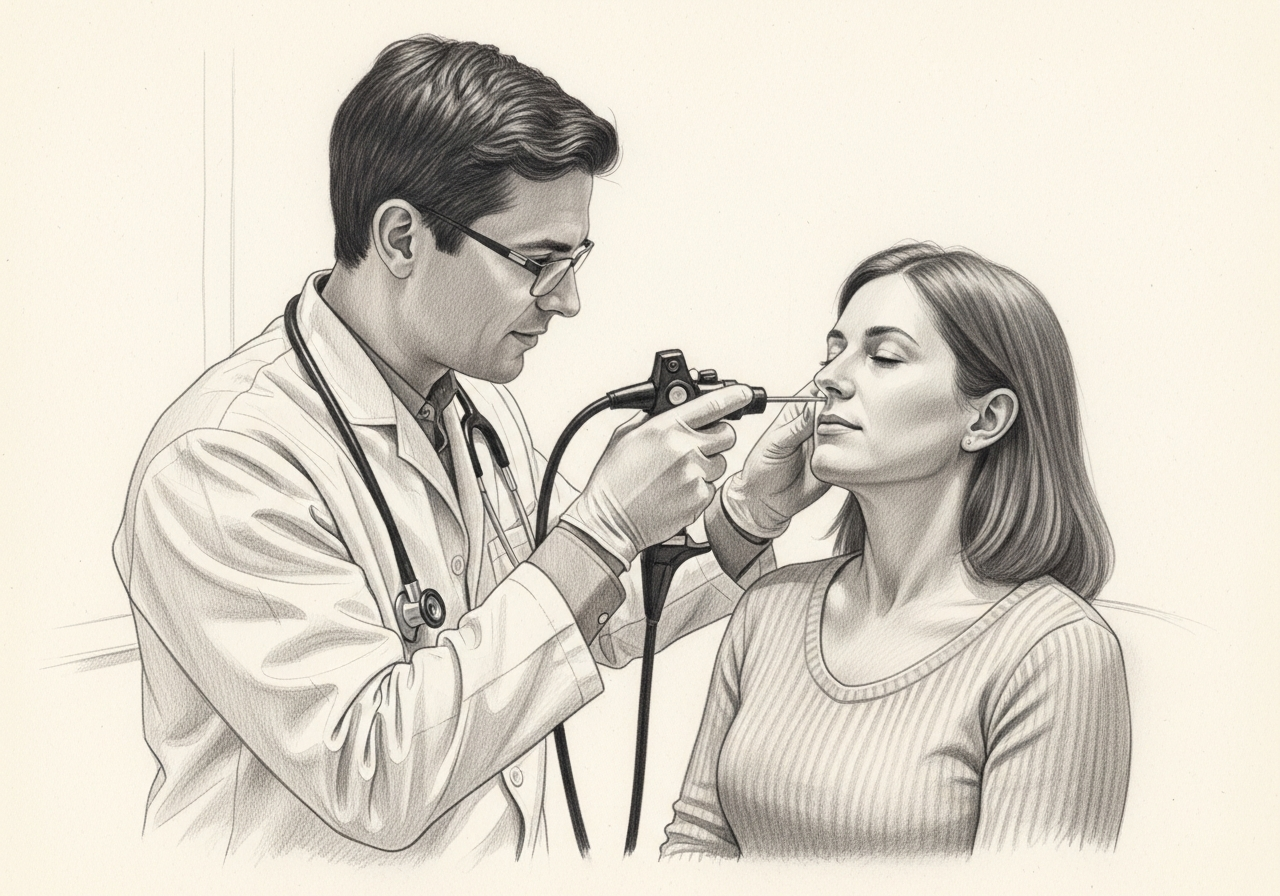
Living with chronic sinusitis? The next step is a quiet, unhurried conversation.
Evaluation and treatment pathway
- Clarify the symptom pattern, duration, triggers, prior treatment, operations, medications, and relevant medical history.
- Evaluation combines symptom duration and pattern with nasal endoscopy and, when it will change management, CT imaging. The review should also consider polyps, asthma or AERD, allergy, dental disease, immune factors, migraine, and prior surgery.
- Identify important look-alikes, complications, and contributors before assigning a definitive diagnosis.
- Treatment usually begins with evidence-based medical therapy tailored to the phenotype. Surgery is considered when objective disease and symptom burden remain despite appropriate treatment, or when anatomy or complications create a clear procedural indication.
- Set a measurable follow-up plan: symptom goals, objective reassessment, medication response, and imaging or surveillance when appropriate.
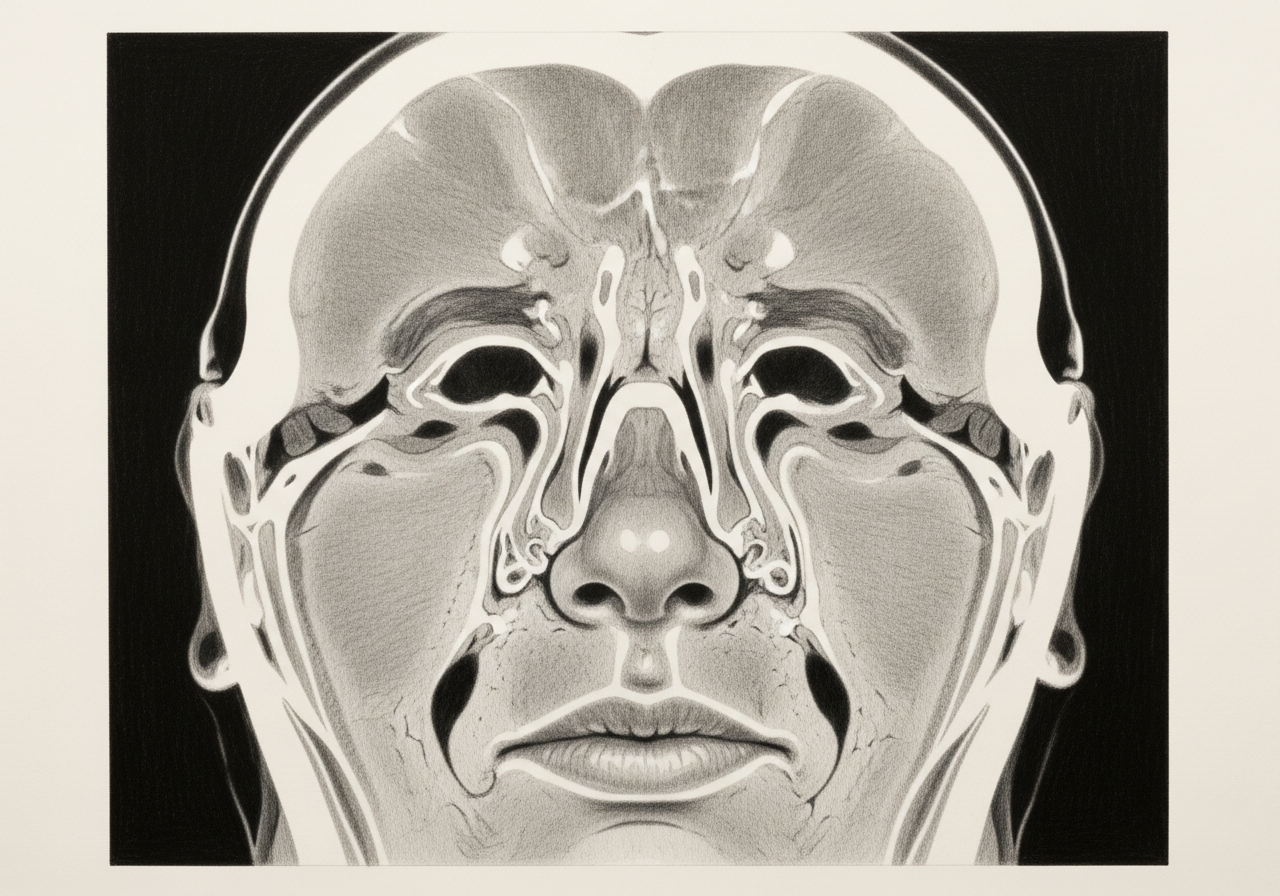
Associated conditions and contributors
Chronic rhinosinusitis often overlaps with other problems, and identifying them changes the plan:
- Nasal polyps
- Asthma or AERD
- Allergic or nonallergic rhinitis
- Deviated septum or narrowed drainage pathways
- Dental-source inflammation
- Immune or ciliary disorders in selected cases
- Migraine or another cause of facial pain

Treatment approach
Treatment is individualized and often escalates in steps. Saline irrigation and topical intranasal medication are the foundation, with short courses of other medication when appropriate and coordination of allergy, asthma, or AERD.
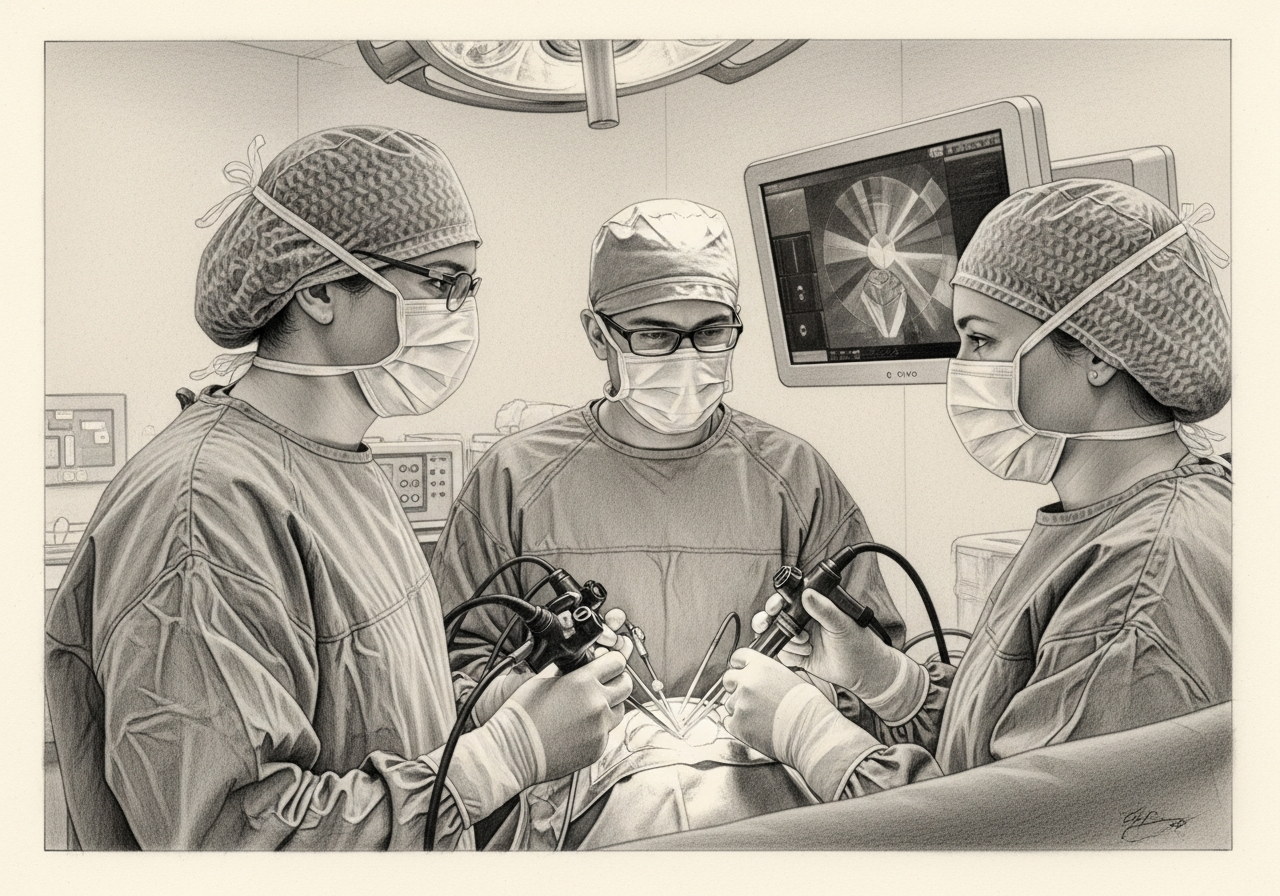
Biologic therapy is an option for selected severe polyp disease. Endoscopic sinus surgery is considered when expected benefits outweigh risks; it commonly opens obstructed pathways, removes indicated inflammatory tissue, and improves access for topical therapy. Surgery is not a replacement for diagnosis or long-term disease control.
Recovery and follow-up
Medical treatment requires consistent technique and follow-up before a response can be judged. After surgery, long-term irrigation, topical treatment, and endoscopic follow-up may still be needed because chronic inflammation can persist.

Risks, limits, and safety
Trade-offs to weigh include:
- Medication side effects
- Persistent or recurrent inflammation
- Bleeding, infection, smell change, or injury to nearby structures with surgery
- Overtreating symptoms caused by another diagnosis
Individual risk depends on anatomy, prior treatment, disease severity, and overall health, and this information does not replace an in-person consent discussion.
What to bring to your consultation
Bringing or securely transferring the records that can change this decision helps make the visit productive:
- Imaging files and reports
- Endoscopy or operative findings
- Pathology results
- Laboratory results
- Prior treatment notes
- A current medication list
- The specific question you want answered
When to seek urgent care
Routine chronic symptoms belong in a scheduled evaluation. Seek urgent care for new eye swelling, vision change, severe frontal headache, neurologic symptoms, high fever with marked illness, or rapidly worsening facial swelling.
Medical review
This page is a patient-education resource reviewed by the responsible Norelle ENT clinician before publication. It does not replace an in-person evaluation. If symptoms are severe or rapidly worsening, seek immediate medical care.
Specialists who treat chronic sinusitis

Dr. Adrian Ong
MD
Board-Certified Facial Plastic & Reconstructive and Head & Neck Surgeon
Dr. Adrian Ong is a board-certified surgeon who practices exclusively on the face, head, and neck, with expertise spanning rhinoplasty, sinus surgery, facial trauma, reconstruction, and sleep surgery.
- Functional and aesthetic rhinoplasty (including revision)
- Sinus surgery and complex revision sinus surgery
- Facial trauma and nasal fractures
- Head and neck cancer surgery and microvascular reconstruction
Also caring for this area


Not sure who to see? Our patient coordination team can help match you with the right specialist.
(212) 444-8006Norelle Academic Work
Research by Our Physicians
Selected scholarly work related to this topic.

Olfactory Outcomes After Endoscopic Sinus Surgery for Chronic Rhinosinusitis: A Meta-Analysis
Otolaryngology–Head and Neck Surgery
Middle turbinate concha bullosa osteoma: A comprehensive review of all reported cases
Otolaryngology Case Reports
Silent sinus syndrome after facial trauma: A case report and literature review
The Laryngoscope
Citation details link to the original PubMed, DOI, journal, or publisher record.
Explore all Norelle research on this topicFrequently Asked Questions
Chronic rhinosinusitis is persistent inflammation of the nose and paranasal sinuses, generally associated with at least 12 weeks of compatible symptoms plus objective evidence on examination, nasal endoscopy, or imaging.
Evaluation combines symptom duration and pattern with nasal endoscopy and, when it will change management, CT imaging. The review should also consider polyps, asthma or AERD, allergy, dental disease, immune factors, migraine, and prior surgery.
Treatment usually begins with evidence-based medical therapy tailored to the phenotype. Surgery is considered when objective disease and symptom burden remain despite appropriate treatment, or when anatomy or complications create a clear procedural indication.
Seek urgent care for new eye swelling, vision change, severe frontal headache, neurologic symptoms, high fever with toxicity, or rapidly worsening facial swelling. Routine chronic symptoms belong in a scheduled evaluation.
Clinical References
These independent resources from medical and professional organizations offer further reading. They are provided for general education and do not replace a consultation with a clinician.
Related Procedures

1 of 2 · Endoscopic Sinus Surgery

Request a consultation for chronic sinusitis
Schedule an evaluation with our team to review your symptoms and the appropriate next steps.