
Overview
Many patients are prescribed CPAP for sleep apnea but struggle to use it because the nose feels blocked, the pressure feels uncomfortable, the mouth falls open, or air leaks at night. Nasal obstruction does not always cause sleep apnea, but it can make CPAP much harder to tolerate.
Norelle ENT evaluates CPAP intolerance by looking for correctable problems in the nasal airway, including septal deviation, turbinate hypertrophy, nasal valve collapse, chronic rhinitis, allergy, and sinus disease. The examination also considers mask fit, pressure settings, and mouth breathing.
Treatment depends on what the evaluation finds. For some patients the answer is improving the nasal airway; for others it is mask refitting, pressure or humidity adjustments, treating allergy or congestion, or considering an oral appliance. The aim is to make effective therapy comfortable enough to use consistently.
Why patients seek this care
Patients look into CPAP intolerance when therapy that is supposed to help instead feels uncomfortable, makes the nose feel blocked, or leads to air leaks and a dry mouth. Many have been told CPAP is the answer for their sleep apnea but find they cannot use it consistently.
An ENT evaluation focuses on a common and underrecognized issue: nasal airflow that limits CPAP comfort. Identifying a correctable cause can make the difference between abandoning therapy and using it reliably.
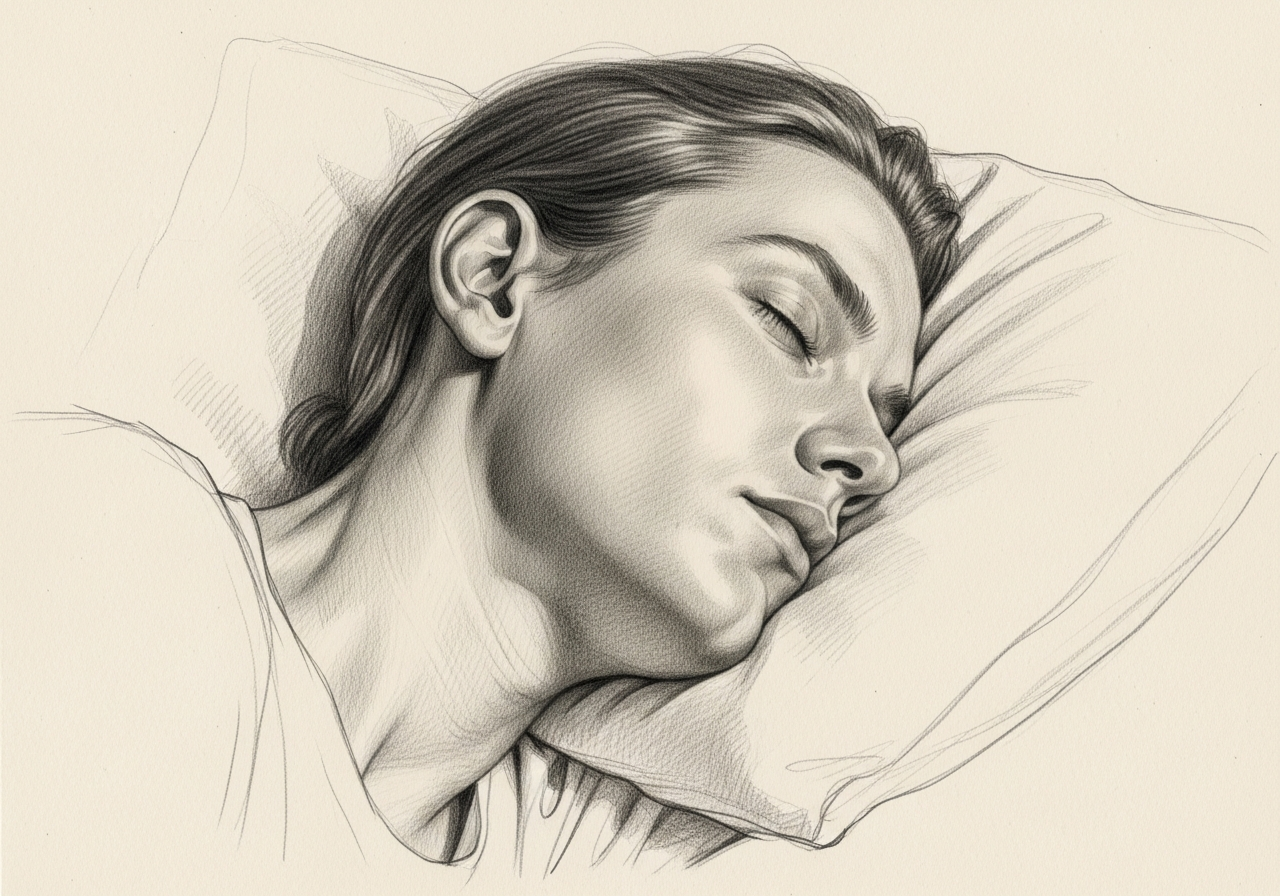
Living with CPAP intolerance? The next step is a quiet, unhurried conversation.
How Norelle ENT evaluates CPAP intolerance
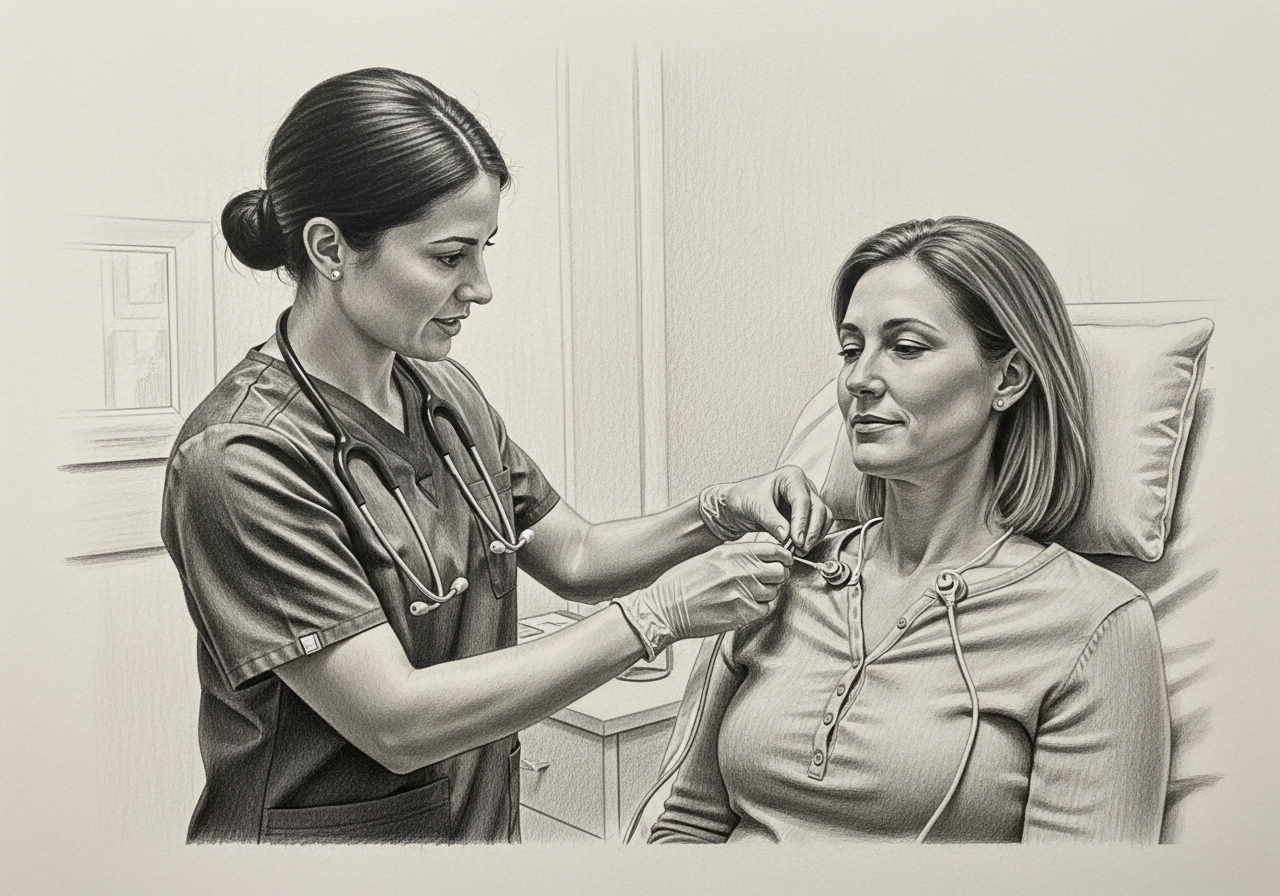
Evaluation begins with a detailed history of how CPAP feels, what settings and mask have been used, and what makes breathing worse. The clinician examines the nose and may use endoscopy to look for septal deviation, turbinate hypertrophy, nasal valve collapse, chronic rhinitis, allergy, and sinus disease.
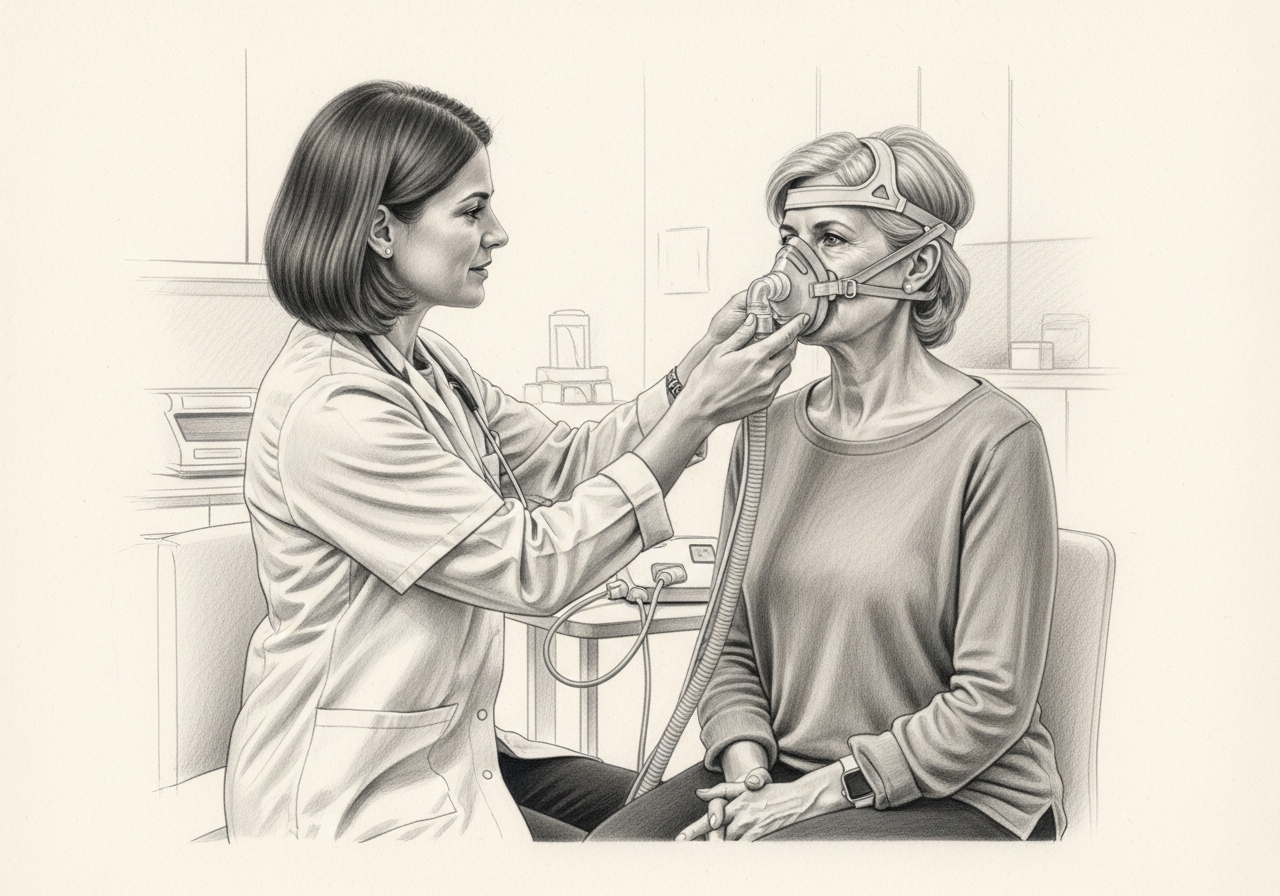
The assessment also considers mouth breathing and mask fit. Reviewing prior sleep studies and CPAP data, when available, helps connect the discomfort to a specific, treatable cause.
Symptoms and clinical patterns
Common patterns include nasal congestion that worsens when lying down, discomfort with the prescribed pressure, frequent air leaks, the mouth falling open at night, and a return to restless, unrefreshing sleep. Congestion can have several overlapping causes, including allergy, turbinate swelling, a deviated septum, nasal valve collapse, and sinus inflammation.
Because one symptom can have more than one cause, the evaluation works to identify which factors are driving the problem for you.
Causes and risk factors
Nasal obstruction that interferes with CPAP may come from a deviated septum, enlarged turbinates, nasal valve collapse, chronic or allergic rhinitis, or sinus disease. Mouth breathing, mask type, and pressure settings can add to the difficulty.
Many patients have more than one contributor, which is why the plan is built around the specific findings rather than a single assumed cause.
Treatment options
Treatment is individualized and usually starts with the least invasive effective option:
- Treating nasal congestion, allergy, or rhinitis with medication
- Mask refitting and adjustments to pressure or humidity
- Septoplasty to straighten a deviated septum
- Turbinate reduction to relieve nasal swelling
- Nasal valve treatment for collapse
- Oral appliance therapy as an alternative when appropriate
Improving the nasal airway can make CPAP more comfortable, though it is not expected to cure sleep apnea on its own.
Risks, limitations, and alternatives
Improving the nasal airway can make therapy easier to tolerate but may not, by itself, resolve sleep apnea, and some patients still need CPAP or an oral appliance. Procedures carry risks such as pain, bleeding, infection, and incomplete improvement.
Alternatives include continued medical management of congestion, mask and pressure adjustments, oral appliance therapy, and referral to sleep medicine. A consultation helps weigh these options for your situation.
Recovery, follow-up, and long-term planning
Recovery depends on the treatment. Medical management of congestion may take a few weeks to show benefit, while nasal procedures involve a short period of nasal care and healing. Follow-up reviews whether CPAP comfort and adherence have improved, with mask or pressure adjustments as needed.
The long-term goal is consistent, comfortable use of effective therapy, confirmed with both your symptoms and objective data when appropriate.

What makes Norelle ENT different
Norelle ENT treats CPAP intolerance as a solvable problem rather than a reason to give up on therapy. The focus is careful diagnosis of the nasal airway, conservative decision-making, and coordination with sleep medicine and dental sleep colleagues so that effective treatment becomes something you can actually use.
Clinical references
- American Academy of Otolaryngology-Head and Neck Surgery (AAO-HNS), Clinical Practice Guideline: Adult Sinusitis: https://www.entnet.org
Medical review
This page is a patient-education resource reviewed by the responsible Norelle ENT clinician before publication. It does not replace an in-person evaluation. If symptoms are severe or rapidly worsening, seek immediate medical care.
Specialists who treat CPAP intolerance

Dr. Adrian Ong
MD
Board-Certified Facial Plastic & Reconstructive and Head & Neck Surgeon
Dr. Adrian Ong is a board-certified surgeon who practices exclusively on the face, head, and neck, with expertise spanning rhinoplasty, sinus surgery, facial trauma, reconstruction, and sleep surgery.
- Functional and aesthetic rhinoplasty (including revision)
- Sinus surgery and complex revision sinus surgery
- Facial trauma and nasal fractures
- Head and neck cancer surgery and microvascular reconstruction
Also caring for this area

Not sure who to see? Our patient coordination team can help match you with the right specialist.
(212) 444-8006Norelle Academic Work
Research by Our Physicians
Selected scholarly work related to this topic.

Transoral Robotic Base of Tongue Reduction for Obstructive Sleep Apnea: A Systematic Review and Meta-Analysis
The Laryngoscope
Hyoid Myotomy and Suspension Without Simultaneous Palate or Tongue Base Surgery for Obstructive Sleep Apnea
World Journal of Otorhinolaryngology–Head and Neck Surgery

Overview of Smartphone Applications for Sleep Analysis
World Journal of Otorhinolaryngology–Head and Neck Surgery
Sleepless and Sleepy: 50 Challenging Sleep Medicine Cases
Springer
Publication trends in obstructive sleep apnea: Evidence of need for more evidence
World Journal of Otorhinolaryngology–Head and Neck Surgery
Expert Consensus Statement: Pediatric Drug-Induced Sleep Endoscopy
Otolaryngology–Head and Neck Surgery
Citation details link to the original PubMed, DOI, journal, or publisher record.
Explore all Norelle research on this topicFrequently Asked Questions
Discomfort often comes from nasal obstruction, mask fit, or pressure settings. When the nose feels blocked, the pressurized air is harder to tolerate, the mouth may fall open, and leaks become more common. An evaluation looks for the specific, correctable reasons therapy feels difficult.
Often, yes. Treating nasal obstruction from a deviated septum, swollen turbinates, nasal valve collapse, or allergy can make CPAP more comfortable and easier to use. It is not expected to cure sleep apnea on its own, so many patients continue CPAP or an oral appliance afterward.
Many patients improve with medical treatment of congestion, mask refitting, and pressure or humidity adjustments. Procedures such as septoplasty or turbinate reduction are considered when a structural problem in the nose is limiting therapy and the expected benefit outweighs the risk.
Bring your CPAP machine settings or data, your mask details, any prior sleep study results, a list of medications, and notes on what feels uncomfortable. These help connect your symptoms to a treatable cause and avoid repeating tests.
The next step may be treating nasal congestion, adjusting your mask or pressure, planning a nasal procedure, or coordinating with sleep medicine or a dental sleep colleague. The first visit usually starts a focused plan rather than ending in a single treatment.
Yes. Depending on your sleep apnea severity and anatomy, alternatives may include oral appliance therapy, positional strategies, and, for selected patients, upper airway procedures. The right option depends on testing, anatomy, and your goals.
Coverage depends on your plan, the diagnosis, and whether a service is considered medically necessary. We can explain the typical documentation involved, and it is best to confirm specific benefits with your insurer and our office before treatment.
Yes. Second opinions are reasonable, especially when prior treatment has not helped or surgery is being considered. You should feel comfortable asking questions and comparing recommendations before deciding.
Related Procedures

Related Conditions

Request a consultation for CPAP intolerance
Schedule an evaluation with our team to review your symptoms and the appropriate next steps.