
Overview
"Fungal sinusitis" includes very different diseases. A noninvasive fungal ball, allergic fungal rhinosinusitis, and invasive fungal infection do not share the same urgency, testing, or treatment, so they must be separated rather than treated as a single diagnosis.
Noninvasive types include allergic fungal rhinosinusitis, in which an allergic reaction to fungus drives thick mucus and polyps, and fungal balls, which are clumps of fungus that collect in a sinus, usually in otherwise healthy people. Invasive fungal sinusitis is uncommon and tends to affect people with weakened immune systems or poorly controlled diabetes, and it is treated as an emergency. Evaluation uses nasal endoscopy and imaging to determine which type is present, because the treatments differ significantly.
What this evaluation should clarify
A focused evaluation should help you understand a few key decisions:
- What objective evidence distinguishes fungal sinusitis from look-alike conditions
- Which anatomic, inflammatory, dental, neurologic, infectious, or tumor-related contributors must be considered
- Which medical, procedural, surgical, or multidisciplinary path best fits the findings and your goals
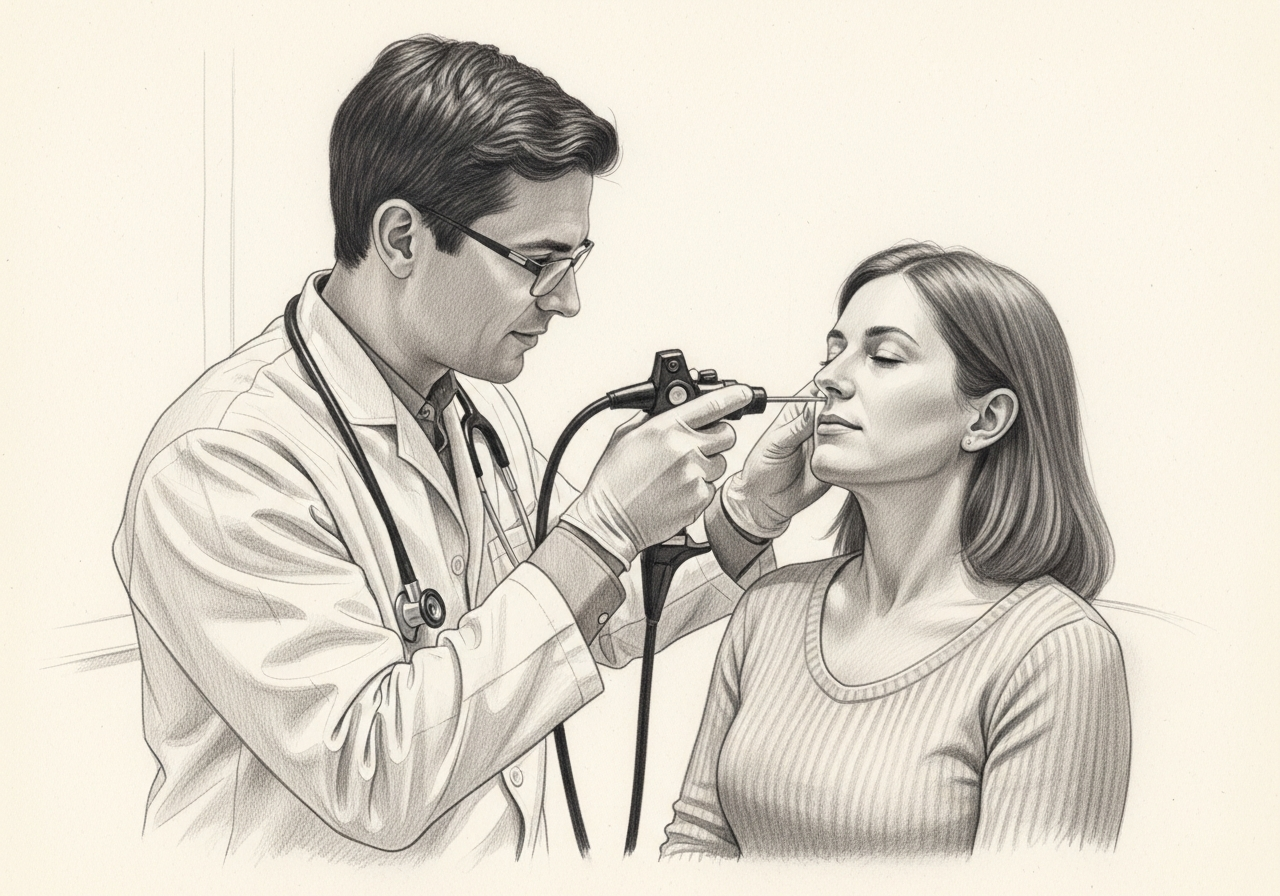
Evaluation and treatment pathway
- Clarify the symptom pattern, duration, triggers, prior treatment, operations, medications, and relevant medical history.
- Evaluation uses risk factors, endoscopy, CT or MRI and, when needed, operative tissue or pathology. Immunocompromise, poorly controlled diabetes, tissue necrosis, severe pain, eye findings, or cranial-nerve symptoms raise concern for invasive disease.
- Identify important look-alikes, complications, and contributors before assigning a definitive diagnosis.
- Noninvasive disease may be treated with endoscopic clearance and management of associated inflammation. Allergic fungal disease often needs surgery plus long-term inflammatory control. Suspected invasive infection requires hospital-level multidisciplinary treatment.
- Set a measurable follow-up plan: symptom goals, objective reassessment, medication response, and imaging or surveillance when appropriate.
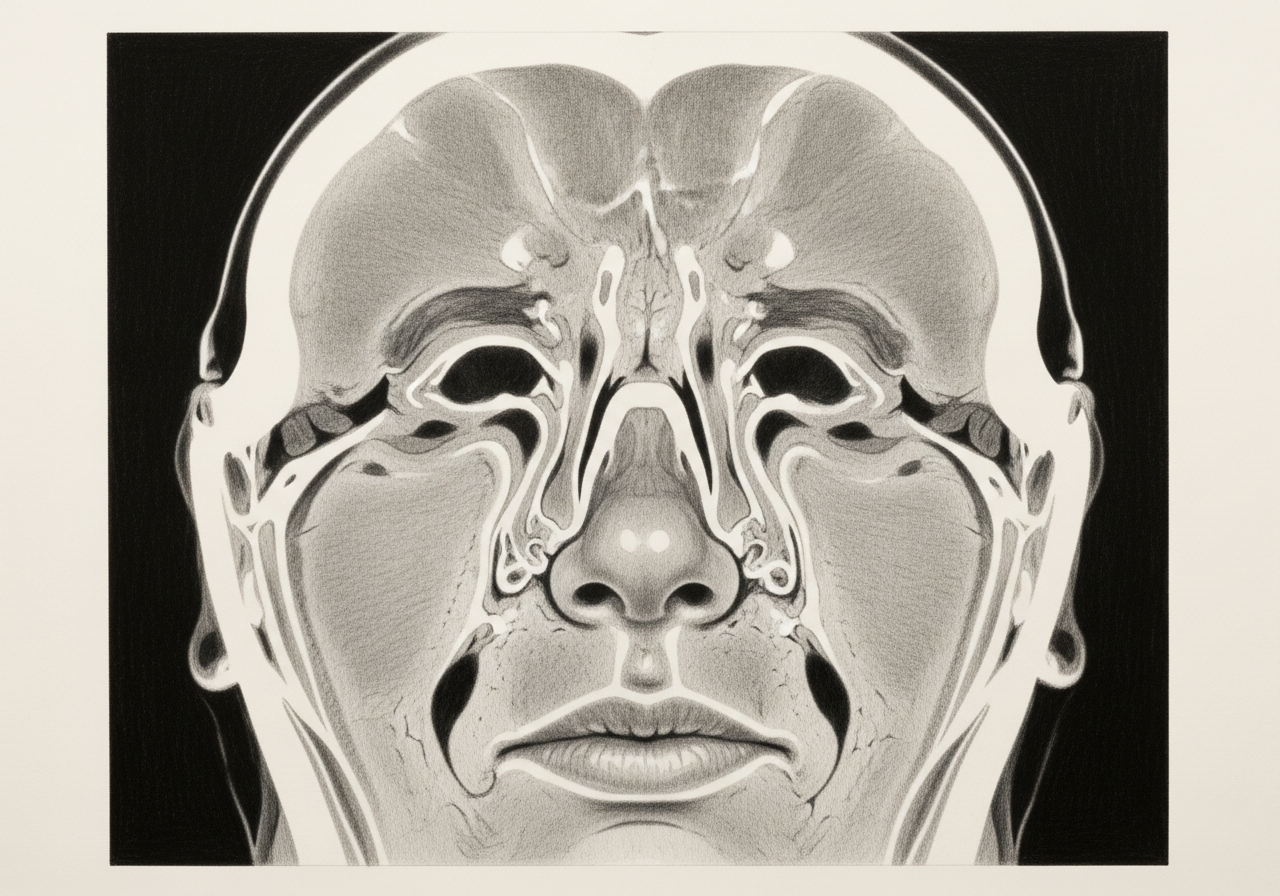
Types of fungal sinusitis
Allergic fungal rhinosinusitis is driven by an allergic response to fungus and often produces nasal polyps and thick mucus, usually in people with allergies or asthma.
A fungal ball is a contained clump of fungus within a single sinus, typically in people with healthy immune systems. Invasive fungal sinusitis is rare and aggressive, occurring mainly in people with weakened immunity or poorly controlled diabetes.

Symptoms
Noninvasive fungal sinusitis often causes chronic congestion, drainage, facial pressure, nasal polyps, and a reduced sense of smell, frequently affecting one side more than the other.
Invasive fungal sinusitis can cause rapidly worsening facial pain, swelling, numbness, vision changes, or dark areas inside the nose, often with fever, and is a medical emergency.
Treatment options
Treatment depends on the type:
- Endoscopic sinus surgery to remove fungal material and improve drainage
- Topical nasal steroid rinses and saline irrigation for allergic fungal disease
- Allergy management when allergy is a driver
- Antifungal medication for selected cases
- Urgent surgery combined with systemic antifungal therapy for invasive disease
Allergic fungal disease often requires ongoing medical therapy after surgery to control inflammation and reduce recurrence.

What to bring to your consultation
Bringing or securely transferring the records that can change this decision helps make the visit productive:
- Imaging files and reports
- Endoscopy or operative findings
- Pathology results
- Laboratory results
- Prior treatment notes
- A current medication list
- The specific question you want answered
When to seek urgent care
Possible invasive fungal sinusitis is an emergency, especially with immune suppression or diabetes plus severe facial pain, black or pale tissue, eye swelling, vision change, facial numbness, cranial-nerve symptoms, fever, or rapid progression. Office scheduling is not the route for suspected invasive disease.
Medical review
This page is a patient-education resource reviewed by the responsible Norelle ENT clinician before publication. It does not replace an in-person evaluation. If symptoms are severe or rapidly worsening, seek immediate medical care.
Specialists who treat fungal sinusitis

Dr. Adrian Ong
MD
Board-Certified Facial Plastic & Reconstructive and Head & Neck Surgeon
Dr. Adrian Ong is a board-certified surgeon who practices exclusively on the face, head, and neck, with expertise spanning rhinoplasty, sinus surgery, facial trauma, reconstruction, and sleep surgery.
- Functional and aesthetic rhinoplasty (including revision)
- Sinus surgery and complex revision sinus surgery
- Facial trauma and nasal fractures
- Head and neck cancer surgery and microvascular reconstruction
Also caring for this area


Not sure who to see? Our patient coordination team can help match you with the right specialist.
(212) 444-8006Frequently Asked Questions
Fungal sinus disease ranges from noninvasive colonization or fungal balls to allergic inflammatory disease and rare invasive infection that can spread beyond the sinuses.
Evaluation uses risk factors, endoscopy, CT or MRI and, when needed, operative tissue or pathology. Immunocompromise, poorly controlled diabetes, tissue necrosis, severe pain, eye findings, or cranial-nerve symptoms raise concern for invasive disease.
Noninvasive disease may be treated with endoscopic clearance and management of associated inflammation. Allergic fungal disease often needs surgery plus long-term inflammatory control. Suspected invasive infection requires hospital-level multidisciplinary treatment.
Possible invasive fungal sinusitis is an emergency, especially with immune suppression or diabetes plus severe facial pain, black or pale tissue, eye swelling, vision change, facial numbness, cranial-nerve symptoms, fever, or rapid progression.
Clinical References
These independent resources from medical and professional organizations offer further reading. They are provided for general education and do not replace a consultation with a clinician.
Related Procedures

1 of 1 · Endoscopic Sinus Surgery
Related Conditions

1 of 3 · Allergic Fungal Rhinosinusitis
Request a consultation for fungal sinusitis
Schedule an evaluation with our team to review your symptoms and the appropriate next steps.