
Overview
Hyperparathyroidism is a condition in which one or more of the four parathyroid glands, located near the thyroid, become overactive and release too much parathyroid hormone. This raises the calcium level in the blood, which can affect the bones, kidneys, and overall well-being. Primary hyperparathyroidism is a biochemical diagnosis, made with blood and related testing rather than with a scan; imaging is used afterward to locate an abnormal gland when an operation is planned.
Many people are diagnosed after a routine blood test shows a high calcium level, sometimes before symptoms appear. Others notice fatigue, bone or joint aches, kidney stones, frequent urination, or difficulty concentrating. The usual cause is a single overactive gland, called an adenoma, though more than one gland can be involved.
Norelle ENT evaluates hyperparathyroidism with blood tests, localization imaging, and assessment of the bones and kidneys, in coordination with endocrinology. When surgery is appropriate, it focuses on removing the overactive gland or glands while protecting the nerves that control the voice and the remaining normal parathyroid tissue.
How we approach the decision
Primary hyperparathyroidism is diagnosed with laboratory testing, and imaging is used afterward to plan an operation. The decisions this care is meant to help you understand are:
- Do the calcium, albumin or ionized calcium, parathyroid hormone, kidney function, vitamin D, and medication history support the diagnosis?
- Are there kidney, bone, age, calcium-level, symptom, or preference-based reasons to consider surgery?
- Does imaging support a focused approach, or should the operation be planned for possible multigland disease?
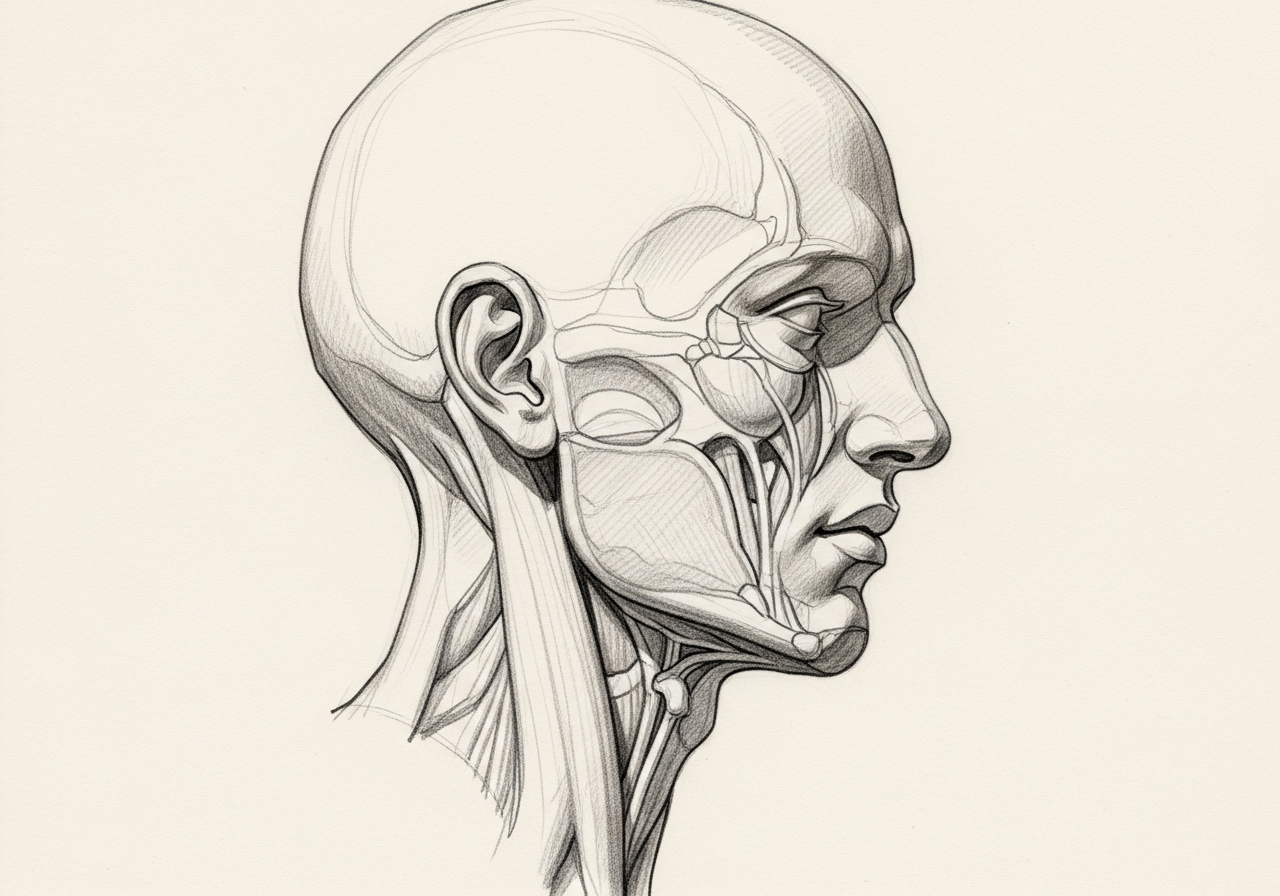
Living with hyperparathyroidism? The next step is a quiet, unhurried conversation.
What happens next
Evaluation usually follows a clear sequence:
- Confirm repeated calcium and parathyroid hormone biochemistry and exclude important mimics.
- Assess kidney function, urinary calcium when appropriate, bone density, kidney stones, fractures, and symptoms.
- Determine whether surgery is indicated or preferred, drawing on the broader picture of parathyroid disease.
- Use ultrasound, sestamibi, 4D CT, or other localization selectively, only after the diagnosis is established.
- Plan a focused or broader exploration with parathyroid surgery, an intraoperative parathyroid hormone strategy, and postoperative calcium monitoring. When thyroid disease is present at the same time, thyroid surgery may be coordinated.
Symptoms and warning signs
Many people have few or no symptoms and are diagnosed after a routine blood test shows high calcium. When symptoms occur, they can include fatigue, bone and joint aches, kidney stones, frequent urination, increased thirst, and difficulty concentrating.
Over time, untreated hyperparathyroidism can weaken bones and contribute to kidney stones, which is part of why evaluation matters even when symptoms are mild.
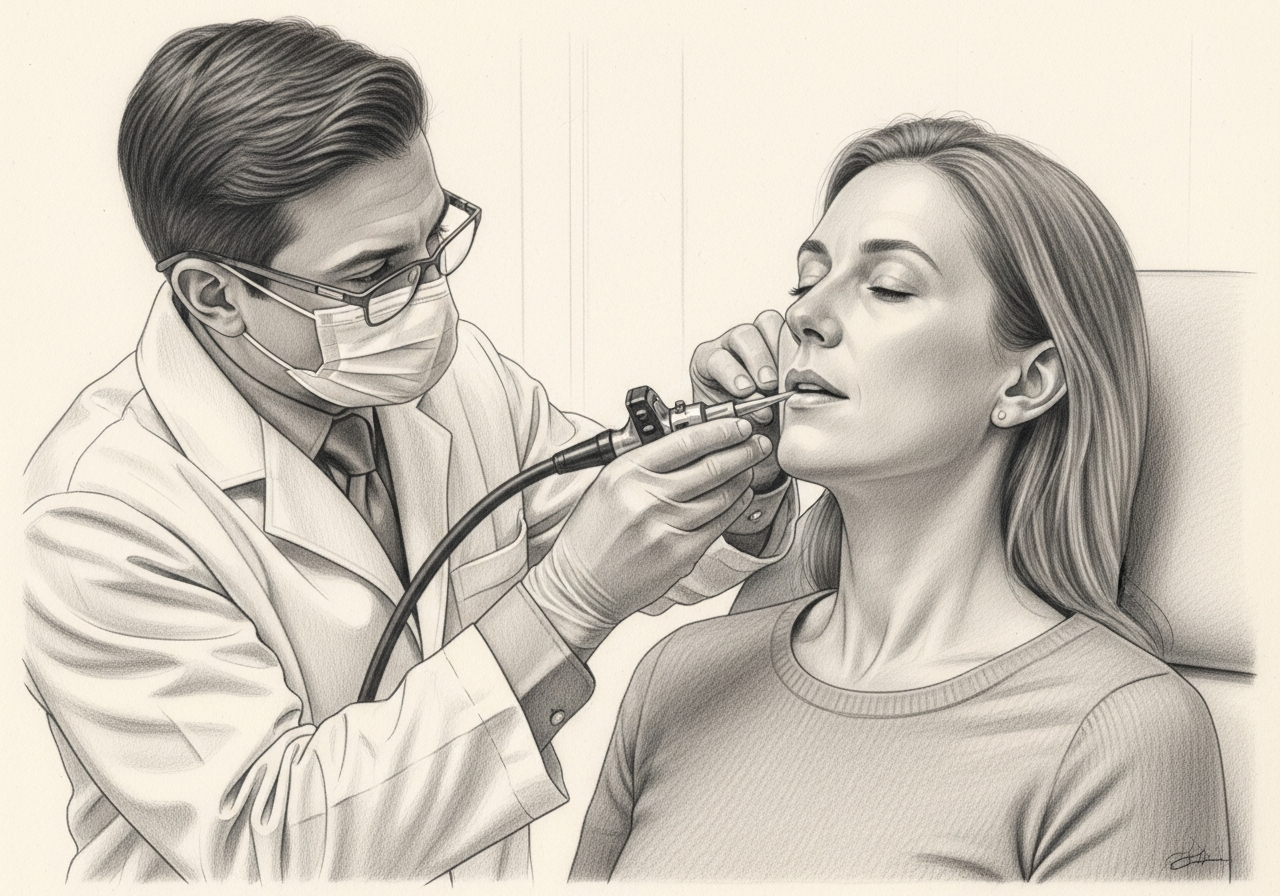
Causes and risk factors
The most common cause is a single overactive parathyroid gland called an adenoma. Less often, several glands are enlarged. Rarely, hyperparathyroidism is linked to an inherited condition.
A clinician will distinguish primary hyperparathyroidism from secondary causes, such as low vitamin D or kidney disease, because the treatment differs.
How it is diagnosed
Diagnosis is based on blood tests showing high parathyroid hormone together with high calcium. Additional evaluation defines the impact and helps plan treatment:
- Vitamin D and kidney function testing
- Bone density assessment
- Twenty-four-hour urine calcium in some cases
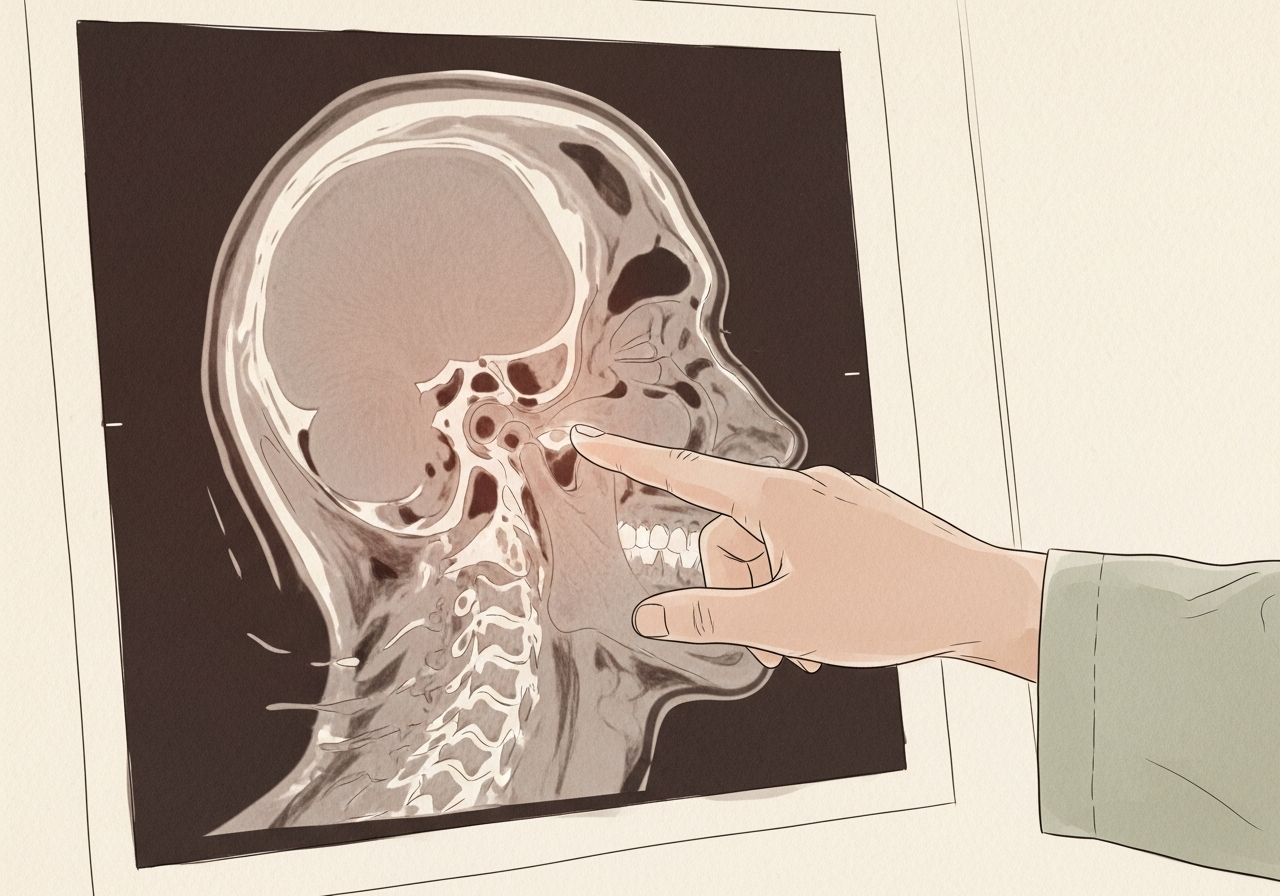
- Localization imaging such as neck ultrasound and a sestamibi scan when surgery is planned
Localization helps the surgeon target the overactive gland.
Treatment options
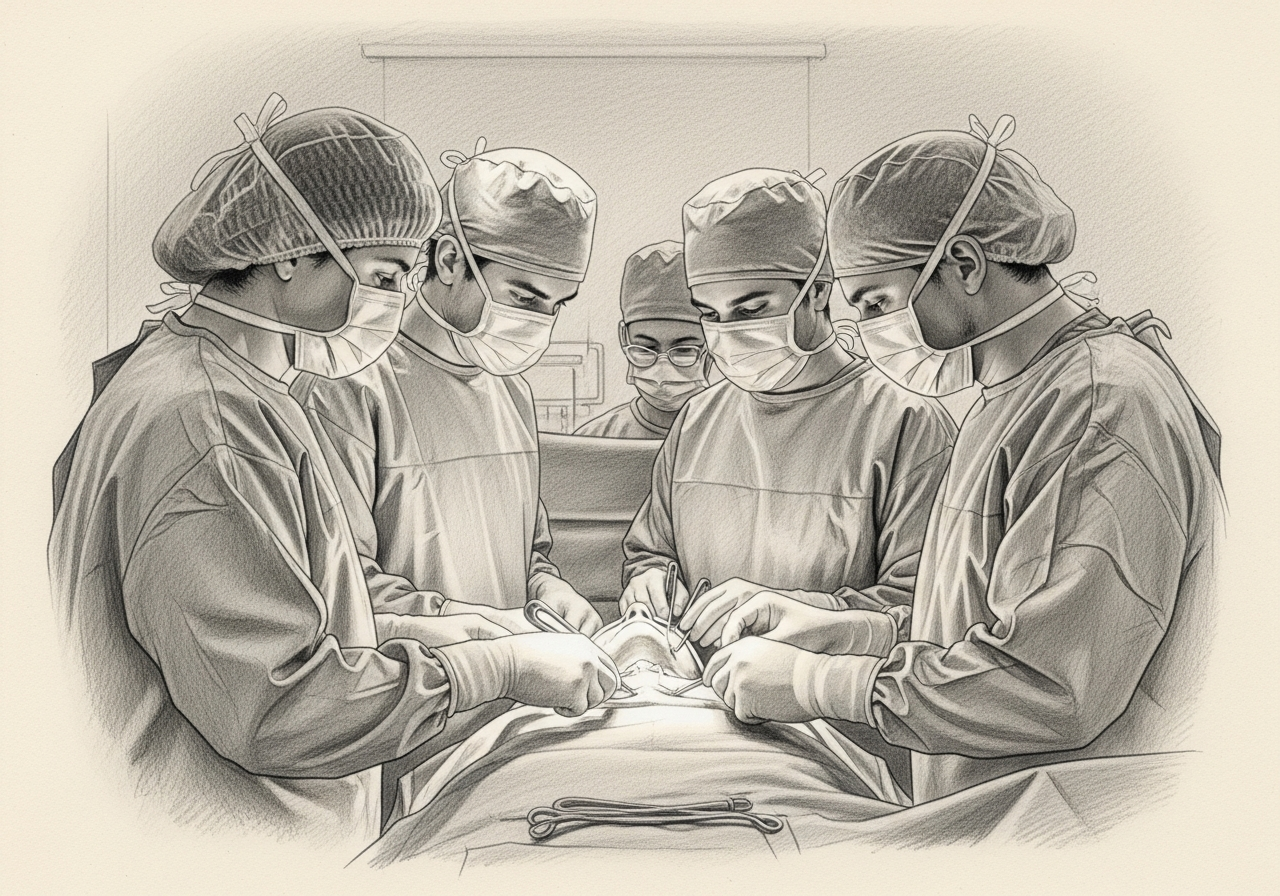
The definitive treatment for primary hyperparathyroidism is surgery to remove the overactive gland. Many patients are candidates for a focused, minimally invasive parathyroidectomy when imaging localizes a single gland.
Selected patients with mild disease and no complications may be monitored with periodic blood tests and bone assessment, in coordination with endocrinology. Surgery is planned to protect the nerves that control the voice and to preserve normal parathyroid tissue.
When to seek urgent care
Use these categories to guide timing:
- Emergency, meaning call 911 or go to the nearest emergency department: confusion, severe weakness, persistent vomiting, marked dehydration, or heart-rhythm symptoms that can accompany very high calcium.
- Same-day or urgent evaluation: rapidly worsening symptoms or a markedly abnormal calcium level reported by your clinician.
- Routine specialist evaluation: an elevated calcium level found on testing, kidney stones, bone thinning, or symptoms such as fatigue and frequent urination.
The online consultation form is for routine scheduling and is not an emergency service.
Clinical perspective
Our head and neck surgeons emphasize diagnosis before localization. A scan does not diagnose hyperparathyroidism; the diagnosis is biochemical, and imaging is used to locate an abnormal gland once the diagnosis and the decision to operate are established. Laboratory patterns are interpreted together, including primary hyperparathyroidism, secondary elevation from low vitamin D or kidney disease, the possibility of familial hypocalciuric hypercalcemia, and medication effects.
Factors that generally favor surgery include guideline-based indications such as a high calcium level, reduced kidney function, kidney stones, or low bone density, along with symptoms and patient preference. Factors that call for caution include conditions that mimic primary disease and medical issues that affect anesthesia or healing.
What commonly changes the recommendation is repeat biochemistry, the results of localization imaging, and a patient's own priorities. Candidacy is determined individually after specialist review rather than from a general rule. Symptoms that are not specific to high calcium have many causes and may not resolve with surgery.
What to bring to your consultation
Bringing the right records makes a consultation more efficient. Helpful items include:
- Prior imaging and the written reports
- Laboratory results, including calcium, parathyroid hormone, vitamin D, and kidney function
- Bone density results when available
- Treatment notes from any prior care
- A current medication list
- The specific decision you want the consultation to answer
A head and neck second opinion can review the diagnosis and any proposed operation before treatment. Request a consultation for a focused review of the diagnosis, the available options, the likely tradeoffs, and the steps needed before treatment. For urgent symptoms, follow the guidance above rather than using the routine form.
Medical review
This page is a patient-education resource reviewed by the responsible Norelle ENT clinician before publication. It does not replace an in-person evaluation. If symptoms are severe or rapidly worsening, seek immediate medical care.
Specialists who treat hyperparathyroidism

Dr. Moustafa Mourad
MD, FACS
Double Board-Certified Head & Neck and Facial Plastic & Reconstructive Surgeon
Dr. Moustafa Mourad is a double board-certified head and neck and facial plastic and reconstructive surgeon who cares for the full range of cosmetic and complex conditions affecting the face, head, and neck.
- Facial plastic and reconstructive surgery
- Head and neck cancer surgery
- Microvascular free-flap reconstruction
- Facial trauma and reconstruction
Also caring for this area

Not sure who to see? Our patient coordination team can help match you with the right specialist.
(212) 444-8006Frequently Asked Questions
It is overactivity of one or more of the four parathyroid glands, which raises blood calcium. The usual cause is a single benign overactive gland, and it is often found through routine blood tests.
Diagnosis is based on blood tests showing high parathyroid hormone with high calcium. Additional tests assess vitamin D, kidney function, and bone density, and localization imaging is used when surgery is planned.
Not always. Surgery is the definitive treatment, but selected patients with mild disease and no complications may be monitored. The decision depends on calcium levels, symptoms, bone health, and kidney status.
When imaging localizes a single overactive gland, a focused, minimally invasive operation can often remove it. Surgery is planned to protect the nerves that control the voice and preserve normal parathyroid tissue.
Persistently high calcium from hyperparathyroidism can weaken bones and contribute to kidney stones over time. Evaluation helps decide whether treatment is needed to prevent these effects.
Removing the overactive gland is intended to correct the calcium level. Calcium is monitored after surgery, and your team will review your individual situation, since results depend on the specifics of the disease.
The parathyroid glands sit near the thyroid but have a different function. They can be evaluated together, and thyroid conditions such as nodules or goiter may be assessed at the same time.
No. The diagnosis is biochemical, based on blood testing. Imaging helps locate abnormal glands for surgical planning after the diagnosis and the decision for surgery are established.
Parathyroidectomy is the definitive treatment, although observation or medical management may be appropriate for selected patients.
Both can influence parathyroid hormone and calcium interpretation and are important for diagnosis and for planning around surgery.
It is an inherited condition that can resemble primary hyperparathyroidism but is usually not treated with parathyroid surgery. Urine calcium and clinical context can help identify it.
Many patients improve, especially when symptoms are directly related to high calcium, but nonspecific symptoms have multiple causes and may not resolve, so outcomes cannot be guaranteed.
Clinical References
These independent resources from medical and professional organizations offer further reading. They are provided for general education and do not replace a consultation with a clinician.
Related Resources
Related Procedures

Related Conditions

Request a consultation for hyperparathyroidism
Schedule an evaluation with our team to review your symptoms and the appropriate next steps.