
About the Procedure
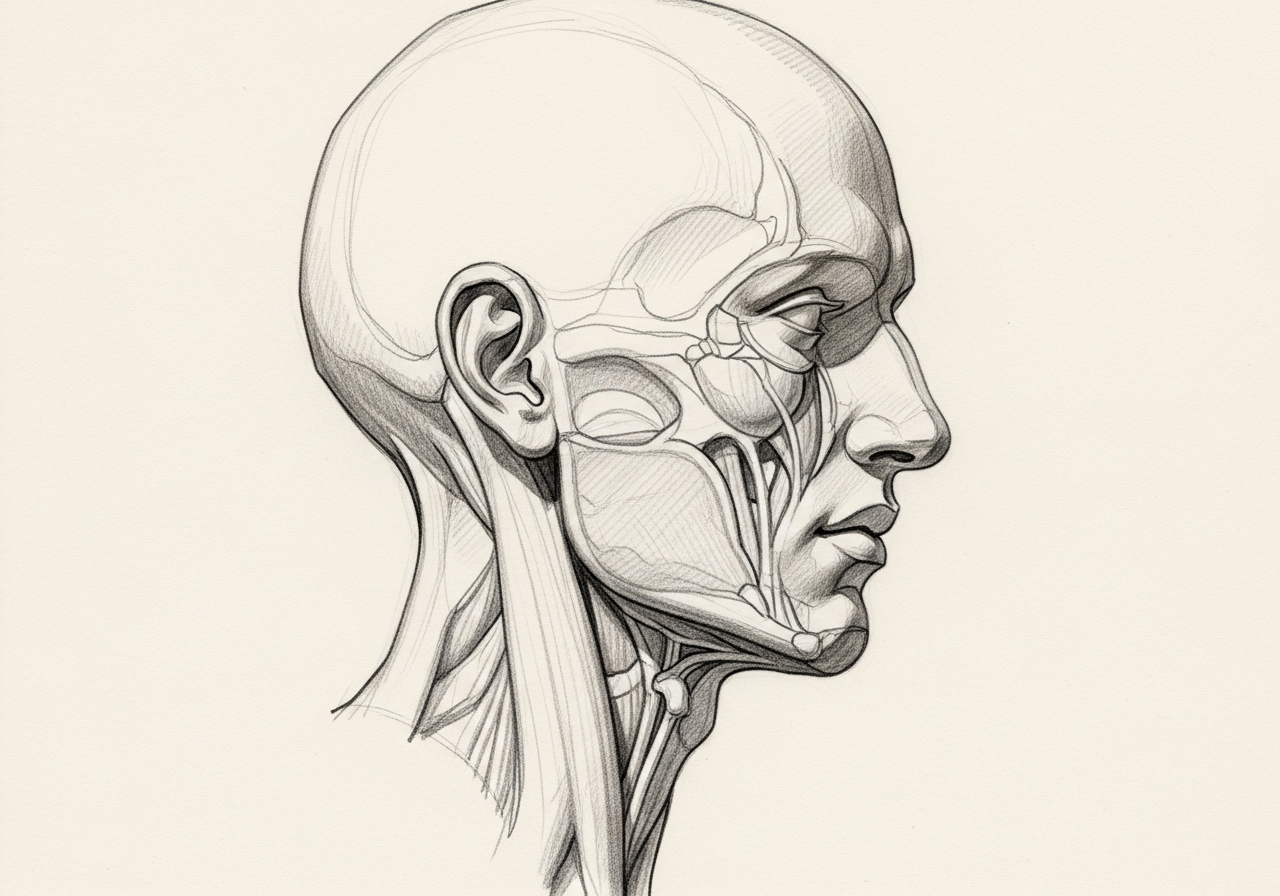
Parathyroid surgery treats primary hyperparathyroidism, a condition in which one or more of the four small parathyroid glands in the neck become overactive and release too much parathyroid hormone. This raises blood calcium and can lead to bone loss, kidney stones, fatigue, and other symptoms.
Most cases are caused by a single benign overactive gland, and removing it can correct the calcium imbalance. Before surgery, blood tests confirm the diagnosis, and imaging such as ultrasound and a sestamibi scan or 4D CT may help locate the abnormal gland so the operation can be focused and efficient.
Norelle ENT approaches parathyroid surgery with careful confirmation of the diagnosis, localization when possible, and attention to protecting the nearby nerves to the voice box and the remaining healthy glands. The right plan is made with endocrinology when appropriate and depends on calcium and hormone levels, imaging, symptoms, and overall health.
How we approach the decision
Parathyroid surgery is the definitive treatment for primary hyperparathyroidism, and planning starts with confirming the diagnosis. A consultation helps clarify several points.
- Is the diagnosis of hyperparathyroidism confirmed biochemically rather than from imaging alone?
- Has imaging localized a single abnormal gland, making a focused operation possible?
- Are there features of multiple-gland or inherited parathyroid disease that favor bilateral exploration?
These answers shape whether and how surgery is planned, often with endocrinology.
Considering parathyroid surgery? The next step is a quiet, unhurried conversation.
What happens next
Care usually follows a sequence.
- Confirm the diagnosis with repeated calcium and parathyroid hormone testing and assessment of kidney function and vitamin D.
- Use ultrasound, sestamibi, or 4D CT to localize an abnormal gland.
- Plan a focused parathyroidectomy or bilateral exploration, sometimes alongside thyroid surgery when both glands are involved.
- Use intraoperative parathyroid hormone testing to confirm the overactive tissue is removed.
- Monitor calcium afterward and arrange bone-density and endocrine follow-up. A head and neck second opinion can help when prior surgery did not cure the disease.
When to seek urgent care
After parathyroid surgery, some symptoms need prompt attention.
- Emergency: breathing difficulty, significant bleeding, or rapid neck swelling needs emergency care.
- Same-day: numbness or tingling around the mouth or in the hands and feet, muscle cramps, fever, or spreading redness should prompt a same-day call to the surgical team.
- Routine: mild throat soreness, voice tiredness, and numbness near the incision can be reviewed at a scheduled visit.
The online consultation form is not an emergency service.
Who may be a candidate
Surgery is the definitive treatment for primary hyperparathyroidism and may be recommended when the diagnosis is confirmed and symptoms or complications are present.
- Symptoms such as fatigue, bone pain, or kidney stones
- High blood calcium with elevated parathyroid hormone
- Low bone density or fractures
- Reduced kidney function or kidney stones
- Younger age at diagnosis
The decision is individualized and often made with endocrinology.
How it is performed
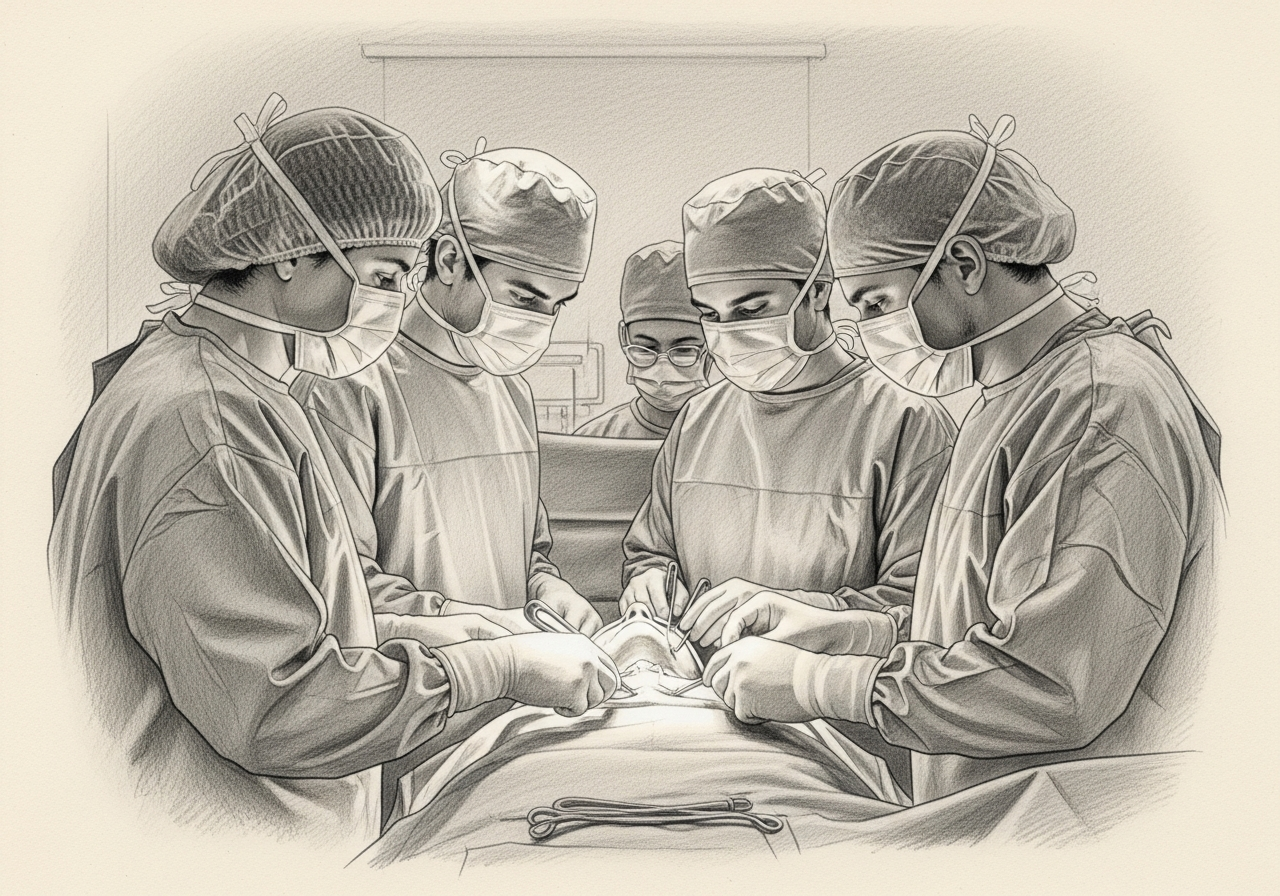
Surgery is performed under anesthesia through a small incision in the lower neck. When imaging localizes a single abnormal gland, a focused (minimally invasive) operation can remove that gland through a limited incision.
Intraoperative parathyroid hormone testing may be used to confirm that the overactive tissue has been removed, since the hormone level falls quickly once the abnormal gland is gone. When more than one gland is involved or localization is unclear, the surgeon may examine all four glands.
Recovery and aftercare
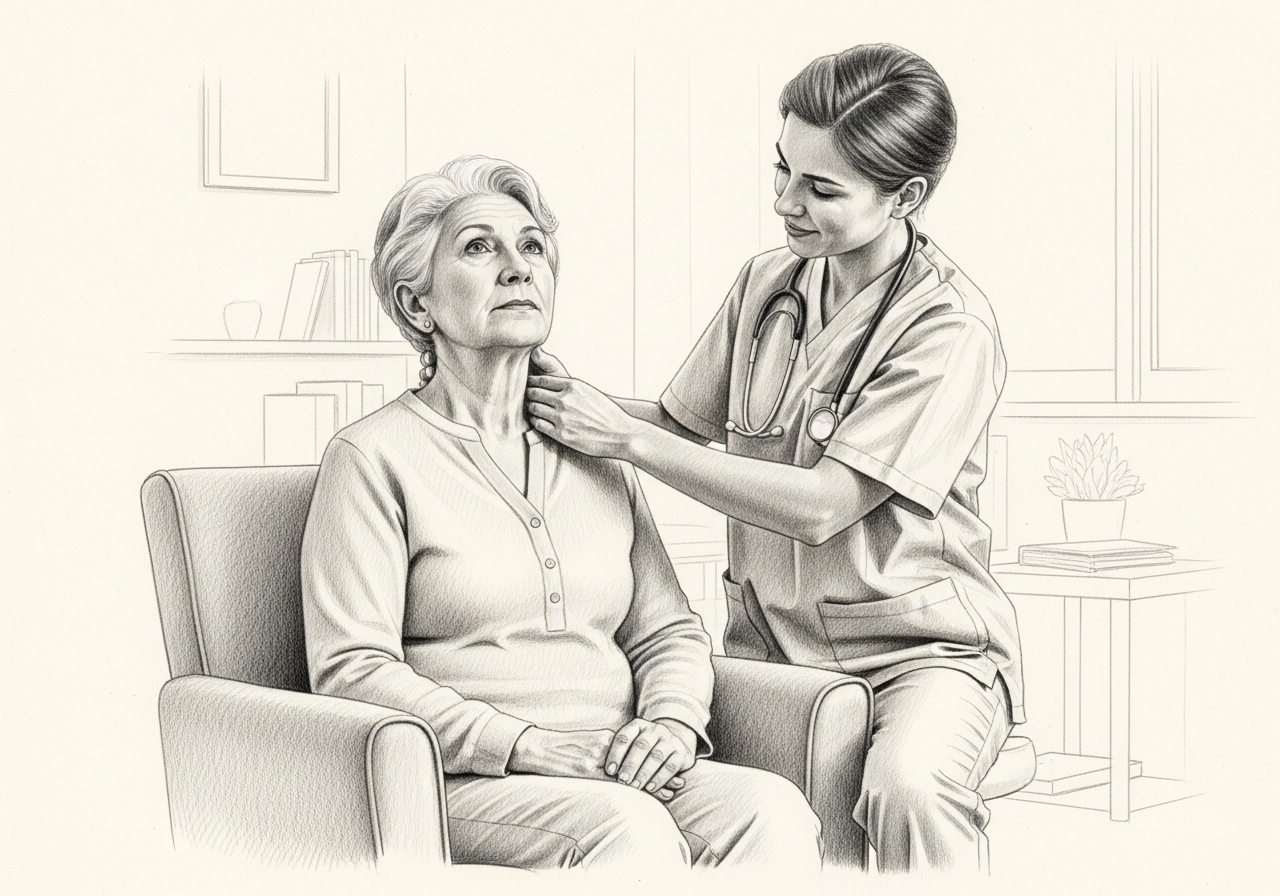
Many patients go home the same day or after a short stay. Temporary effects can include a sore throat, mild voice changes, and numbness near the incision.
Calcium and sometimes vitamin D levels are monitored after surgery, and temporary calcium supplements may be needed while the remaining glands adjust. Most patients resume normal activity within one to two weeks, following specific instructions for wound care and activity.
Risks and alternatives
Risks may include bleeding, infection, temporary or, less commonly, lasting changes in the voice from irritation of the nerve to the voice box, low calcium requiring supplementation, scarring, and the possibility that abnormal tissue is not localized to a single gland, requiring a more extensive exploration.
Alternatives include monitoring with periodic blood tests and bone density measurement in selected mild cases, and medical management of calcium. Surgery is the only definitive cure for primary hyperparathyroidism.
Confirming the diagnosis
Hyperparathyroidism is diagnosed with laboratory testing, not from imaging alone. Evaluation typically includes repeated measurements of calcium and parathyroid hormone, along with assessment of kidney function, vitamin D, medications, and other causes of abnormal calcium.
Urine calcium, bone density testing, and kidney imaging may be considered. The biochemical pattern differs among primary, secondary, and tertiary hyperparathyroidism, and the type influences whether and how surgery is planned, often in coordination with endocrinology.
Localization studies
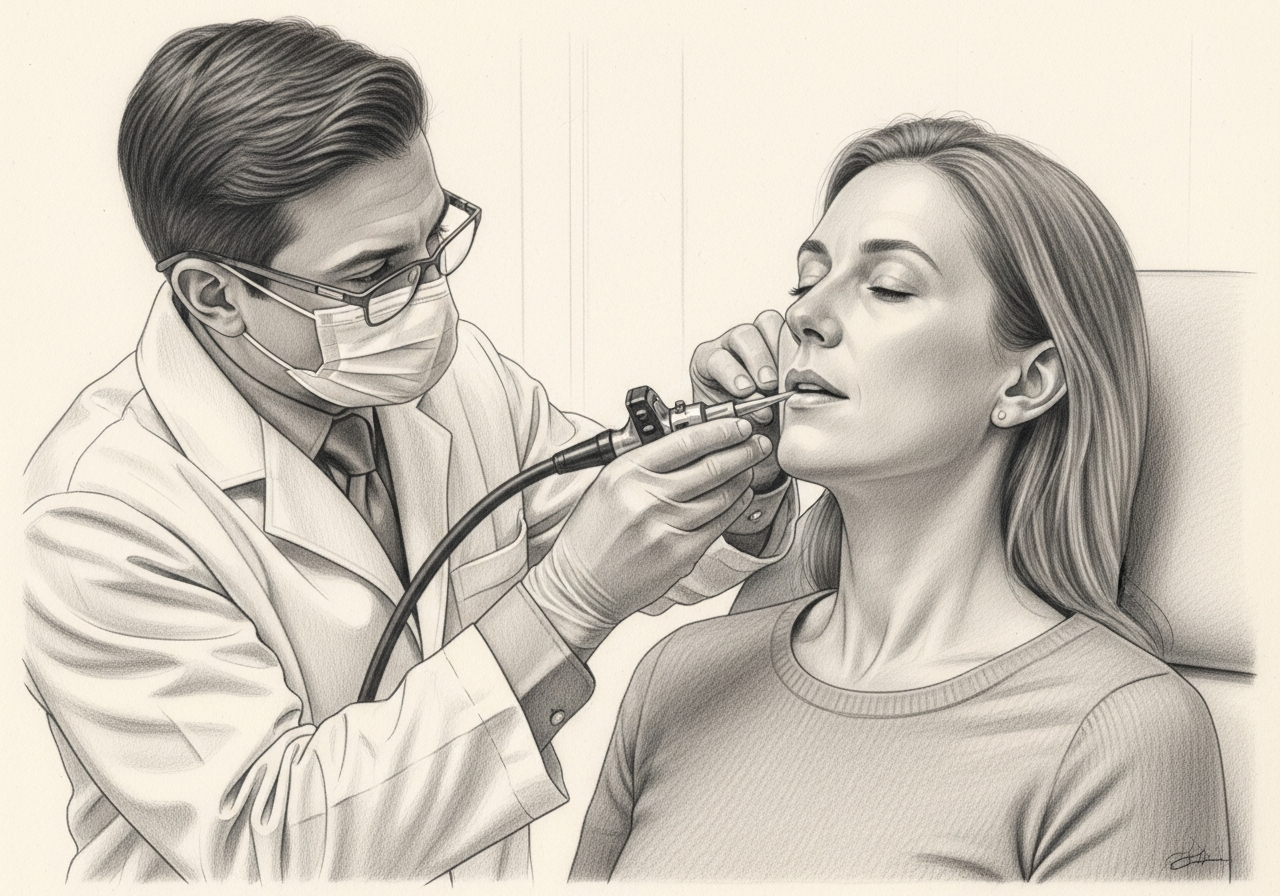
Once the diagnosis is established, imaging helps the surgeon locate an abnormal gland and choose the operative approach. Ultrasound, a sestamibi scan, 4D CT, or other studies may be used.
A negative or unclear study does not rule out the diagnosis or make surgery impossible; it may instead influence whether a focused operation or a broader bilateral exploration is planned. Reoperative parathyroid surgery often requires additional localization because scar tissue and altered anatomy increase the difficulty.
Focused versus bilateral exploration
A focused parathyroidectomy targets a single localized abnormal gland through a limited exploration. A bilateral exploration evaluates the expected locations of all four glands and may be preferred when multiple-gland disease is suspected or when imaging is not reliable.
The surgeon decides based on laboratory findings, imaging, any family syndromes, and prior surgery. The operative plan may change during surgery if the findings do not match what imaging predicted.
Results and follow-up
When the overactive gland is removed, calcium and parathyroid hormone typically return toward normal. Follow-up confirms that calcium has normalized and monitors the voice and the incision.
Longer-term follow-up may include bone density monitoring and coordination with endocrinology, particularly for patients who had complications such as kidney stones or bone loss. Persistent or recurrent disease is reassessed rather than assumed from a single early laboratory result.
Clinical perspective
Our head and neck surgeons treat parathyroid disease as a biochemical diagnosis first and a localization problem second, because imaging supports the operation but does not establish the diagnosis. Factors that influence the plan include the calcium and parathyroid hormone pattern, the results of localization studies, suspected multiple-gland or inherited disease, prior neck surgery, and overall health. A focused operation suits a single localized gland, while unclear imaging or multiple-gland disease may call for bilateral exploration, and intraoperative hormone testing helps confirm cure. The right approach requires individualized specialist review.
What to bring to your consultation
For a focused review, gather prior calcium and parathyroid hormone results, vitamin D and kidney function tests, bone density reports, any localization imaging, operative notes from prior neck surgery, and a current medication list. A consultation can clarify whether the diagnosis is confirmed, whether a gland has been localized, the likely operative approach, and the steps needed before treatment. For urgent symptoms, follow the guidance above rather than using the routine form.
Medical review
This page is a patient-education resource reviewed by the responsible Norelle ENT clinician before publication. It does not replace an in-person evaluation. If symptoms are severe or rapidly worsening, seek immediate medical care.
Specialists who perform parathyroid surgery
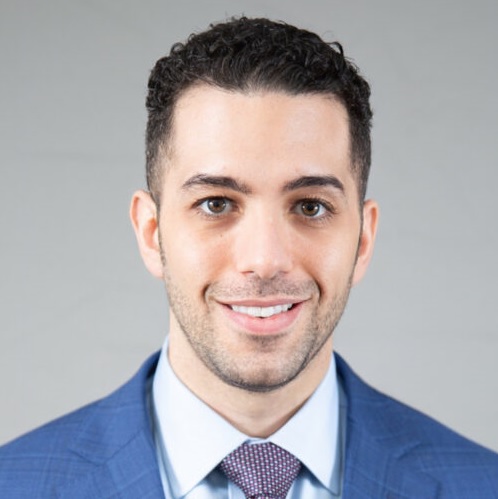
Dr. Moustafa Mourad
MD, FACS
Double Board-Certified Head & Neck and Facial Plastic & Reconstructive Surgeon
Dr. Moustafa Mourad is a double board-certified head and neck and facial plastic and reconstructive surgeon who cares for the full range of cosmetic and complex conditions affecting the face, head, and neck.
- Facial plastic and reconstructive surgery
- Head and neck cancer surgery
- Microvascular free-flap reconstruction
- Facial trauma and reconstruction
Also caring for this area
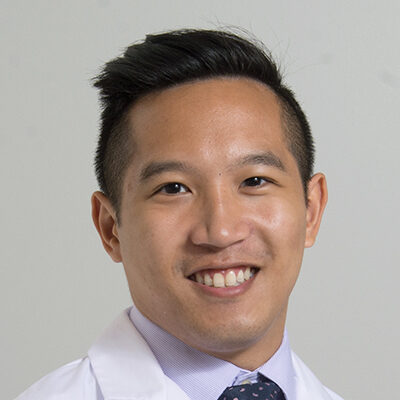

Not sure who to see? Our patient coordination team can help match you with the right specialist.
(212) 444-8006Frequently Asked Questions
It measures parathyroid hormone during surgery. Because the hormone falls quickly once the overactive gland is removed, a drop helps confirm that the abnormal tissue has been taken out.
A focused operation removes a single localized gland through a limited incision, while bilateral exploration evaluates all four glands and may be chosen when imaging is unclear or multiple-gland disease is suspected.
The four parathyroid glands in the neck produce parathyroid hormone, which regulates calcium in the blood and bones. When one or more become overactive, calcium can rise too high.
No. Blood and related biochemical testing establish the diagnosis. Imaging is used to localize an abnormal gland for surgical planning after the diagnosis is confirmed.
Surgery may still be possible. The surgeon may recommend additional imaging or a bilateral exploration of all four glands depending on the biochemical diagnosis and any prior treatment.
Persistent or recurrent disease can occur, particularly with multiple-gland disease, inherited syndromes, or an unrecognized gland. Long-term laboratory follow-up may be needed.
Surgery treats primary hyperparathyroidism, usually caused by a single overactive gland. It is recommended when there are symptoms or complications such as bone loss, kidney stones, or reduced kidney function.
Imaging such as neck ultrasound and a sestamibi scan or 4D CT can help locate an overactive gland before surgery, allowing a focused operation when a single gland is identified.
Often it is a focused, minimally invasive procedure through a small neck incision, frequently performed as outpatient or short-stay surgery, though more extensive exploration is sometimes needed.
The nerves to the voice box are near the parathyroid glands. Surgeons work to protect them, but temporary or, less commonly, lasting voice changes can occur.
Calcium is monitored after surgery, and temporary calcium and vitamin D supplements are sometimes needed while the remaining glands adjust.
Mild cases may be monitored with periodic blood tests and bone density measurement, and medications can help manage calcium, but surgery is the only definitive cure.
Parathyroid hormone falls quickly once the overactive gland is removed, and calcium usually returns toward normal in the days after surgery, confirmed by follow-up testing.
Clinical References
These independent resources from medical and professional organizations offer further reading. They are provided for general education and do not replace a consultation with a clinician.
Related Resources
Related Conditions

Related Procedures

Request a consultation about parathyroid surgery
Schedule a consultation with our team to discuss whether this procedure is the right option for you.