
Overview
A one-sided nasal or sinus mass should not be assumed to be an ordinary inflammatory polyp. Inverted papilloma is usually benign but can recur and may coexist with malignancy, while other benign and malignant tumors require different biopsy, imaging, and treatment pathways.
What this evaluation should clarify
A focused evaluation should help you understand a few key decisions:
- What objective evidence distinguishes inverted papilloma and sinonasal tumors from look-alike conditions
- Which anatomic, inflammatory, dental, neurologic, infectious, or tumor-related contributors must be considered
- Which medical, procedural, surgical, or multidisciplinary path best fits the findings and your goals
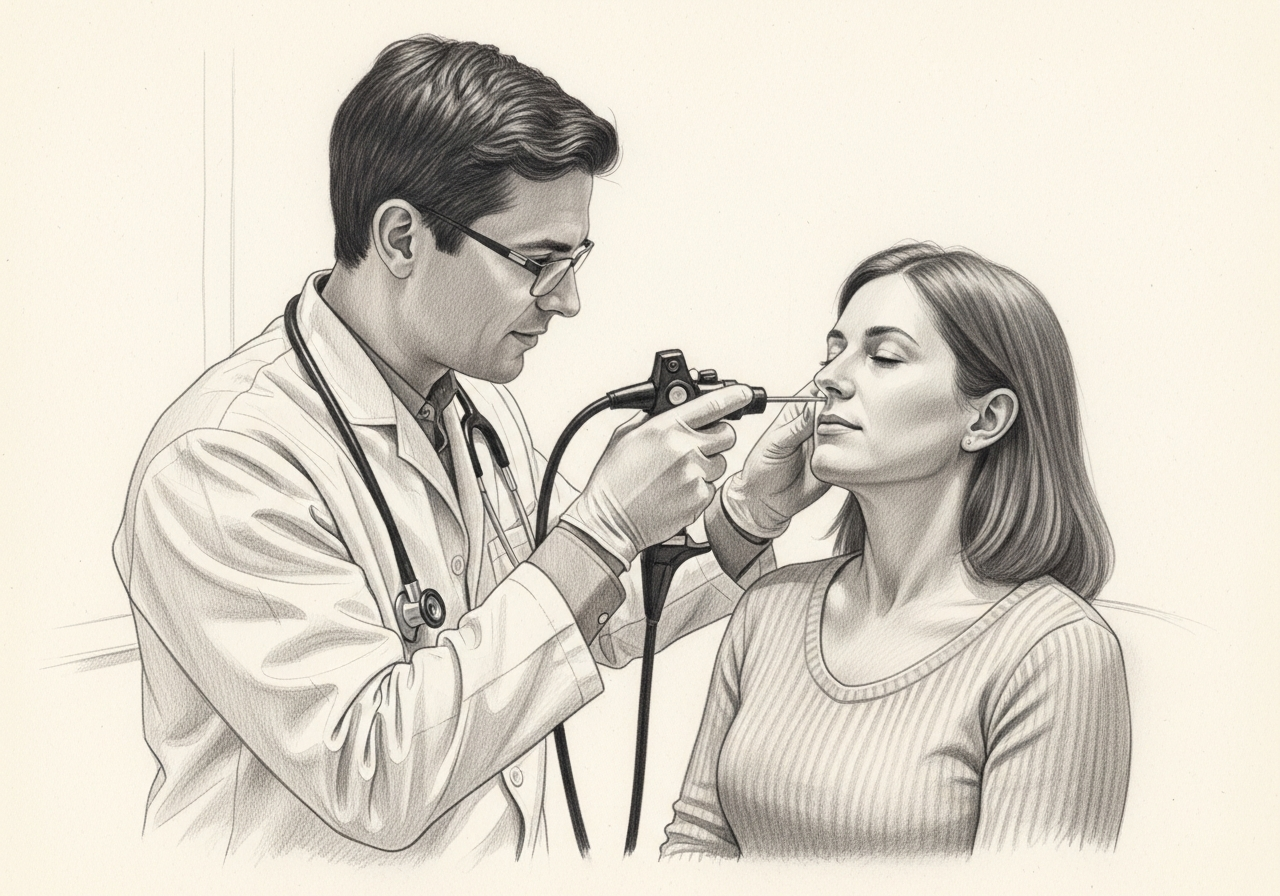
Living with inverted papilloma and sinonasal tumors? The next step is a quiet, unhurried conversation.
Evaluation and treatment pathway
- Clarify the symptom pattern, duration, triggers, prior treatment, operations, medications, and relevant medical history.
- Evaluation uses endoscopy, CT, and often MRI to define the mass, bone change, attachment, and extension. Biopsy and expert pathology establish the diagnosis, with care taken when vascular lesions or skull-base continuity are possible.
- Identify important look-alikes, complications, and contributors before assigning a definitive diagnosis.
- Treatment is pathology-specific. Inverted papilloma is commonly removed with attention to its site of attachment and followed with endoscopic surveillance, while malignant or vascular tumors require dedicated multidisciplinary planning.
- Set a measurable follow-up plan: symptom goals, objective reassessment, medication response, and imaging or surveillance when appropriate.
Symptoms
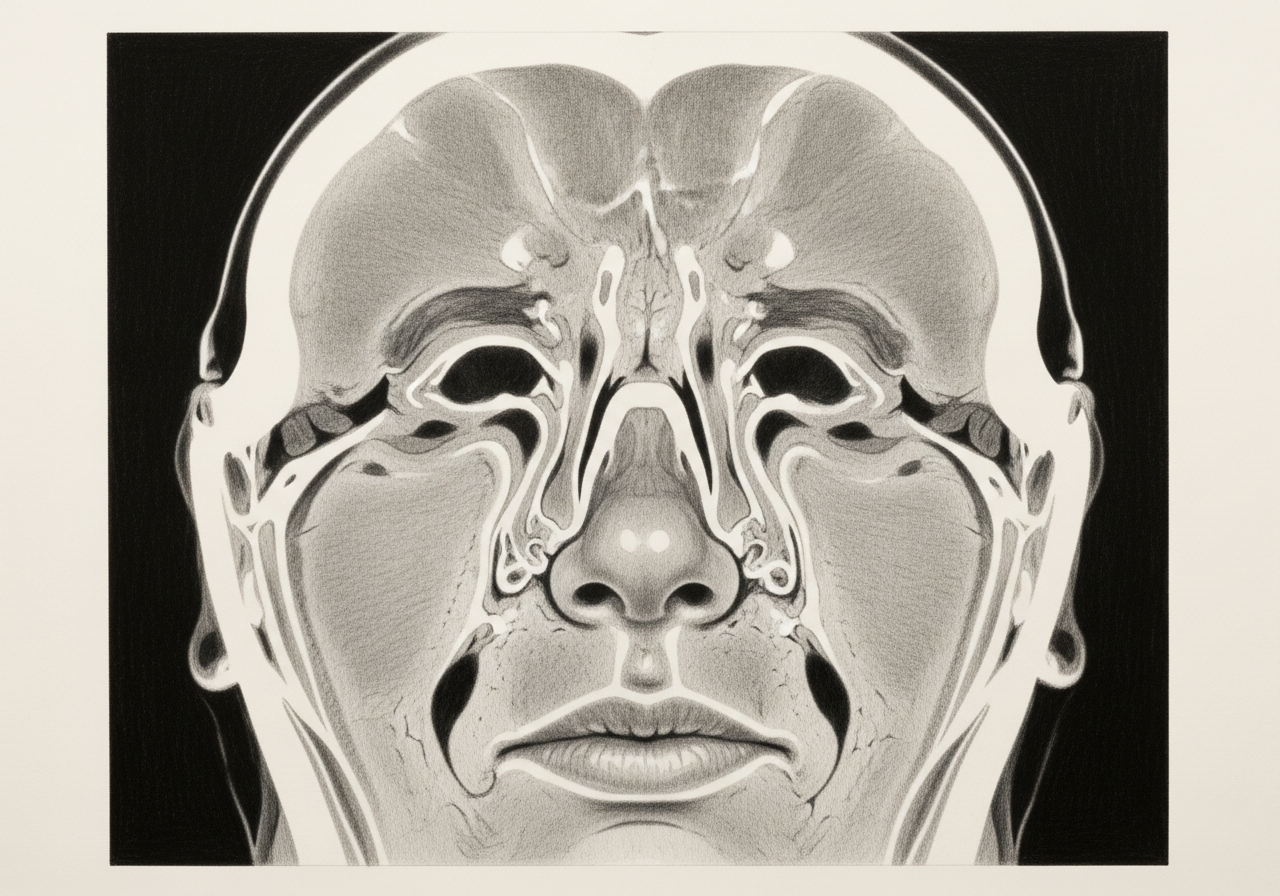
The most common pattern is nasal blockage or drainage that affects one side. Recurrent nosebleeds from one nostril, a reduced sense of smell, and facial pressure can also occur.
More advanced tumors can cause eye symptoms, facial numbness, or a visible mass. Persistent one-sided symptoms should be evaluated rather than assumed to be routine sinusitis.
What inverted papilloma is
Inverted papilloma is a benign tumor that grows from the sinonasal lining and is described as locally aggressive because it can extend into surrounding bone and tissue. It typically affects one side of the nose.
Two features make complete removal important: inverted papilloma tends to recur if any tumor is left behind, and a small proportion can contain or later develop into cancer.

Causes and risk factors
The exact cause of inverted papilloma is not fully understood. It has been associated with chronic inflammation and, in some cases, human papillomavirus (HPV), although the relationship is not fully established.
Risk factors for sinonasal cancers more broadly can include tobacco use and certain occupational exposures. Many tumors, however, occur without an identifiable risk factor.
How it is diagnosed
Evaluation includes nasal endoscopy to inspect the growth and CT and MRI imaging to define its location and extent and assess nearby structures such as the eye and skull base.
A biopsy is needed to determine the exact type of tumor. Imaging and pathology together guide the surgical plan.
Treatment options
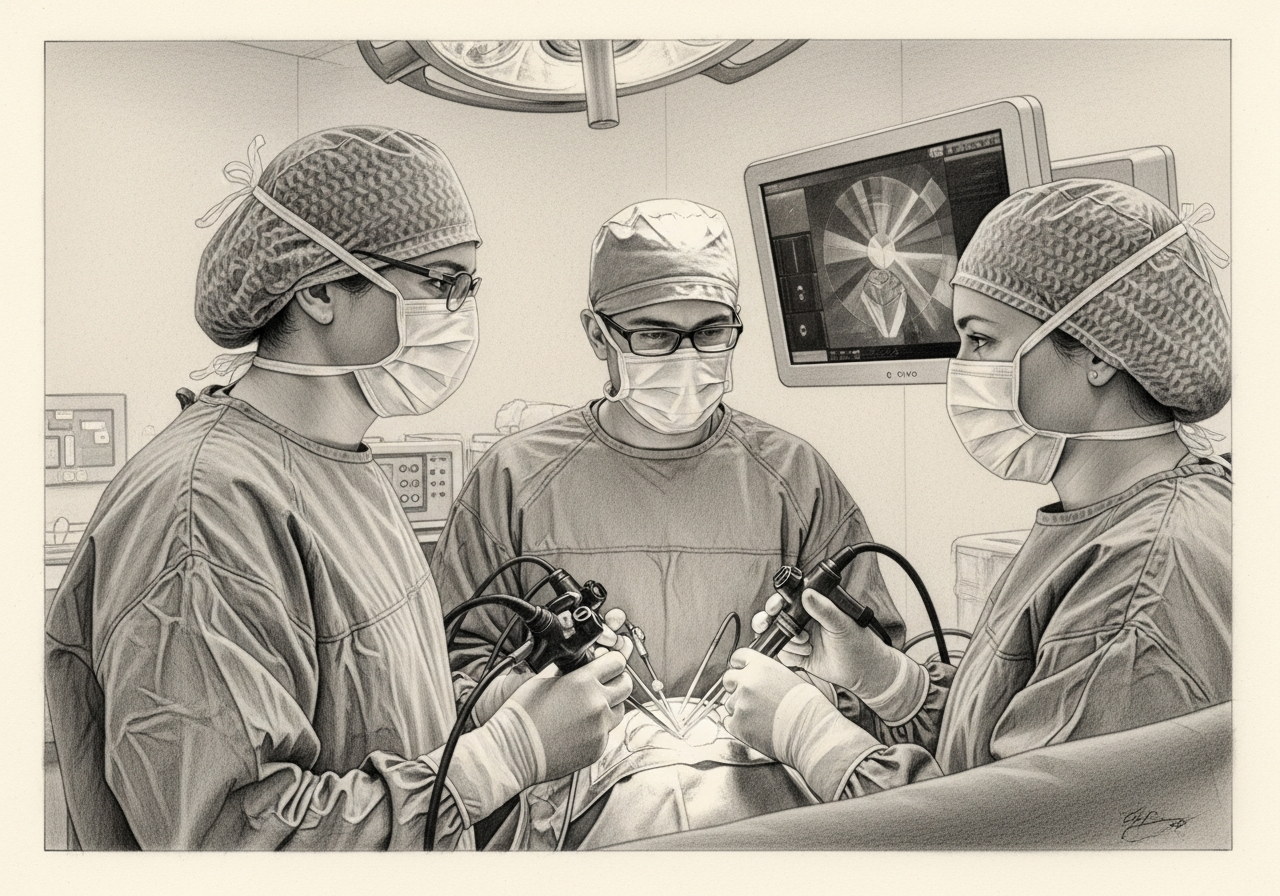
Most inverted papillomas are removed with endoscopic surgery, which uses the nasal passages rather than external incisions. The aim is complete removal to reduce the chance of recurrence.
- Endoscopic surgical removal
- Open approaches for selected tumors based on location and extent
- Multidisciplinary care for malignant tumors, which may include additional treatment
- Neurosurgery collaboration when the skull base is involved
The specific plan depends on the type of tumor, its extent, and individual factors discussed during consultation.
Follow-up and surveillance
Because inverted papilloma can recur, long-term follow-up with nasal endoscopy and periodic imaging is an important part of care. Recurrences are often easier to manage when detected early.
For malignant tumors, structured surveillance is coordinated with the broader care team.
What to bring to your consultation
Bringing or securely transferring the records that can change this decision helps make the visit productive:
- Imaging files and reports
- Endoscopy or operative findings
- Pathology results
- Laboratory results
- Prior treatment notes
- A current medication list
- The specific question you want answered
When to seek urgent care
Heavy or recurrent bleeding, vision change, facial numbness, severe pain, rapidly progressive obstruction, cranial-nerve symptoms, or neurologic change requires expedited or urgent evaluation.
Medical review
This page is a patient-education resource reviewed by the responsible Norelle ENT clinician before publication. It does not replace an in-person evaluation. If symptoms are severe or rapidly worsening, seek immediate medical care.
Specialists who treat inverted papilloma and sinonasal tumors

Dr. Adrian Ong
MD
Board-Certified Facial Plastic & Reconstructive and Head & Neck Surgeon
Dr. Adrian Ong is a board-certified surgeon who practices exclusively on the face, head, and neck, with expertise spanning rhinoplasty, sinus surgery, facial trauma, reconstruction, and sleep surgery.
- Functional and aesthetic rhinoplasty (including revision)
- Sinus surgery and complex revision sinus surgery
- Facial trauma and nasal fractures
- Head and neck cancer surgery and microvascular reconstruction
Also caring for this area


Not sure who to see? Our patient coordination team can help match you with the right specialist.
(212) 444-8006Frequently Asked Questions
Inverted papilloma is a benign sinonasal epithelial tumor with a tendency to recur and a recognized association with synchronous or subsequent carcinoma; the broader category of sinonasal tumors includes many other pathologies.
Evaluation uses endoscopy, CT, and often MRI to define the mass, bone change, attachment, and extension. Biopsy and expert pathology establish the diagnosis, with care taken when vascular lesions or skull-base continuity are possible.
Treatment is pathology-specific. Inverted papilloma is commonly removed with attention to its site of attachment and followed with endoscopic surveillance, while malignant or vascular tumors require dedicated multidisciplinary planning.
Heavy or recurrent bleeding, vision change, facial numbness, severe pain, rapidly progressive obstruction, cranial-nerve symptoms, or neurologic change requires expedited or urgent evaluation.
Clinical References
These independent resources from medical and professional organizations offer further reading. They are provided for general education and do not replace a consultation with a clinician.
Related Procedures

1 of 2 · Endoscopic Skull Base Surgery
Related Conditions

1 of 2 · Unilateral Sinus Disease
Request a consultation for inverted papilloma and sinonasal tumors
Schedule an evaluation with our team to review your symptoms and the appropriate next steps.