
Overview
One-sided maxillary sinus disease, foul drainage, or symptoms following dental work may originate from a tooth, implant, extraction site, or oral–sinus communication. Effective care depends on confirming both the sinus disease and the dental source, then sequencing treatment across ENT and dental teams.
Because the dental roots and the sinus floor are so close together, this condition often presents as one-sided maxillary sinus disease with congestion, postnasal drip, a foul drainage or taste, pressure over the cheek or teeth, and recurrent infections that do not fully clear with standard sinus treatment. Evaluation focuses on identifying the dental source as well as the sinus inflammation, often with nasal endoscopy, CT imaging, and coordination with a dentist or oral surgeon. Treating the sinus alone, without addressing the dental cause, frequently leads to recurrence, so the plan is built around both.
What this evaluation should clarify
A focused evaluation should help you understand a few key decisions:
- What objective evidence distinguishes odontogenic sinusitis from look-alike conditions
- Which anatomic, inflammatory, dental, neurologic, infectious, or tumor-related contributors must be considered
- Which medical, procedural, surgical, or multidisciplinary path best fits the findings and your goals
Living with odontogenic sinusitis? The next step is a quiet, unhurried conversation.
Evaluation and treatment pathway
- Clarify the symptom pattern, duration, triggers, prior treatment, operations, medications, and relevant medical history.
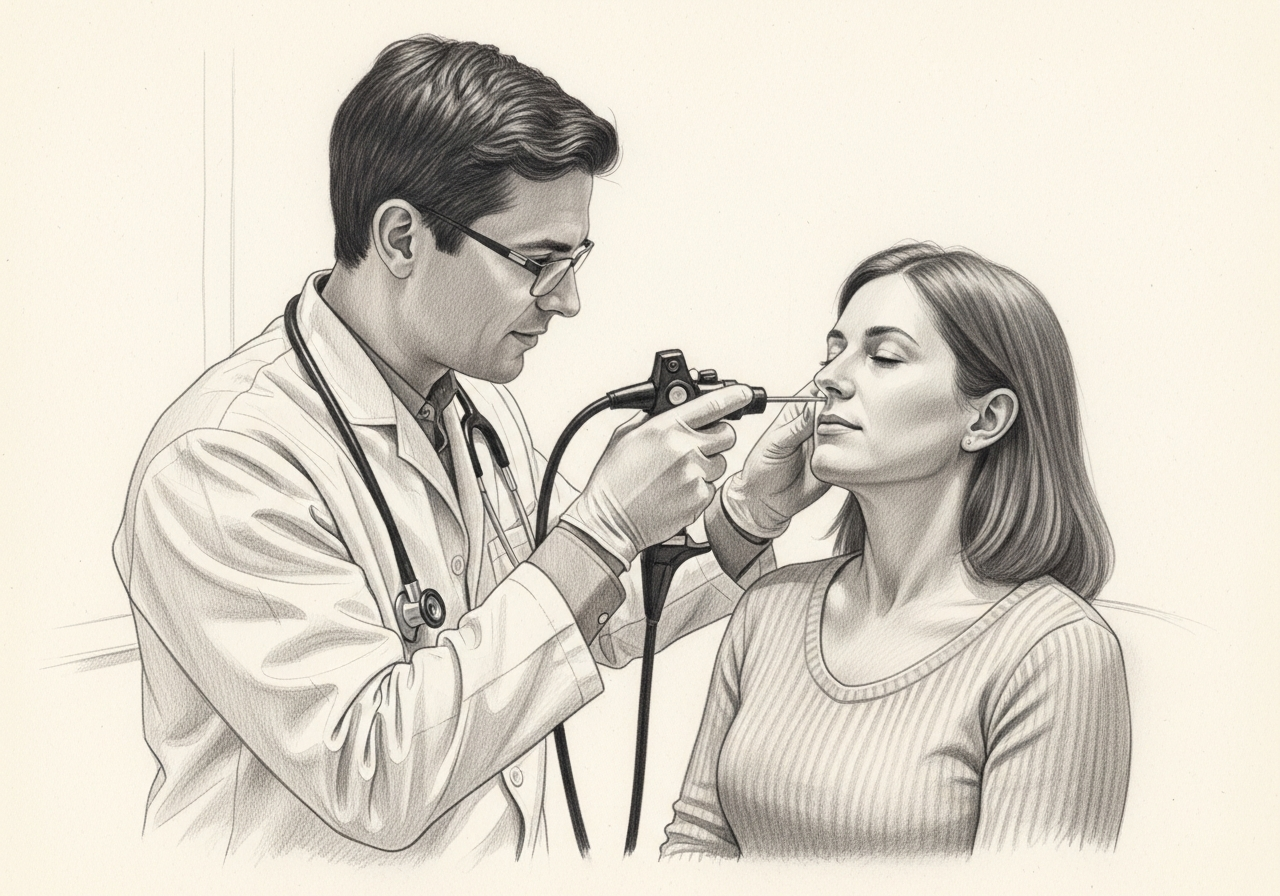
- ENT evaluation confirms sinonasal disease with history, endoscopy, and CT, while a dental professional evaluates the suspected tooth, implant, or oral source. Both sides of the diagnosis are necessary; either discipline working alone can miss the driver.
- Identify important look-alikes, complications, and contributors before assigning a definitive diagnosis.
- Treatment requires dental source control and, in selected cases, medical therapy or endoscopic sinus surgery to restore drainage and clear persistent disease. Sequence and timing should be coordinated rather than assumed.
- Set a measurable follow-up plan: symptom goals, objective reassessment, medication response, and imaging or surveillance when appropriate.
Causes, risk factors, and related conditions
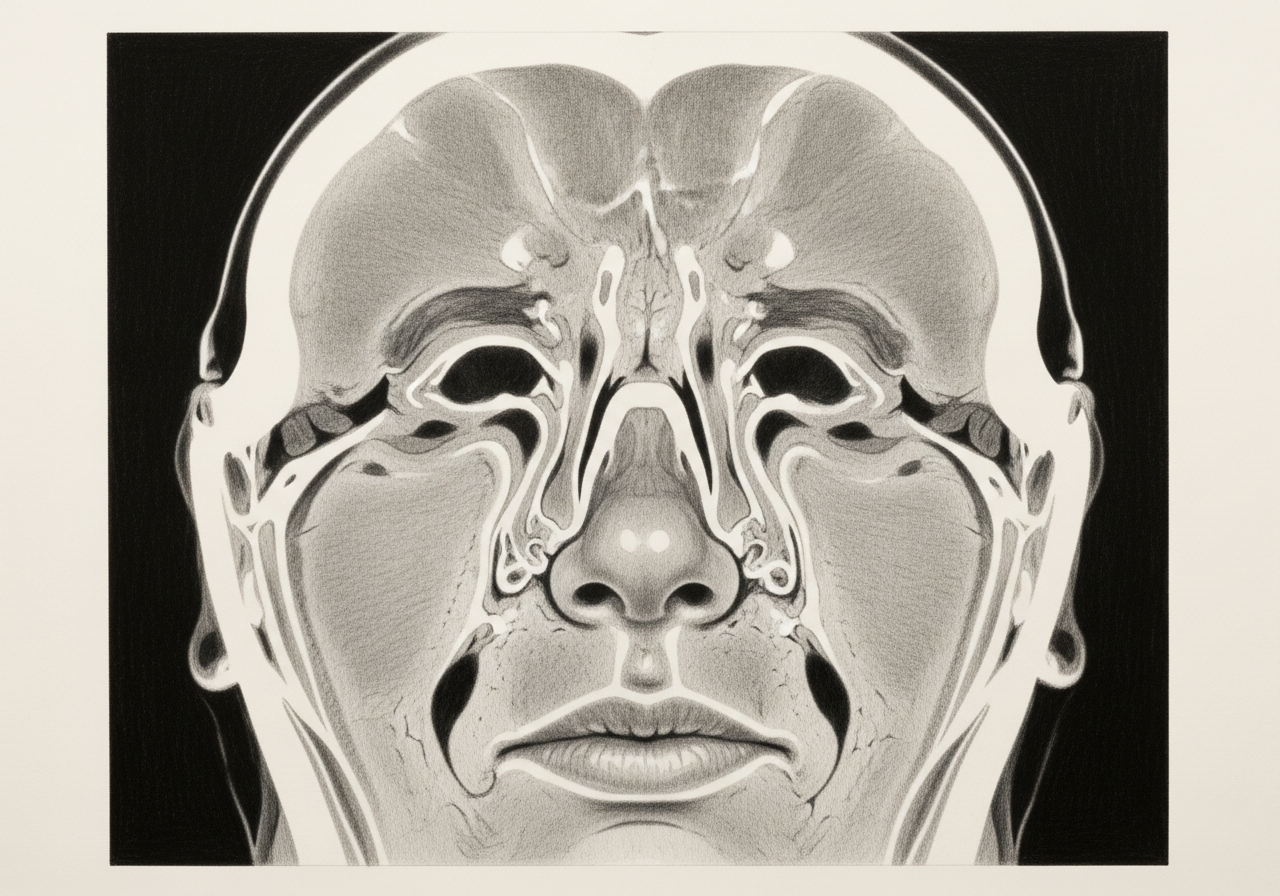
Common sources include a tooth infection at the root tip, advanced gum disease, a dental implant or bone graft near the sinus floor, a prior extraction that left an opening between the mouth and sinus, or a root canal that involves the upper back teeth. Because the upper tooth roots and the maxillary sinus floor are so close, dental problems can readily extend into the sinus.
Odontogenic sinusitis can overlap with chronic sinusitis, and a careful evaluation separates a purely sinus-driven problem from one with a dental source, since the treatment is different.

Treatment options
Treatment generally addresses both the dental source and the sinus, in steps when appropriate:
- Dental evaluation to identify the source
- Treatment of the affected tooth, implant, or opening, often with a dentist or oral surgeon
- Saline irrigation and topical nasal steroids
- Antibiotics in selected cases
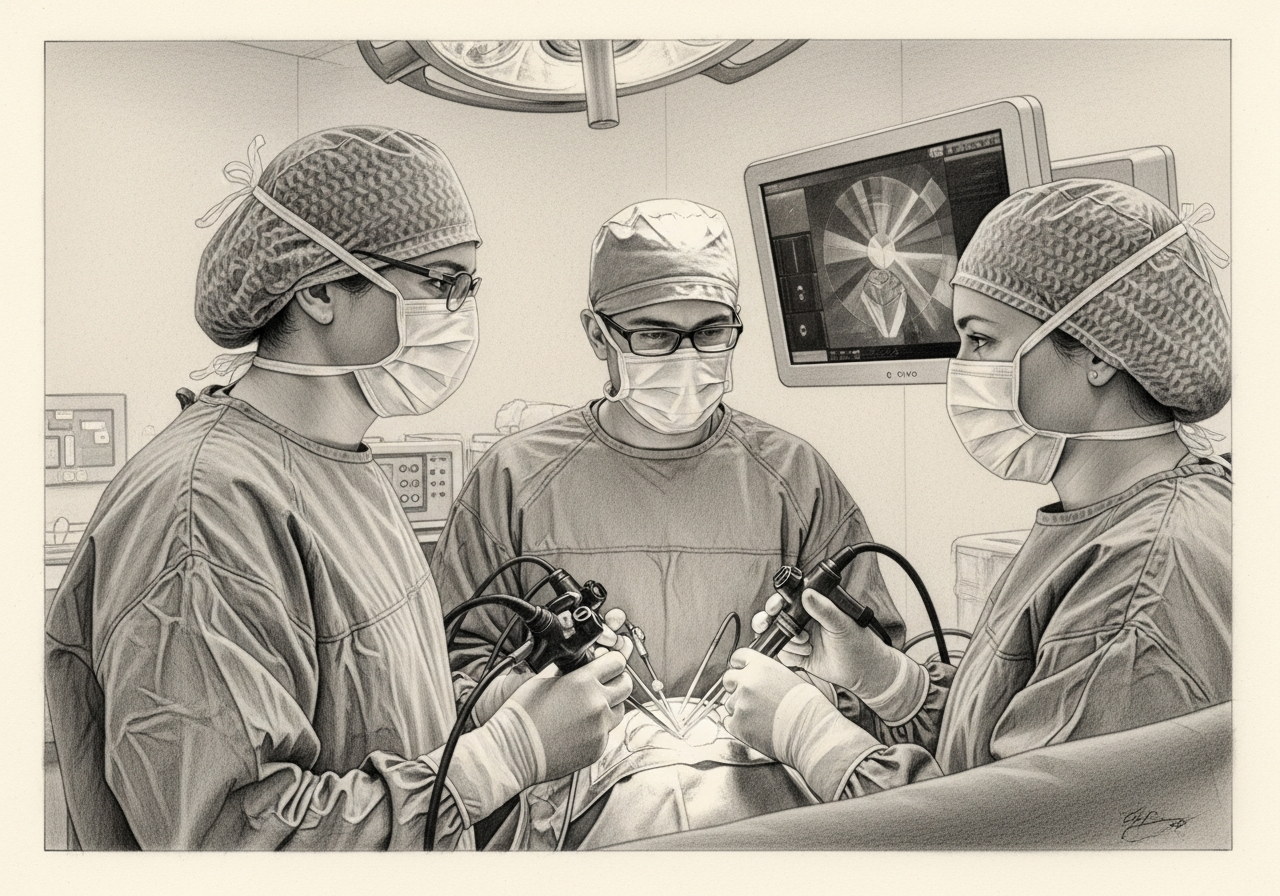
- Endoscopic sinus surgery when sinus disease persists after the dental source is addressed
Treating the sinus without addressing the underlying dental cause commonly leads to recurrence, so the plan is coordinated and individualized.
Risks, limitations, and alternatives
Limitations are important to understand. Sinus treatment alone may give only temporary relief if the dental source remains, and some patients need both dental treatment and a sinus procedure. Risks of procedures may include pain, bleeding, infection, swelling, persistent symptoms, recurrence, and the possible need for further treatment.
Alternatives depend on the source and severity, and may include focused dental treatment with medical sinus care, or staged treatment when more than one issue is present.
What to bring to your consultation
Bringing or securely transferring the records that can change this decision helps make the visit productive:
- Imaging files and reports, including sinus CT and dental or cone-beam imaging
- Endoscopy or operative findings
- Pathology results
- Laboratory results
- Prior treatment notes, including dental procedure dates and antibiotic response
- A current medication list
- The specific question you want answered
When to seek urgent care
Routine symptoms belong in a scheduled evaluation. Facial swelling, eye symptoms, high fever, rapidly progressive infection, severe trismus, dehydration, airway symptoms, or neurologic change requires urgent care.
Medical review
This page is a patient-education resource reviewed by the responsible Norelle ENT clinician before publication. It does not replace an in-person evaluation. If symptoms are severe or rapidly worsening, seek immediate medical care.
Specialists who treat odontogenic sinusitis

Dr. Adrian Ong
MD
Board-Certified Facial Plastic & Reconstructive and Head & Neck Surgeon
Dr. Adrian Ong is a board-certified surgeon who practices exclusively on the face, head, and neck, with expertise spanning rhinoplasty, sinus surgery, facial trauma, reconstruction, and sleep surgery.
- Functional and aesthetic rhinoplasty (including revision)
- Sinus surgery and complex revision sinus surgery
- Facial trauma and nasal fractures
- Head and neck cancer surgery and microvascular reconstruction
Also caring for this area


Not sure who to see? Our patient coordination team can help match you with the right specialist.
(212) 444-8006Frequently Asked Questions
Odontogenic sinusitis is inflammation or infection of a paranasal sinus, most often the maxillary sinus, caused or sustained by dental pathology, dental procedures, or an oral–sinus communication.
ENT evaluation confirms sinonasal disease with history, endoscopy, and CT, while a dental professional evaluates the suspected tooth, implant, or oral source. Both sides of the diagnosis are necessary; either discipline working alone can miss the driver.
Treatment requires dental source control and, in selected cases, medical therapy or endoscopic sinus surgery to restore drainage and clear persistent disease. Sequence and timing should be coordinated rather than assumed.
Facial swelling, eye symptoms, high fever, rapidly progressive infection, severe trismus, dehydration, airway symptoms, or neurologic change requires urgent care.
Clinical References
These independent resources from medical and professional organizations offer further reading. They are provided for general education and do not replace a consultation with a clinician.
Related Procedures

1 of 1 · Endoscopic Sinus Surgery
Related Conditions

1 of 3 · Unilateral Sinus Disease
Request a consultation for odontogenic sinusitis
Schedule an evaluation with our team to review your symptoms and the appropriate next steps.